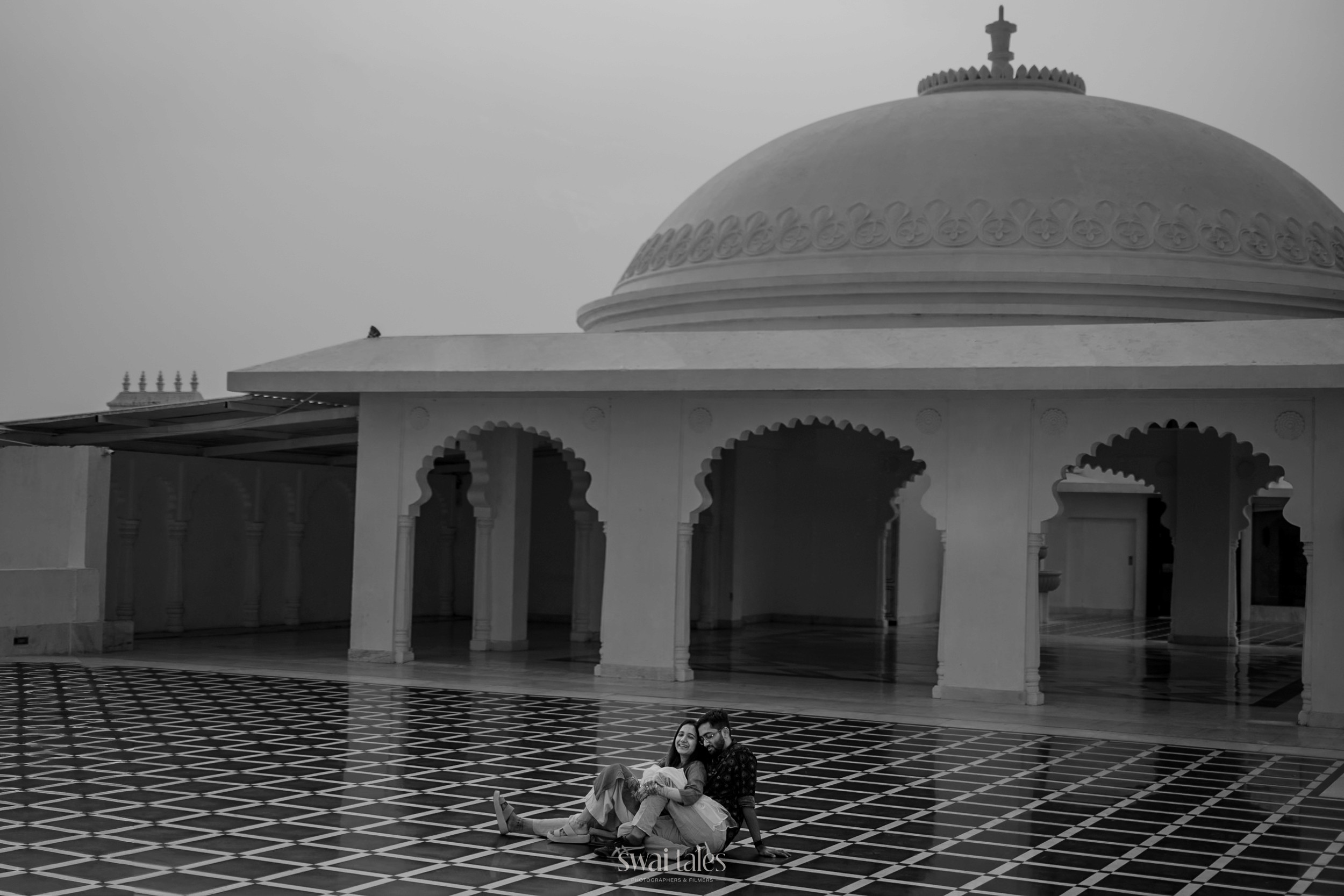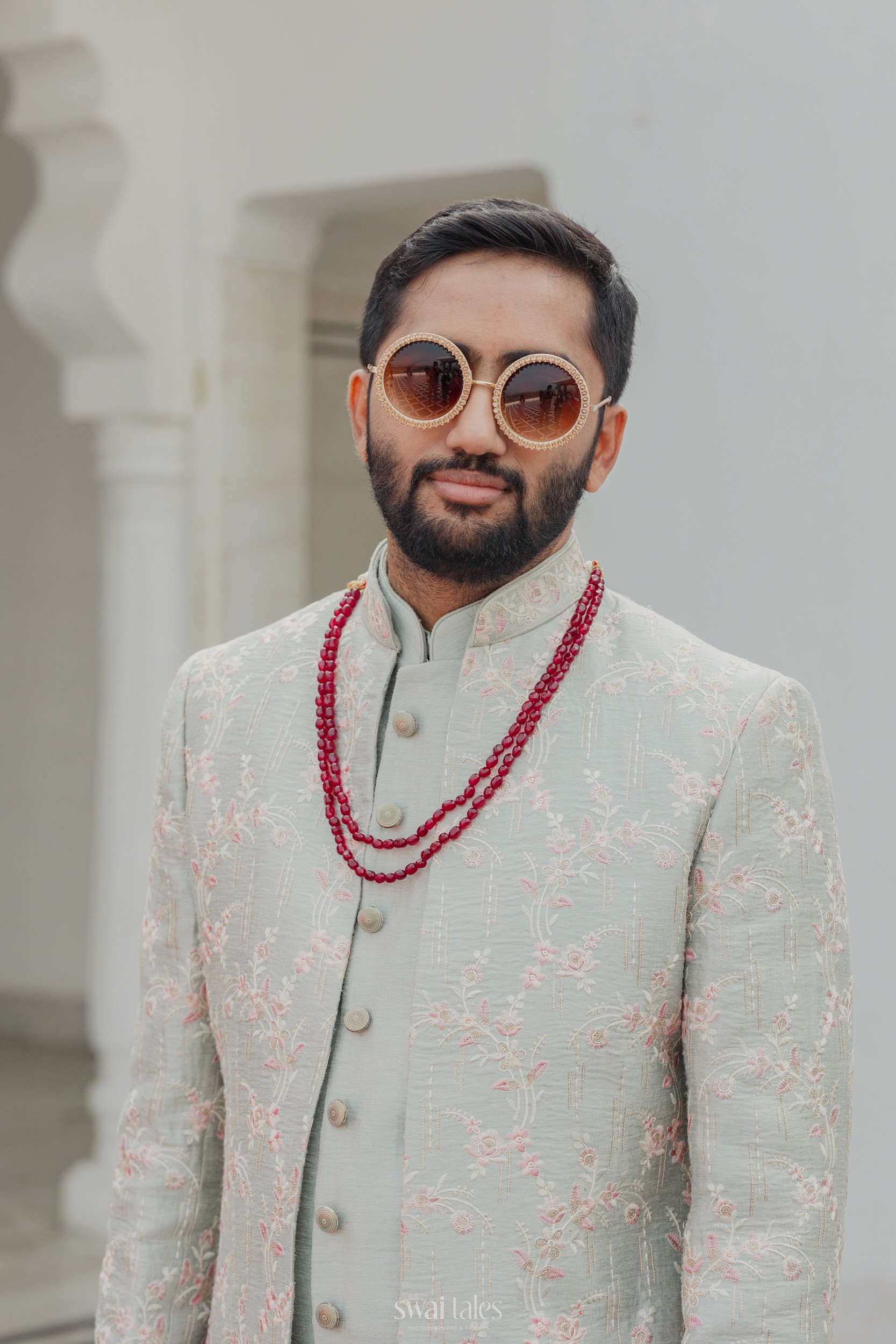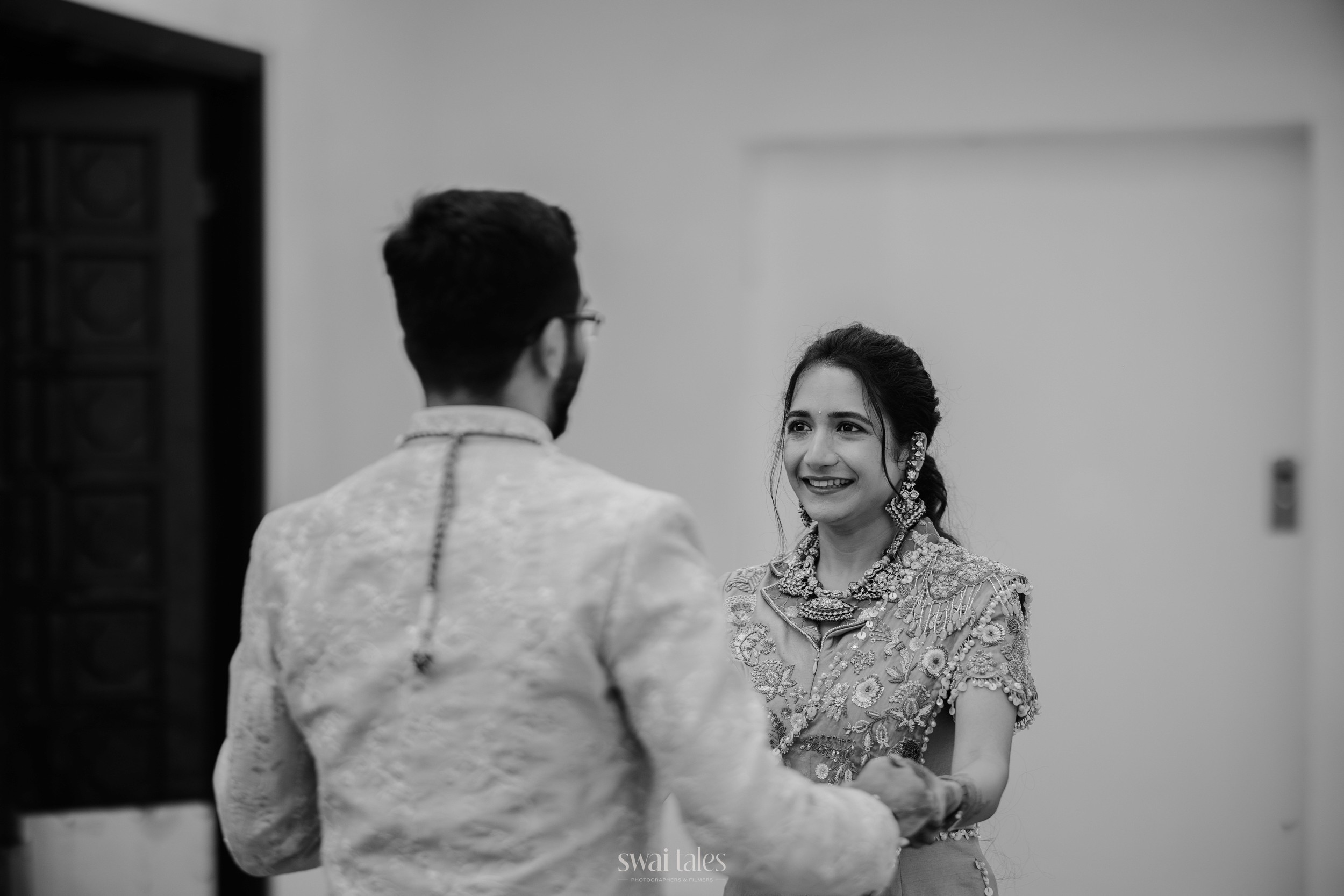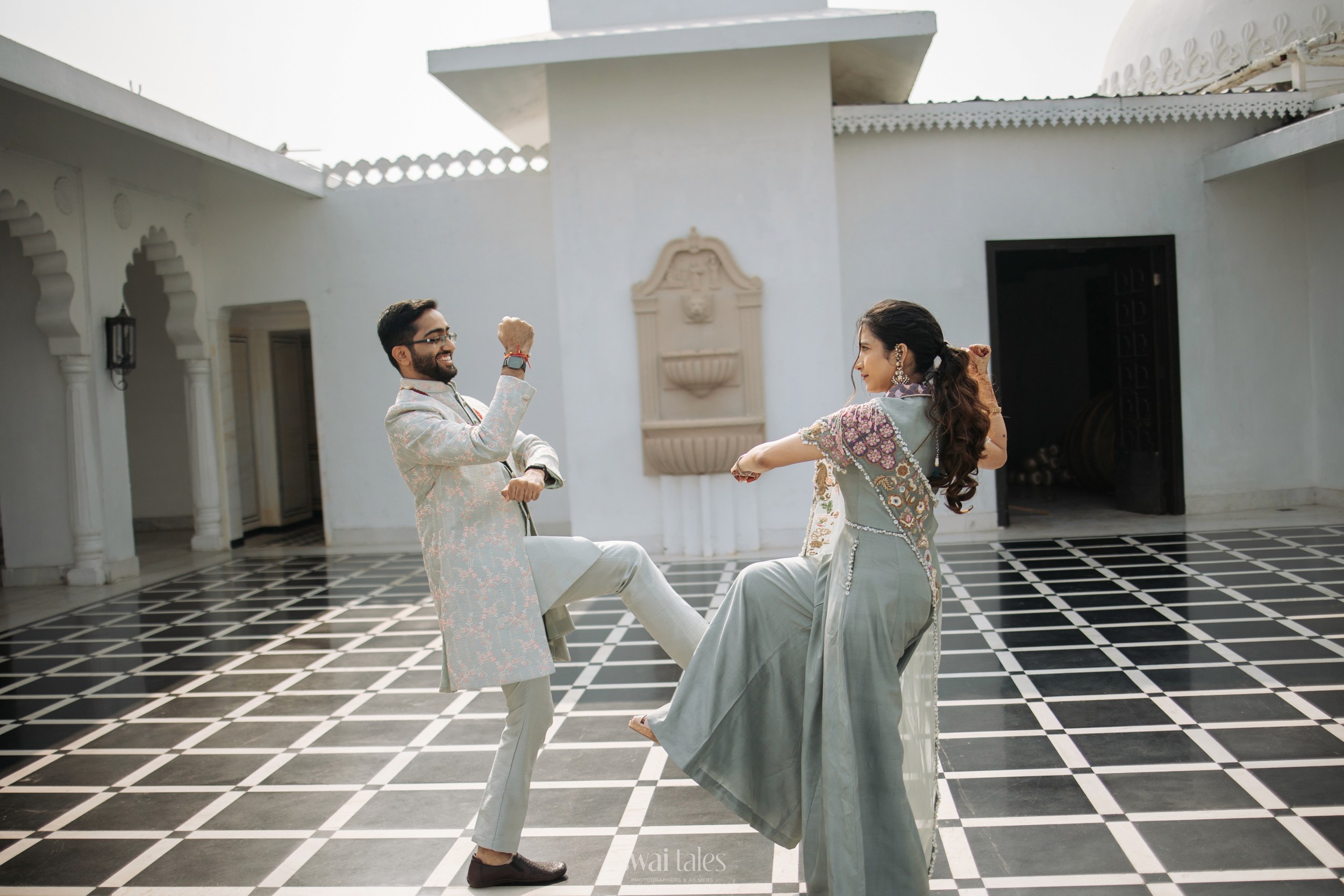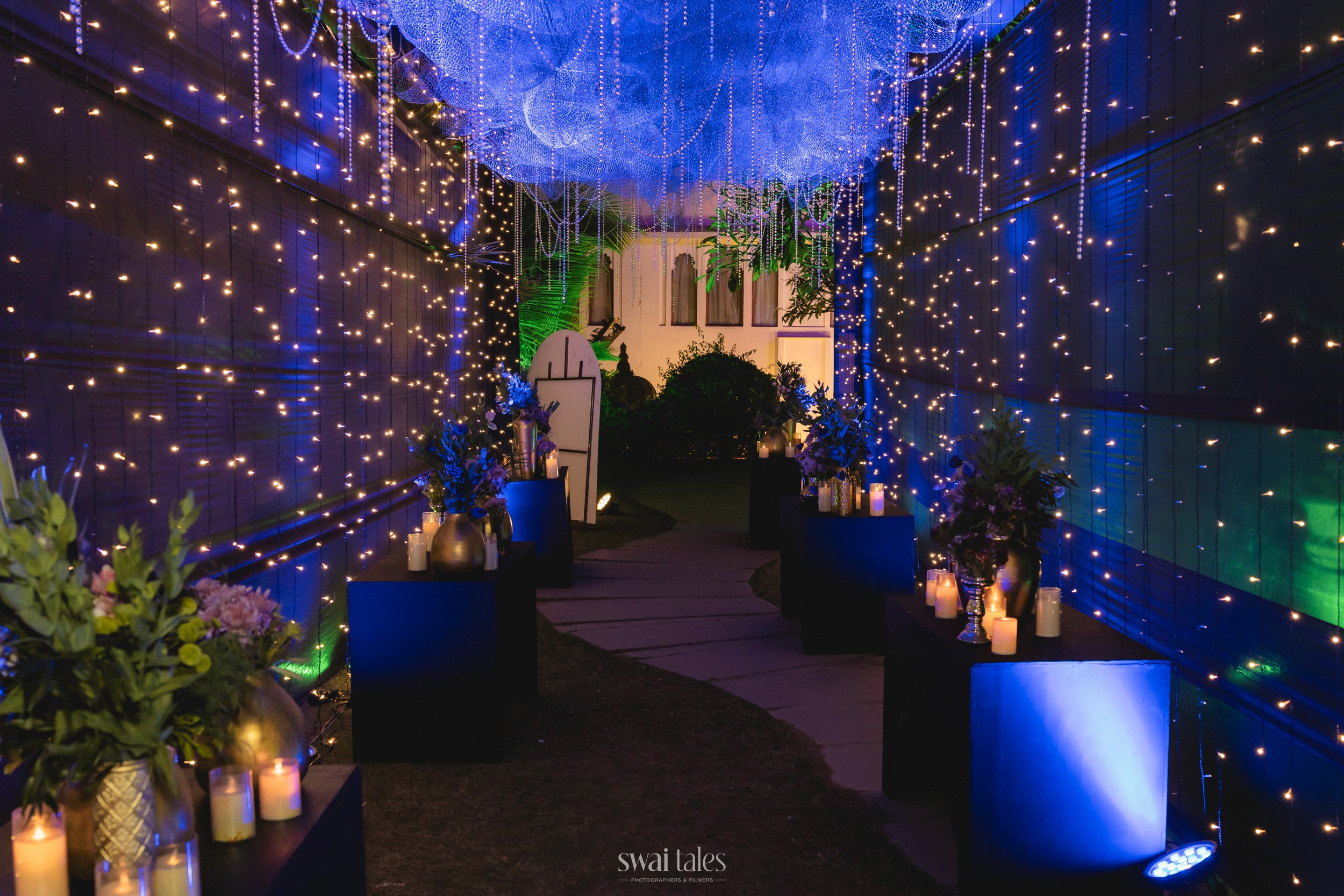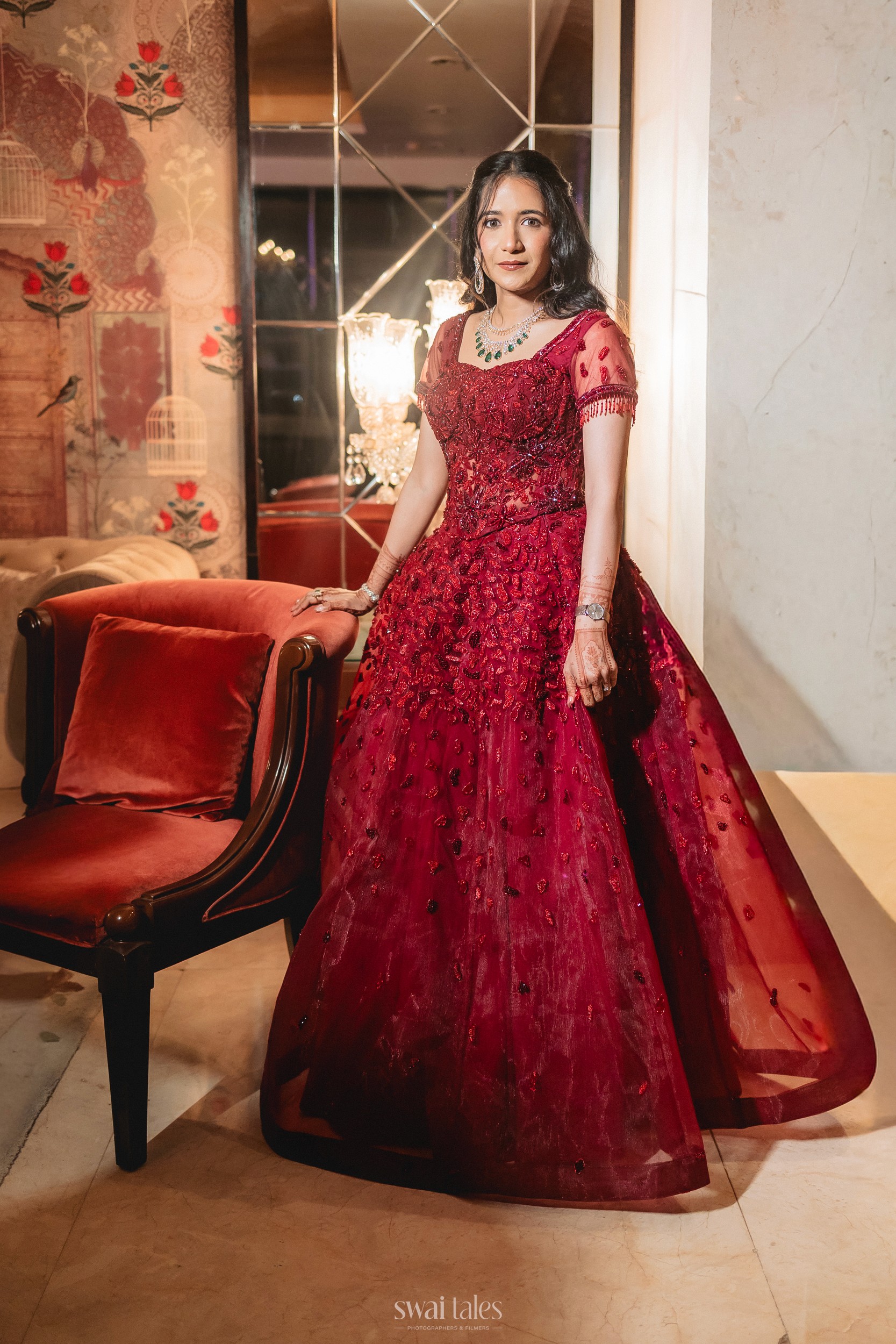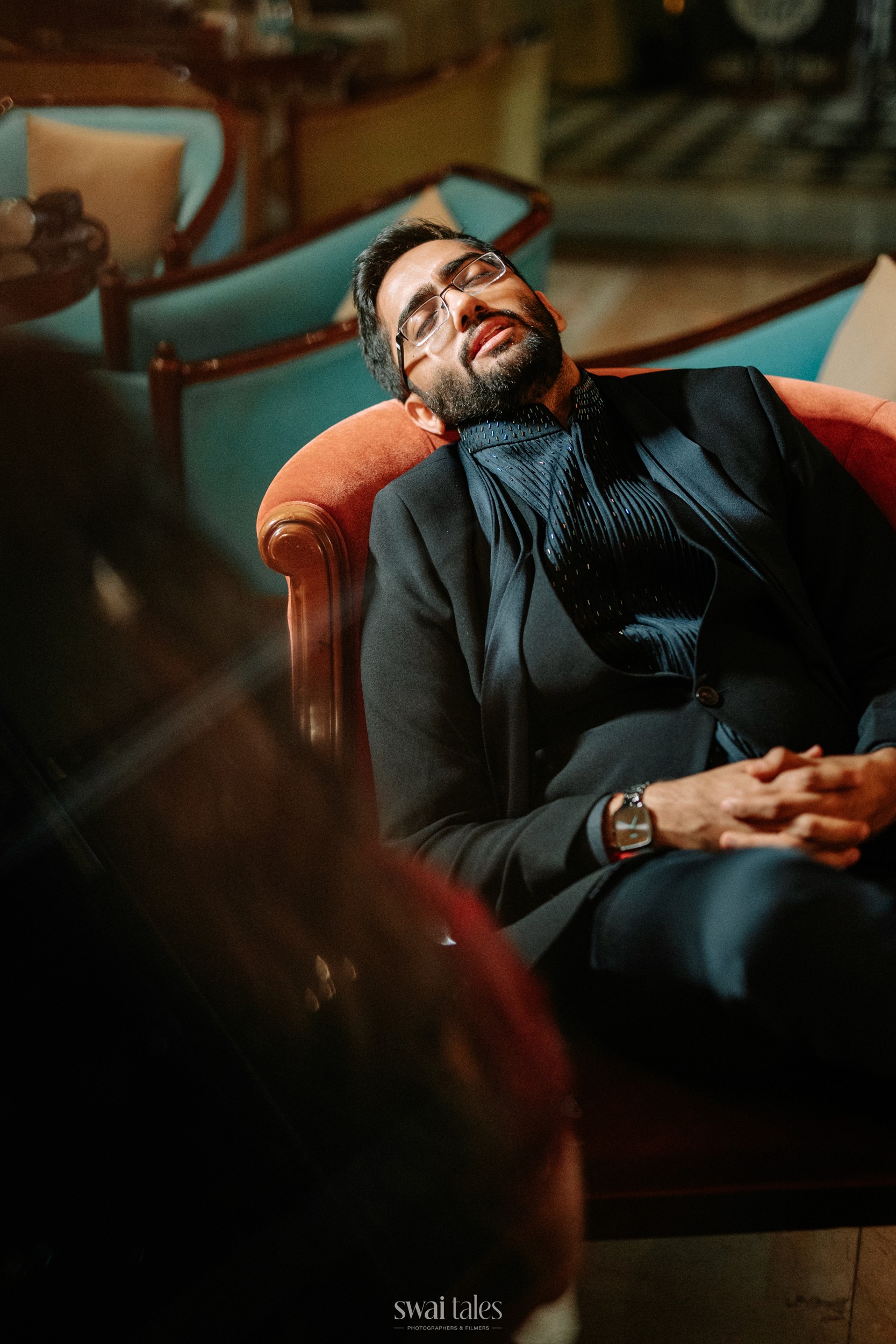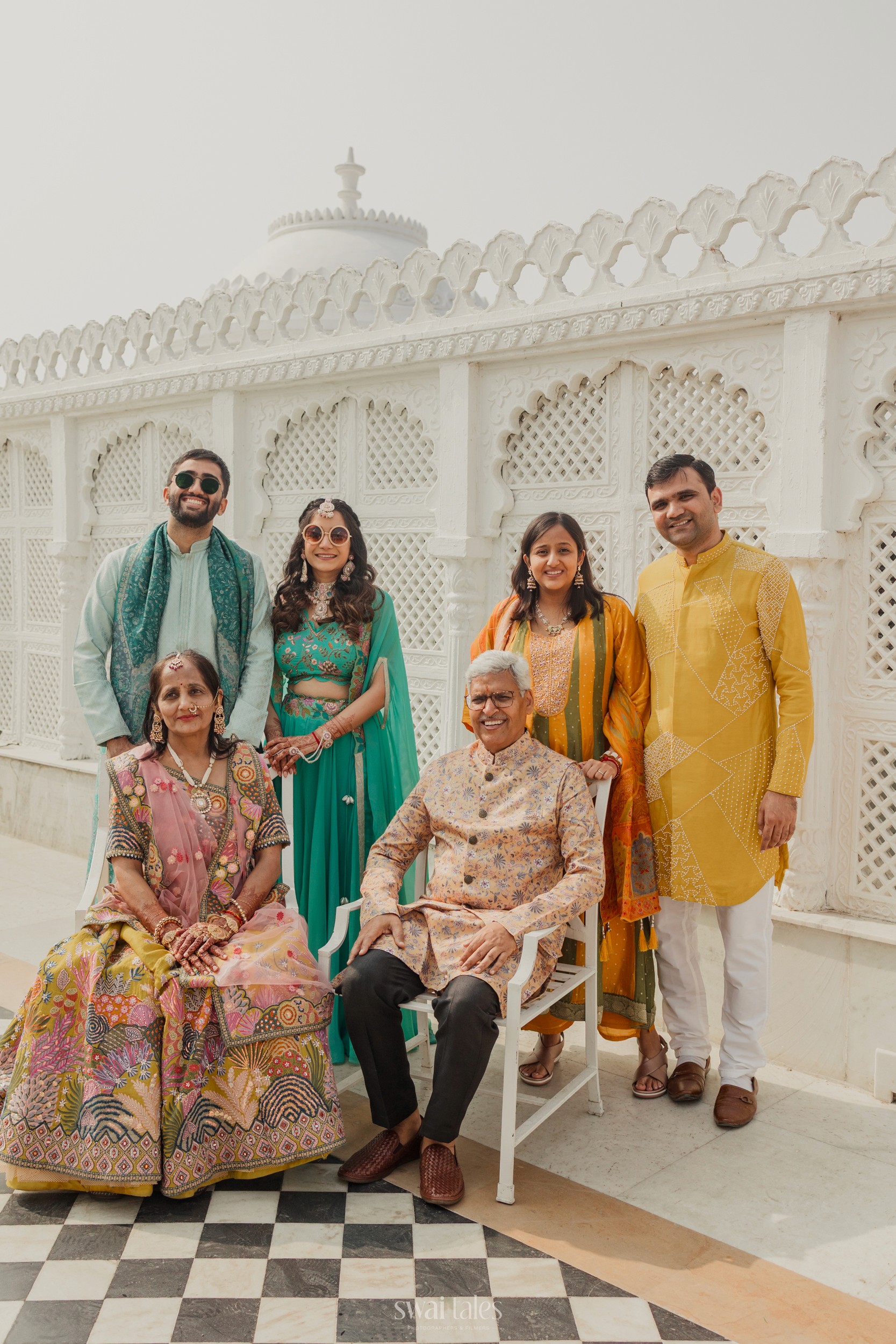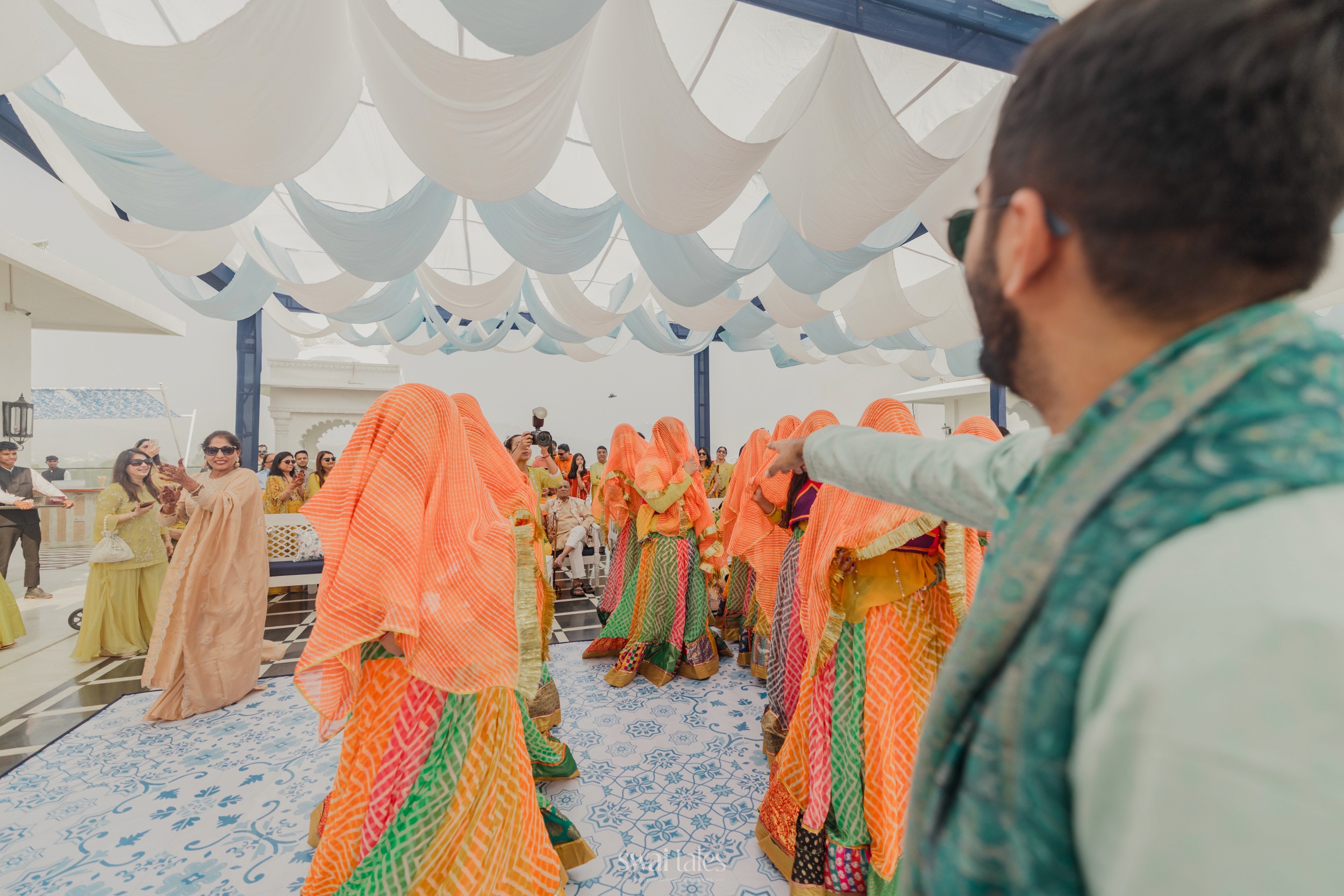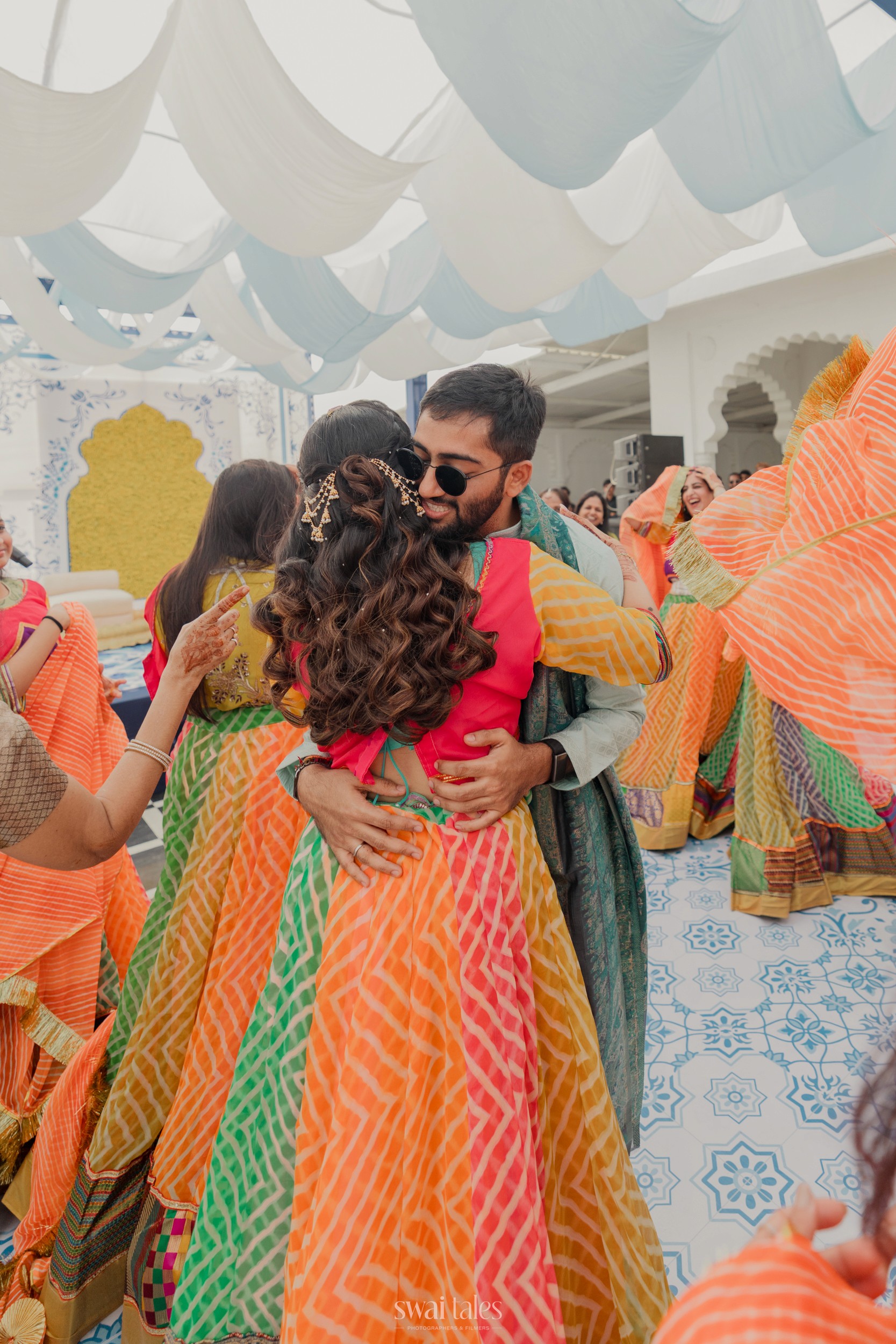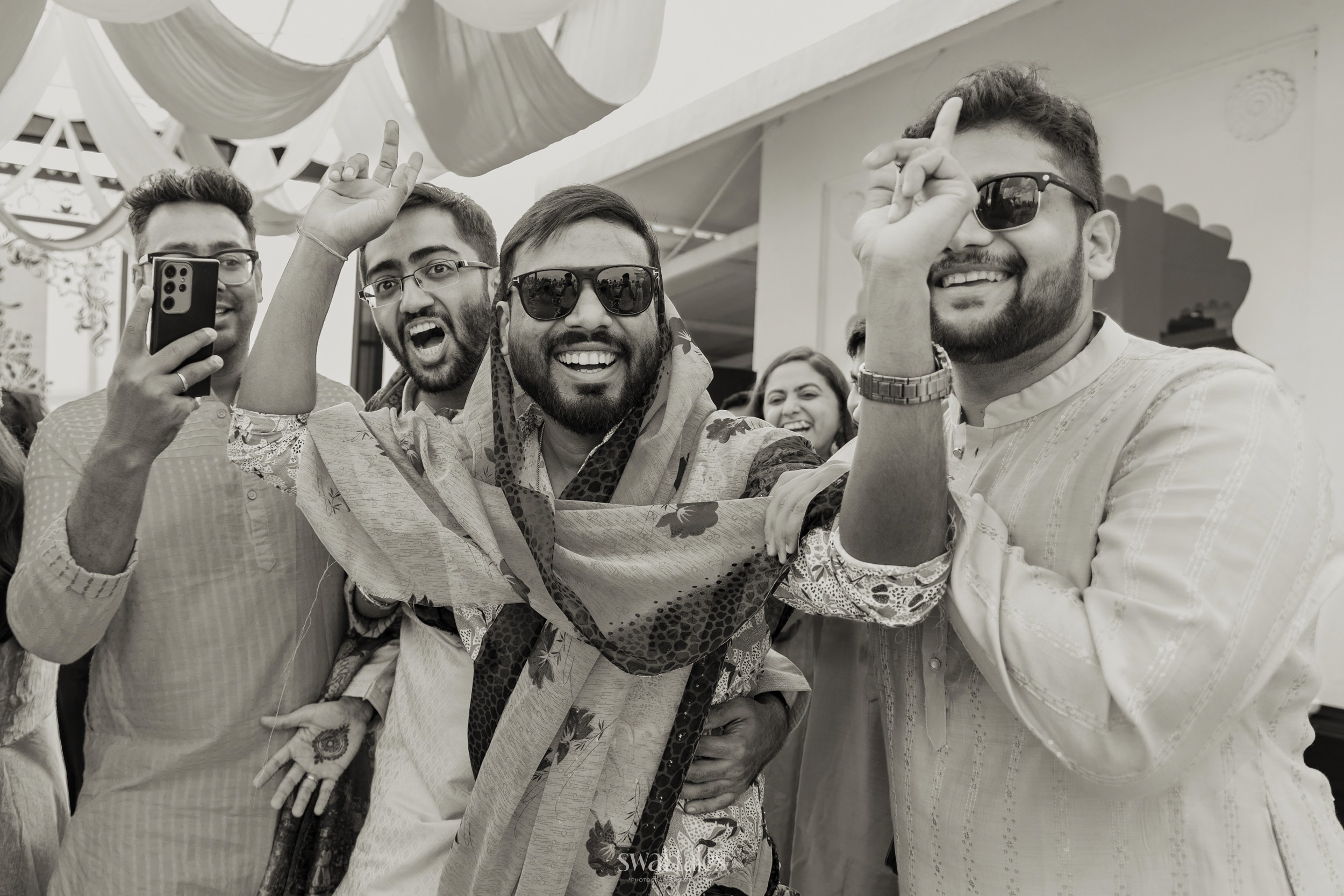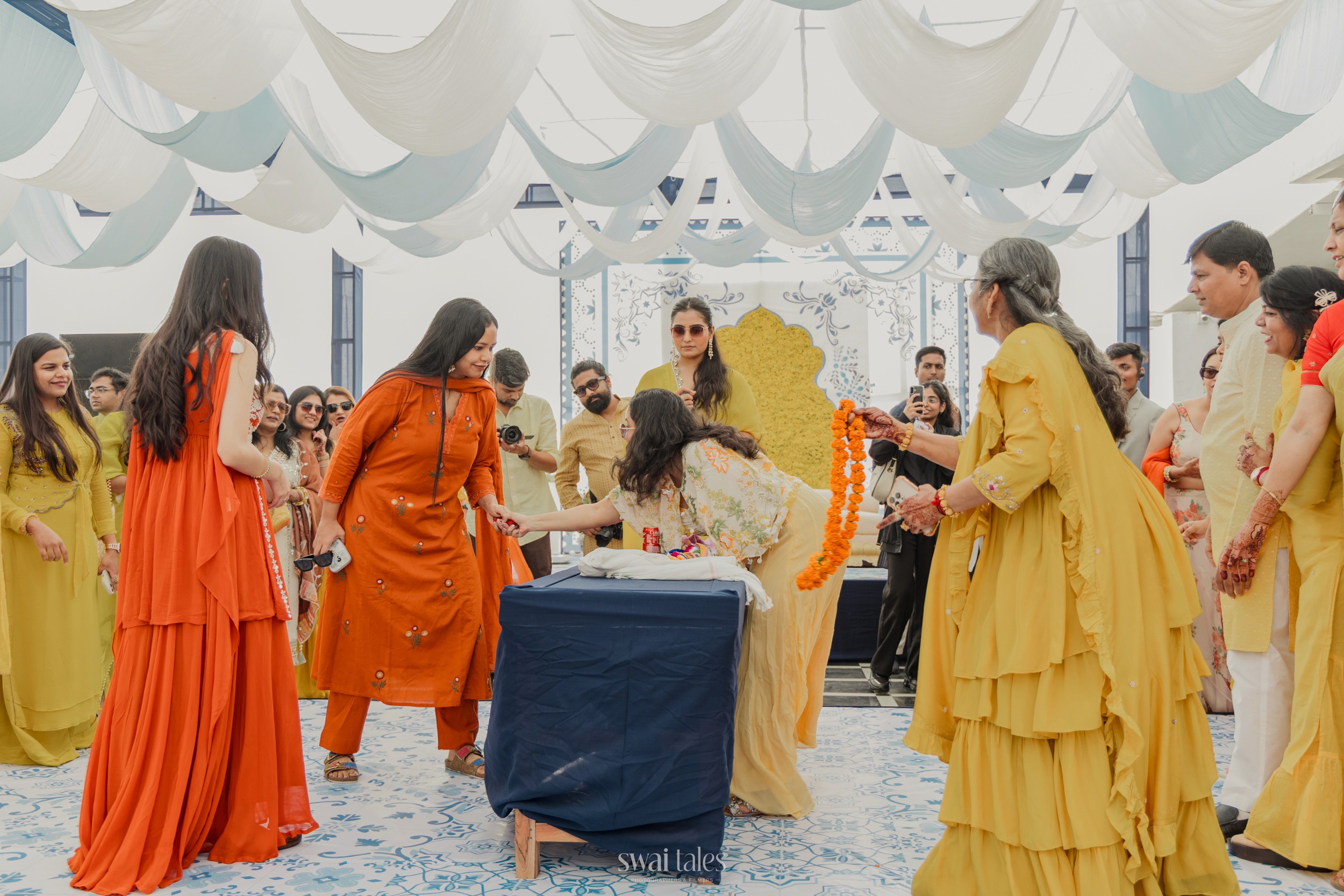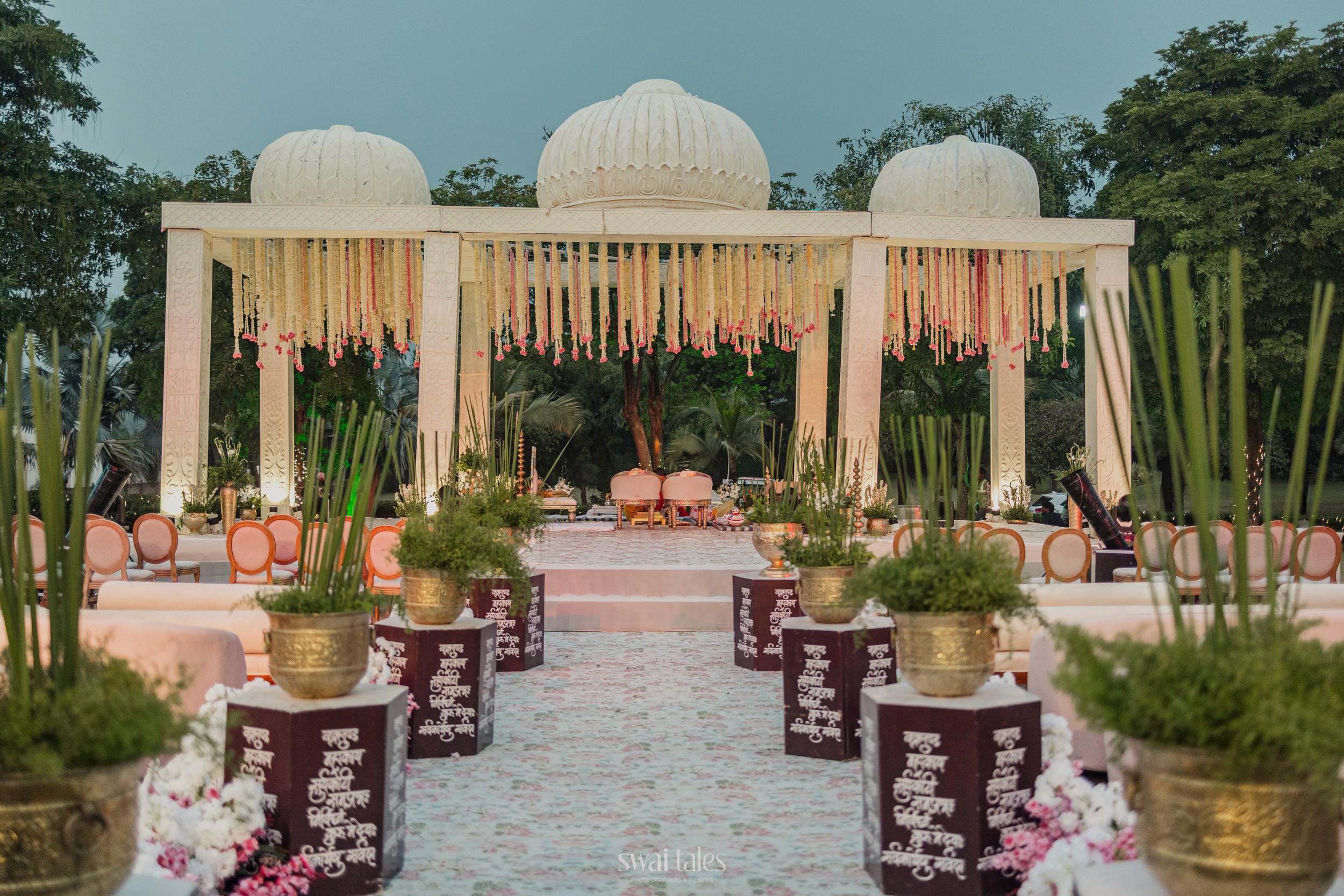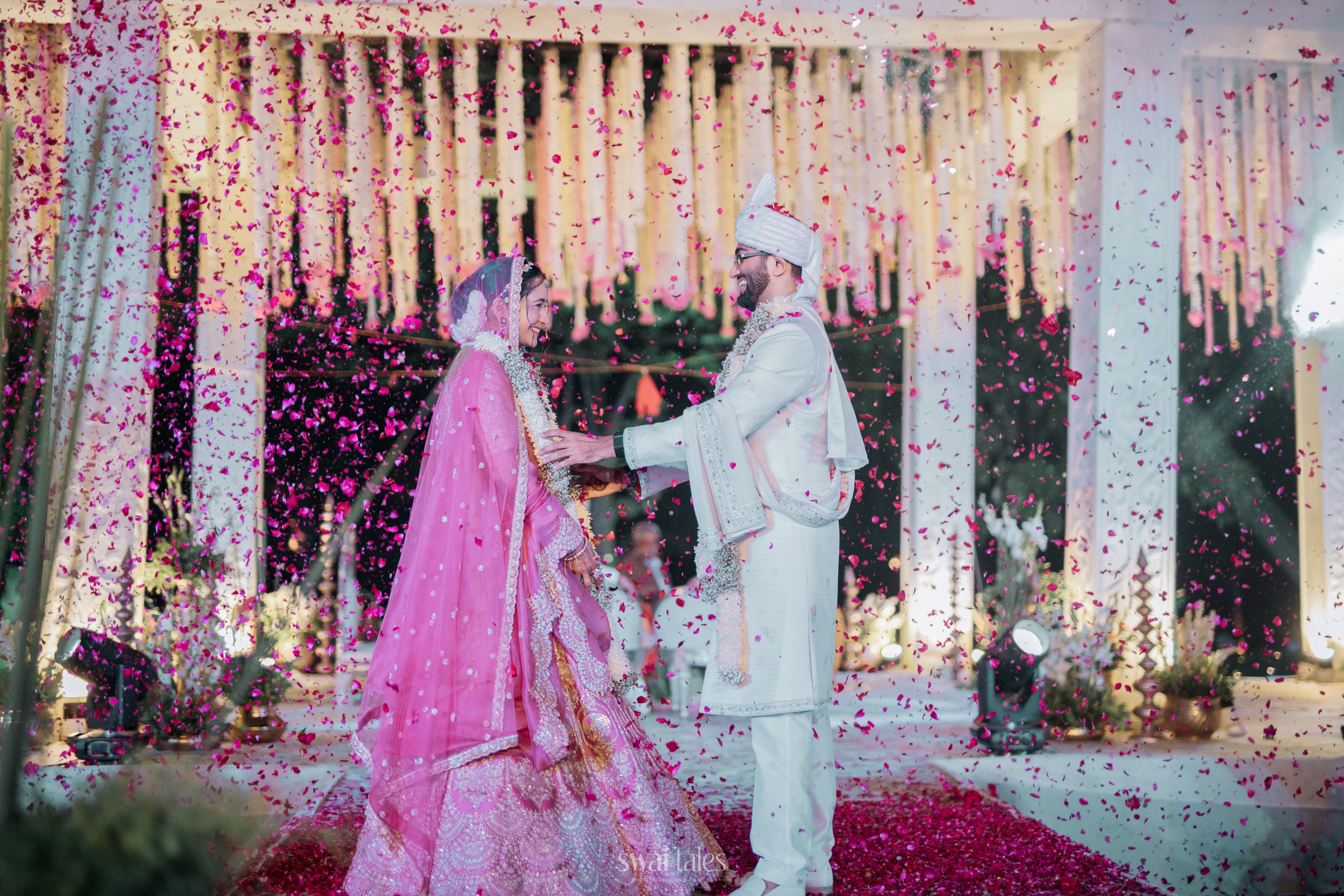
Marwadi weddings do not arrive quietly. They arrive with colour before the sun is fully up, with cousins who have travelled from four cities and are already arguing about the playlist, with grandmothers in their finest jewellery who have been waiting for this specific weekend since approximately the engagement. They arrive with ritual — old, layered, purposeful ritual — and with the particular chaos that only large families in a Udaipur hotel can produce.
Anish and Abhishika's wedding at the Radisson Blu, Udaipur arrived exactly like that. With one difference.
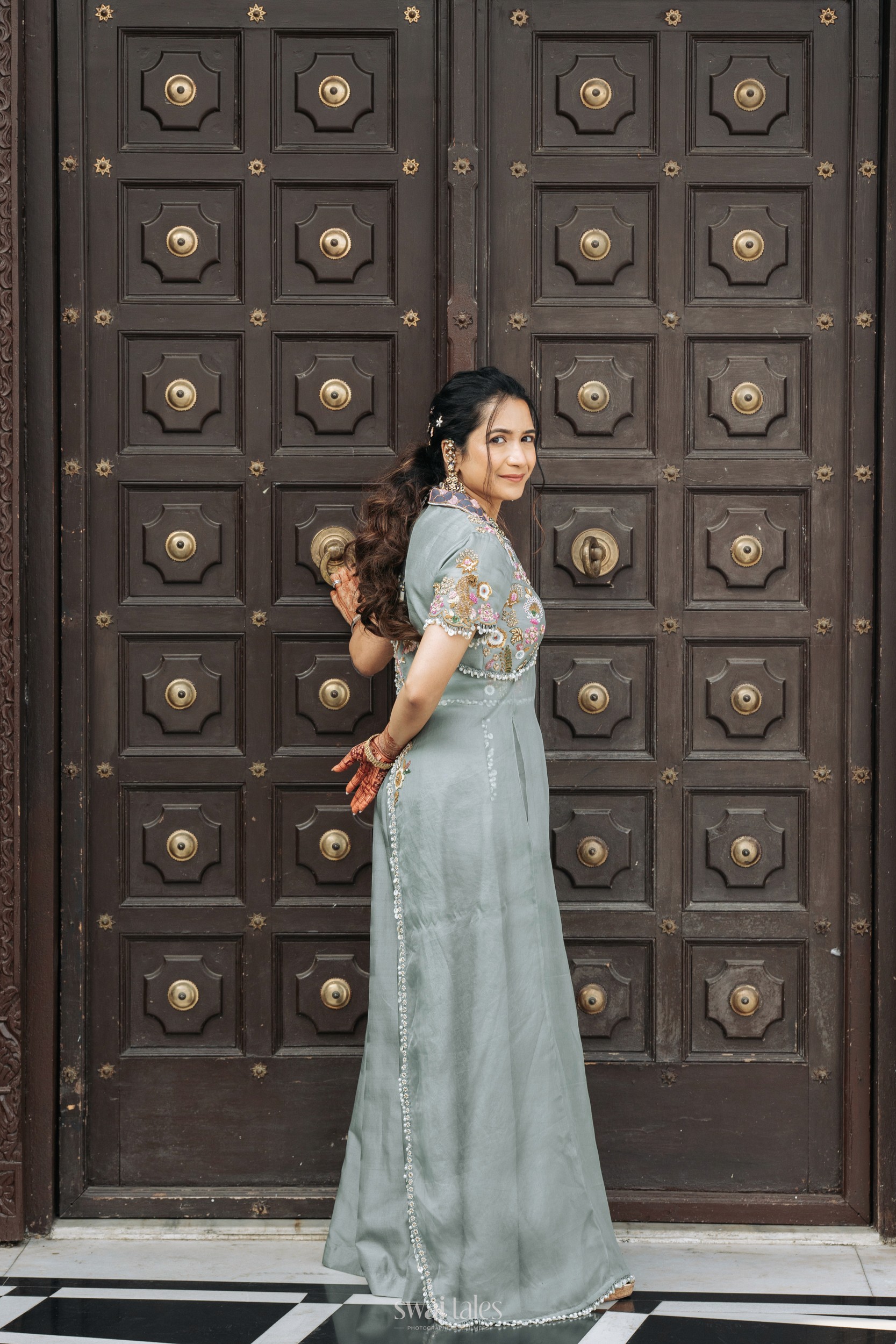
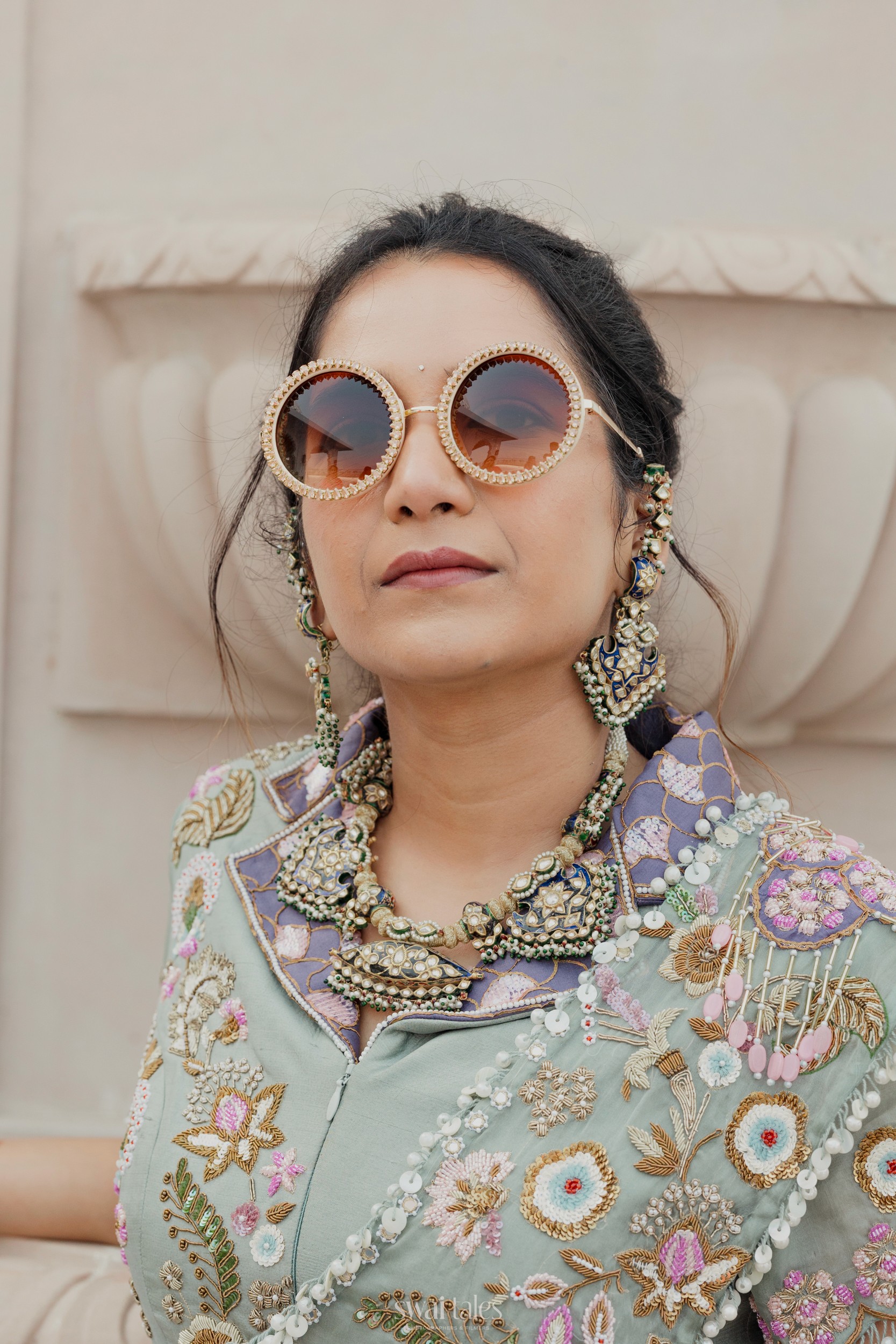
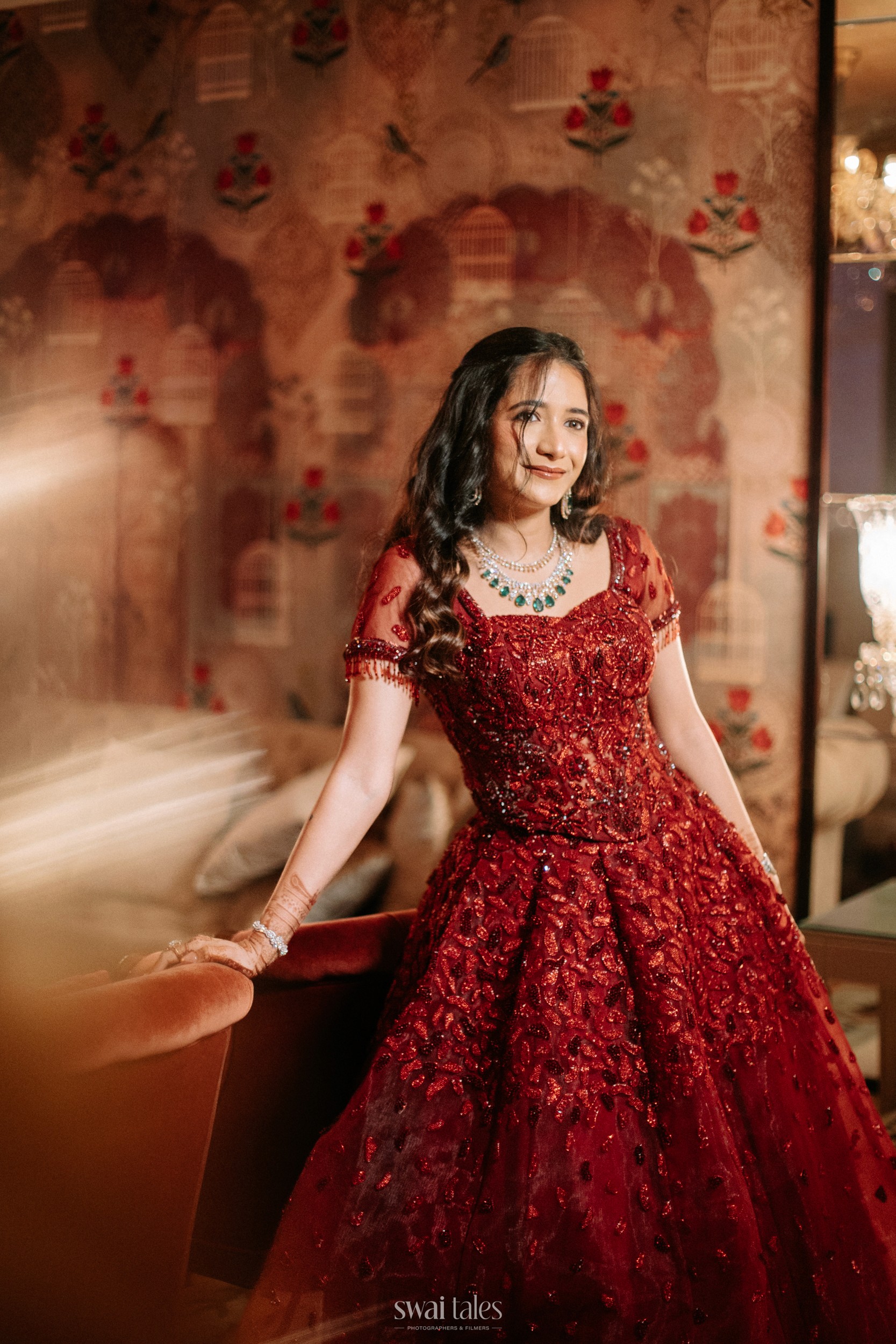
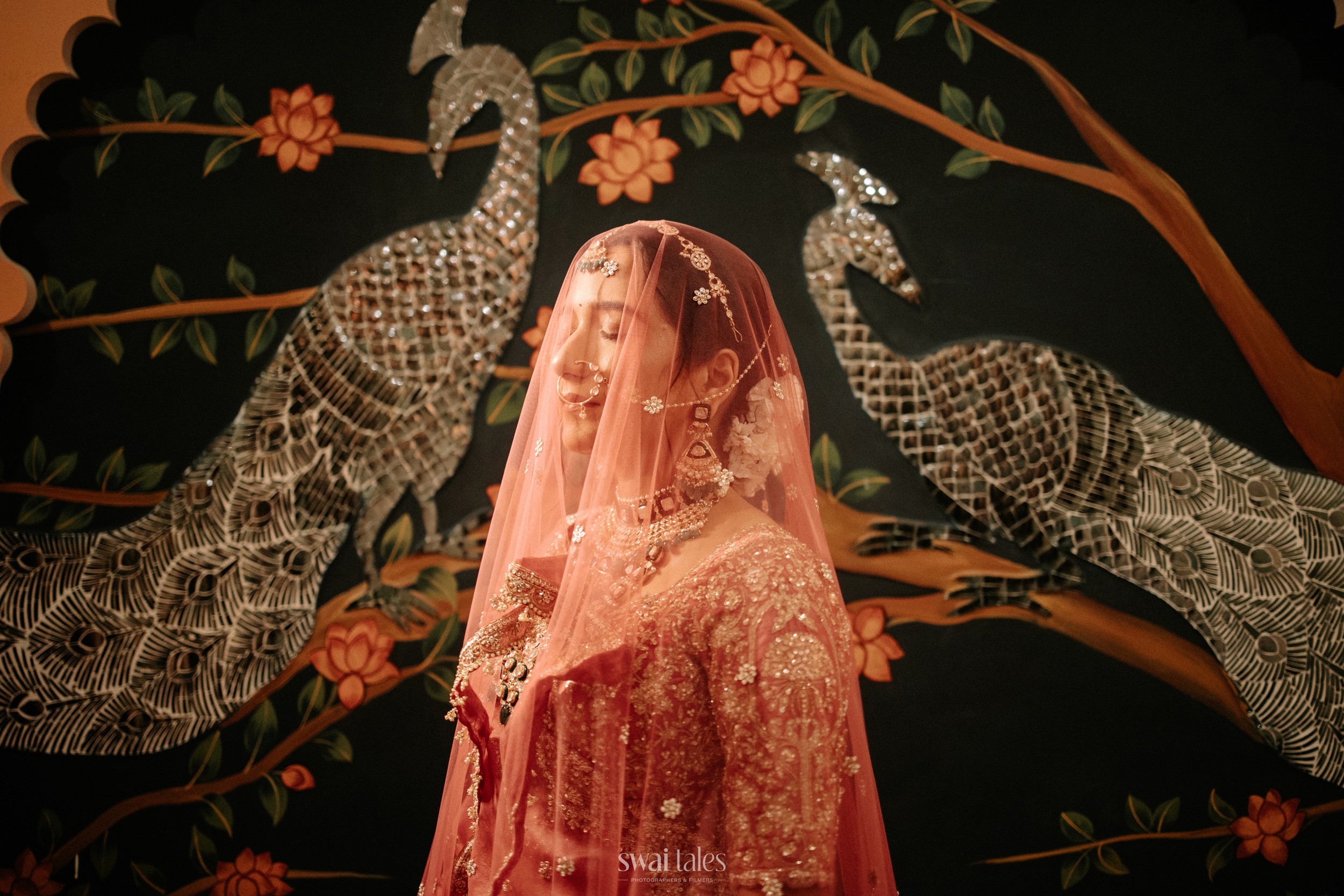
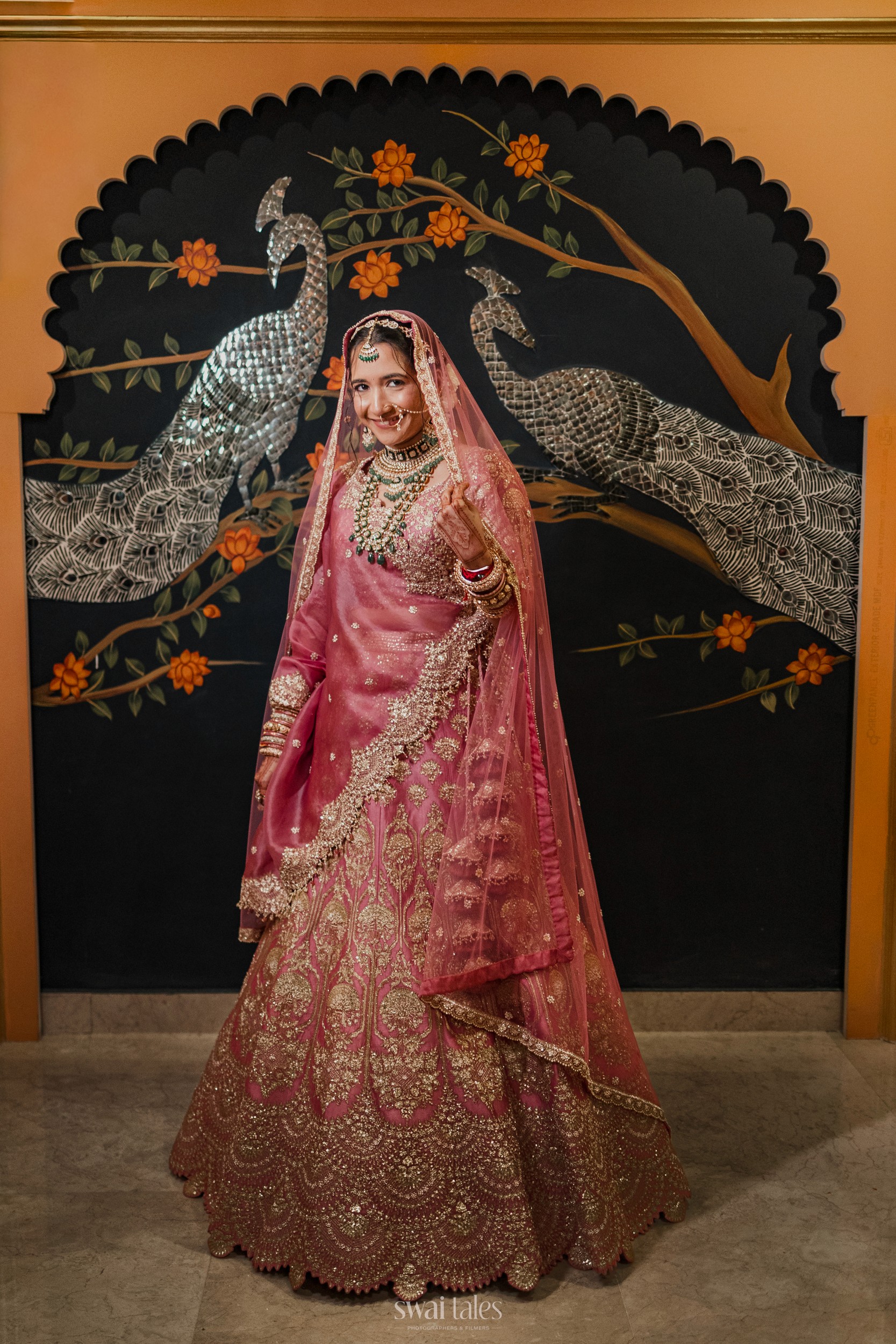
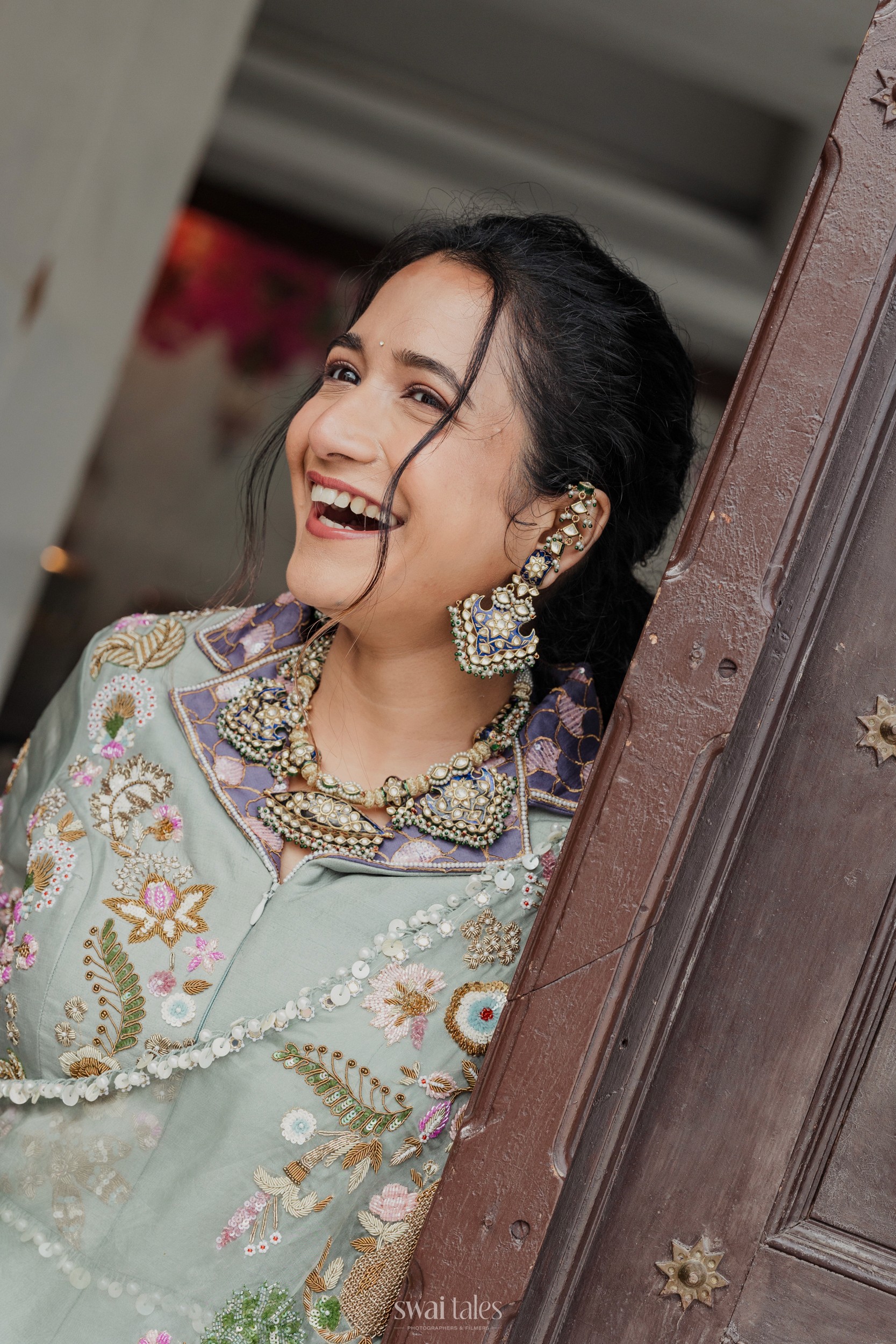
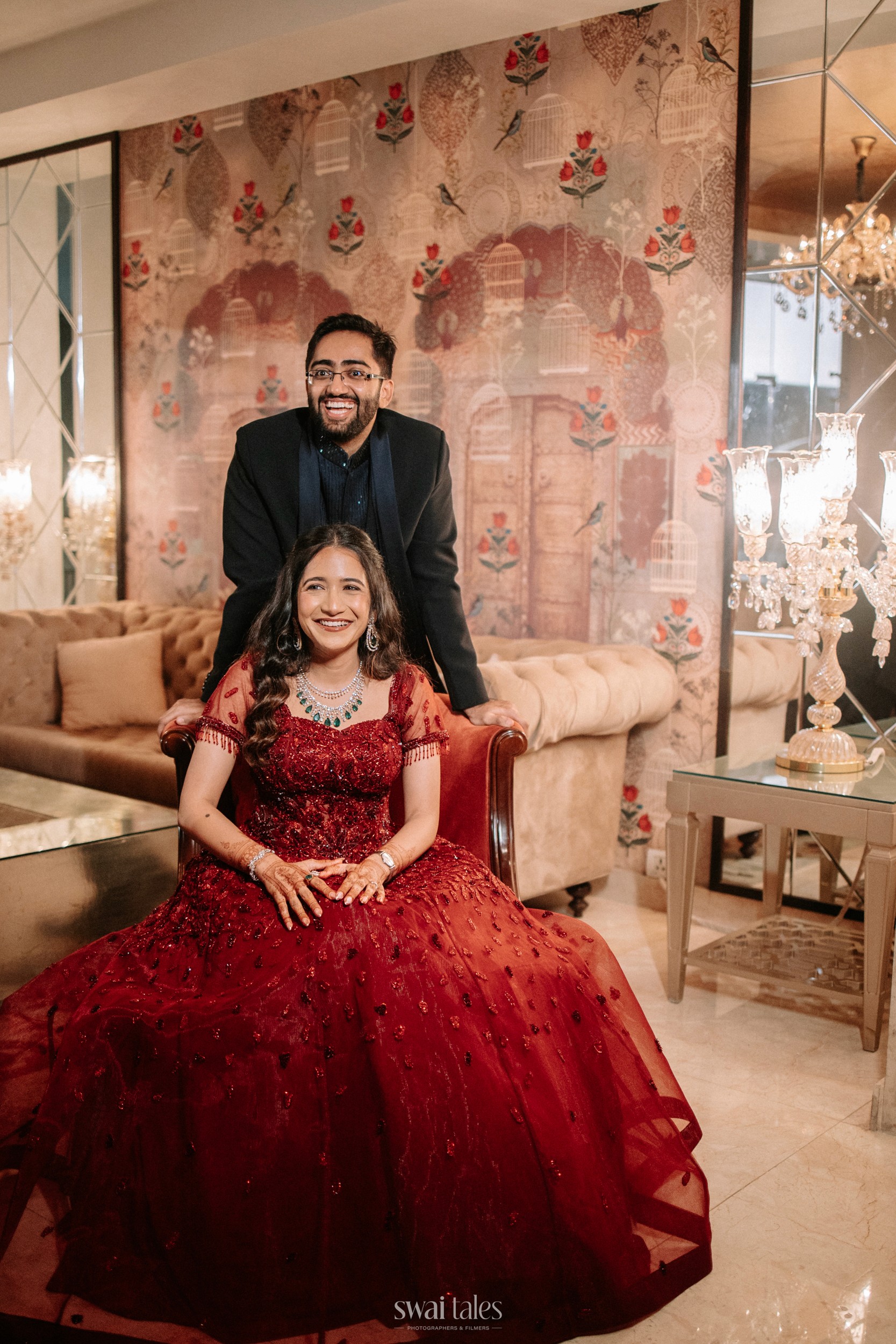
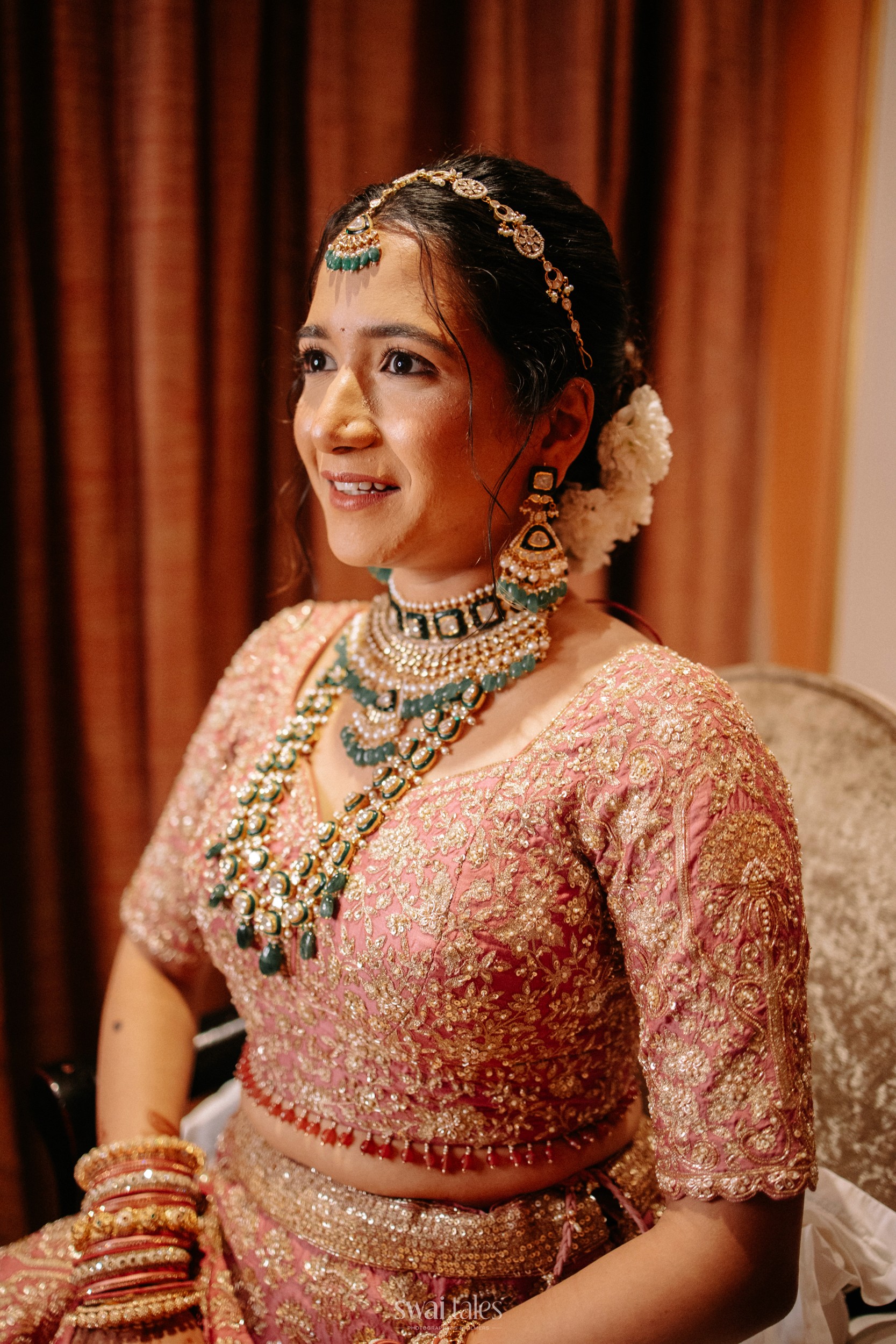
When Abhishika first wrote to us, she was direct: she wanted everything documented. Every ceremony, every small moment, every face in the crowd. She had a list. She had references. She had, if we are being honest, more energy about the photography than most photographers we know.
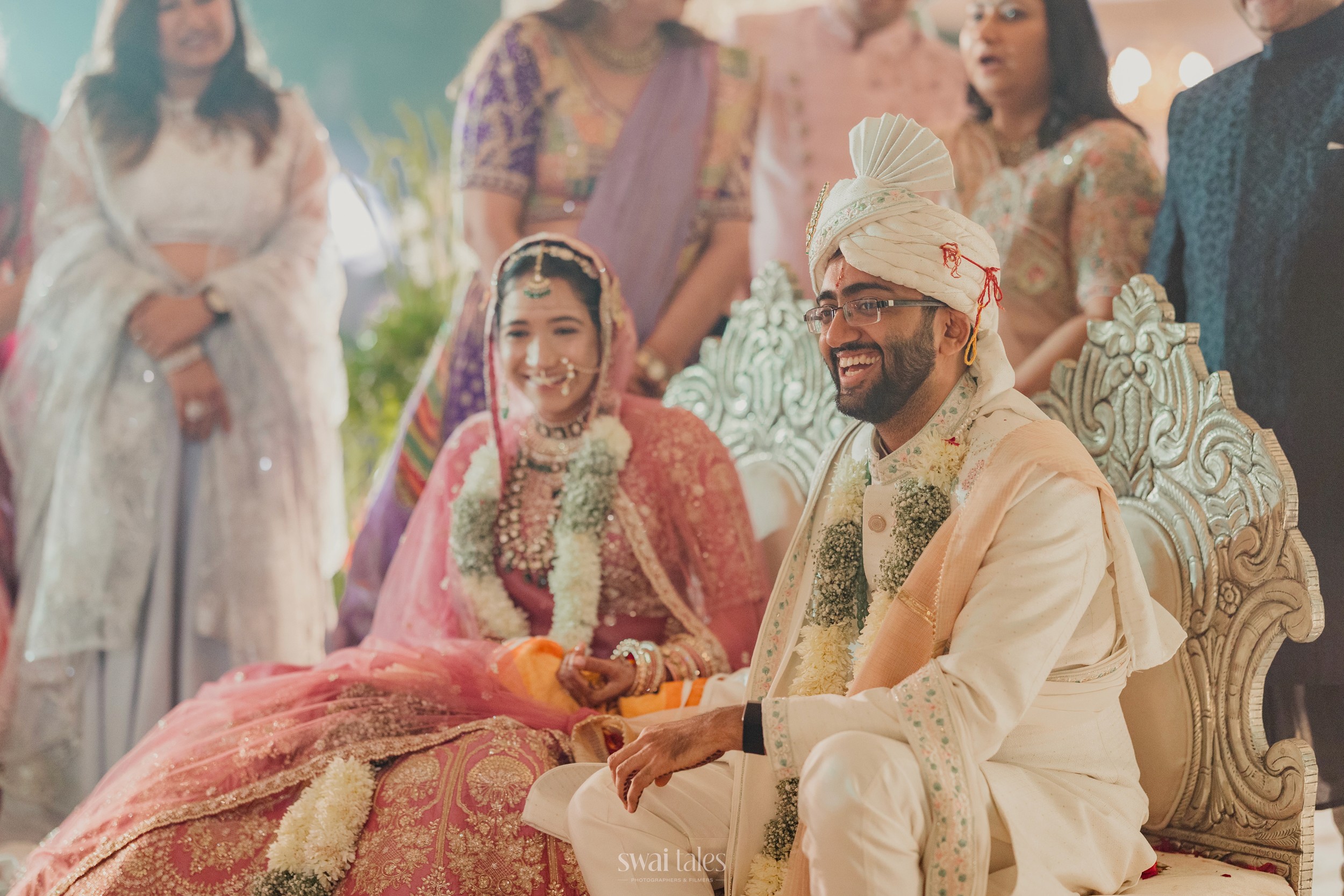
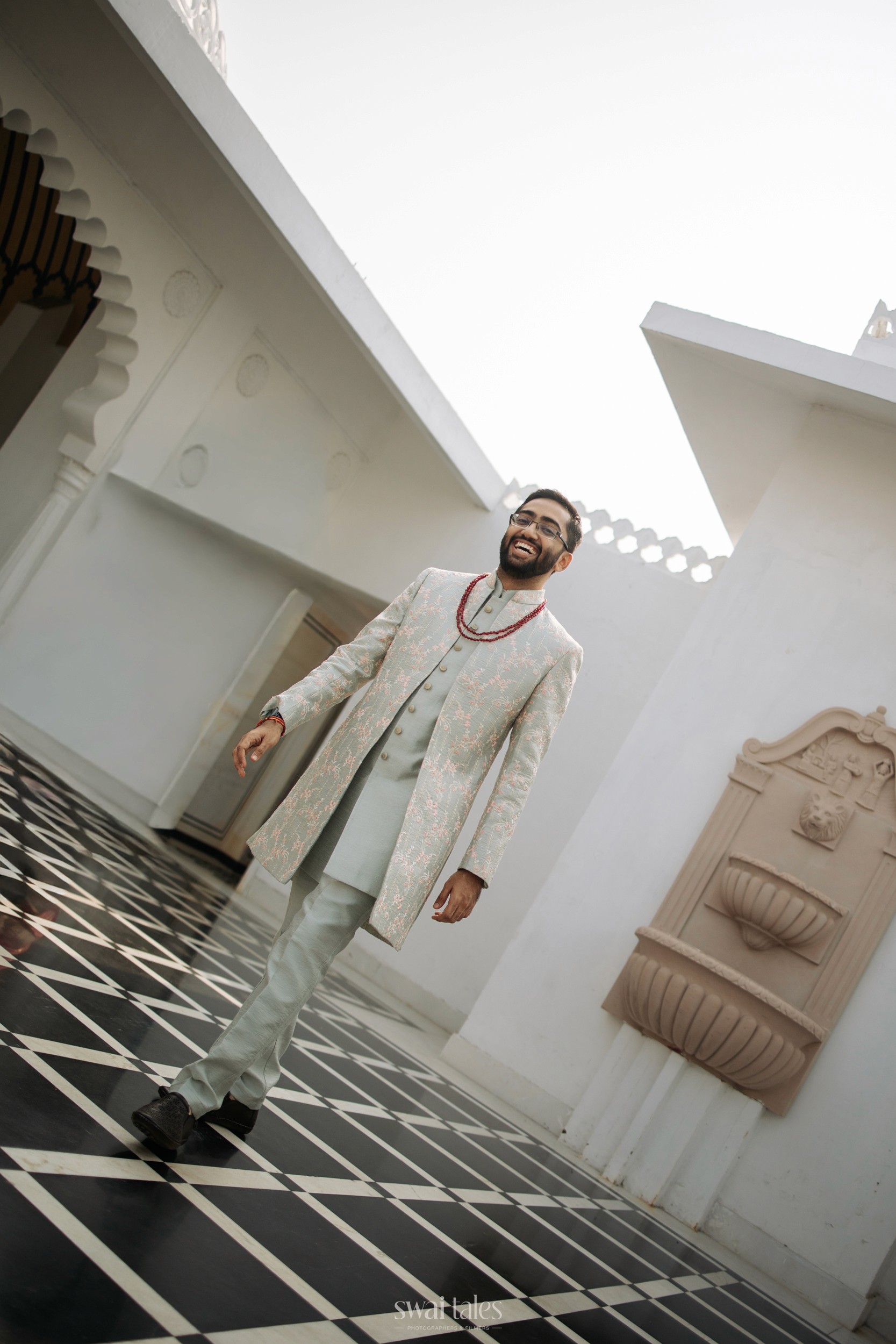
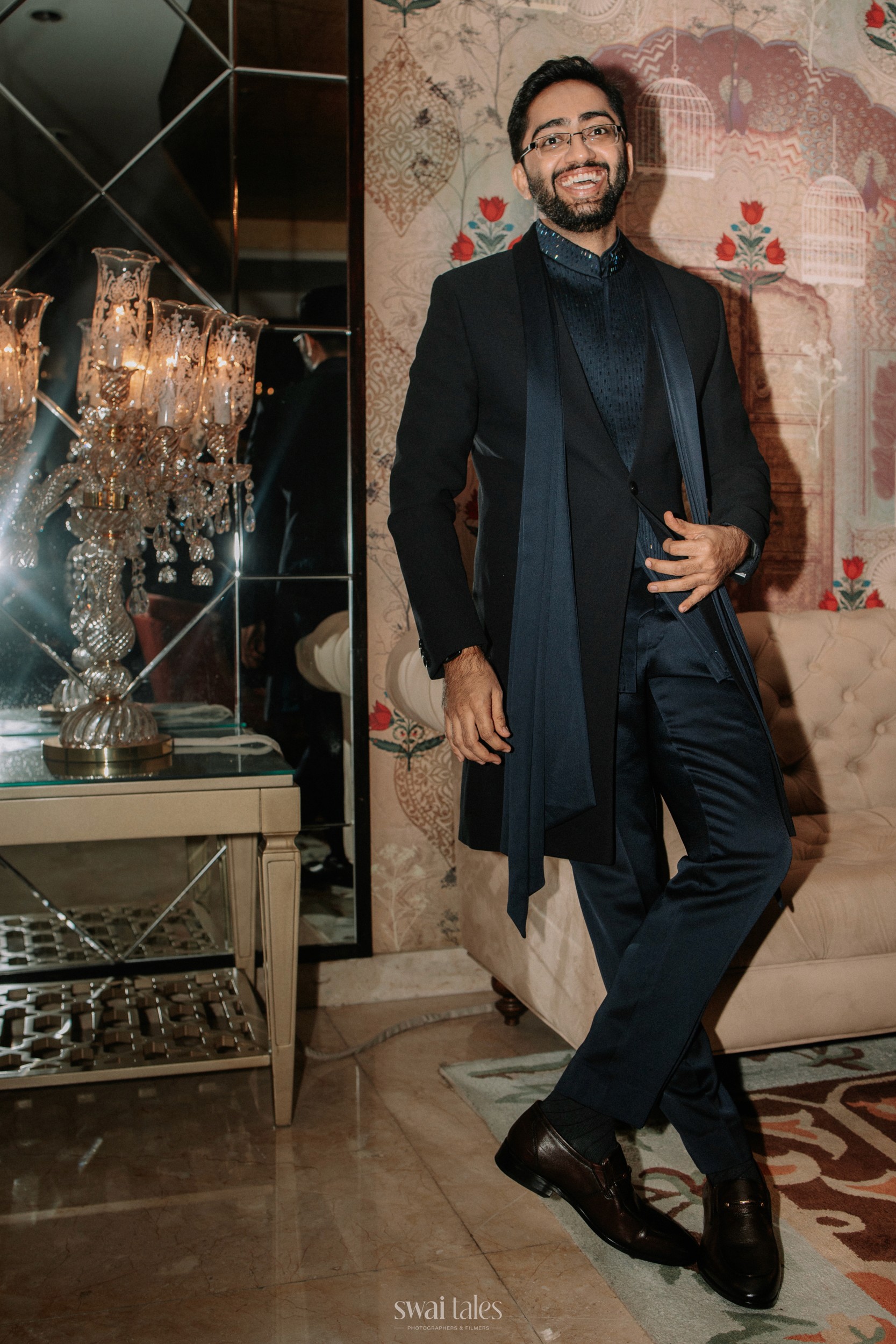
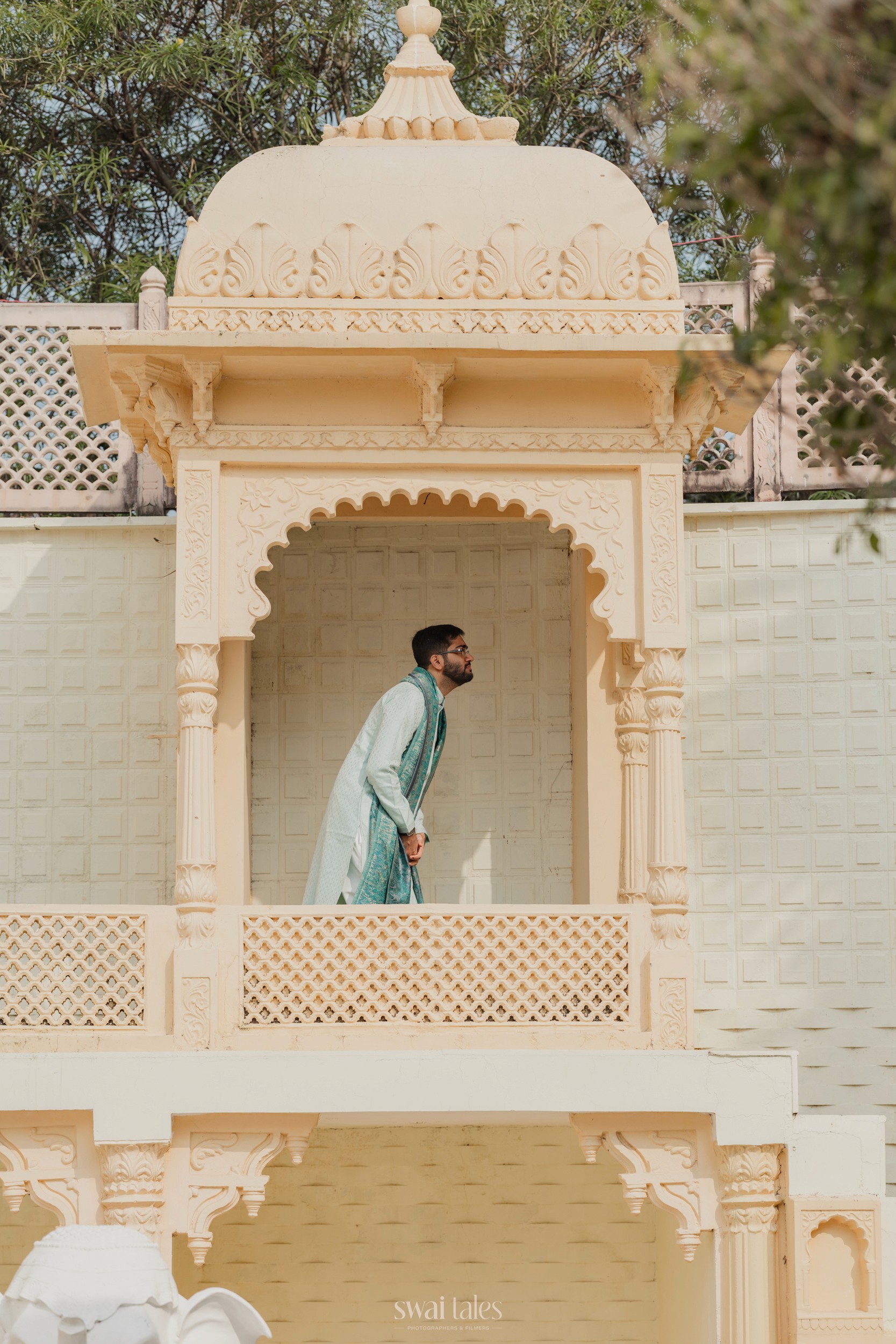
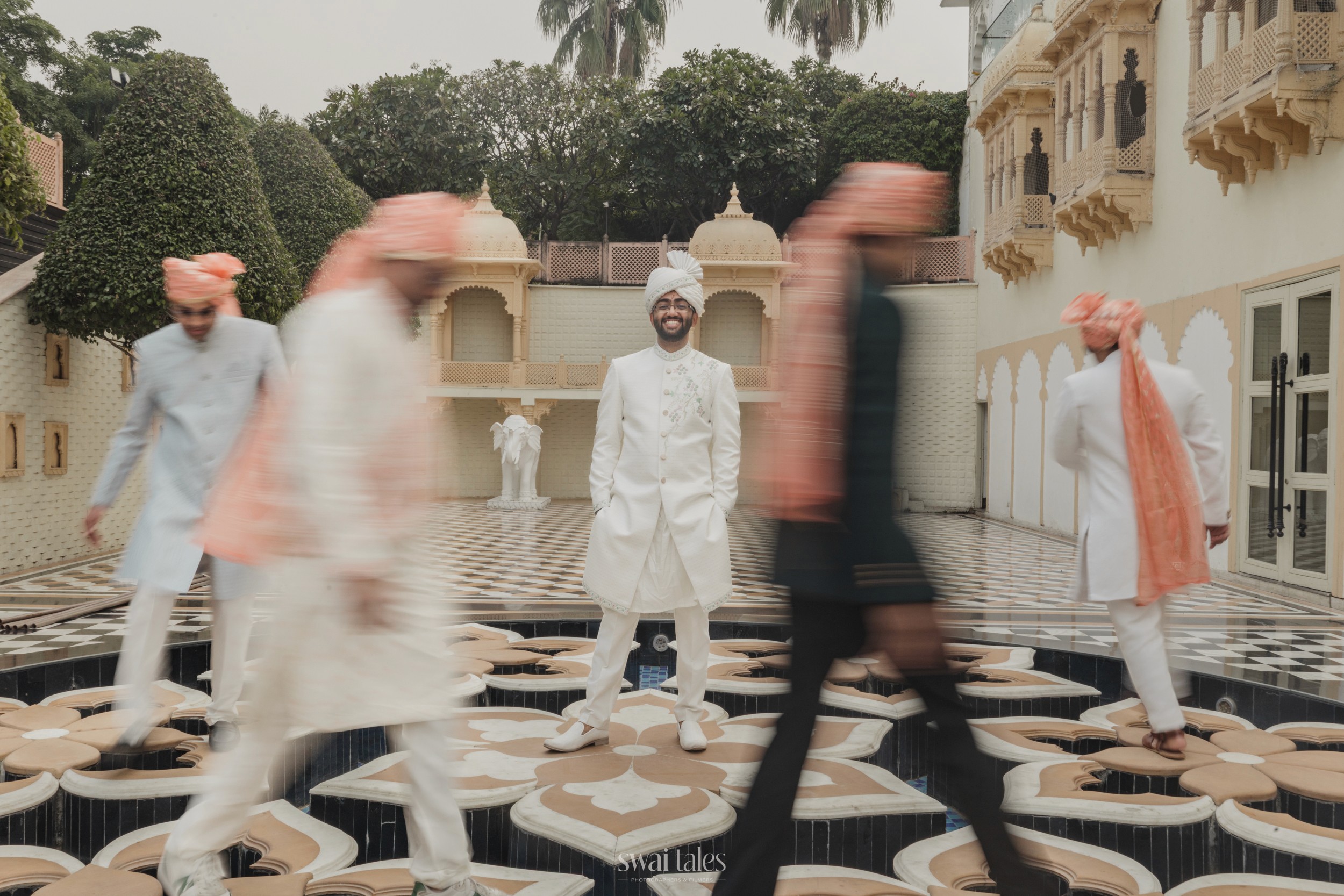
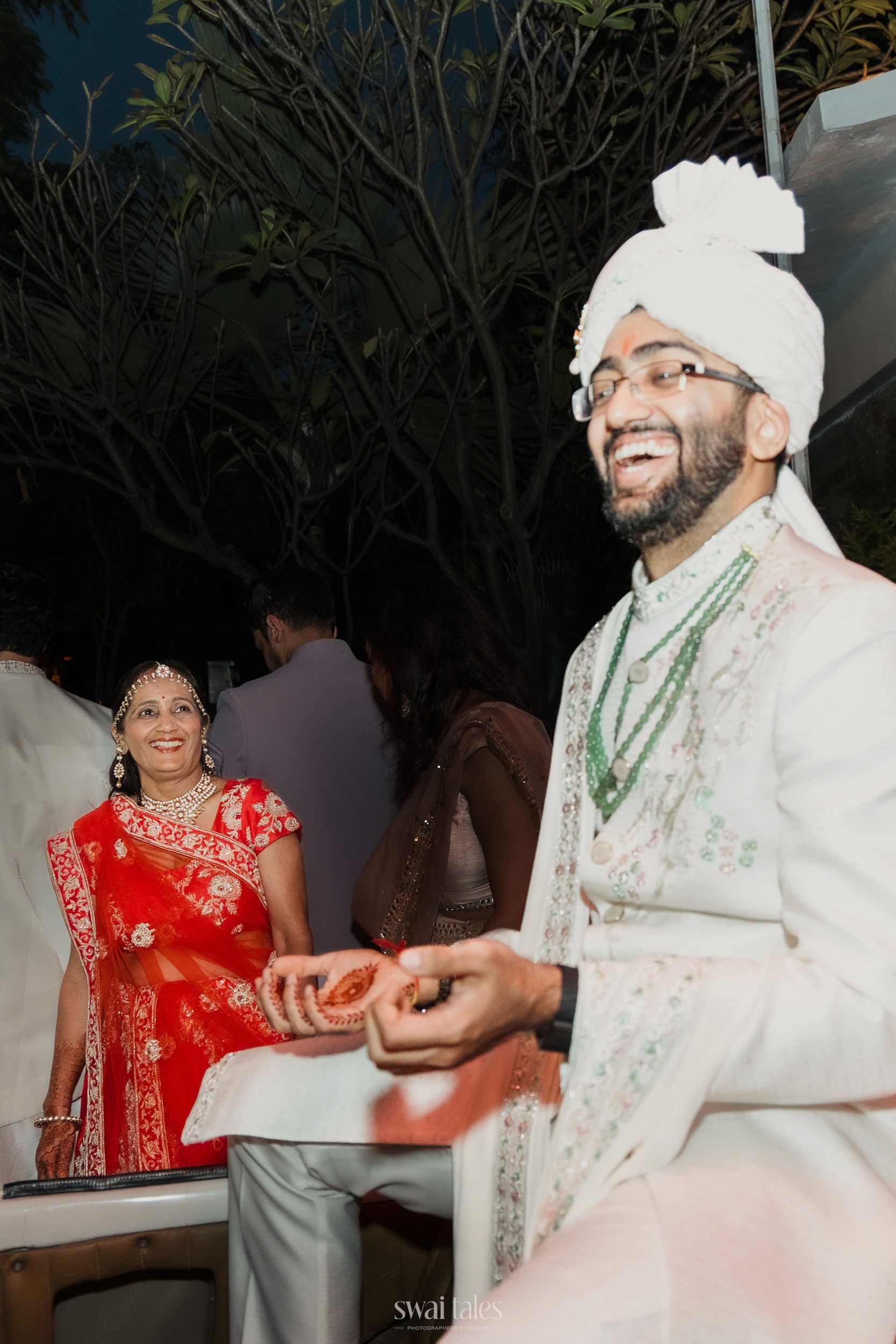
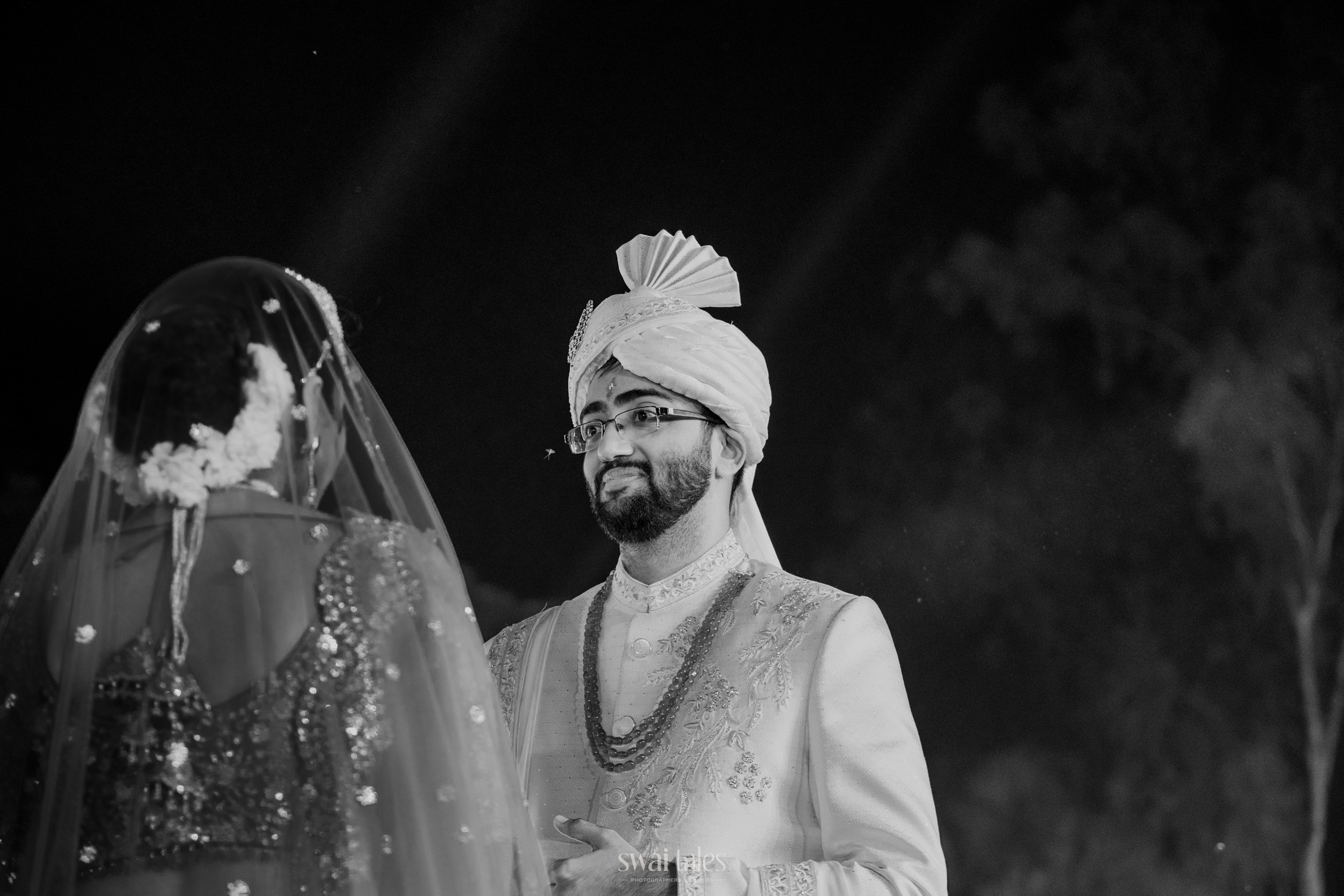
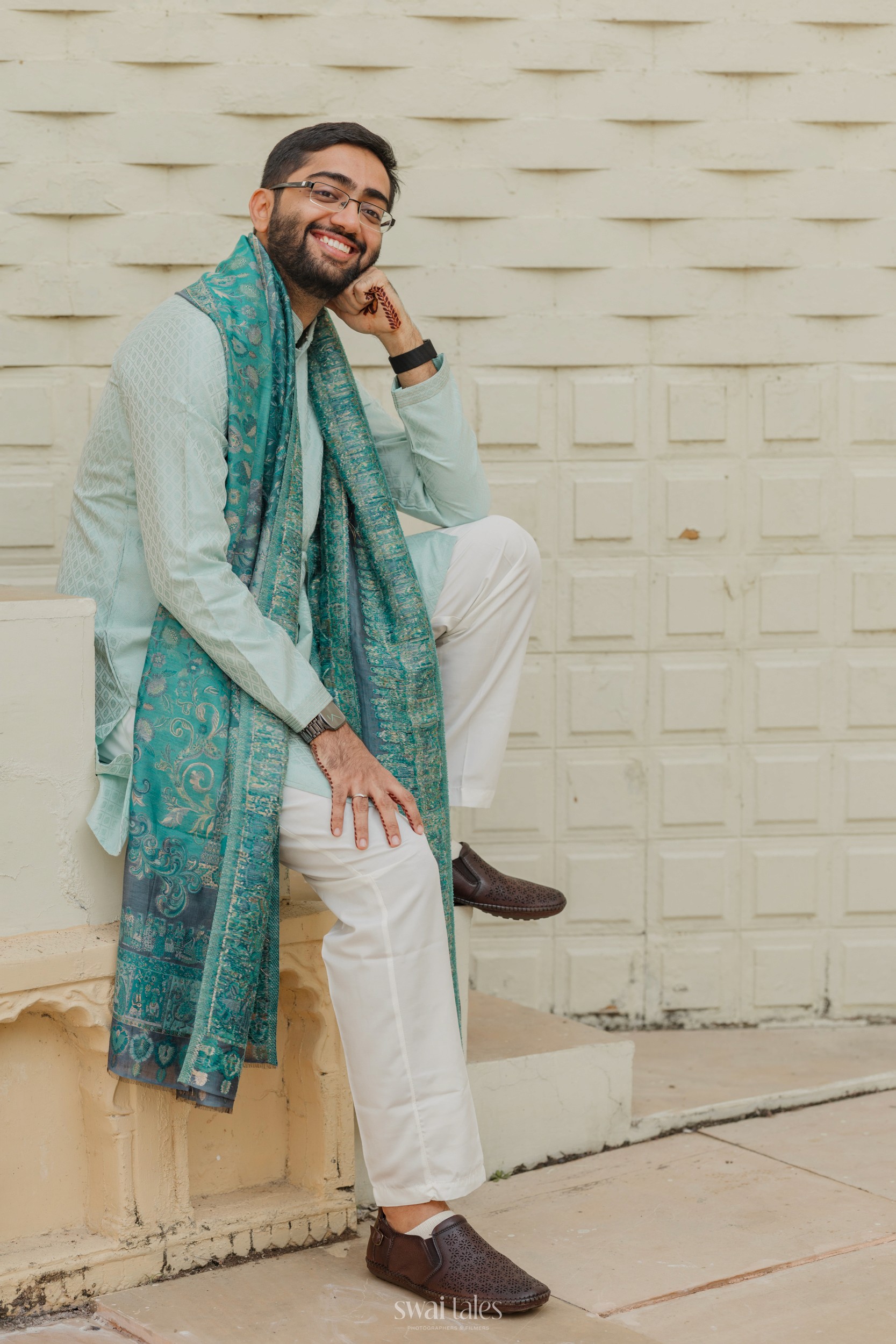
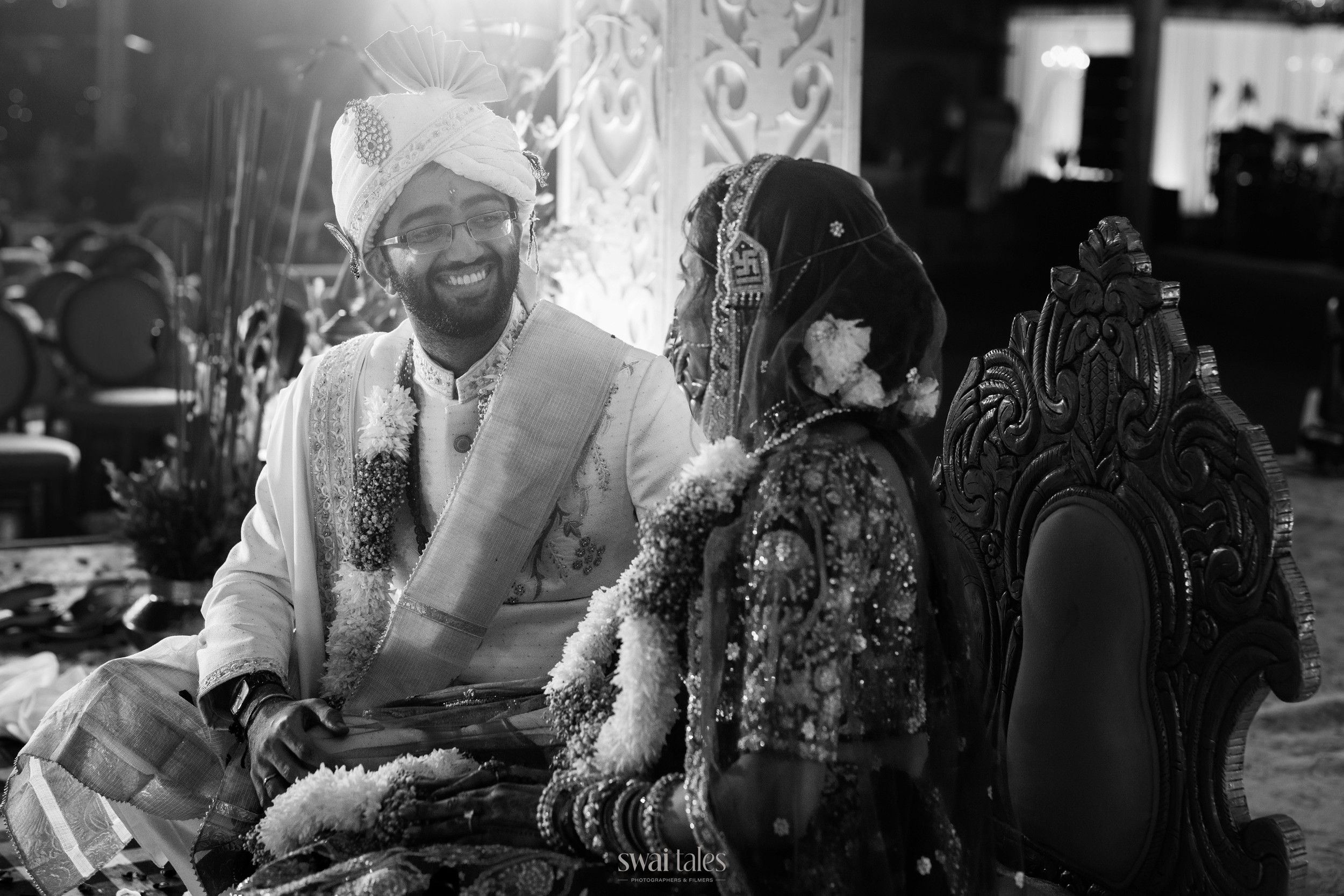
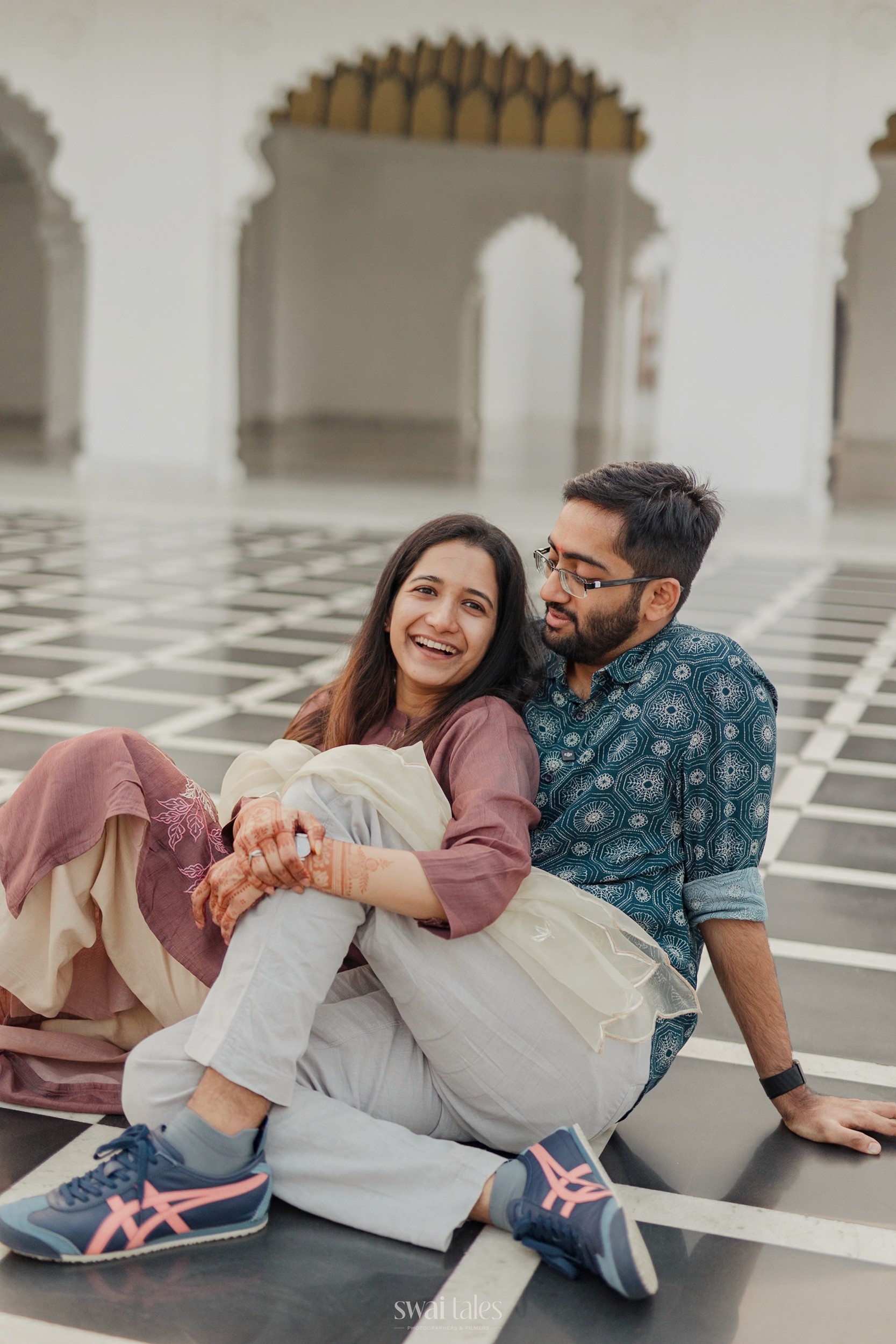
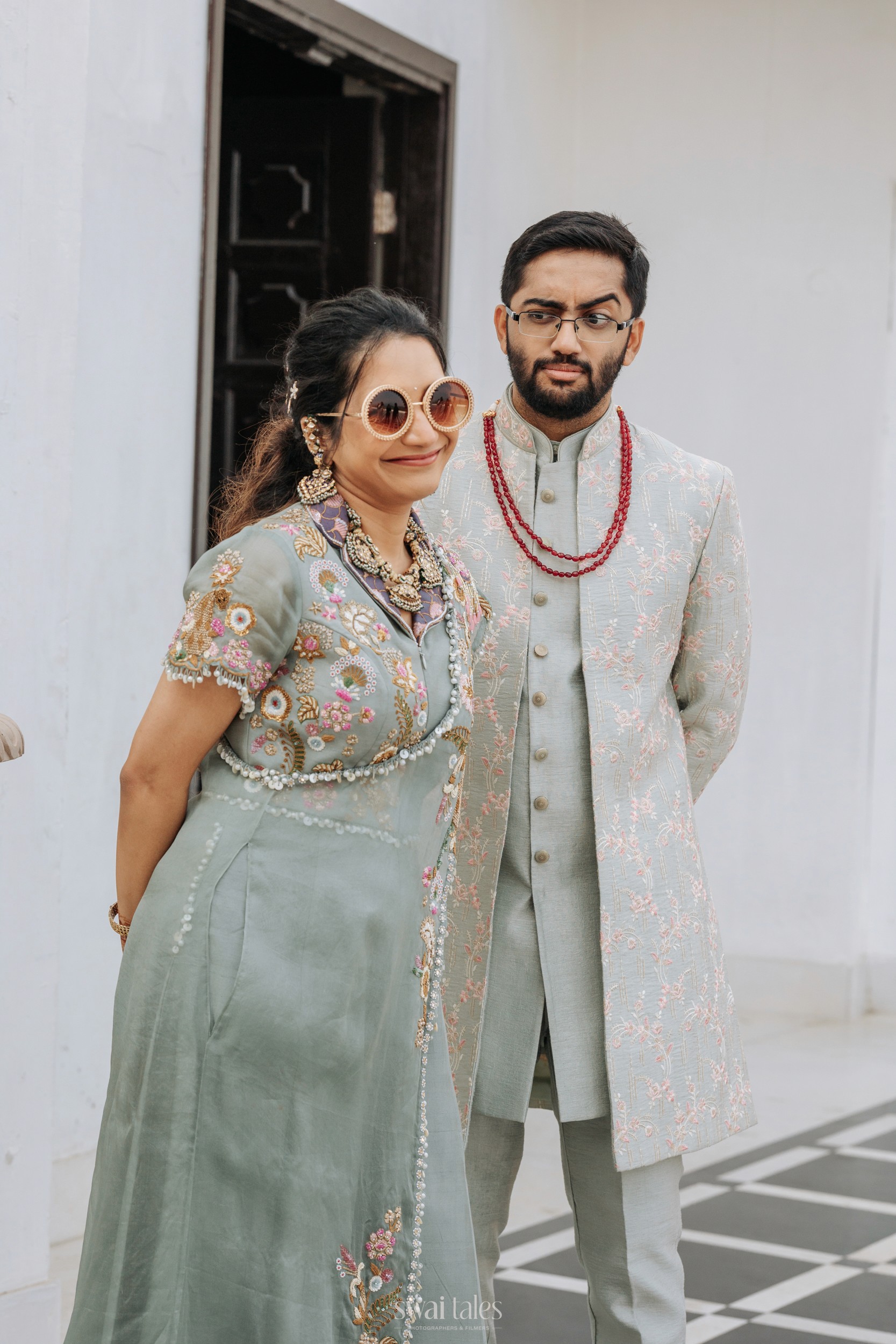
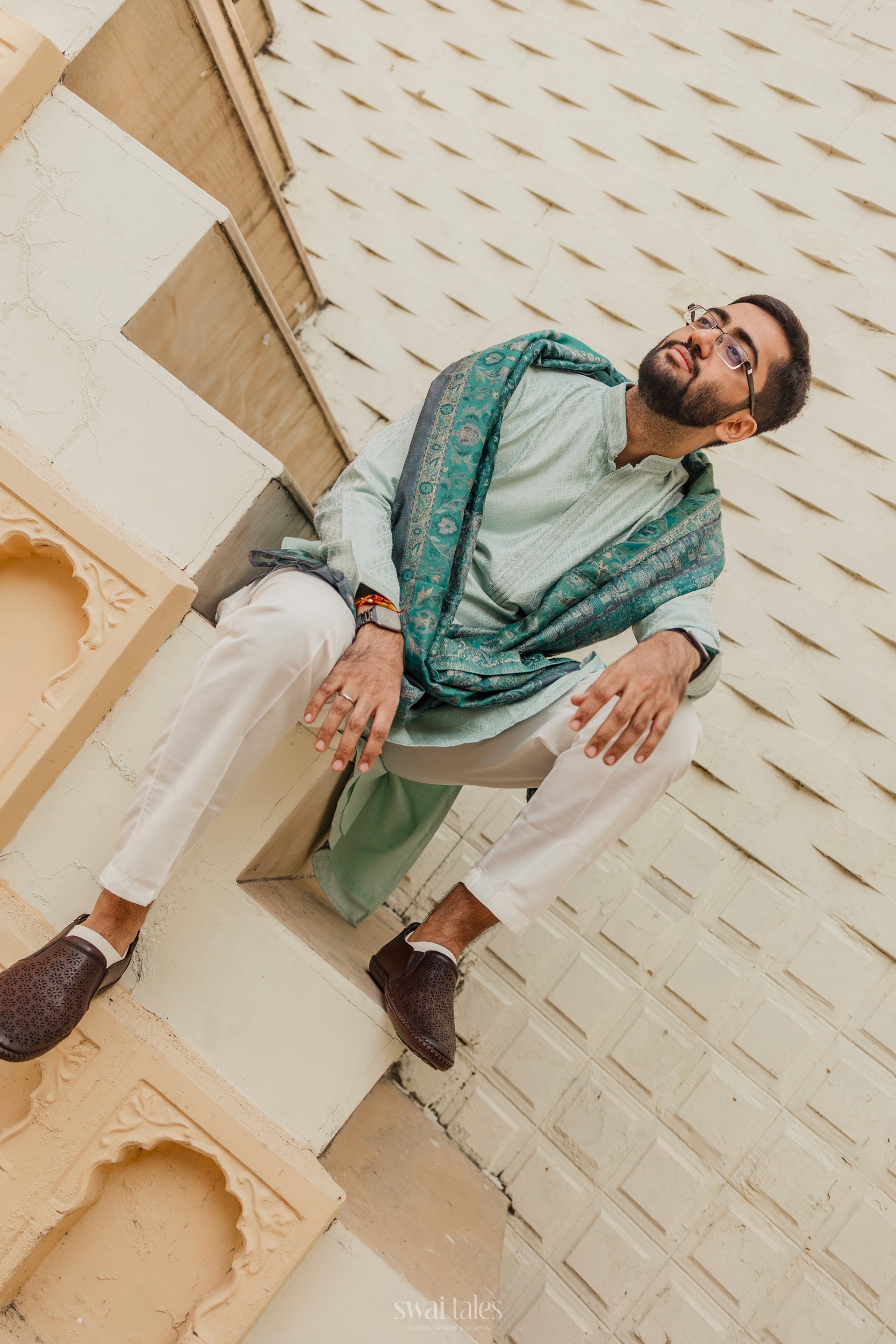
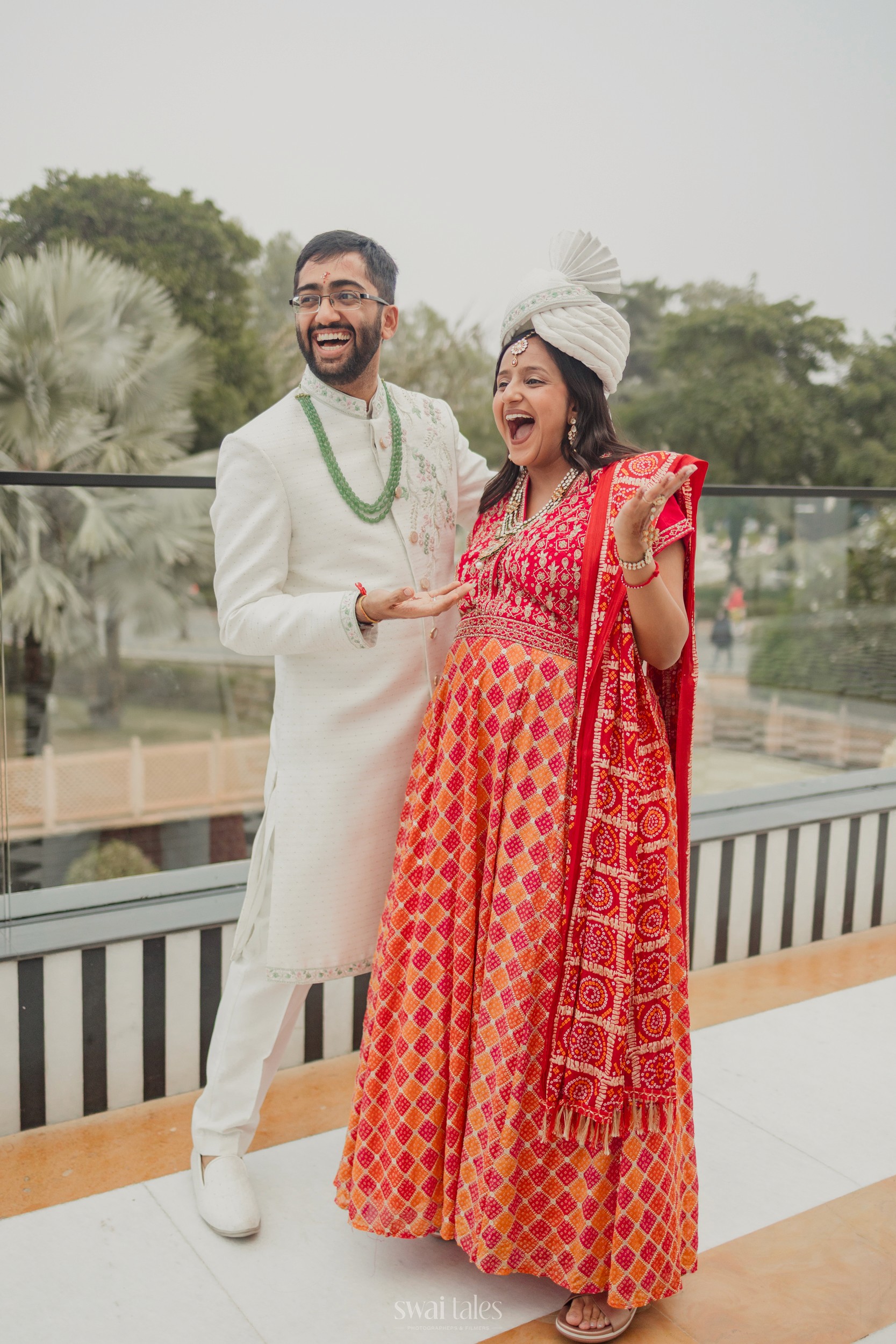
Anish had two words when we asked him what he wanted from the coverage: just real.
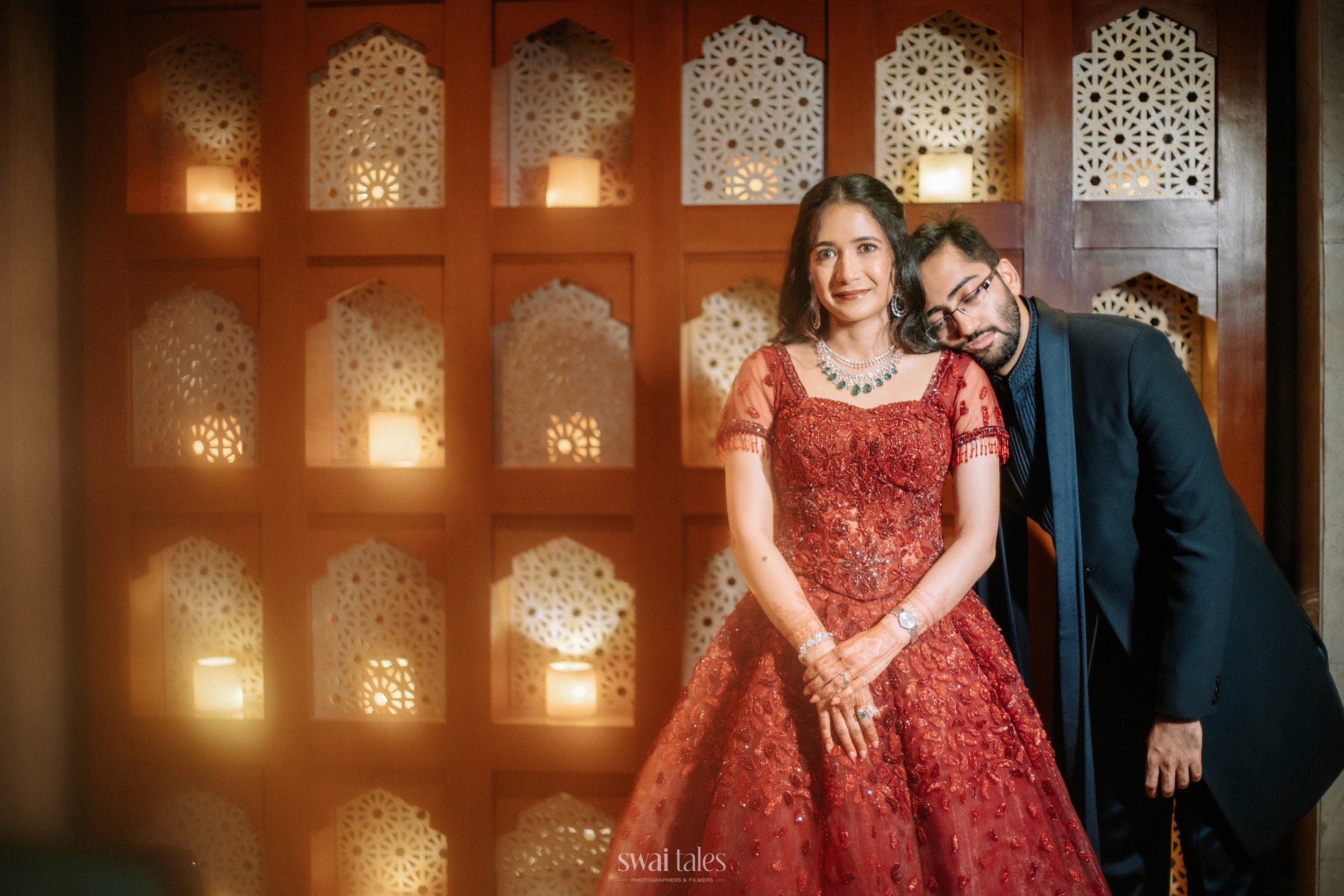
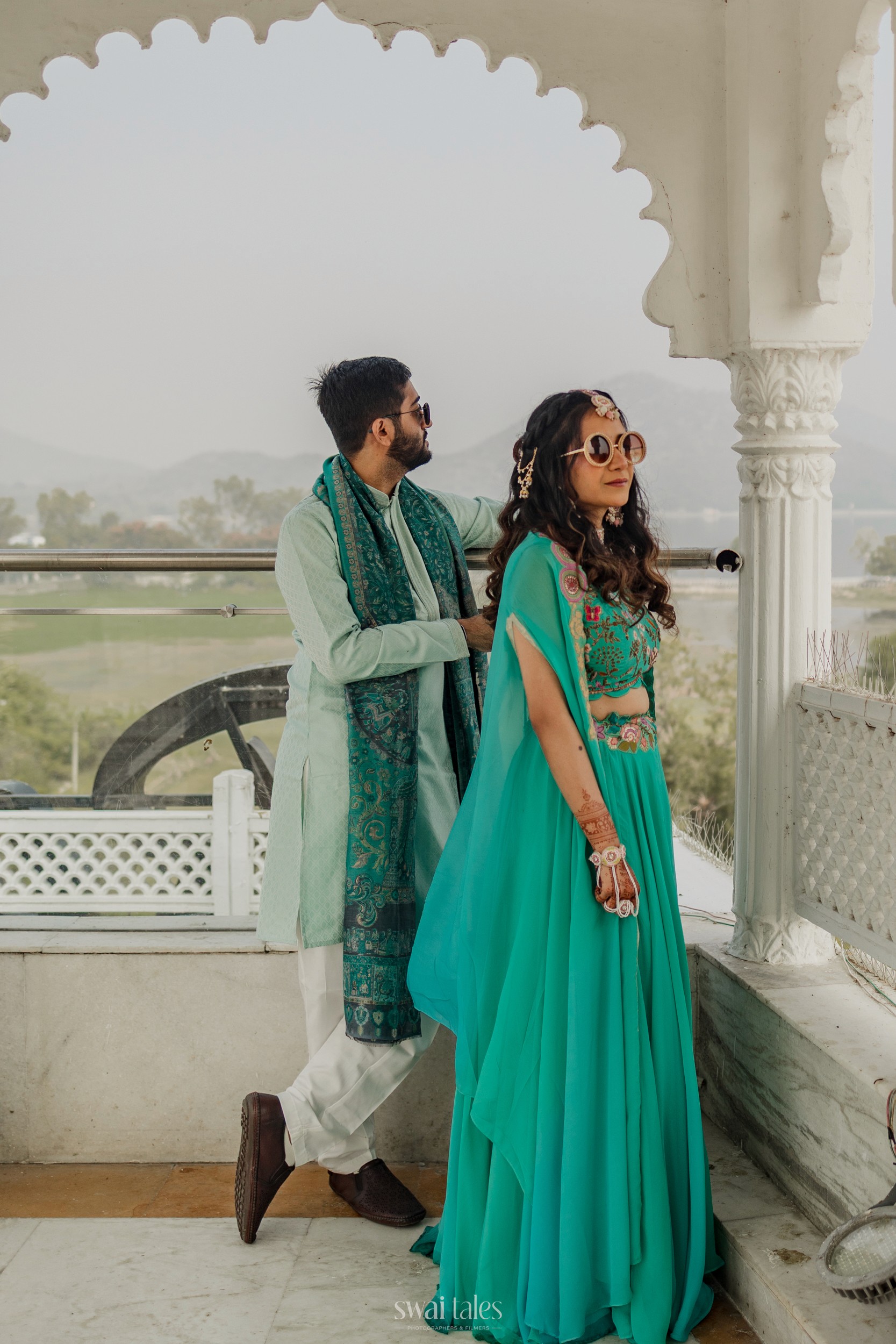
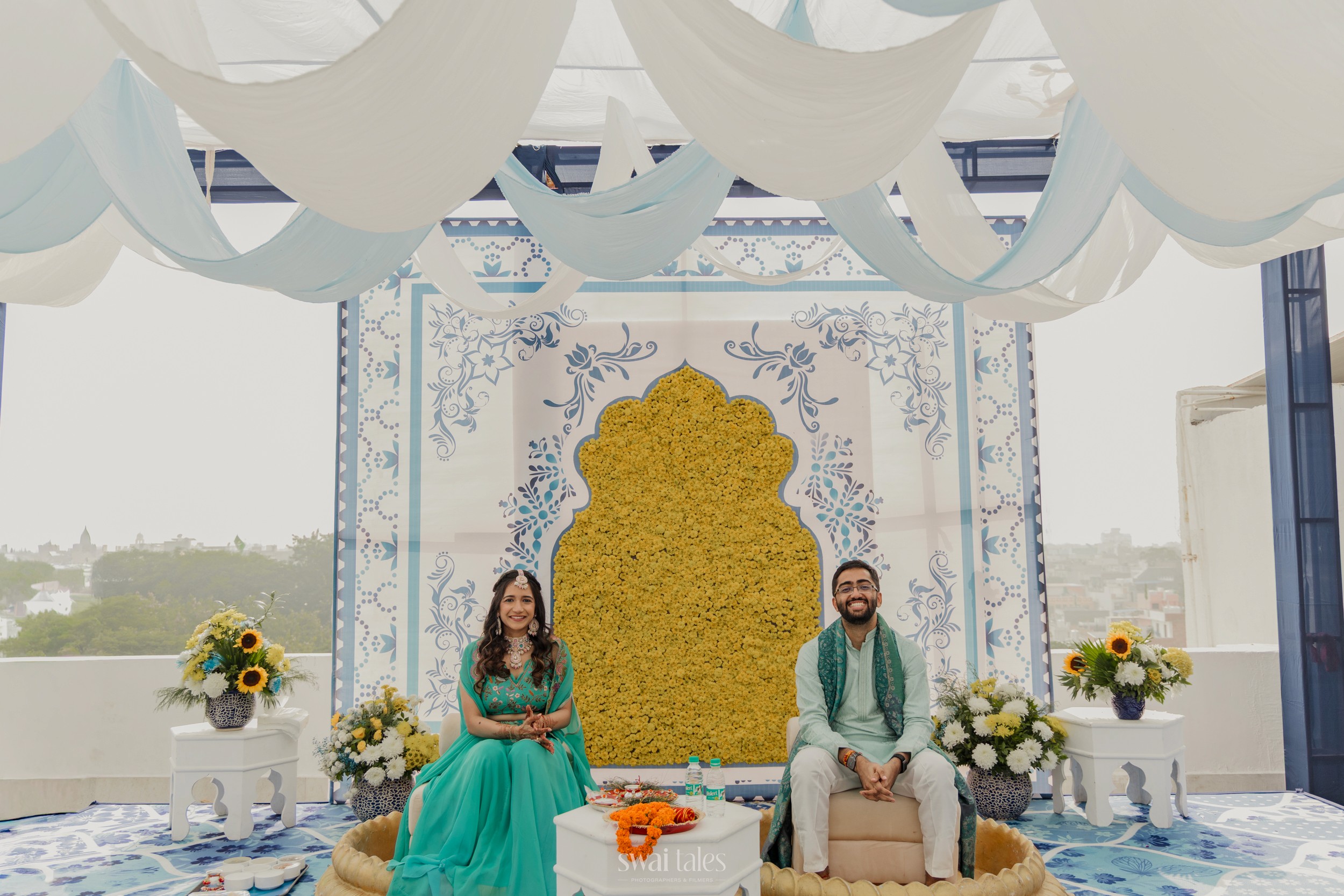
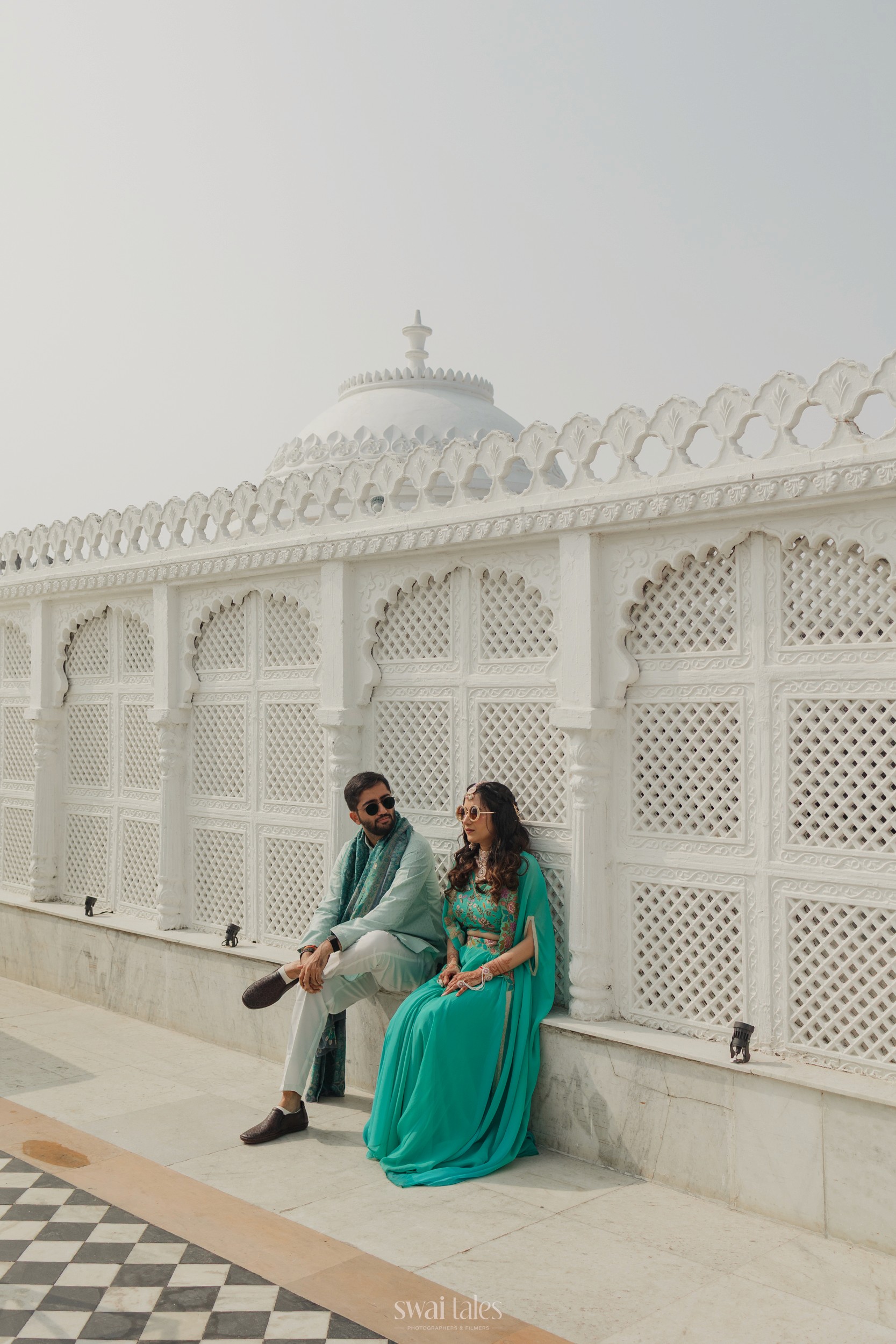
He was not, he clarified cheerfully, a photographs person. He did not want to be posed. He did not want to be pulled aside. He would cooperate with portraits because Abhishika had asked him to, but he wanted us to know upfront that his face in a planned photograph would look exactly like a man who knows a photograph is being taken.
We told him that was fine. Those are, in our experience, often the most interesting subjects.
The Mayra
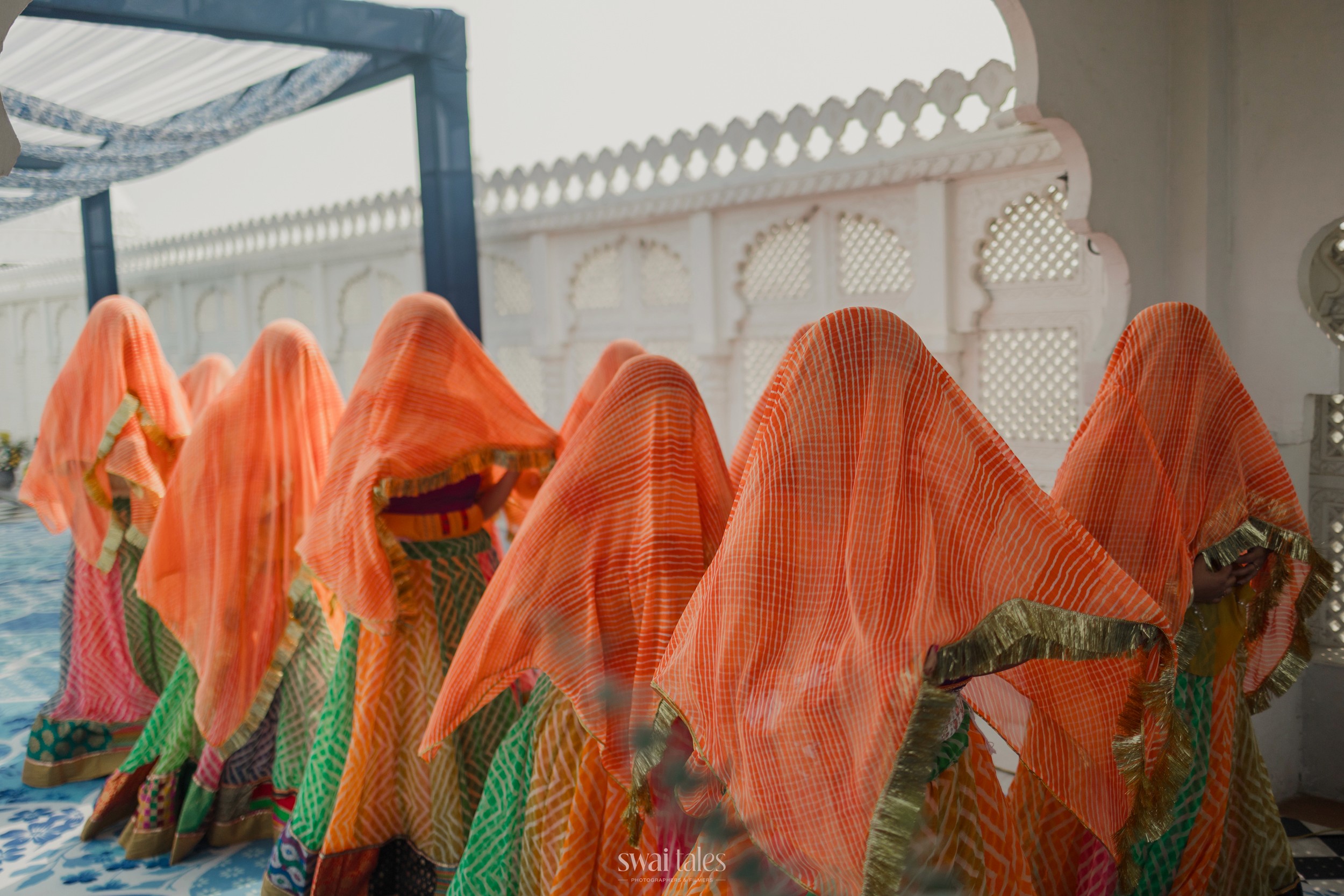
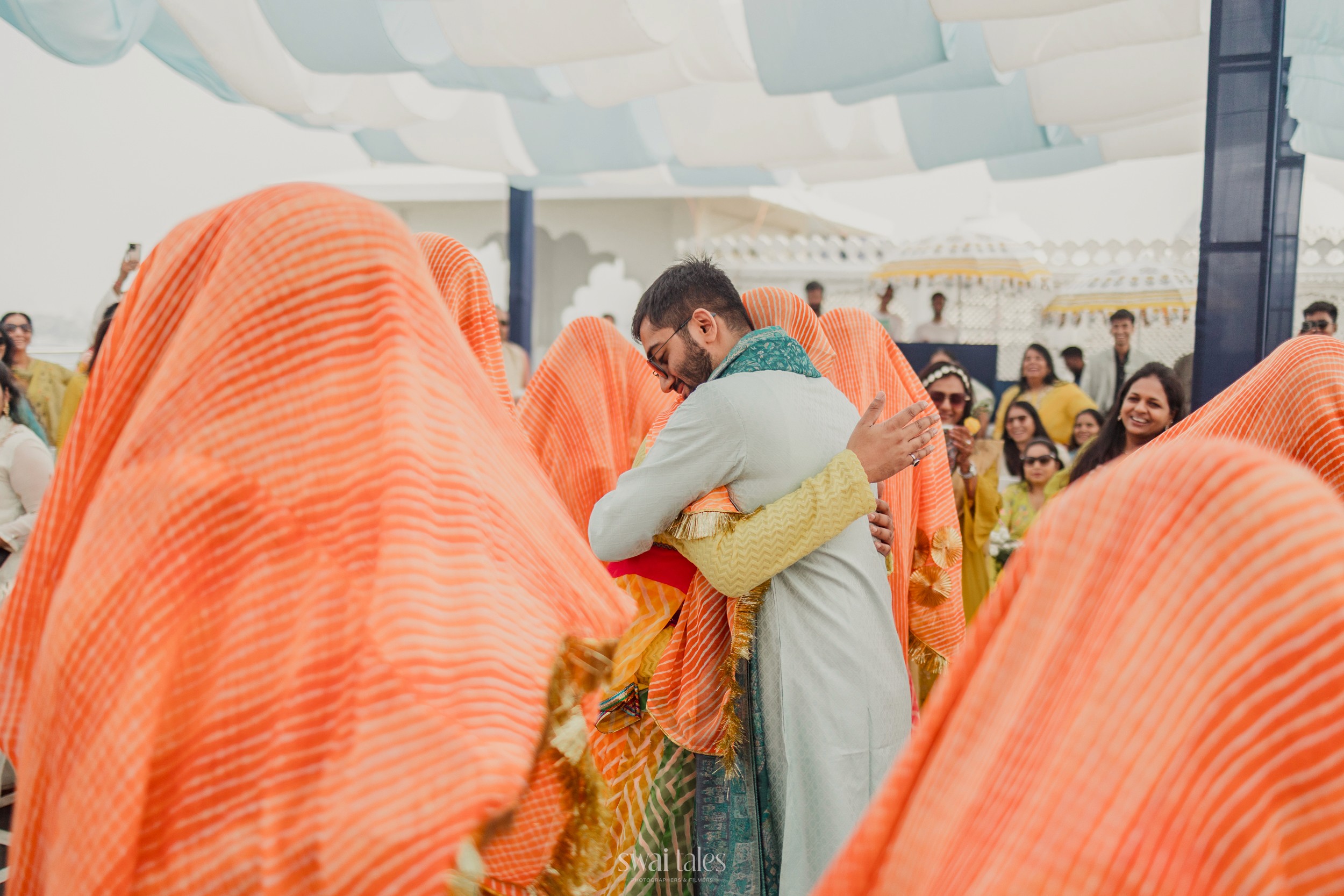
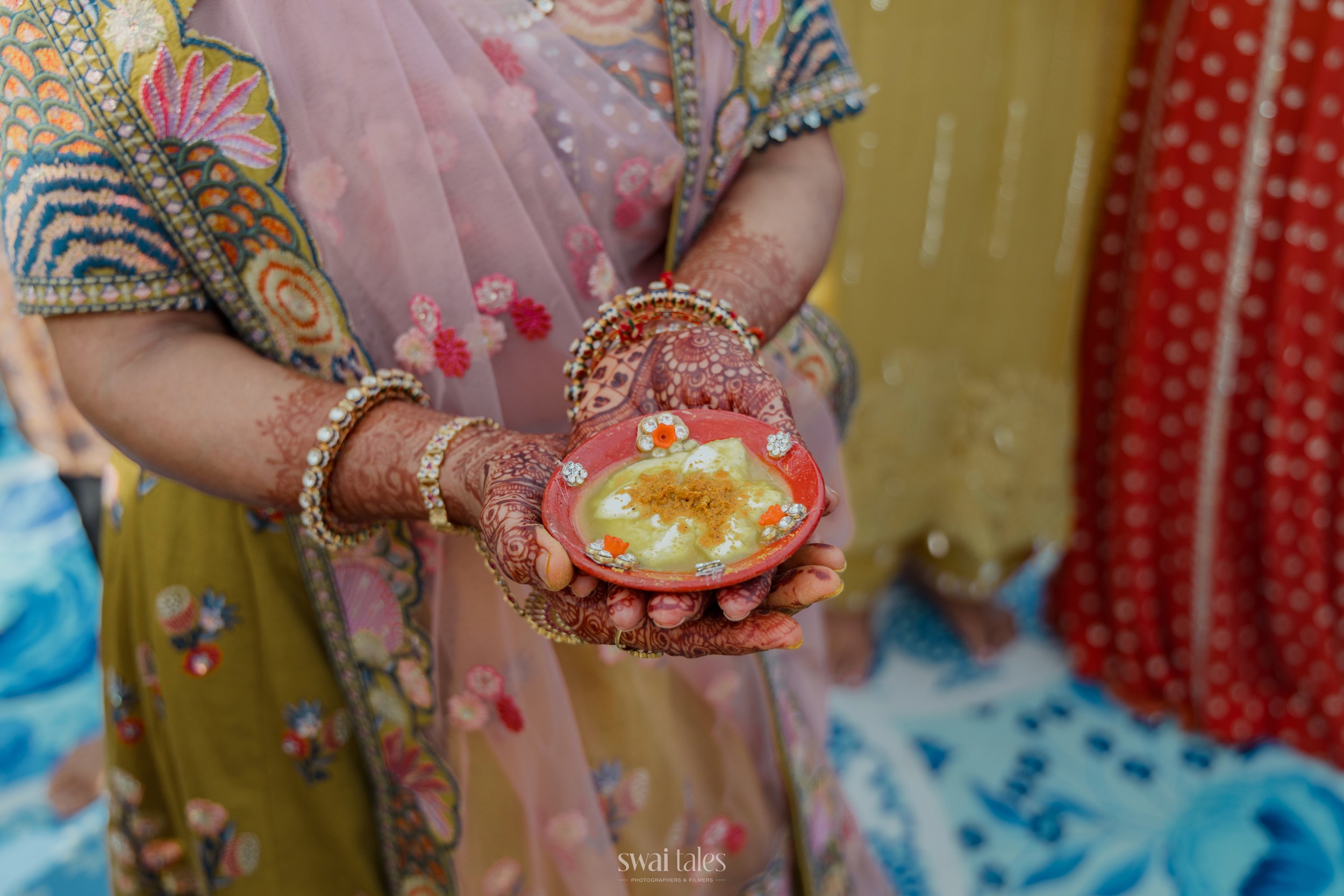
The Mayra — the ceremony in which the bride's maternal uncle arrives with gifts for her — is one of the most tender rituals in a Marwadi wedding calendar.It is a man arriving with his arms full, and his niece receiving what he has brought, and the weight of that moment being understood by everyone in the room without a word being spoken.
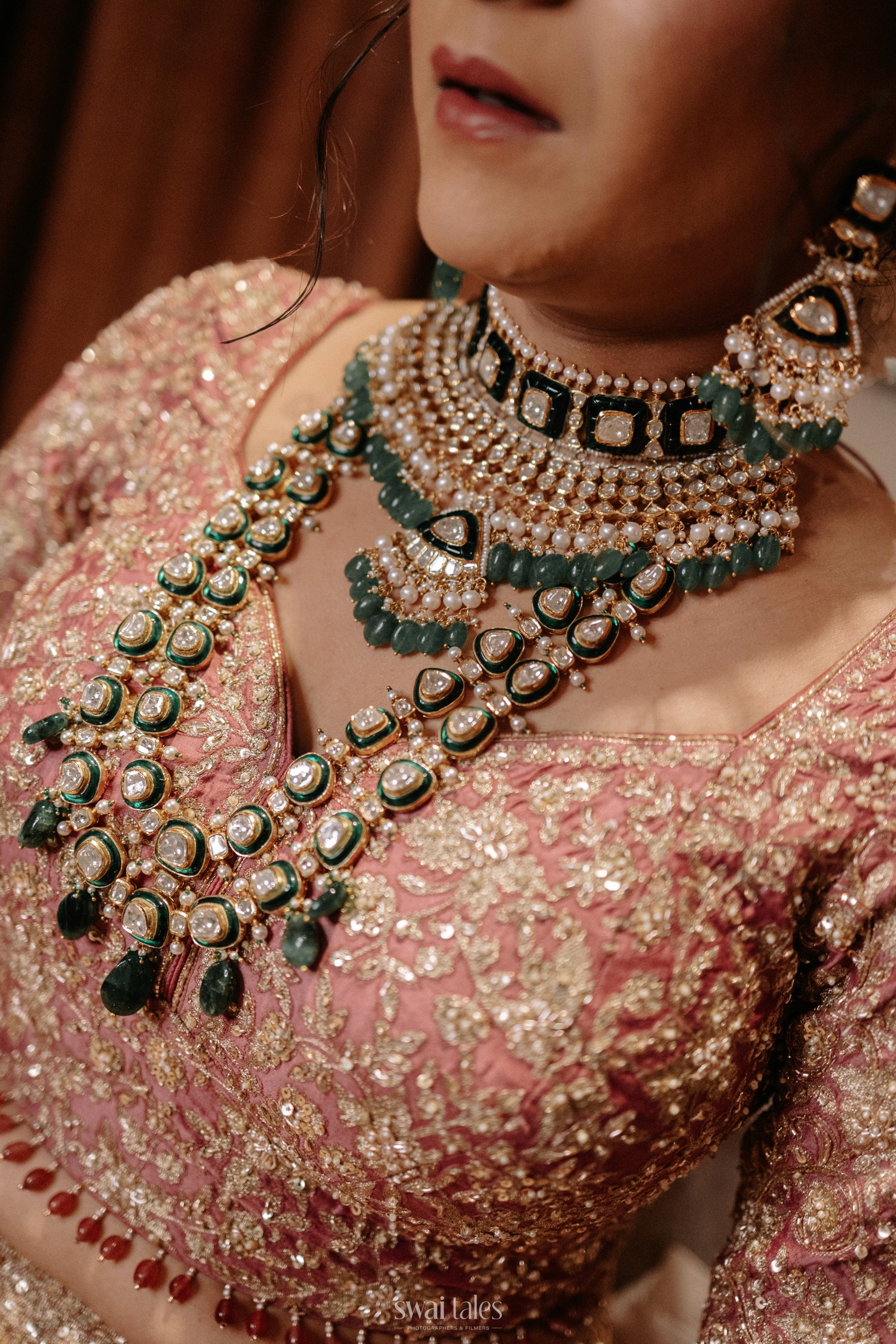
Abhishika's mama had travelled from Mumbai . He came with the traditional gifts — clothes, jewellery, sweets — And loads of blessings for her loving neice.
The Mehendi
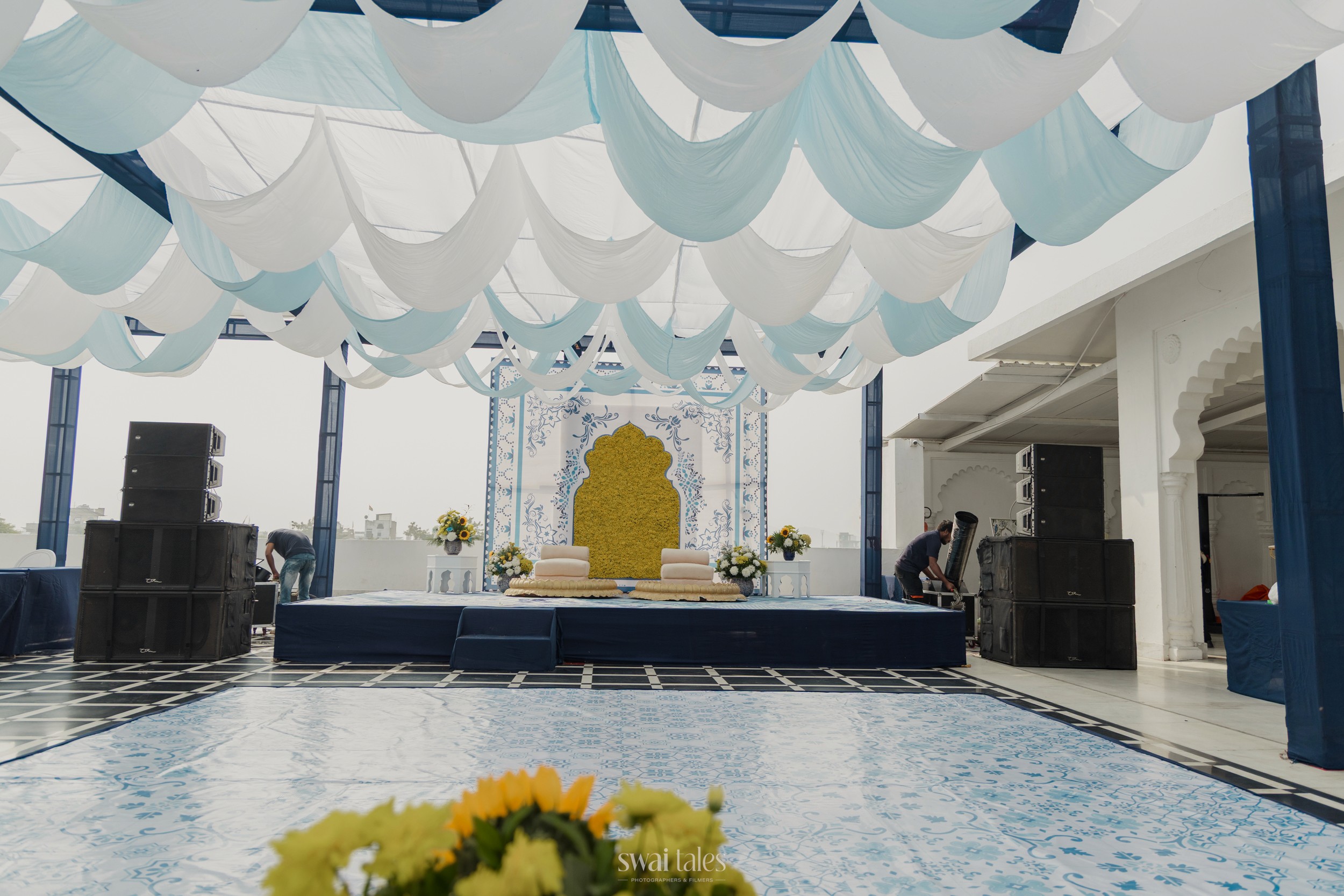
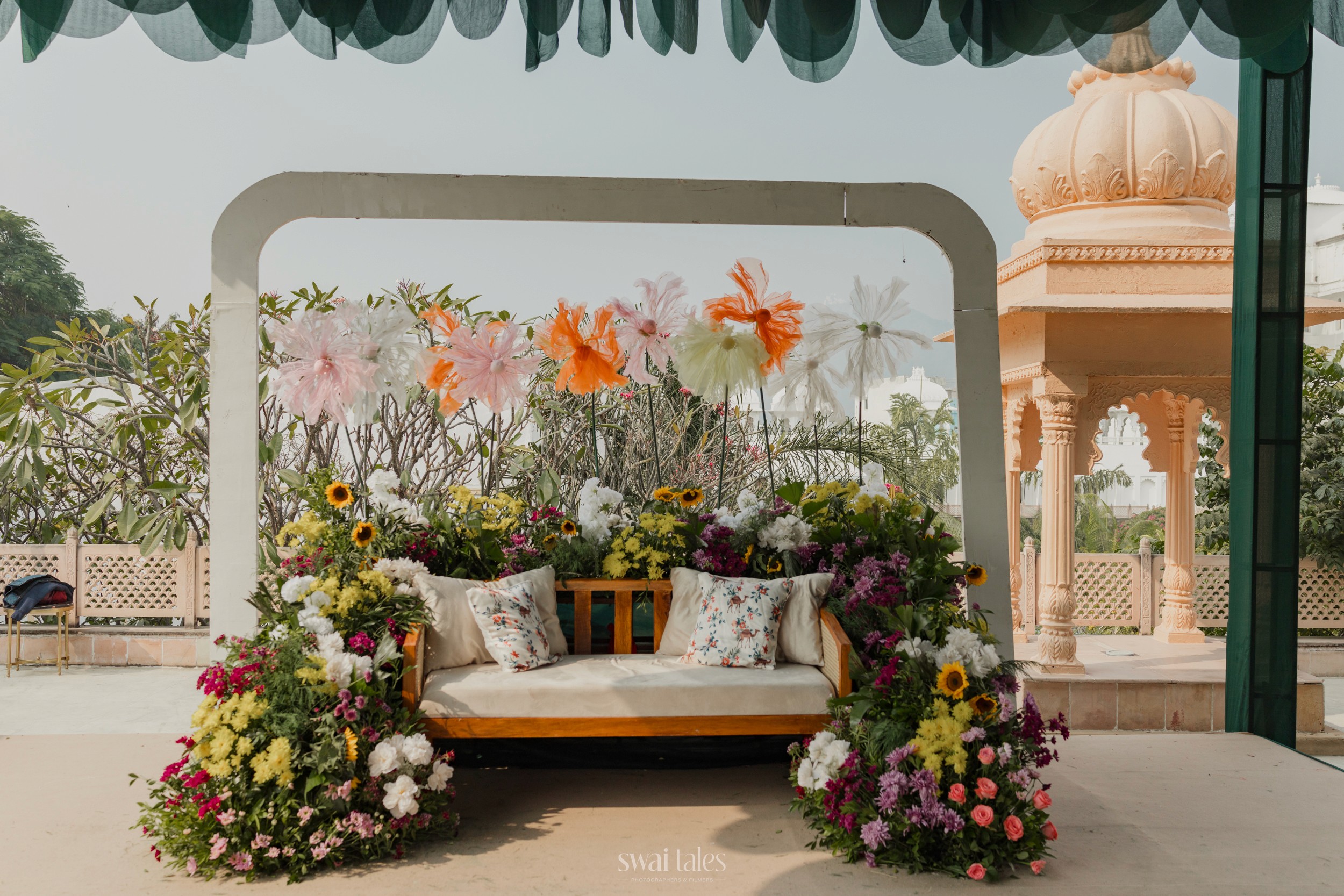
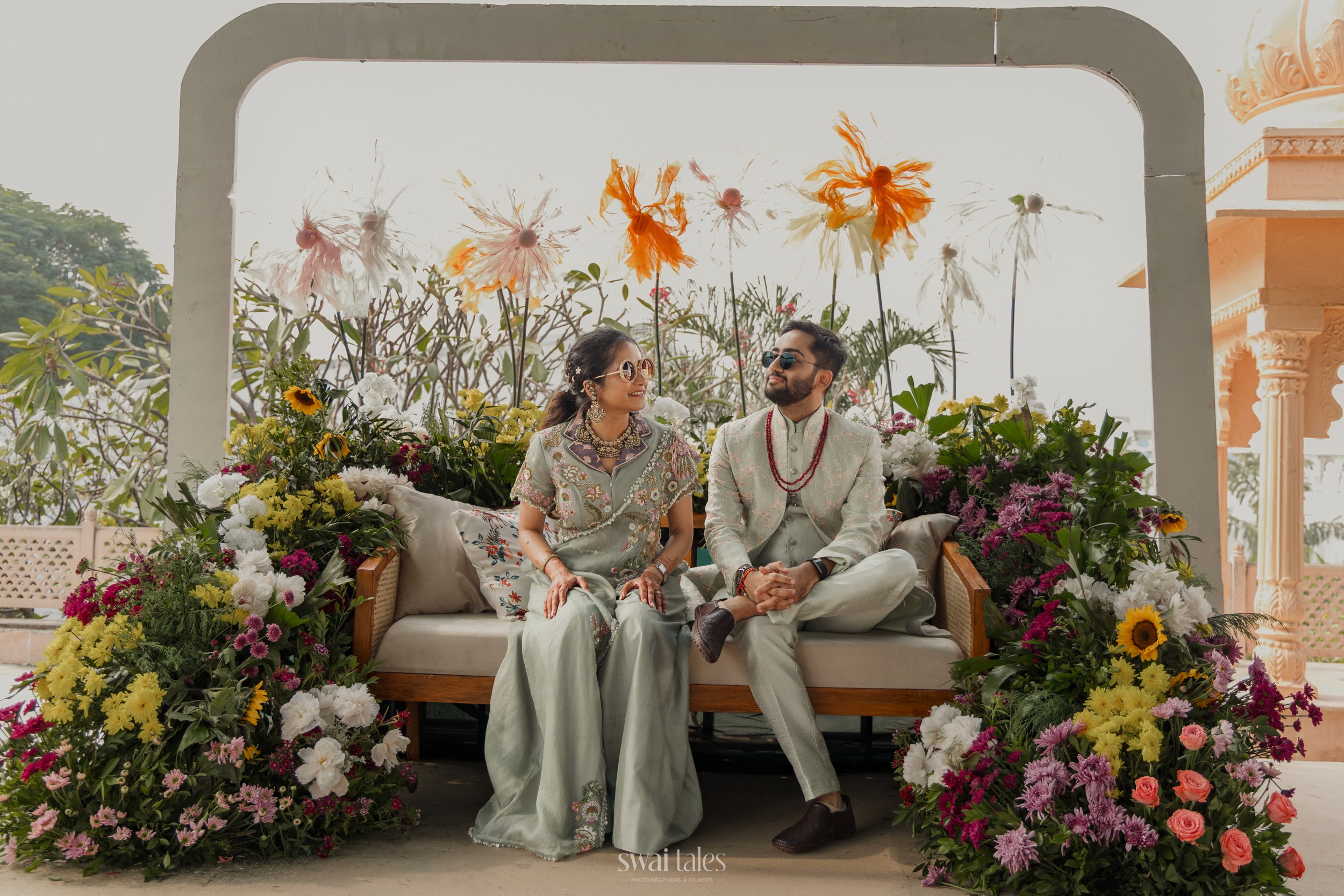
Abhishika's Mehendi was held in one of the Radisson Blu's open-air courtyards, late afternoon, the Aravalli hills going golden in the distance.
The henna artist worked from her fingertips inward, and Abhishika watched every stroke. She was the kind of bride who pays attention — not anxiously, but with genuine interest. She noticed when the pattern shifted from geometric to floral. She asked the artist questions. She had, at some point in the previous year, clearly done her research on Marwadi bridal mehndi design.
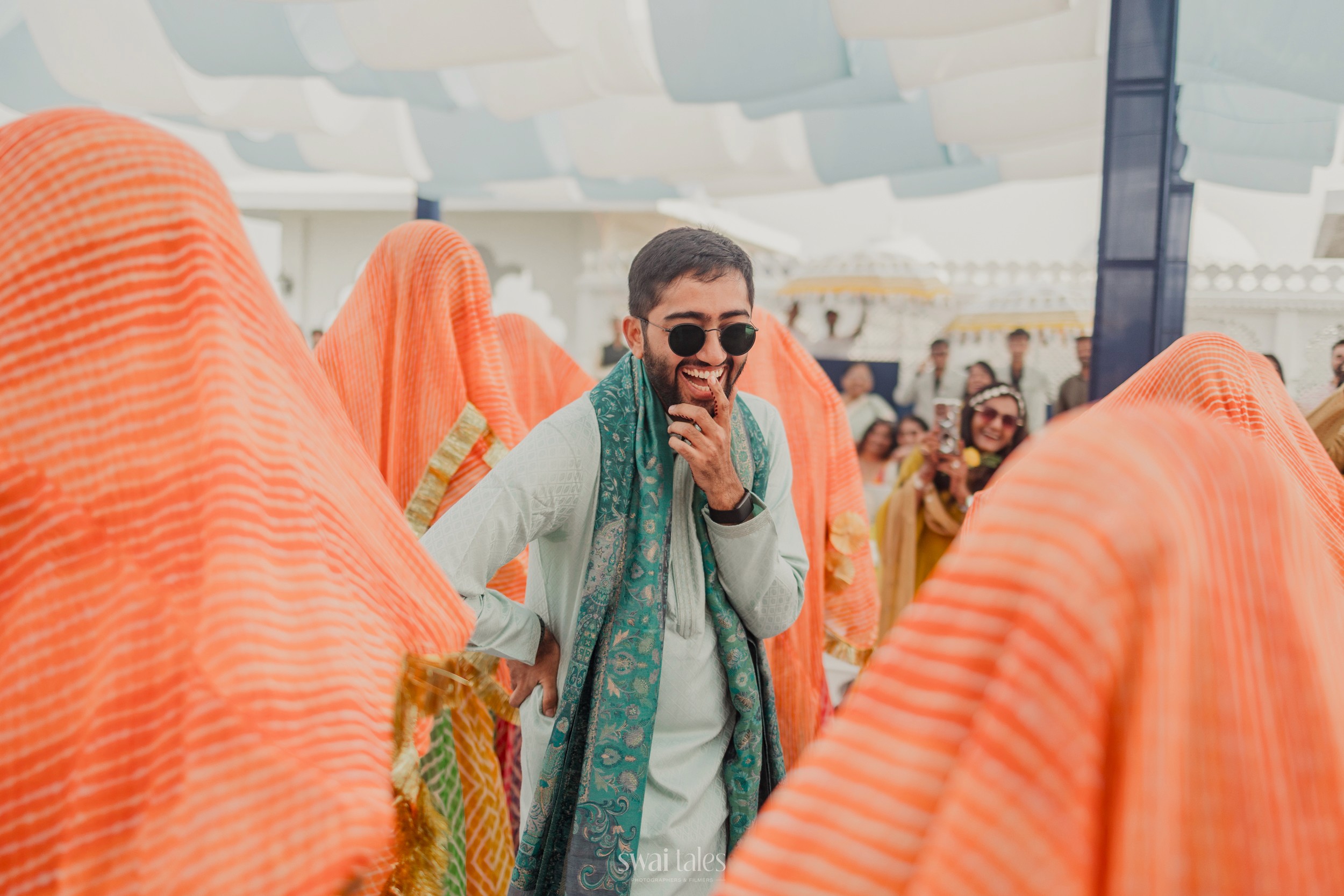
Anish came to check on her at some point mid-afternoon, stood at the edge of the courtyard in his kurta, took one look at the assembled women, the henna, the music, and the general atmosphere of organised festivity, and retreated to find his friends. We watched him go. He waved at us over his shoulder. It was, we felt, a completely accurate summary of his personality.
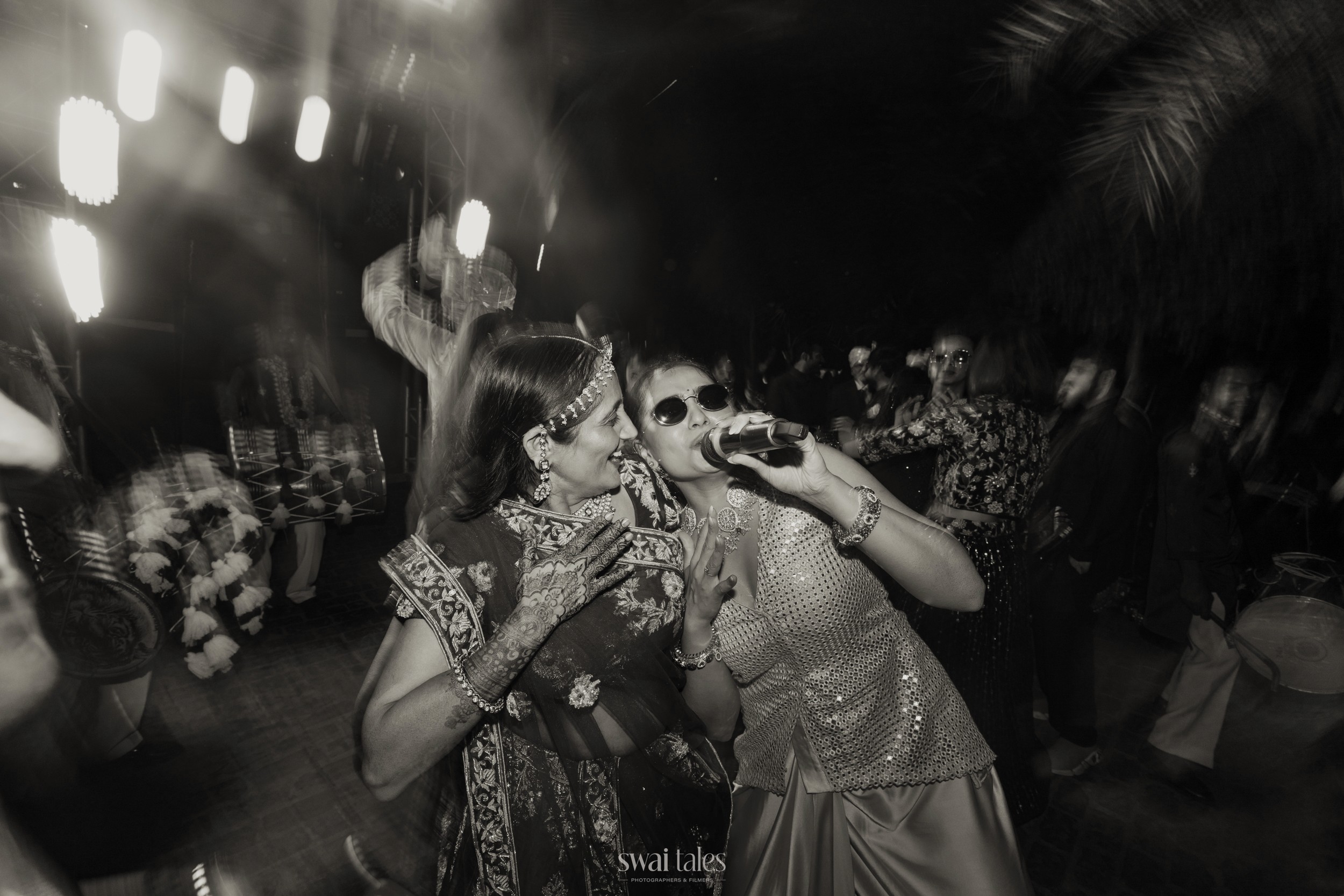
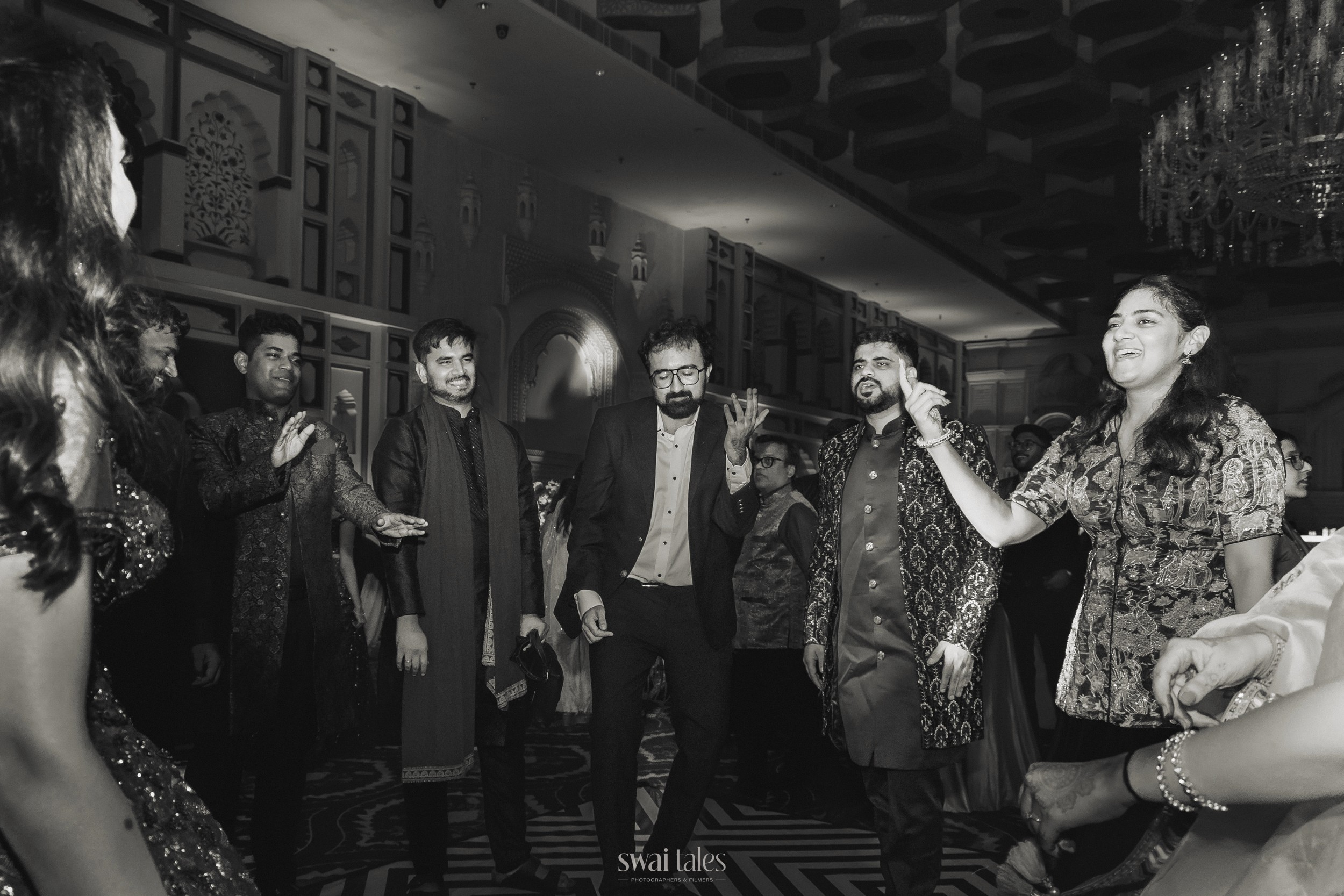
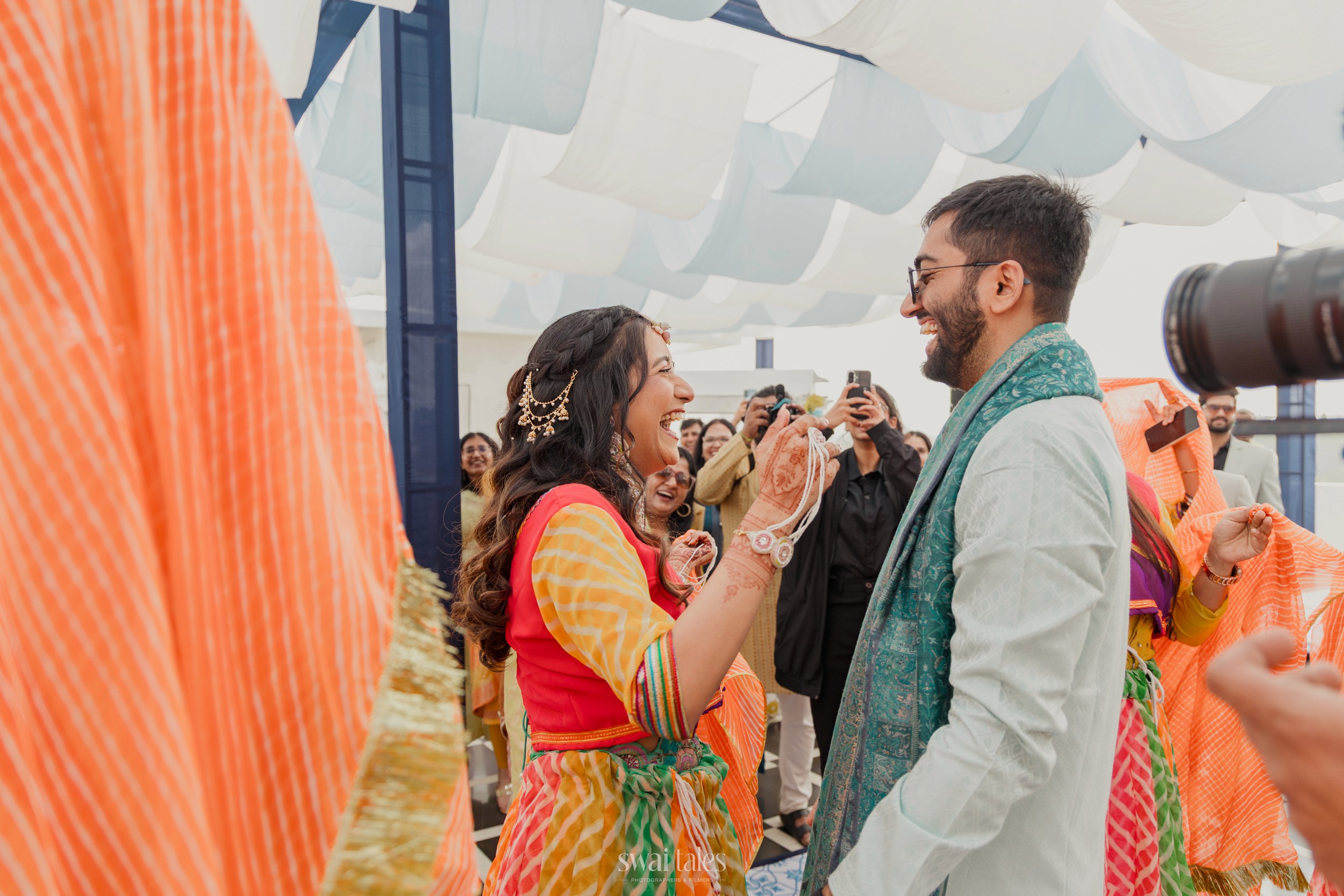
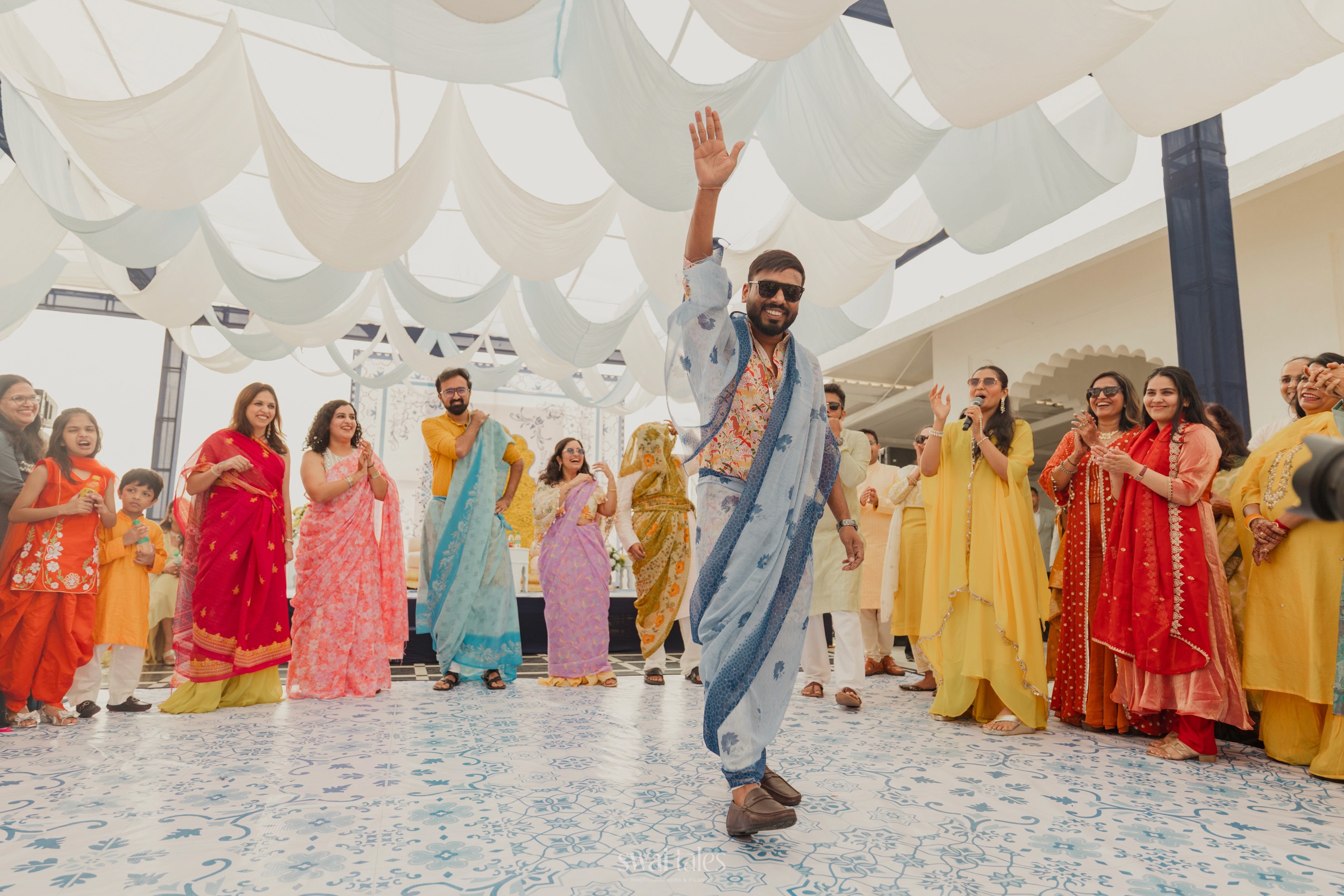
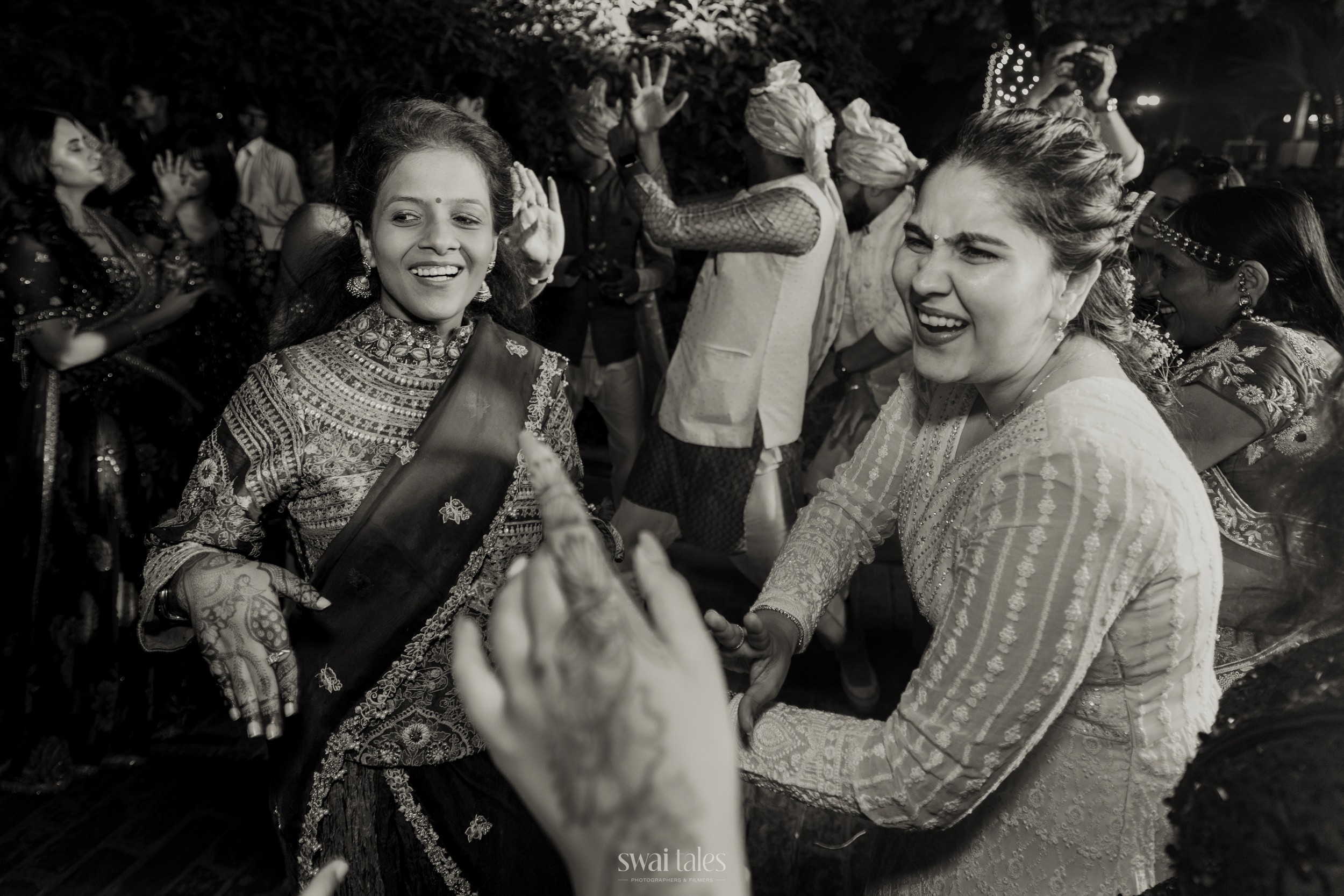
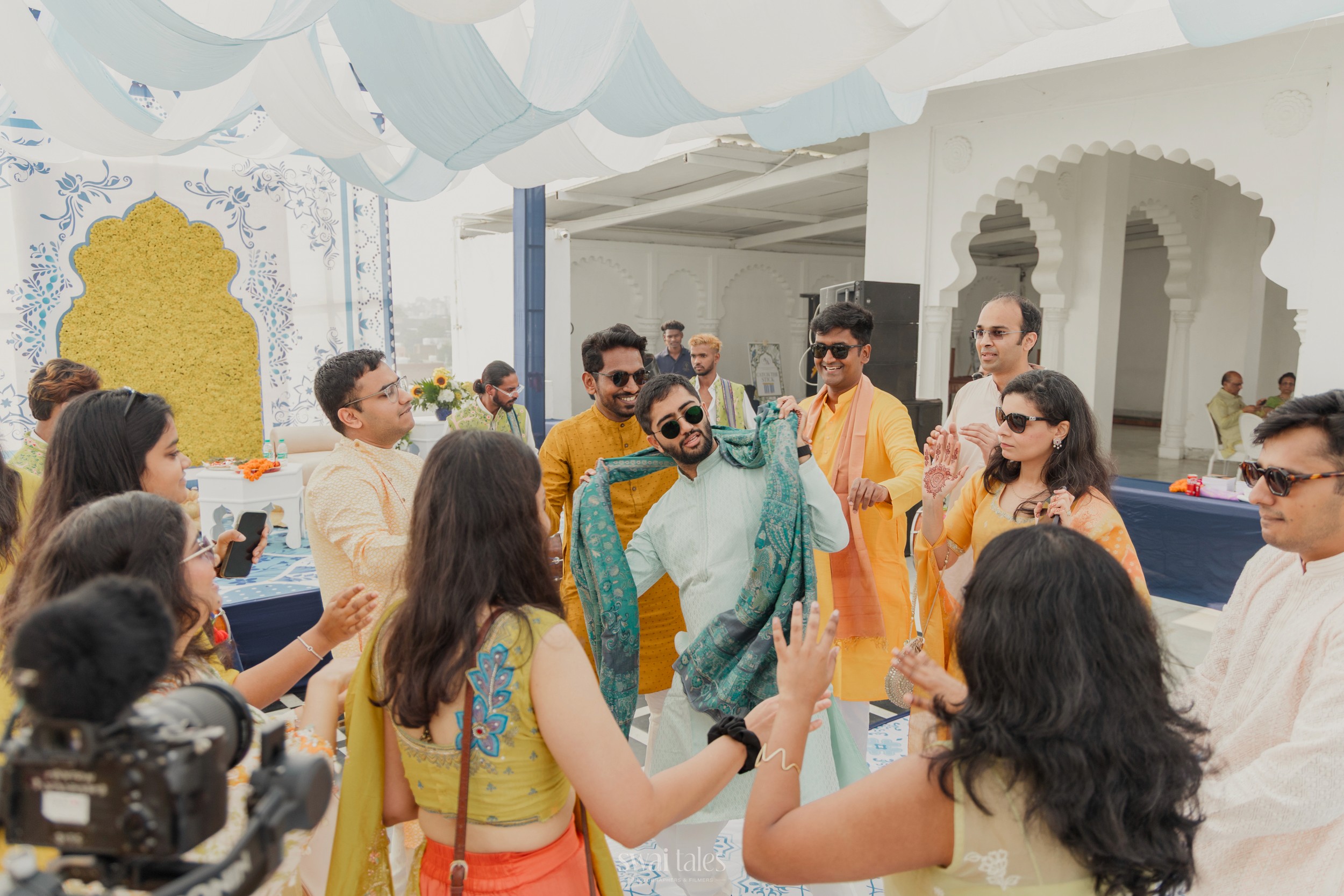
By evening, both families had forgotten which side they belonged to. Abhishika's younger cousins had taken over the playlist. The songs were no longer traditional. Nobody objected.
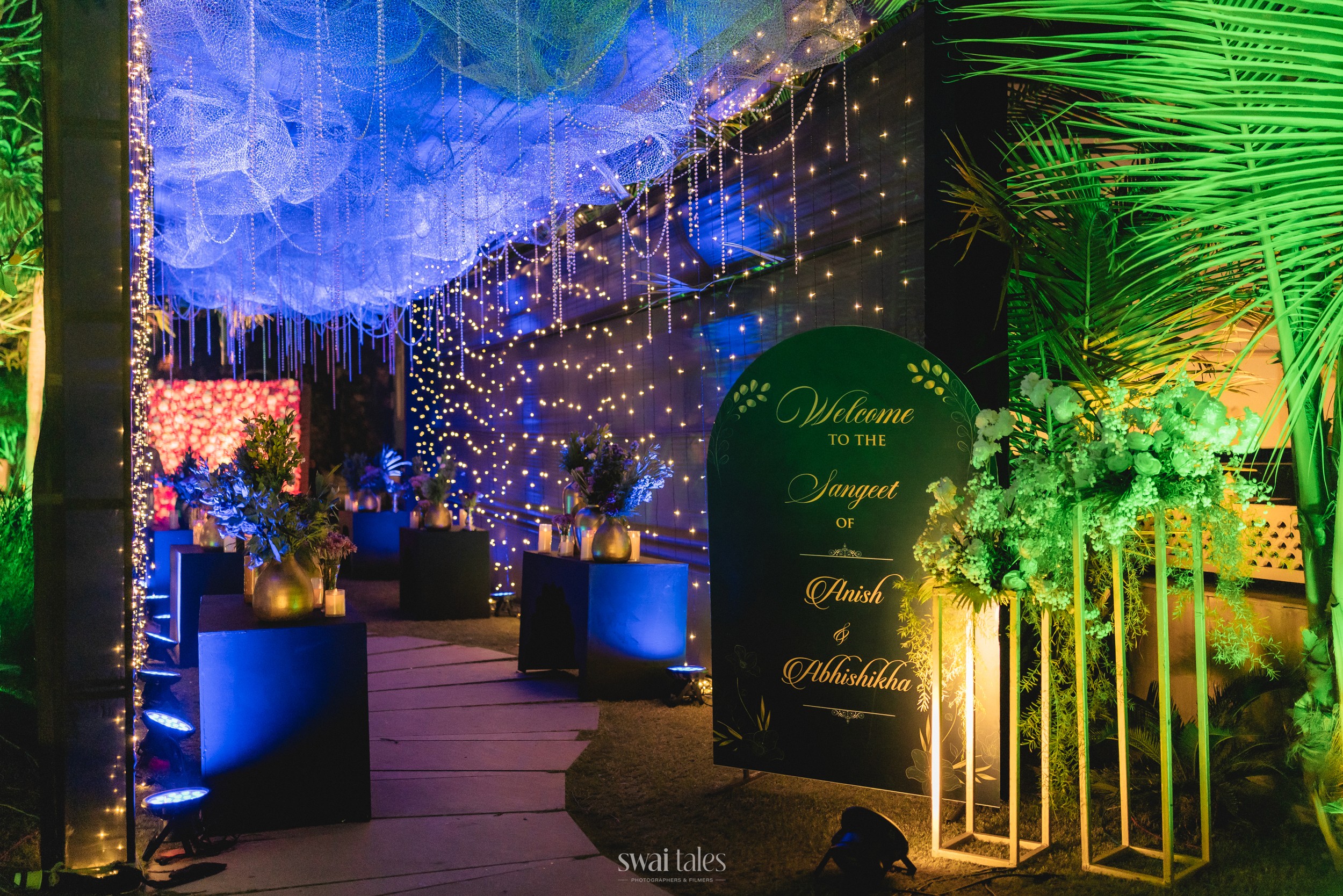
The Sangeet
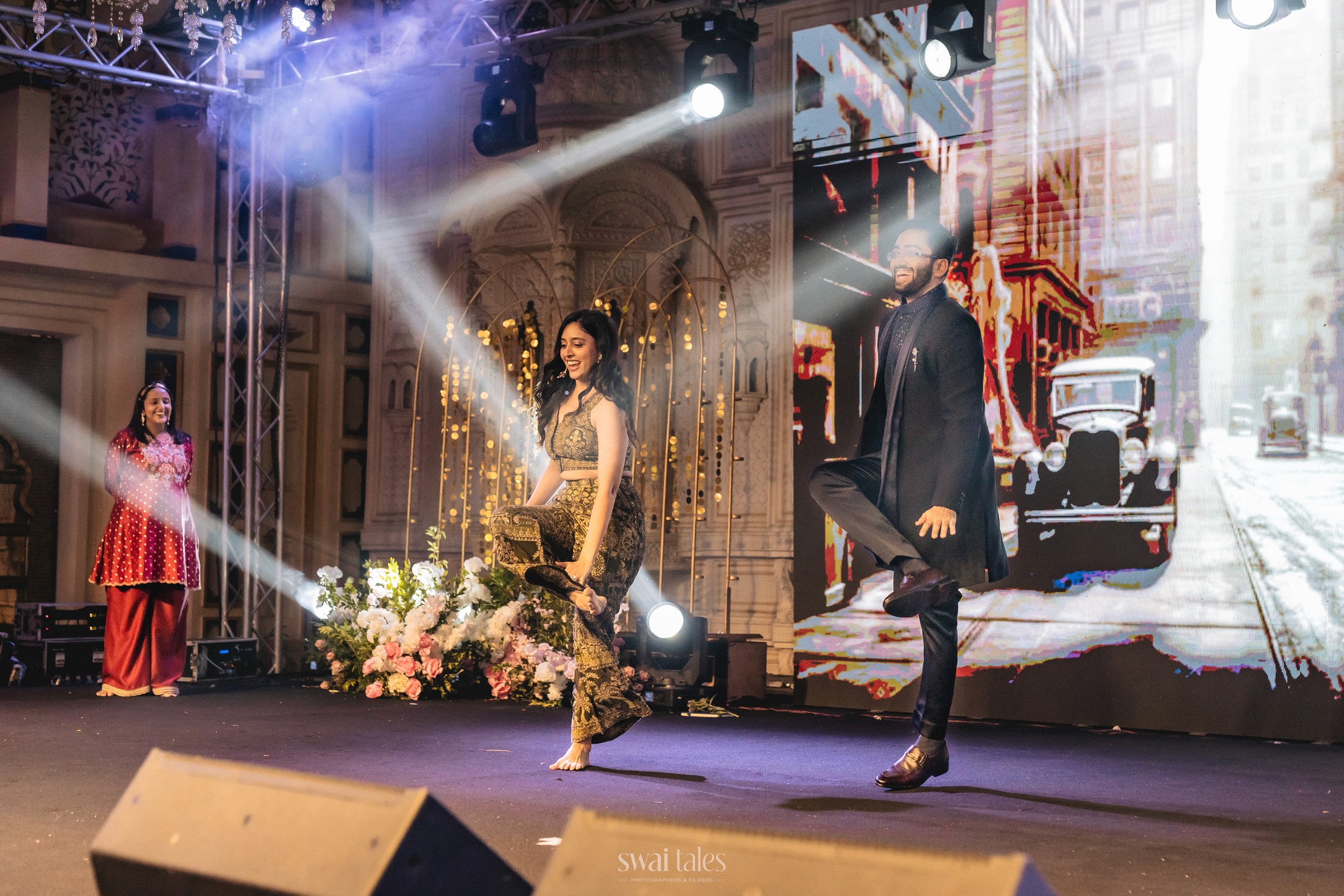
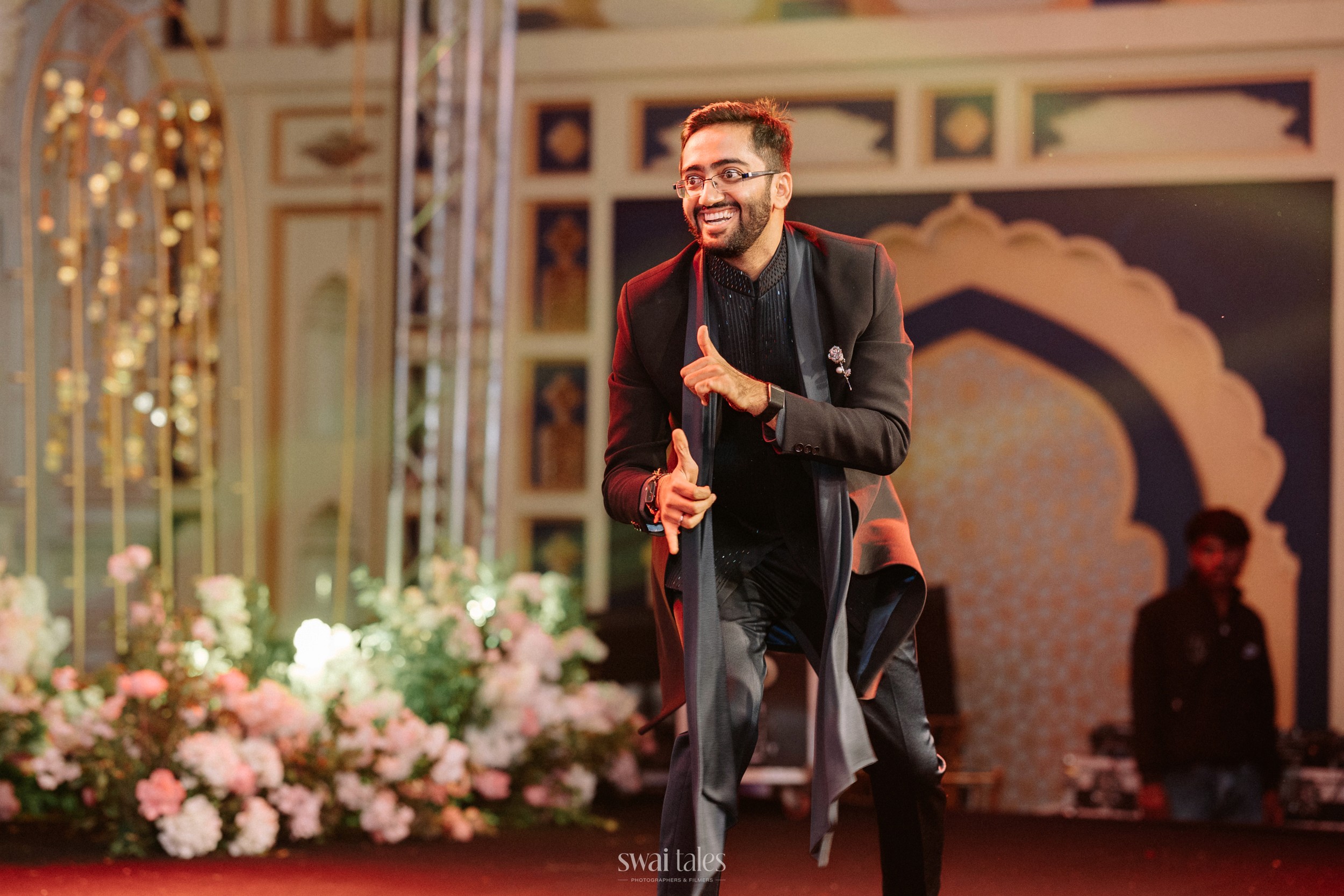
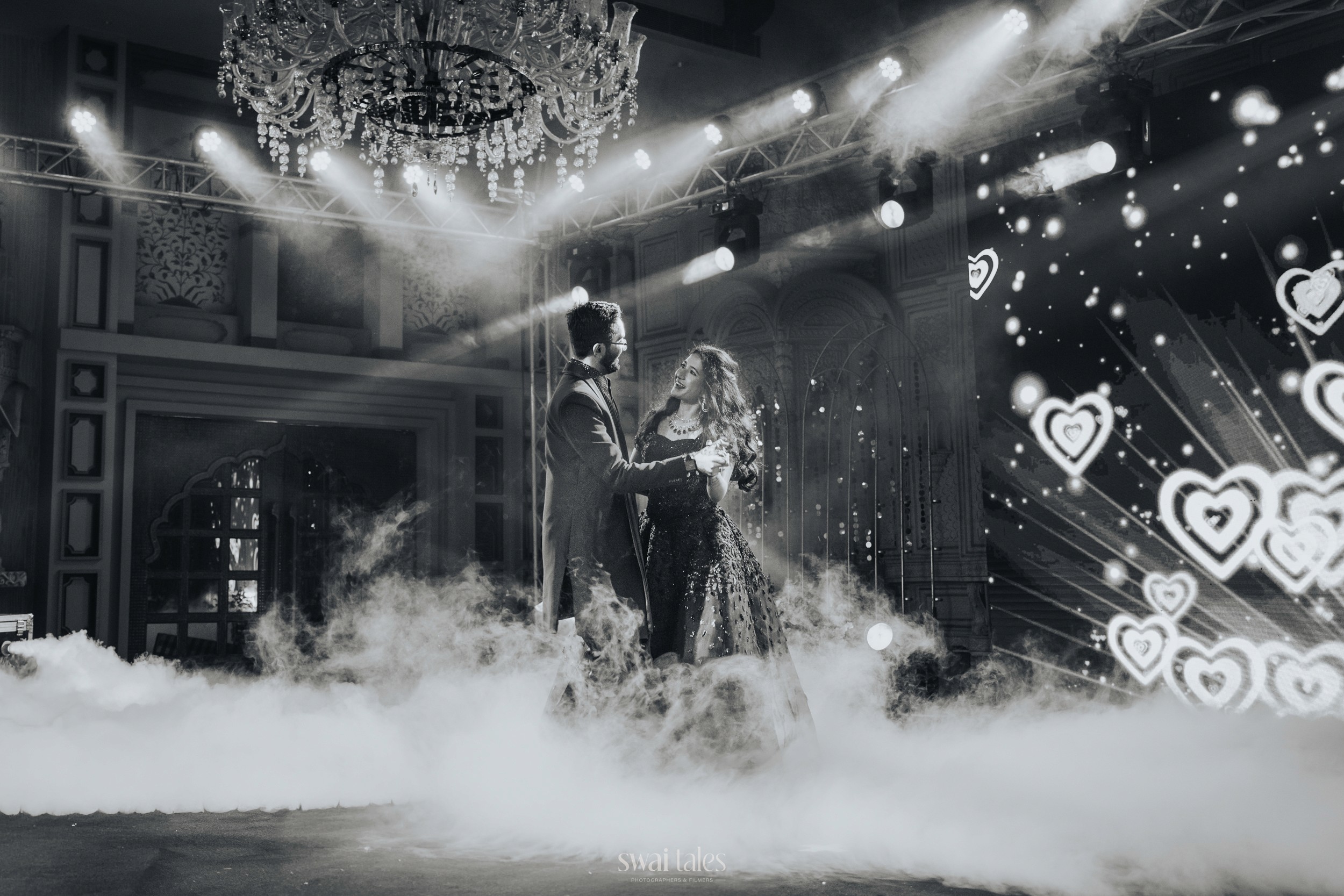
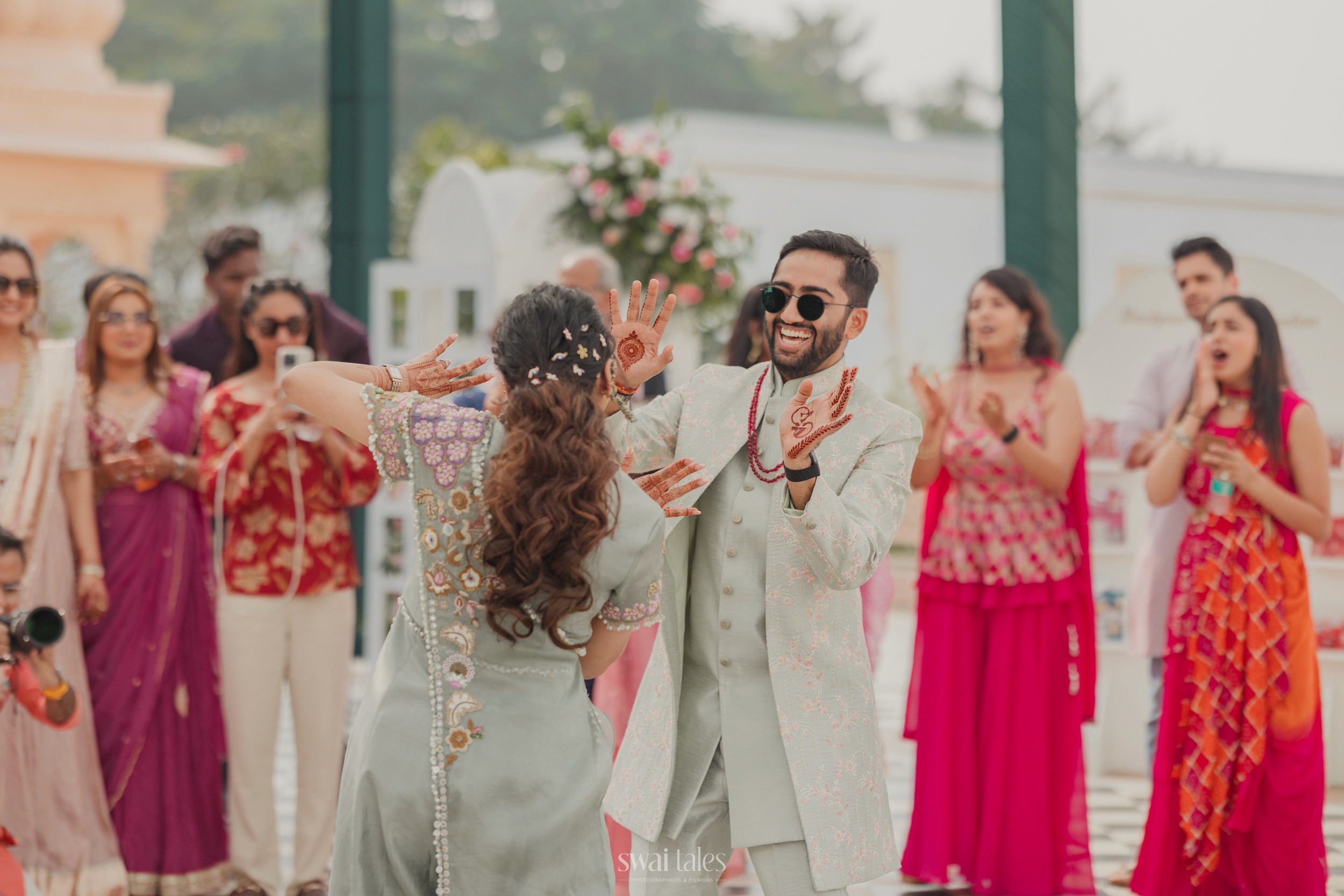
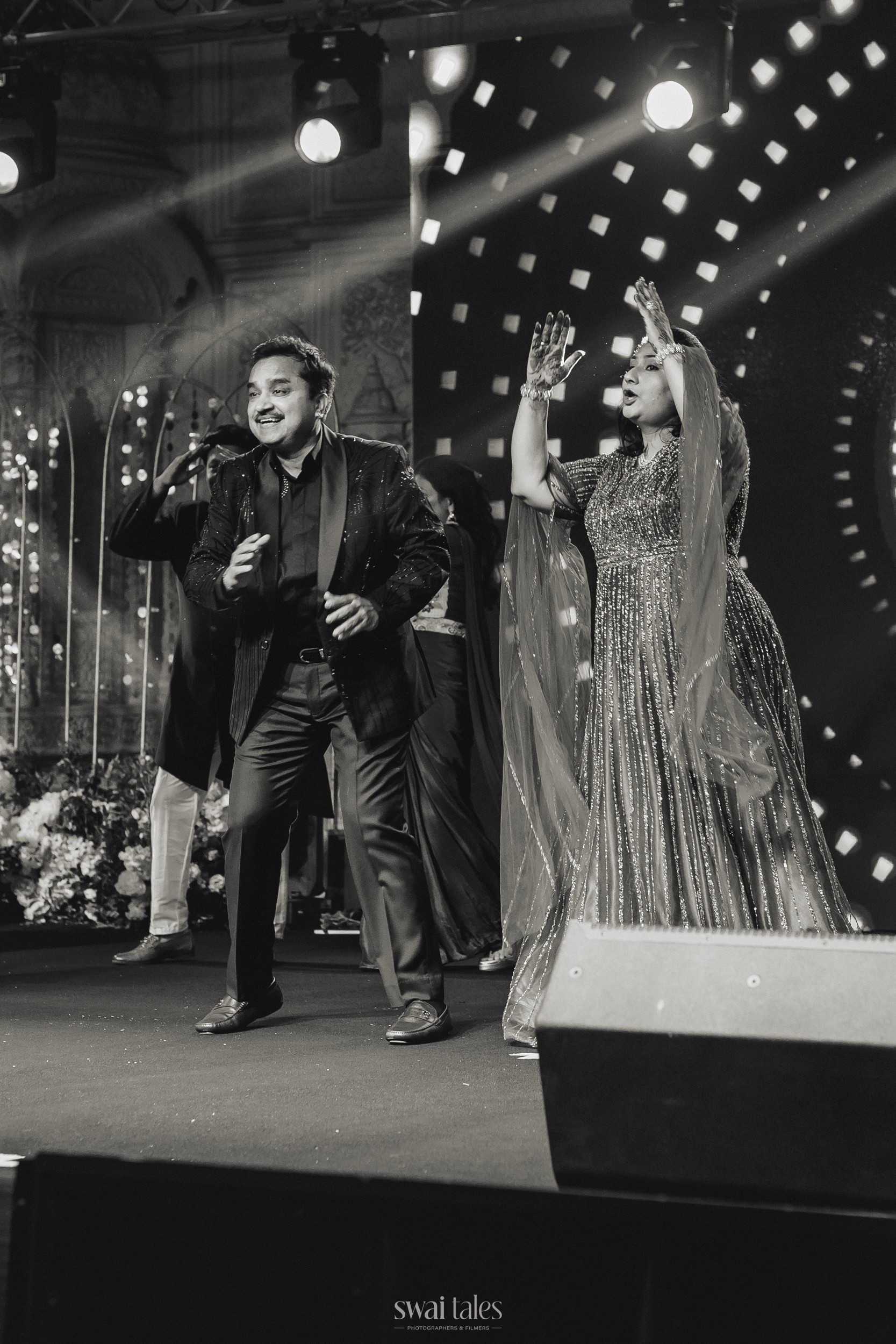
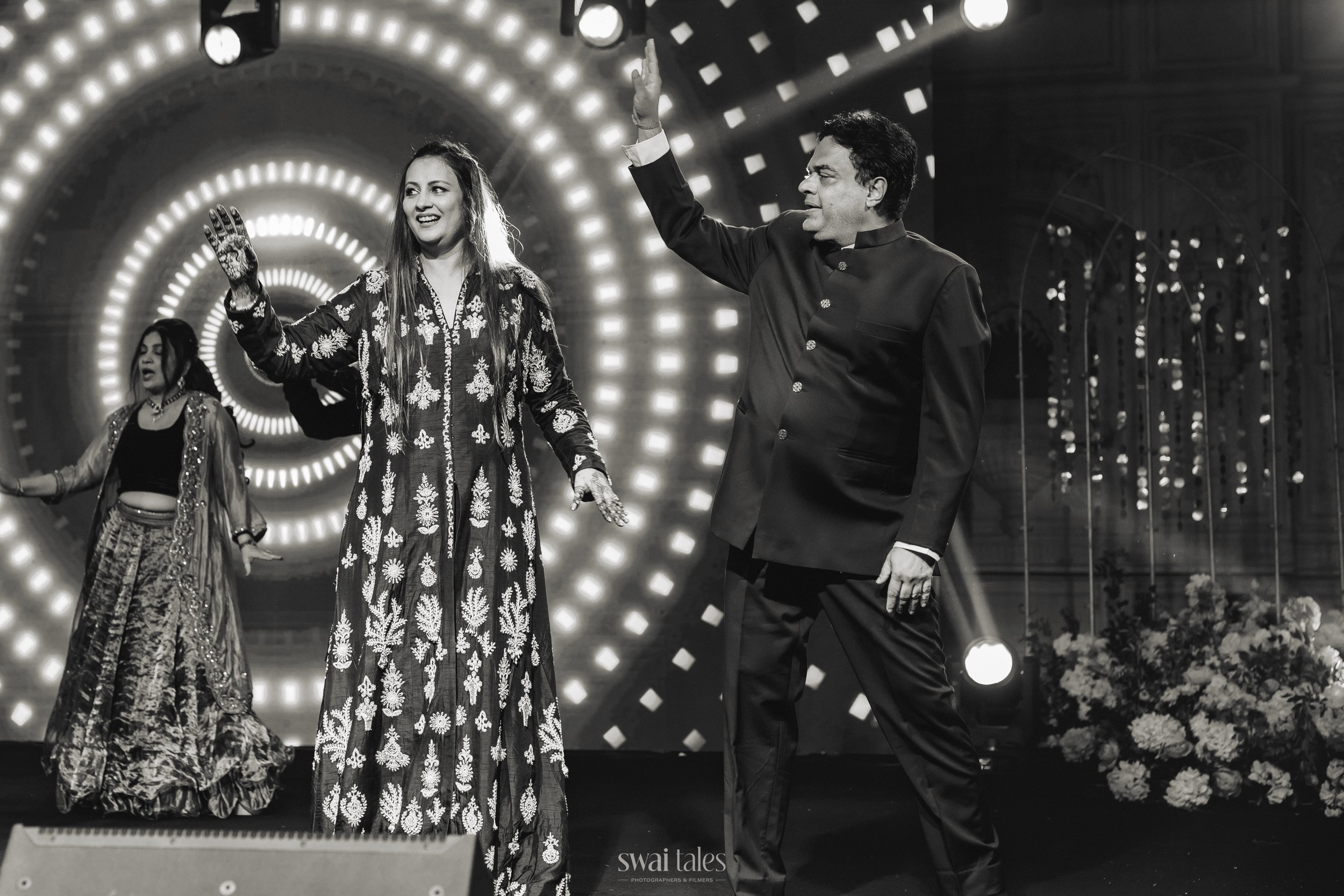
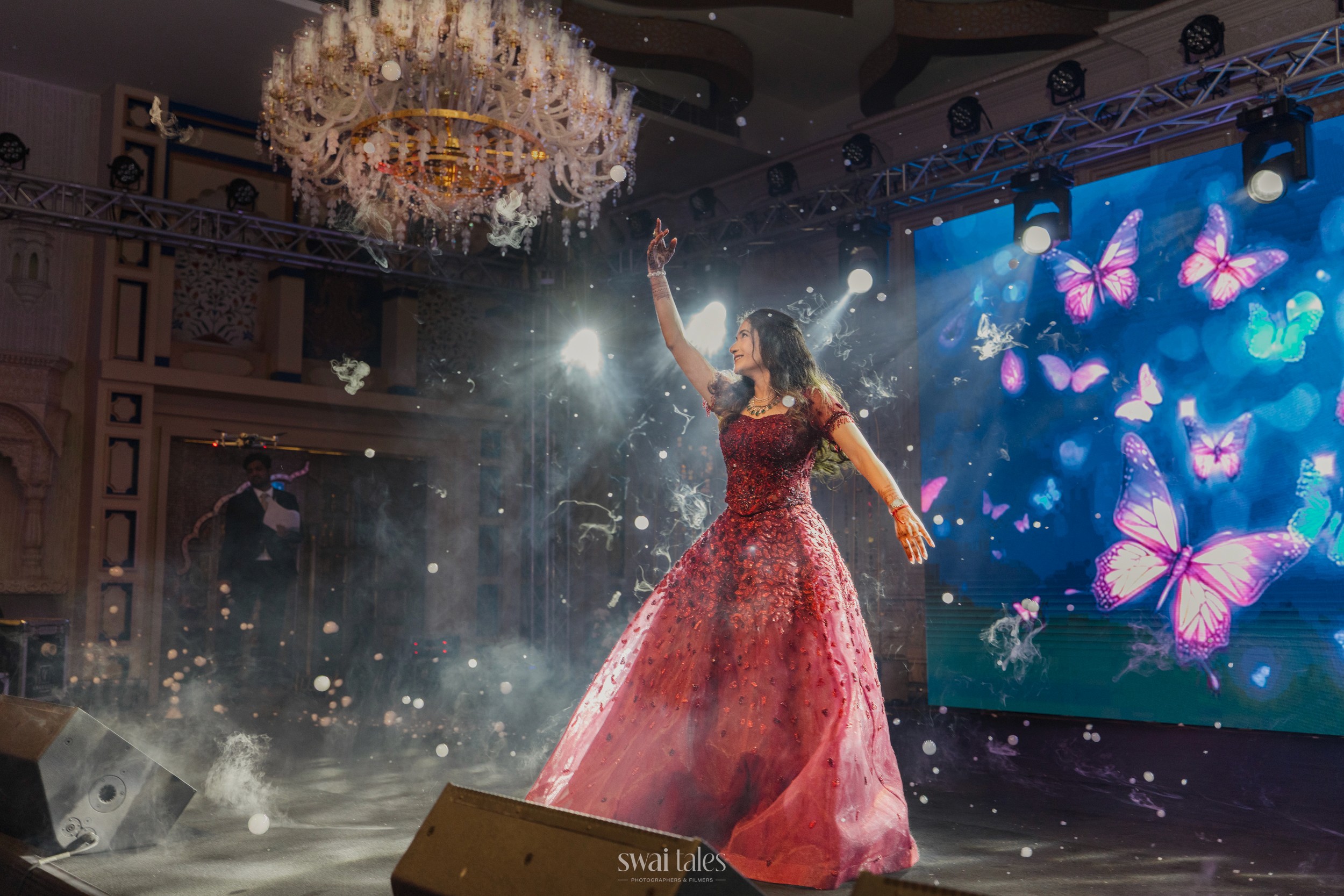
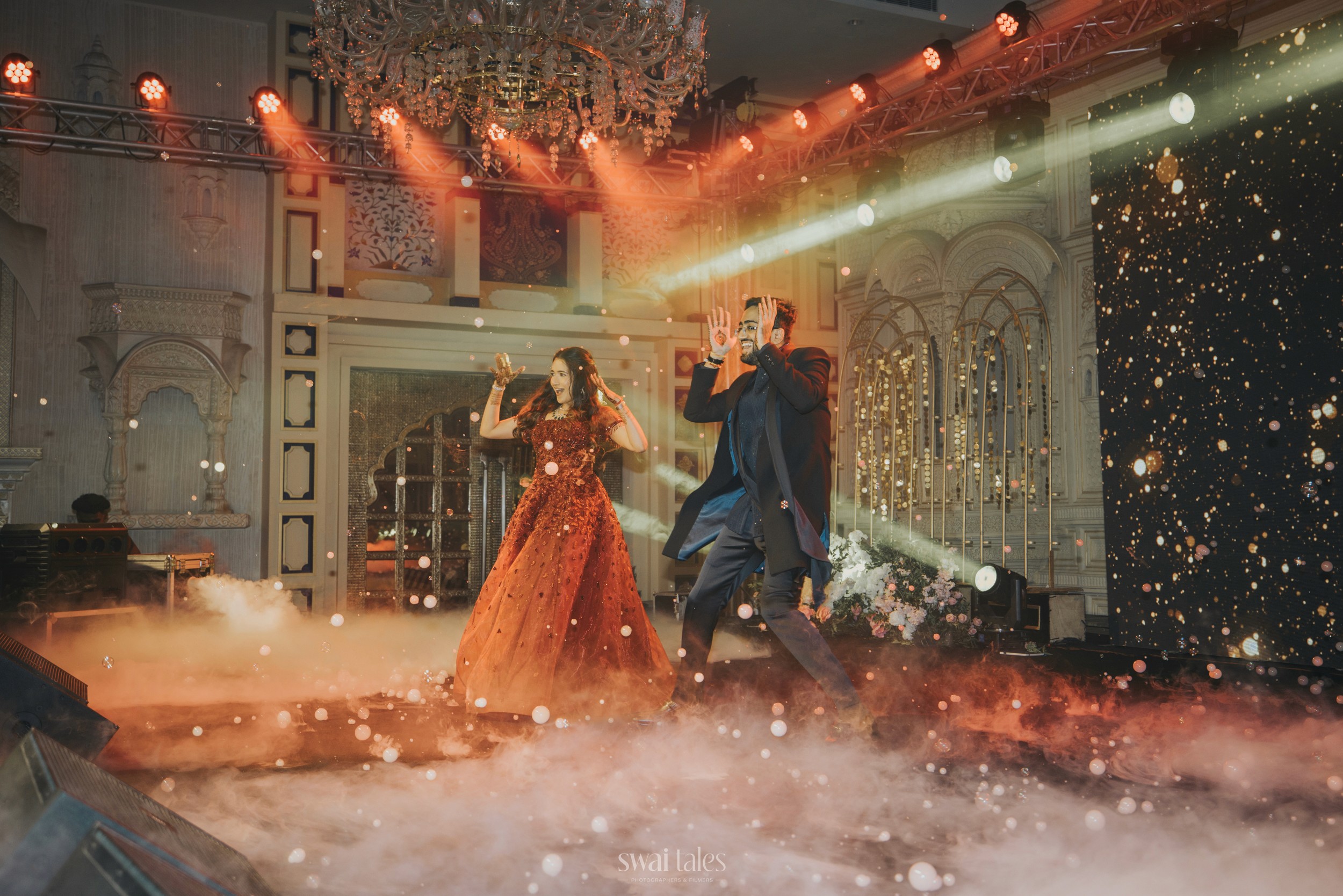
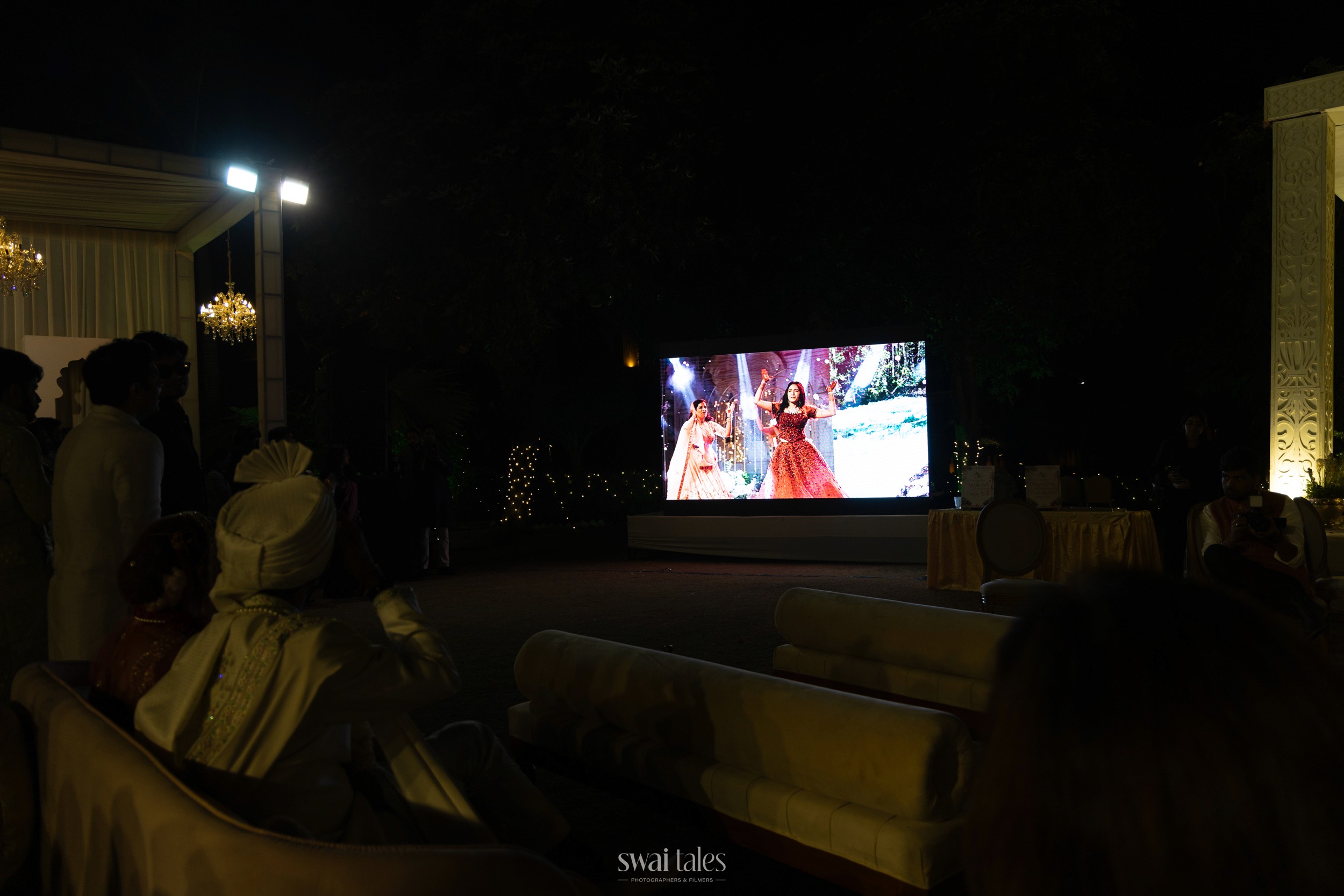
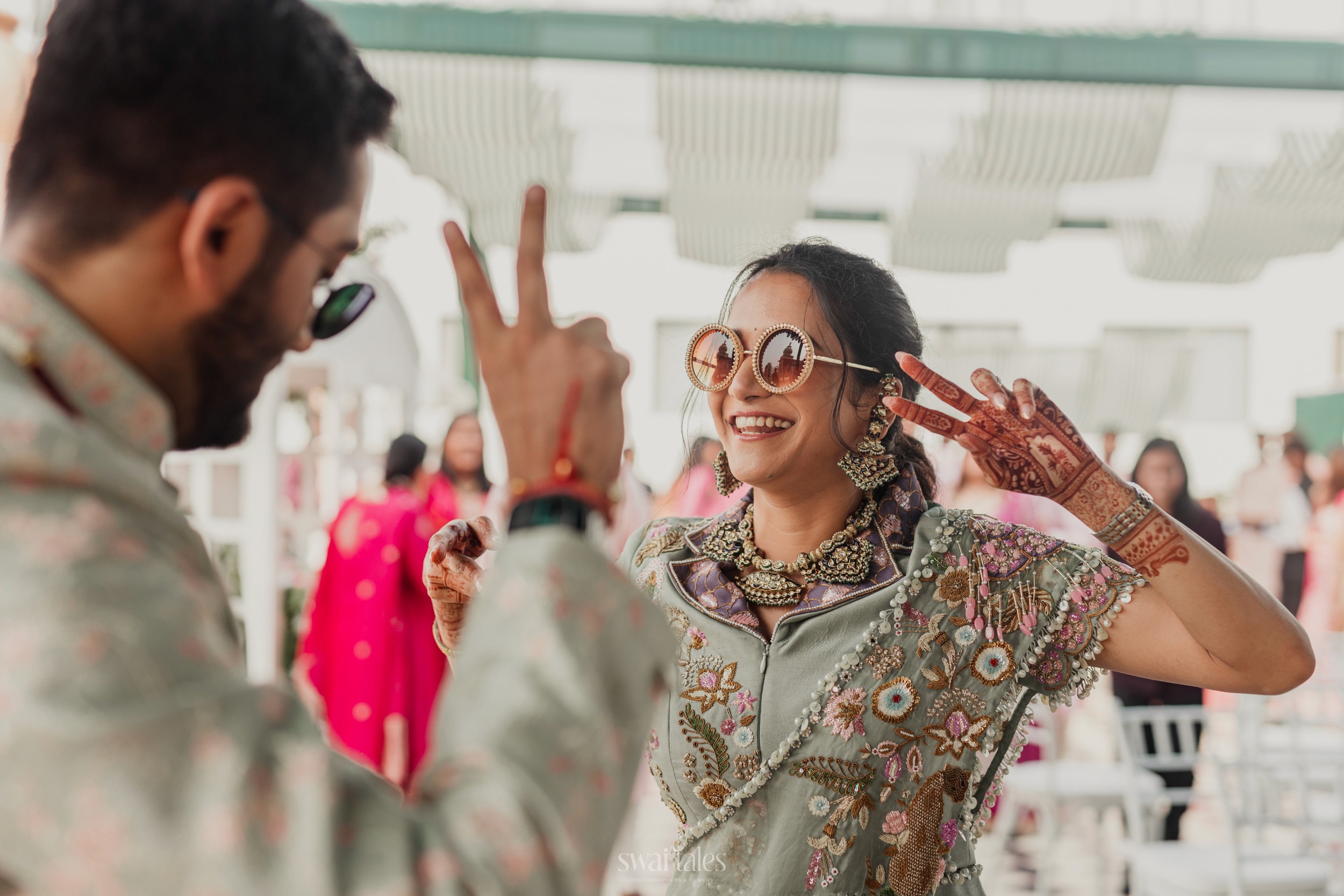
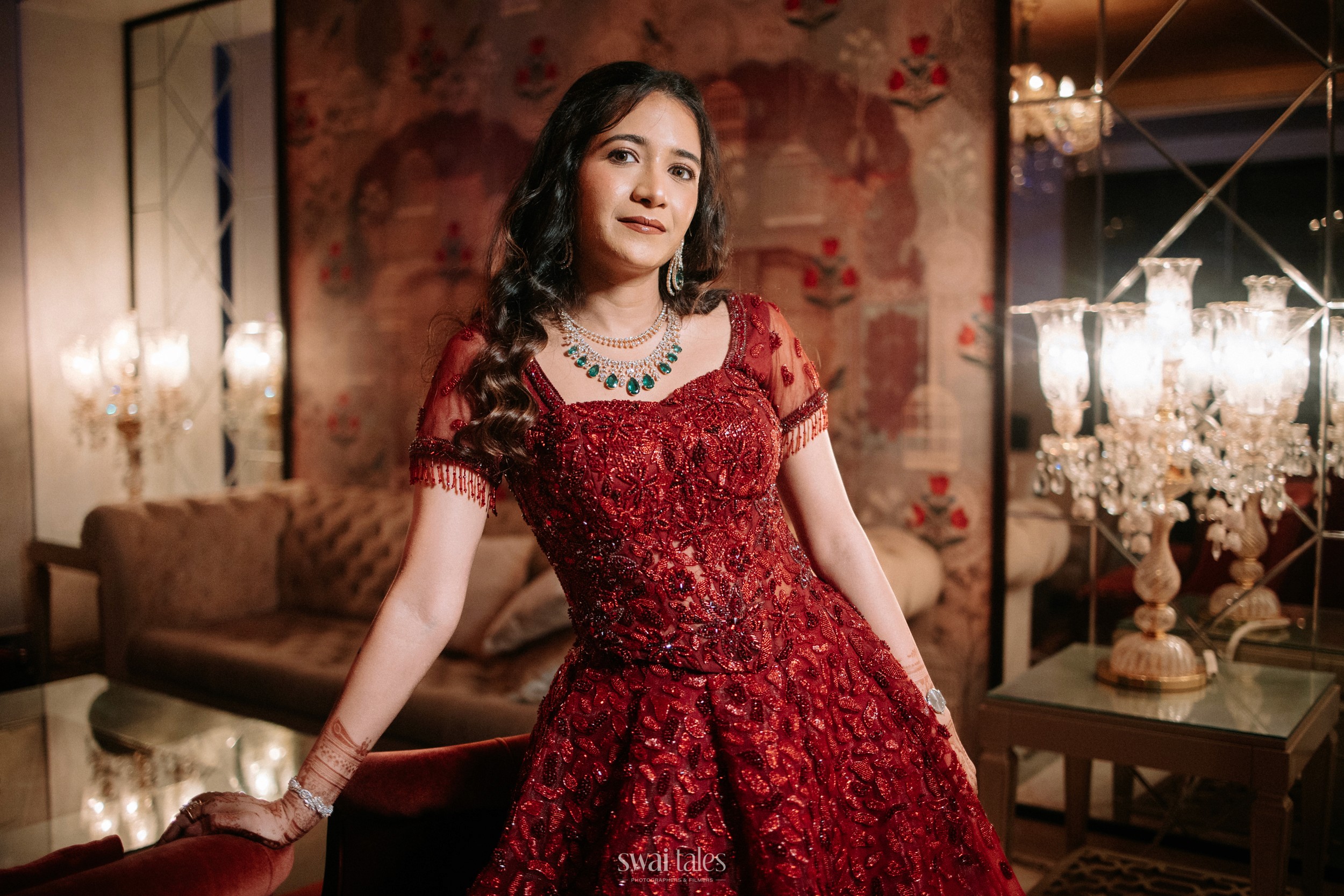
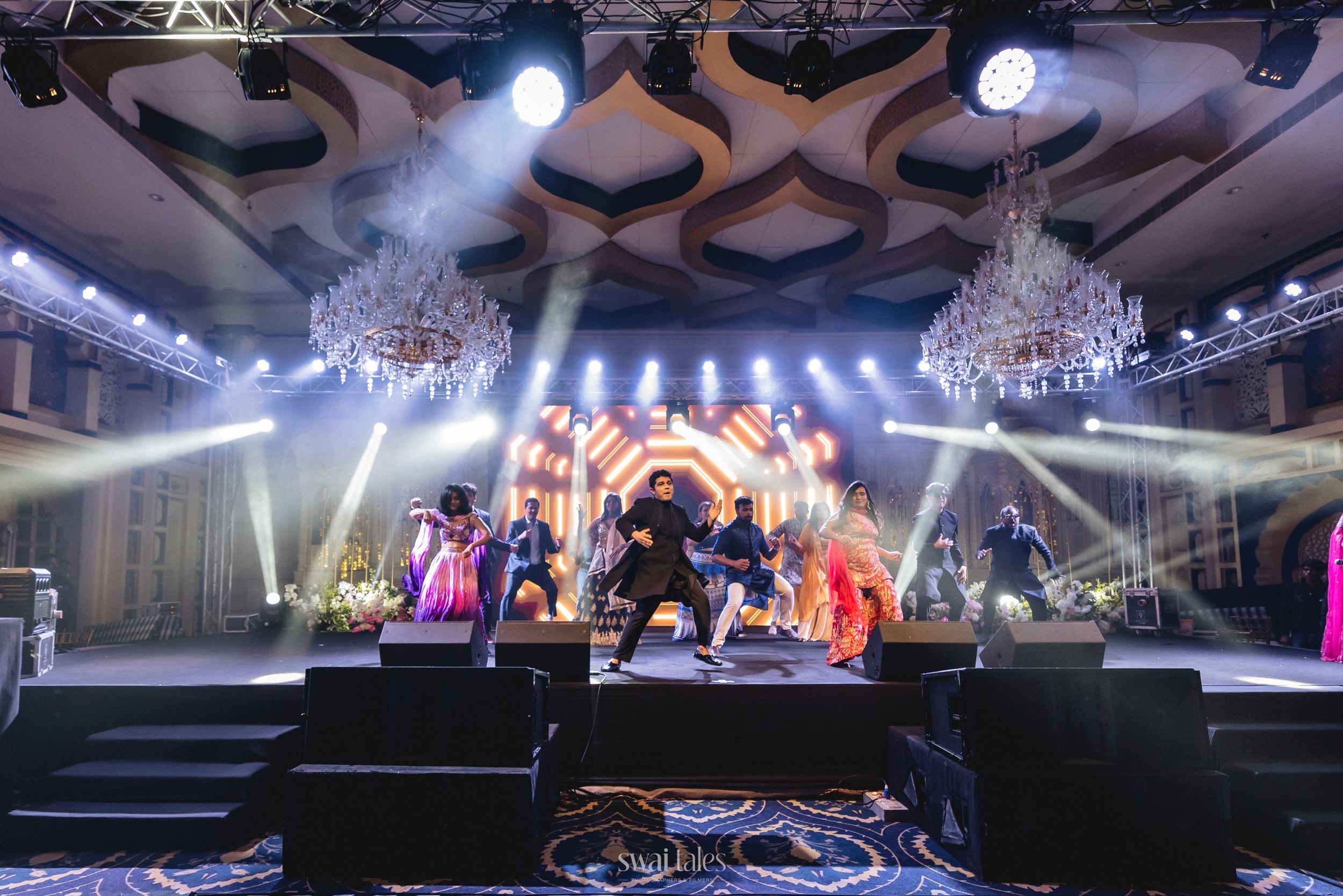
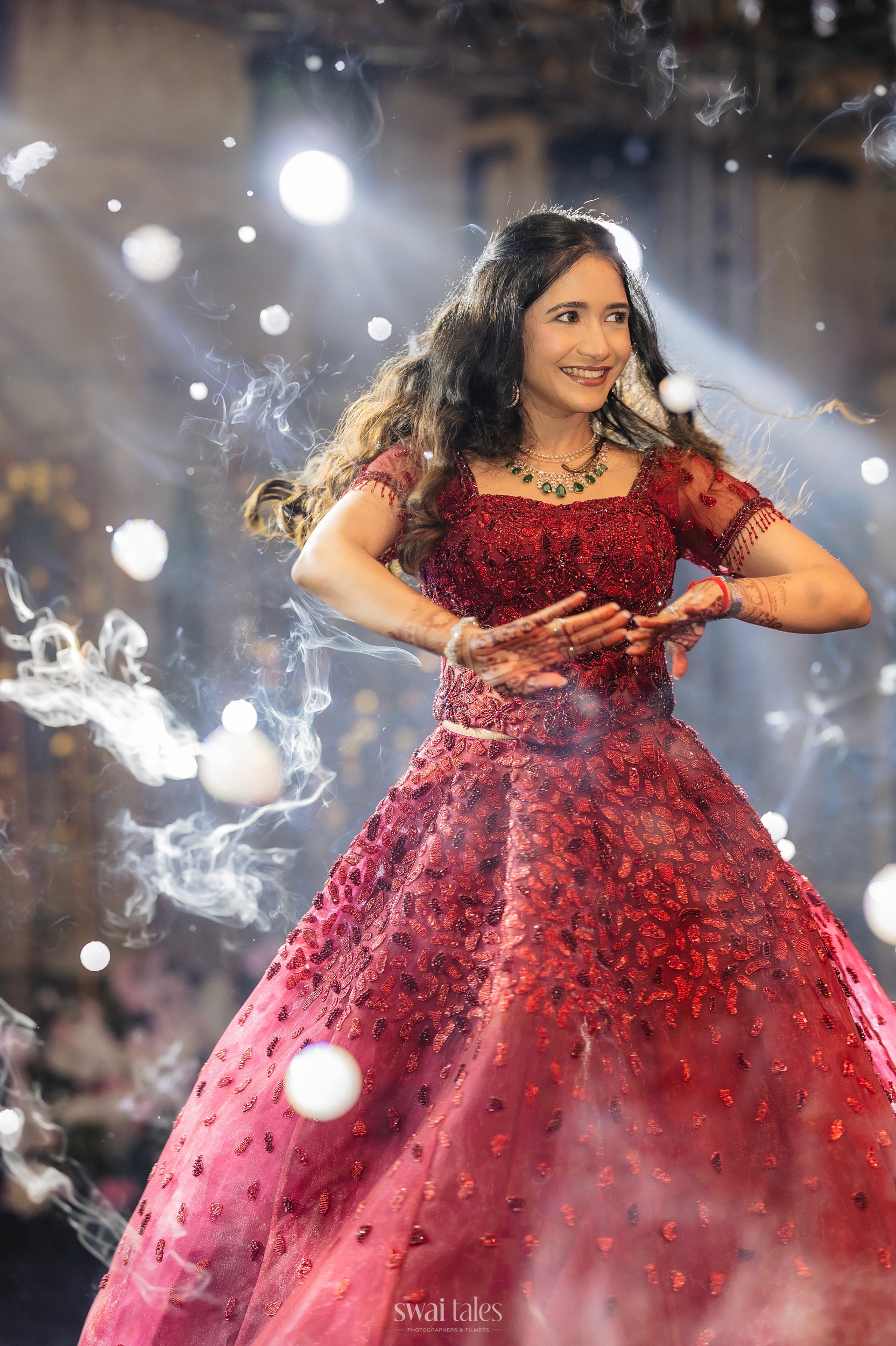
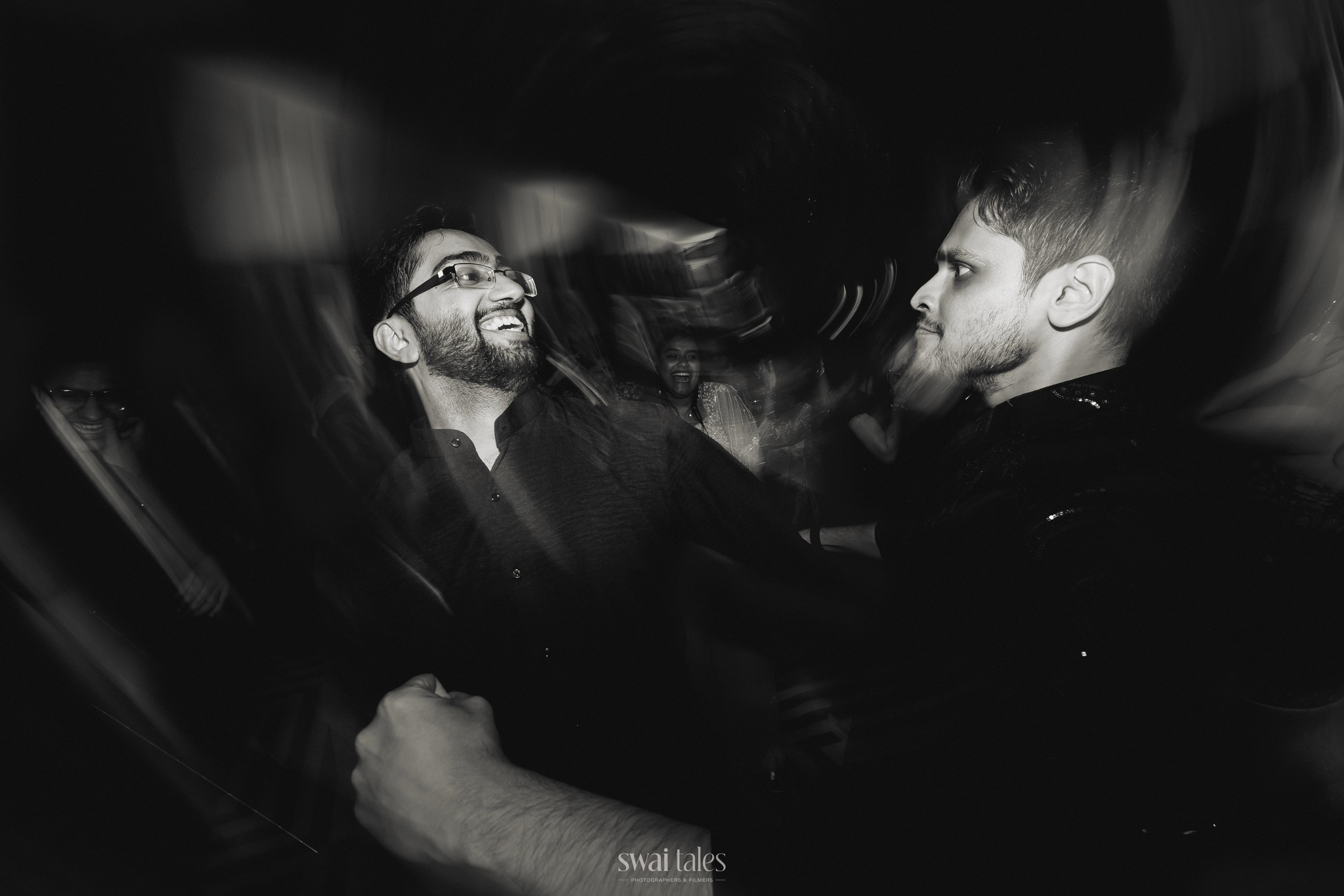
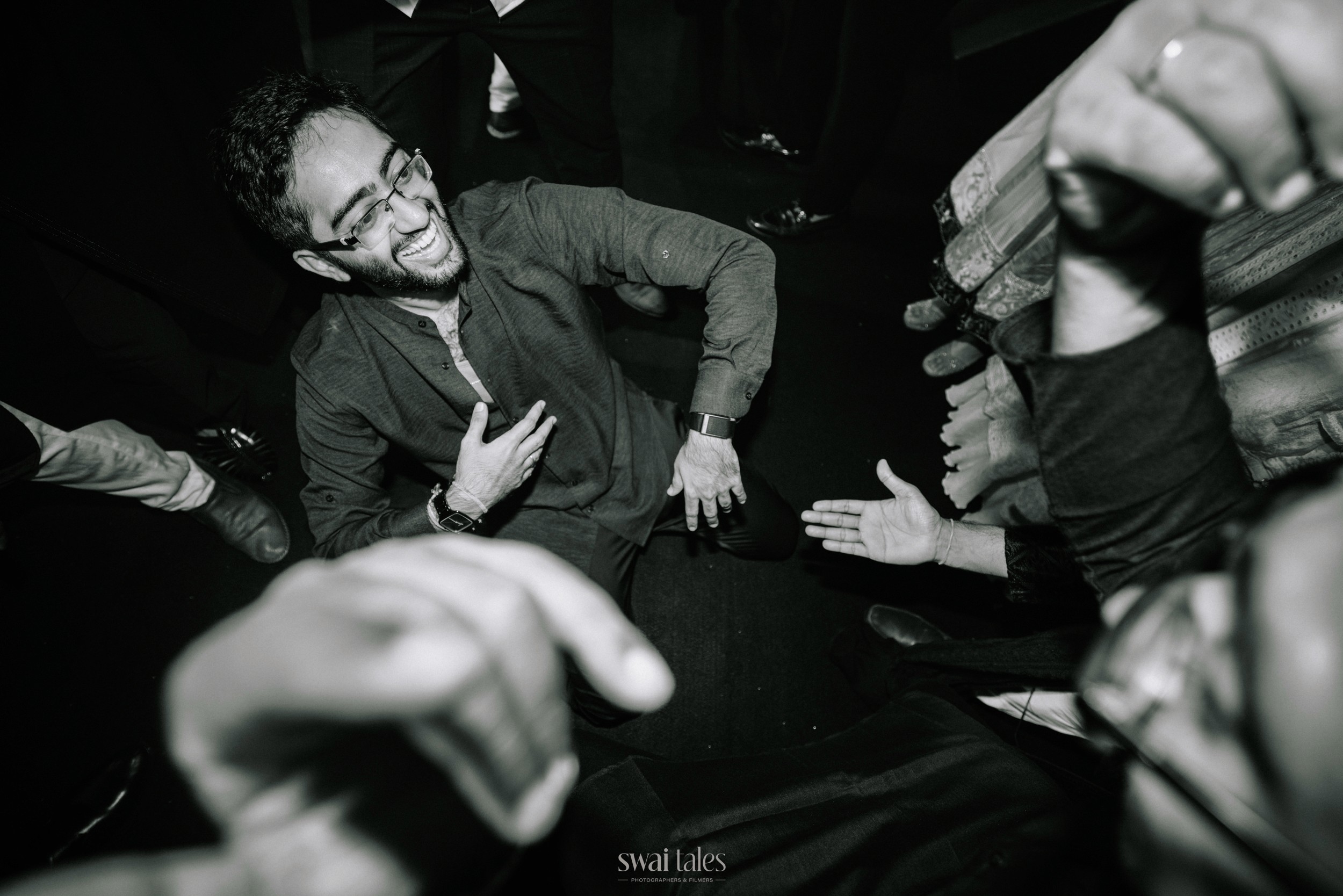
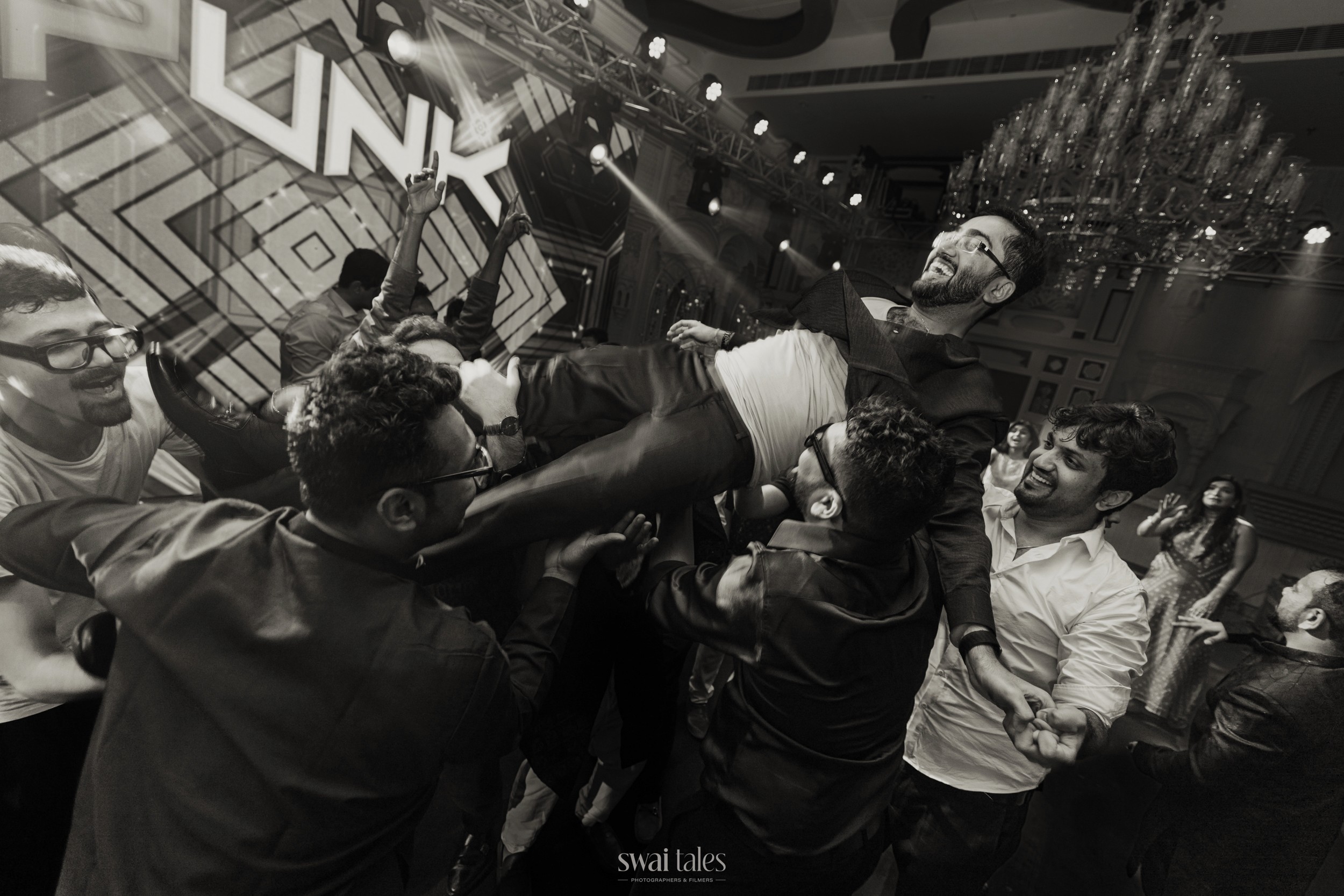
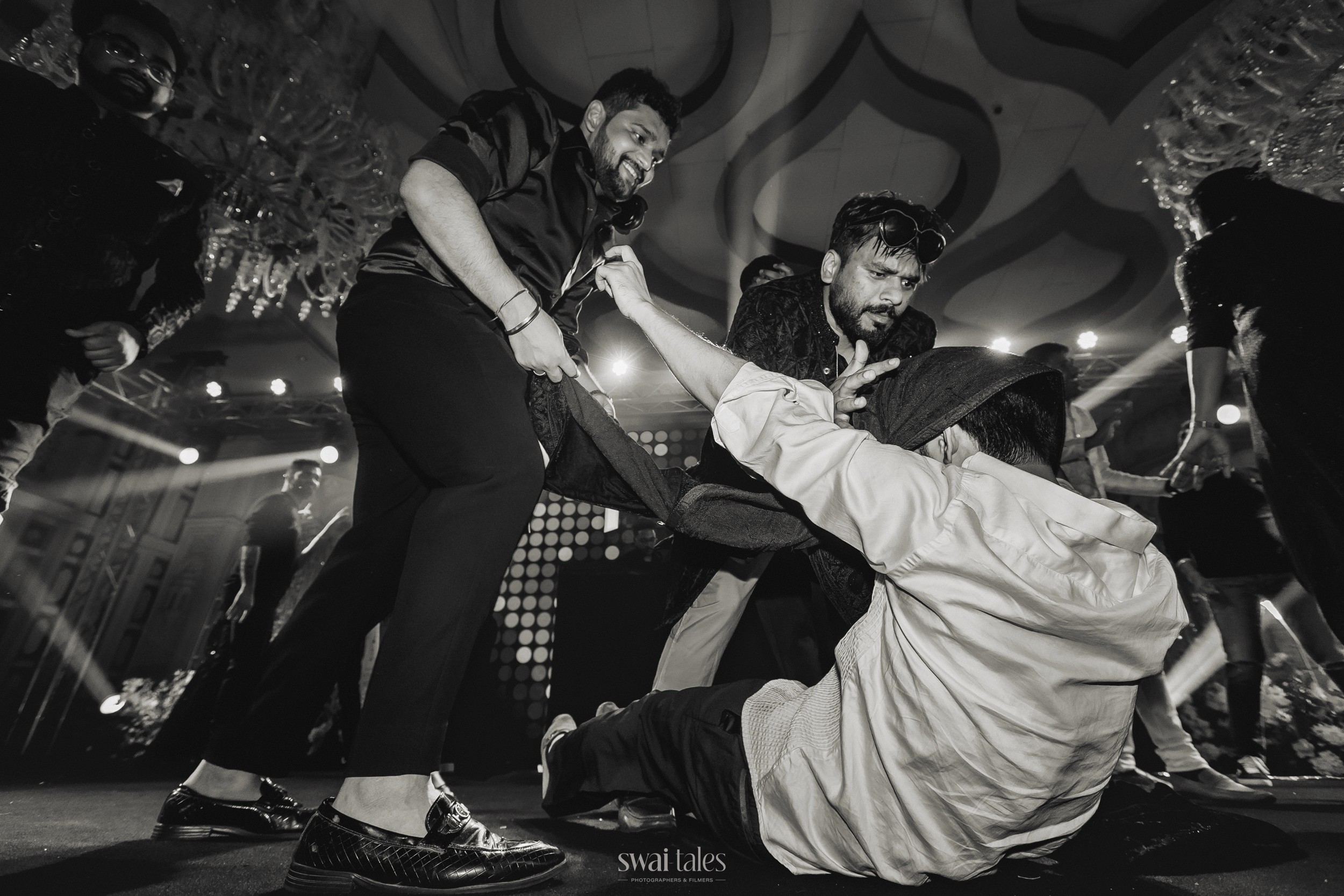
The Sangeet was where Anish surprised everyone, including, we suspect, himself.
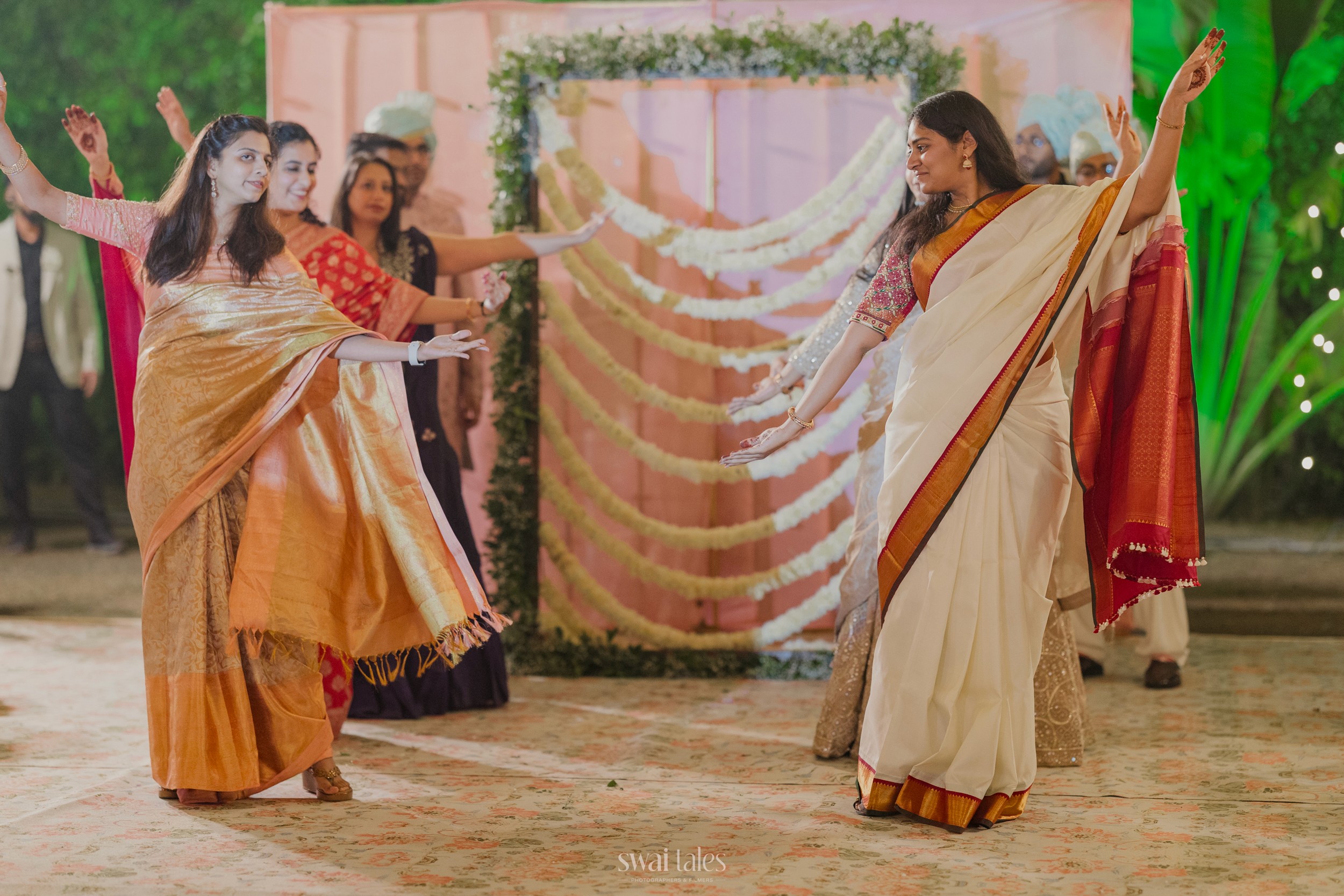
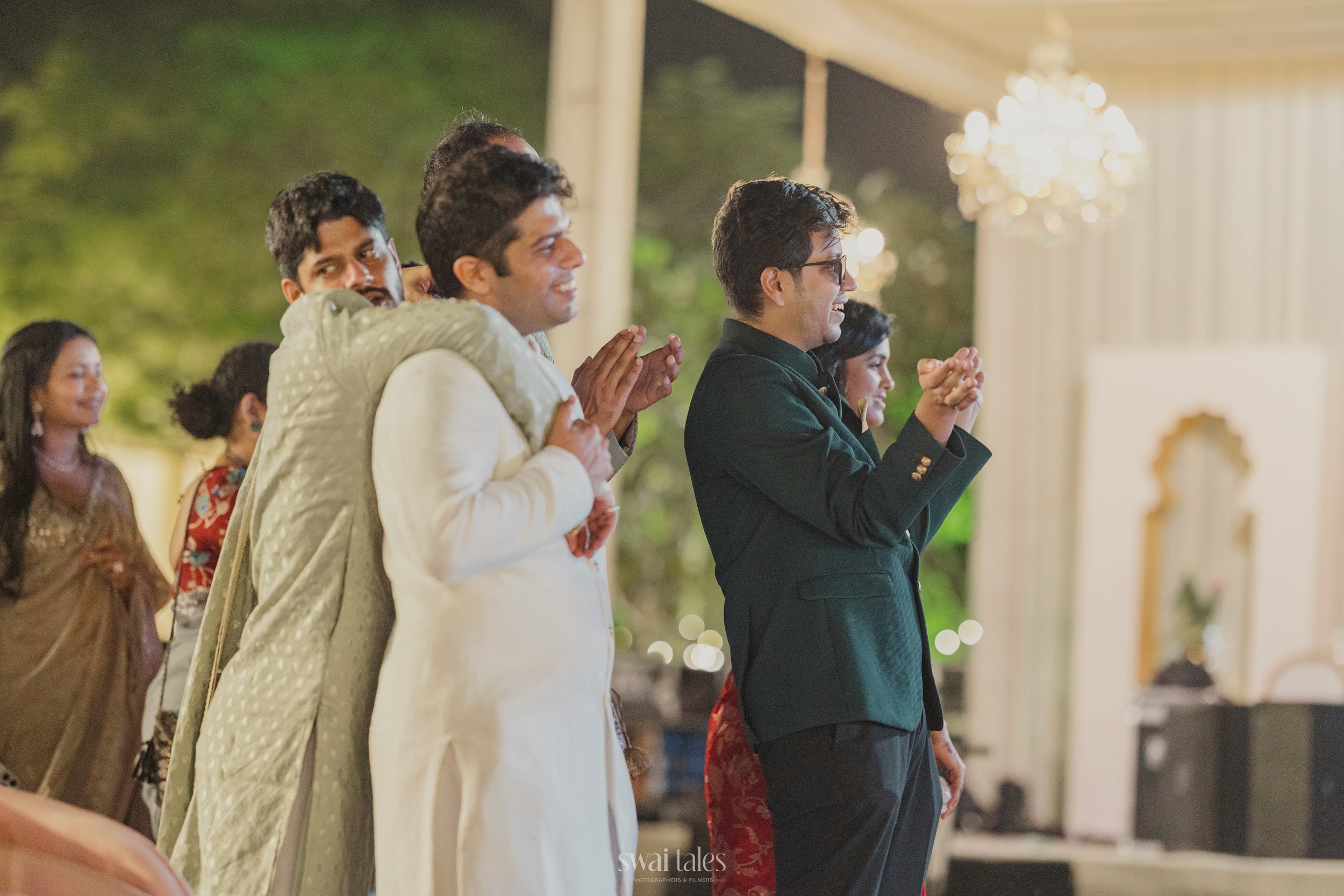
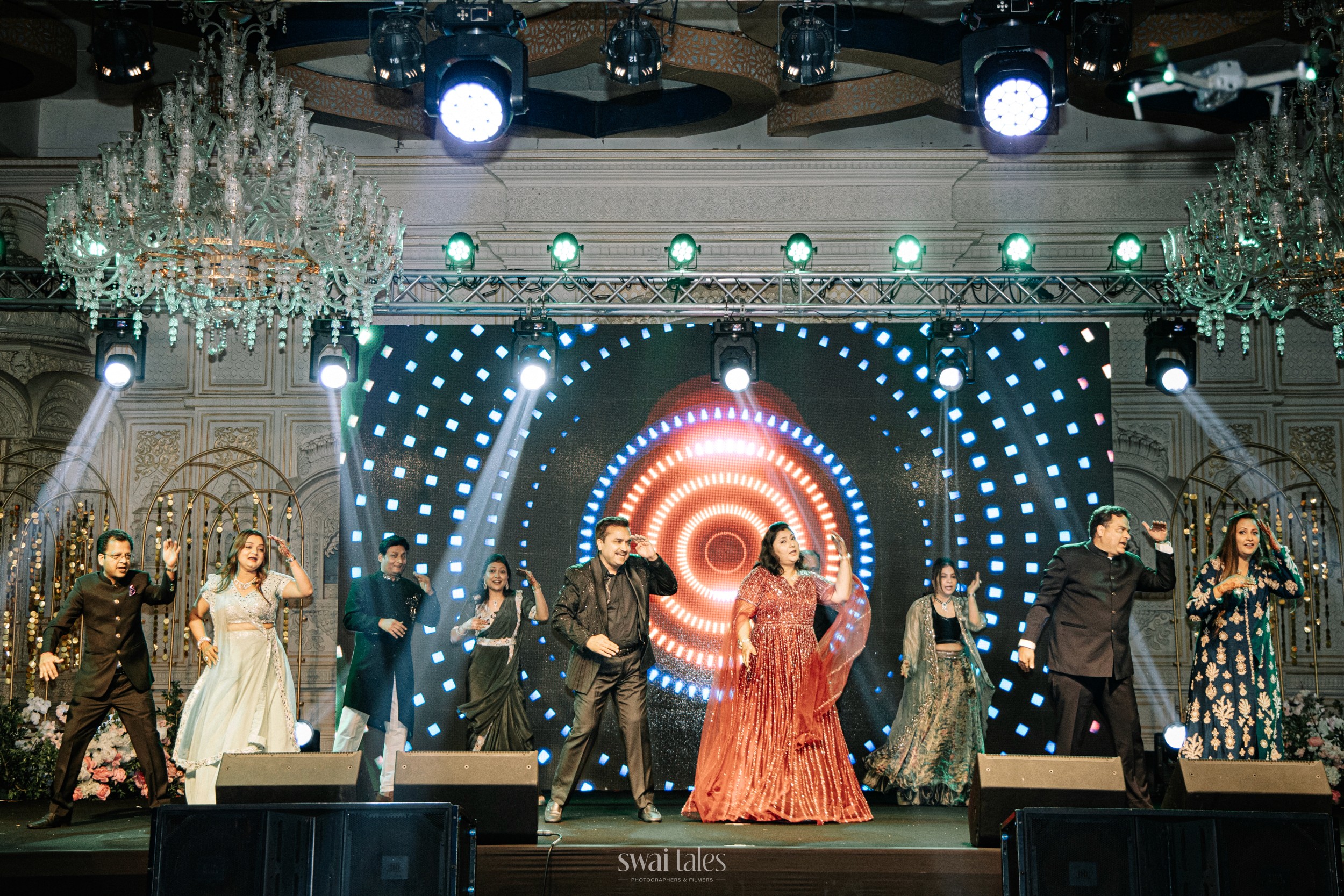
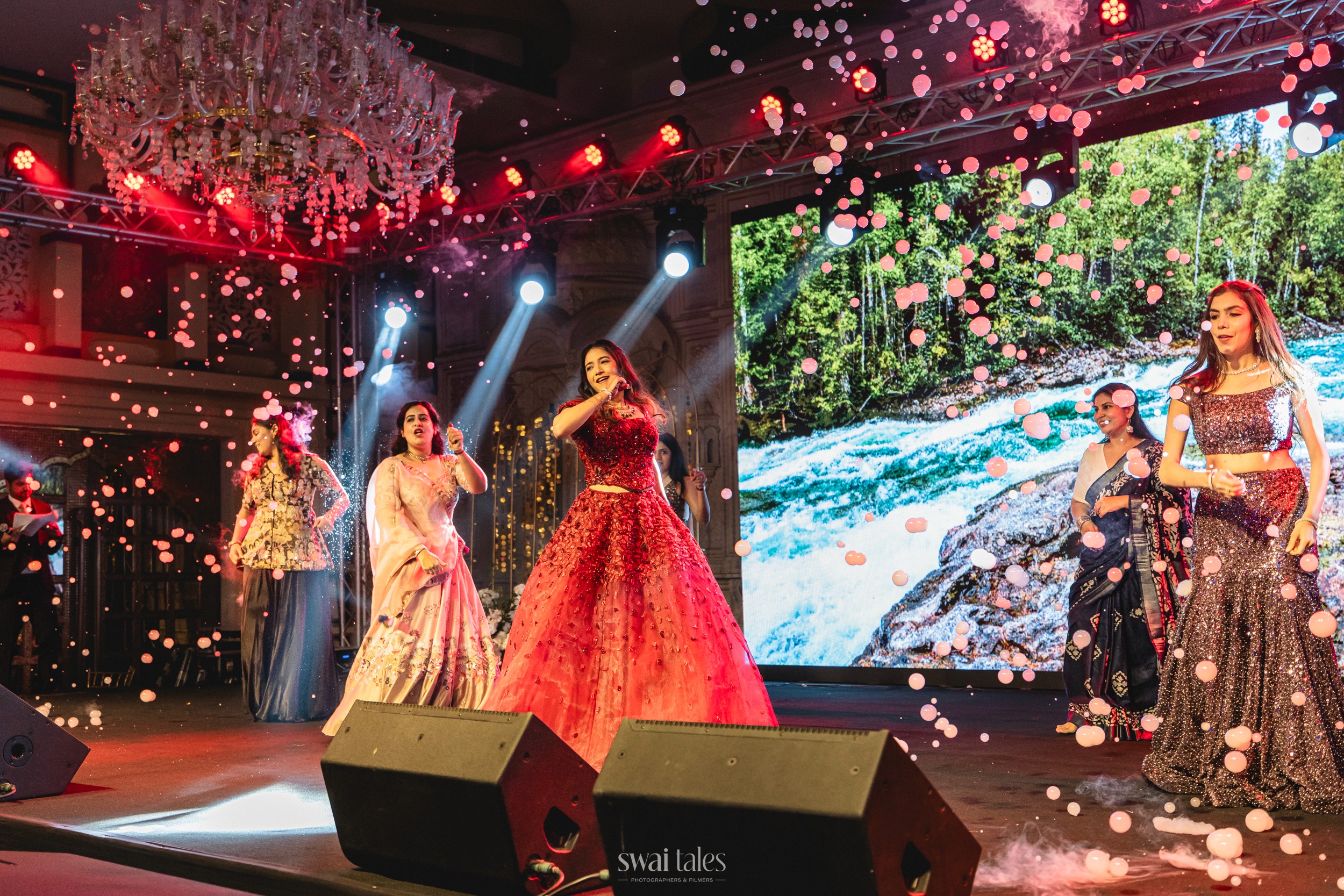
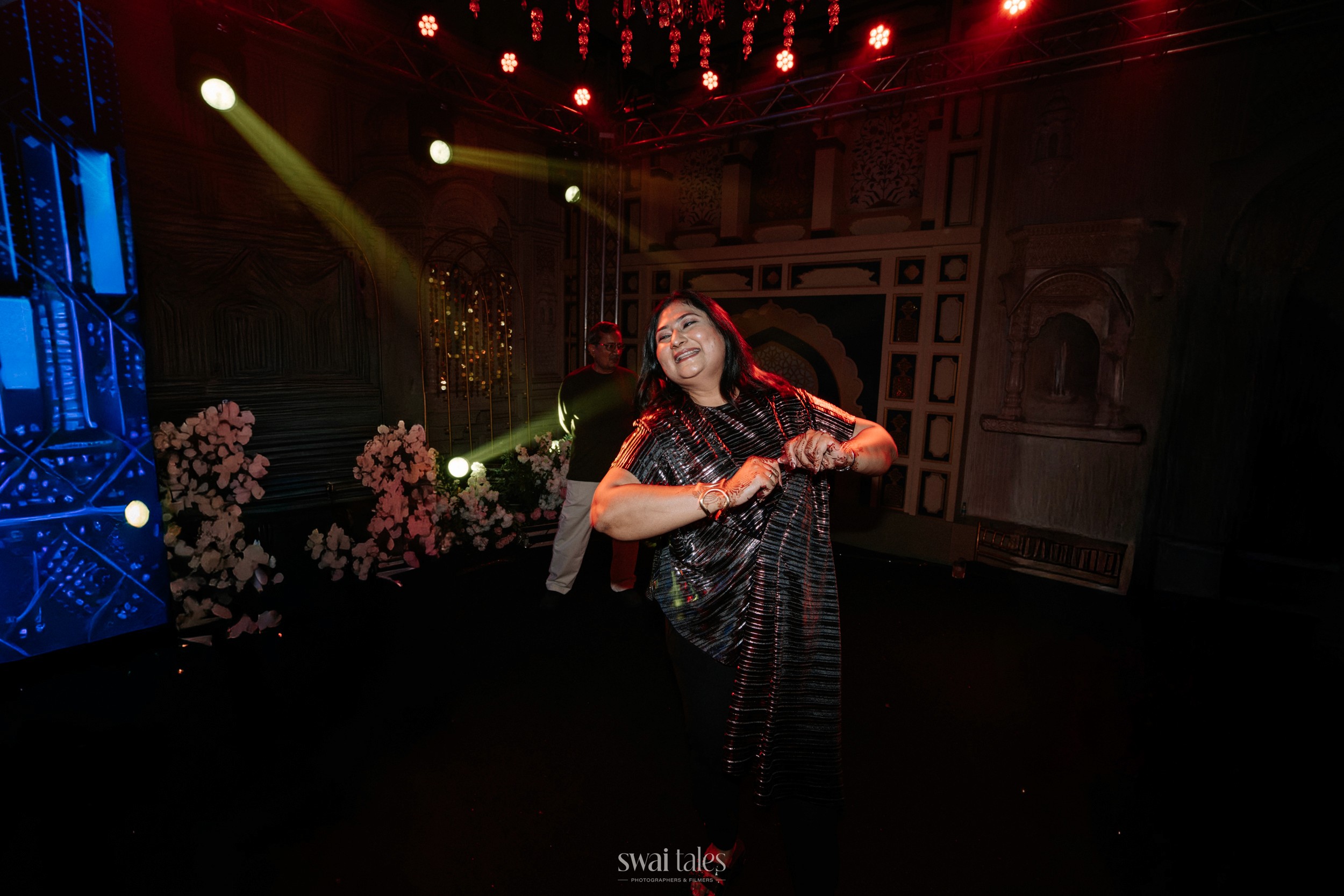
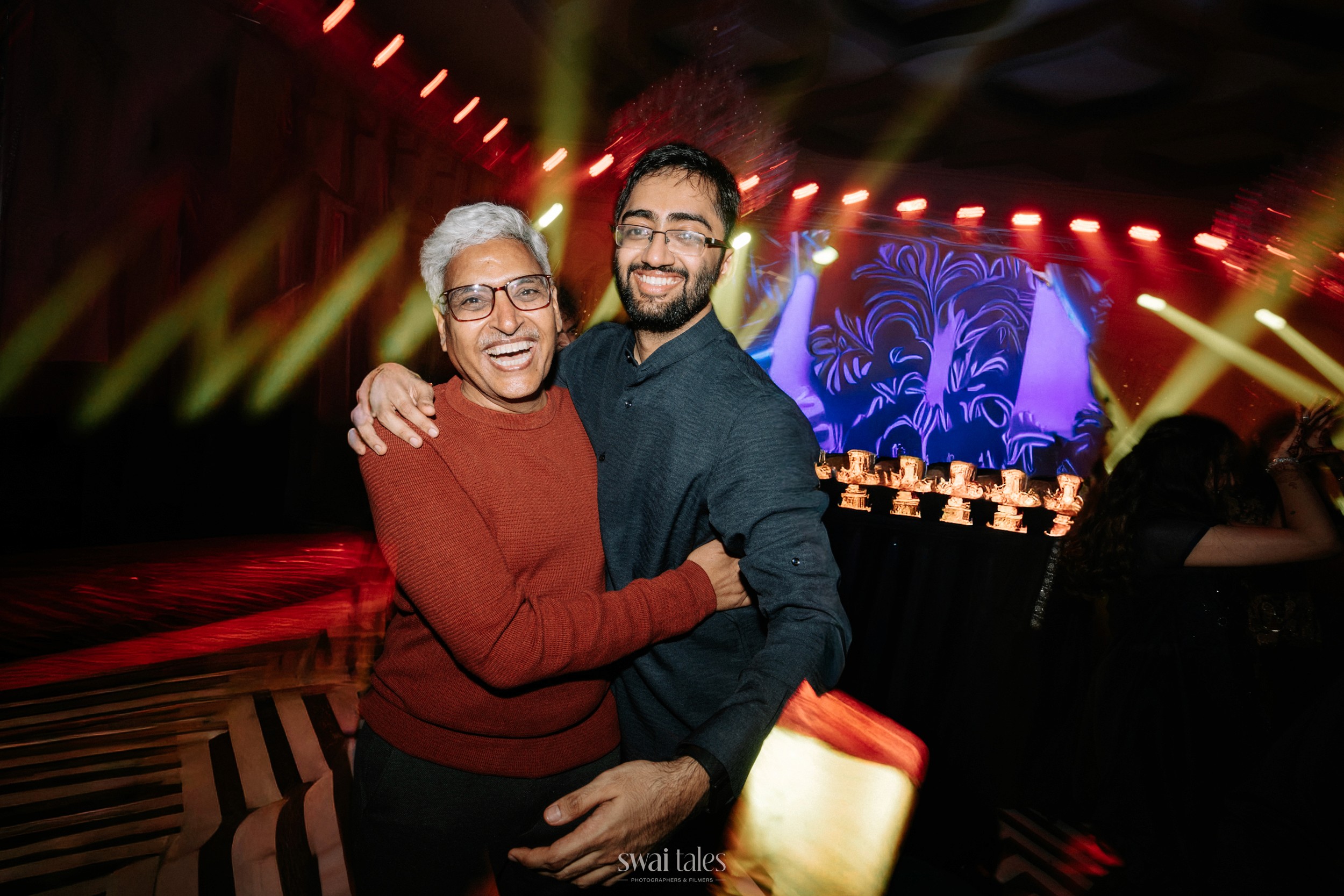
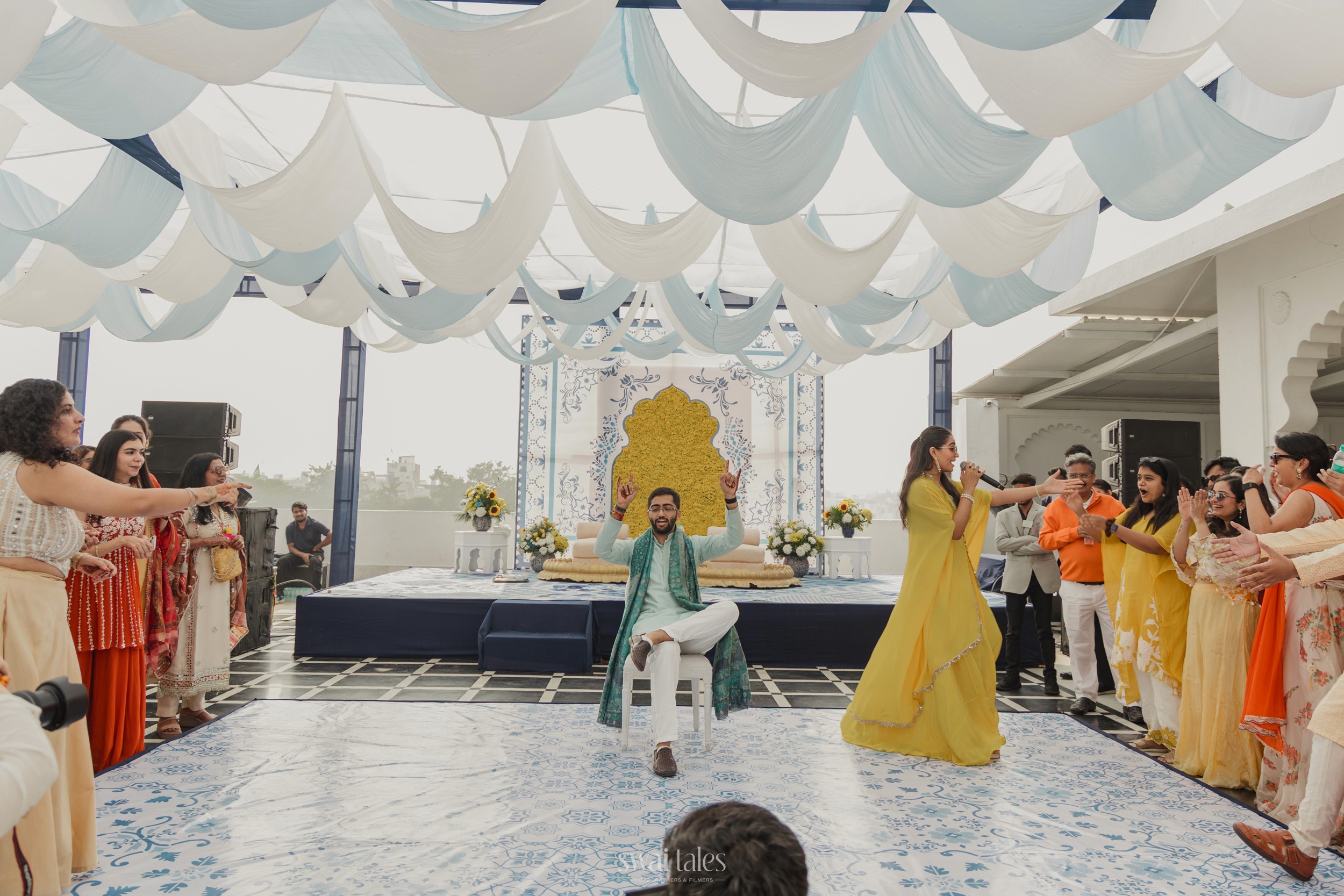
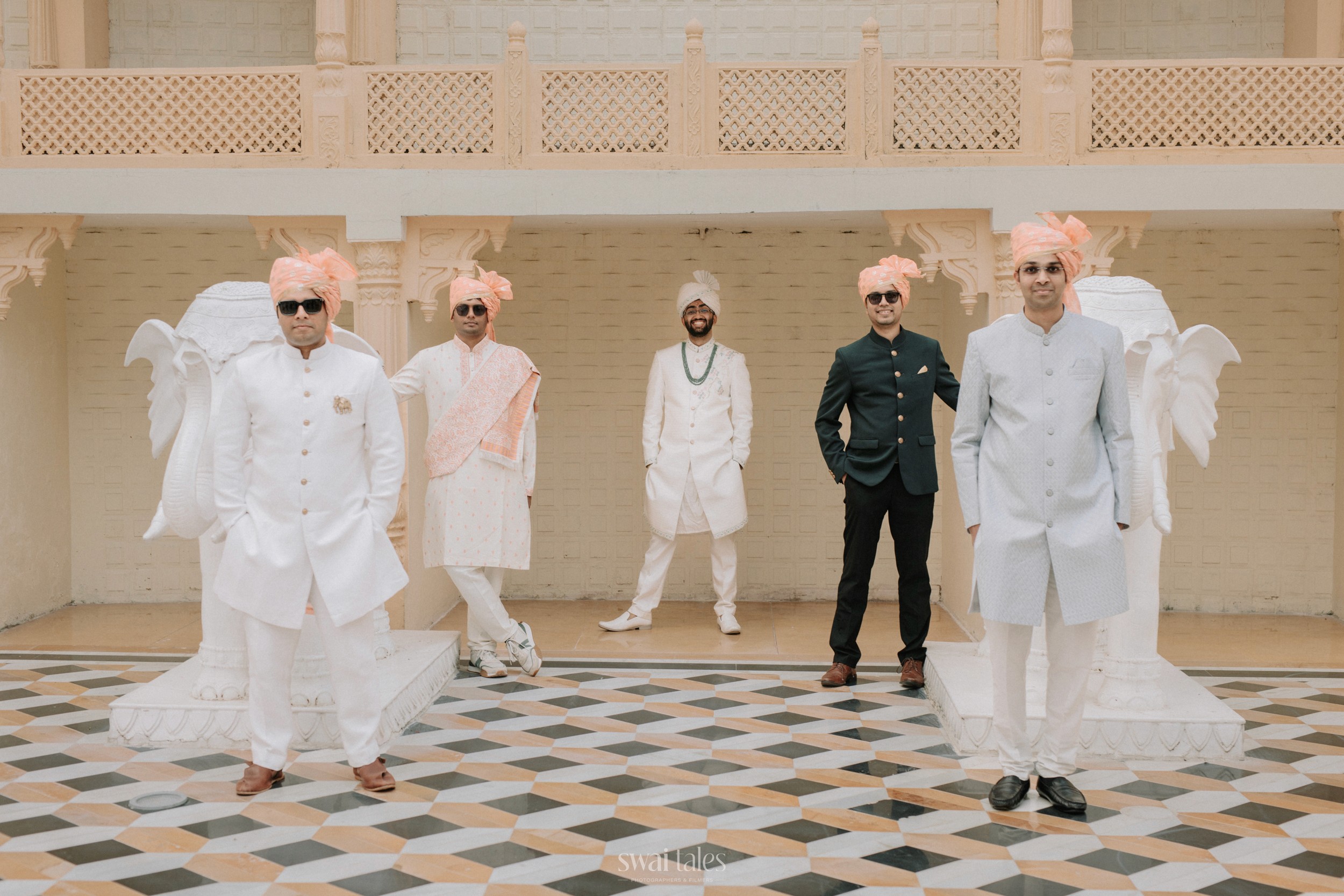
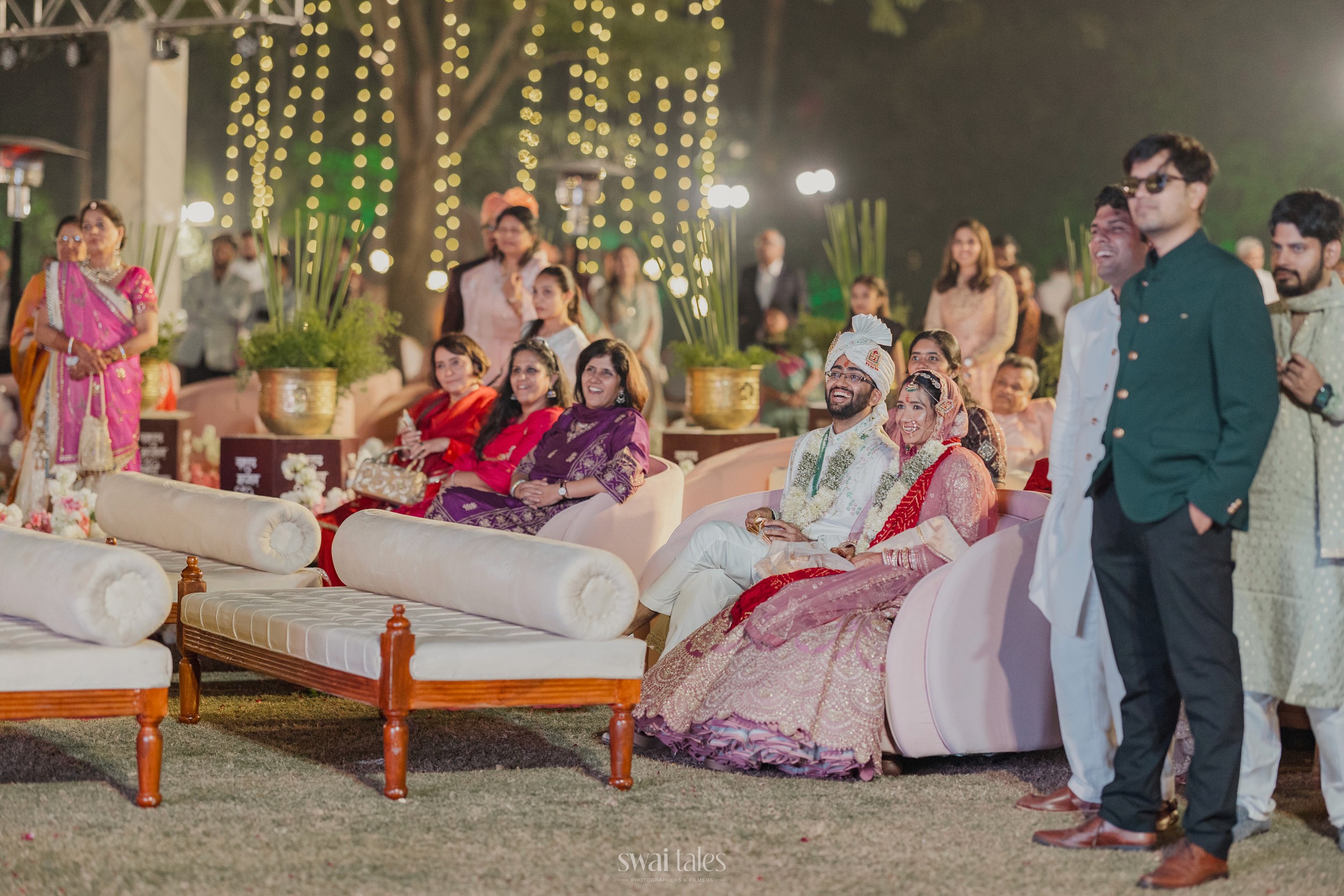
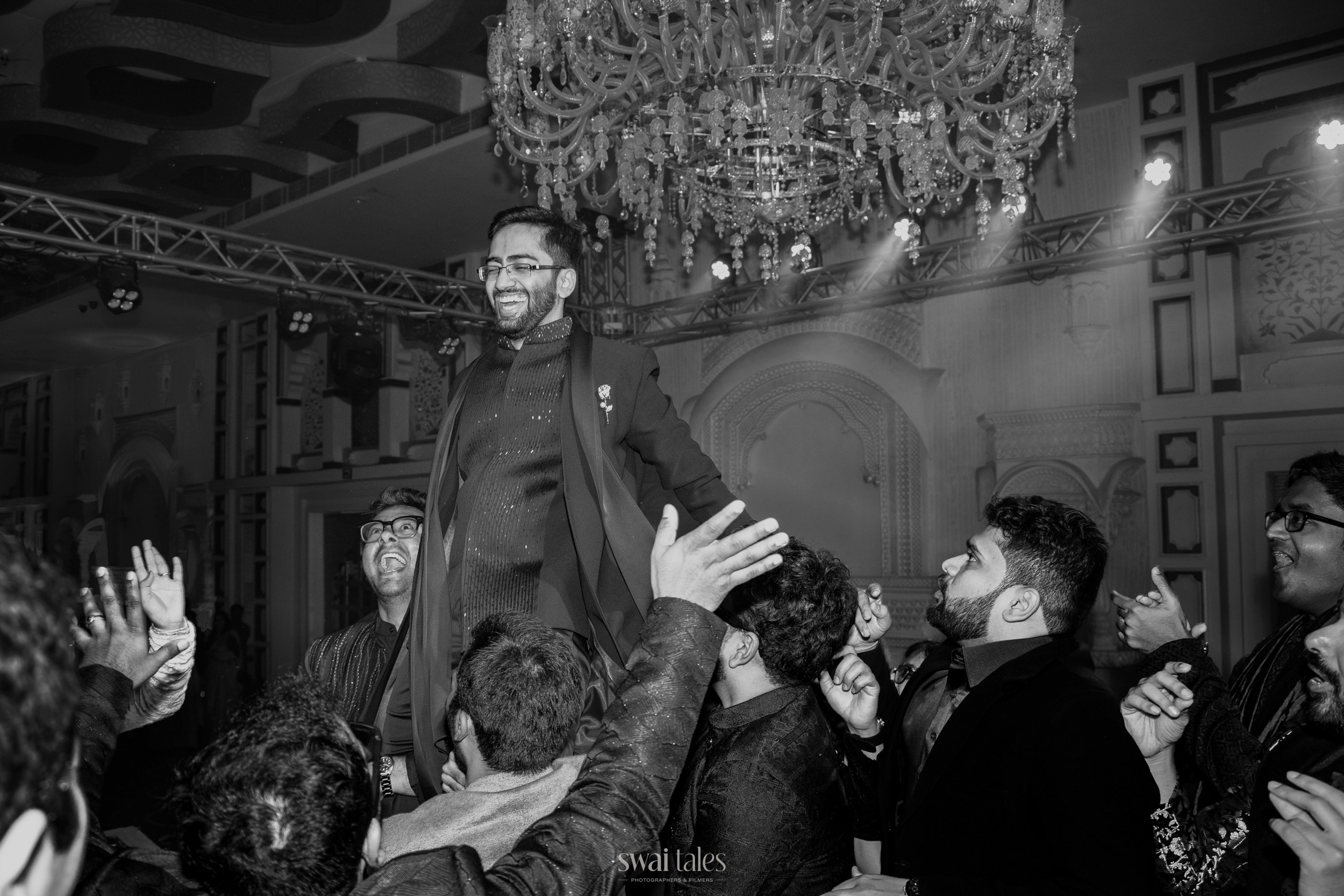
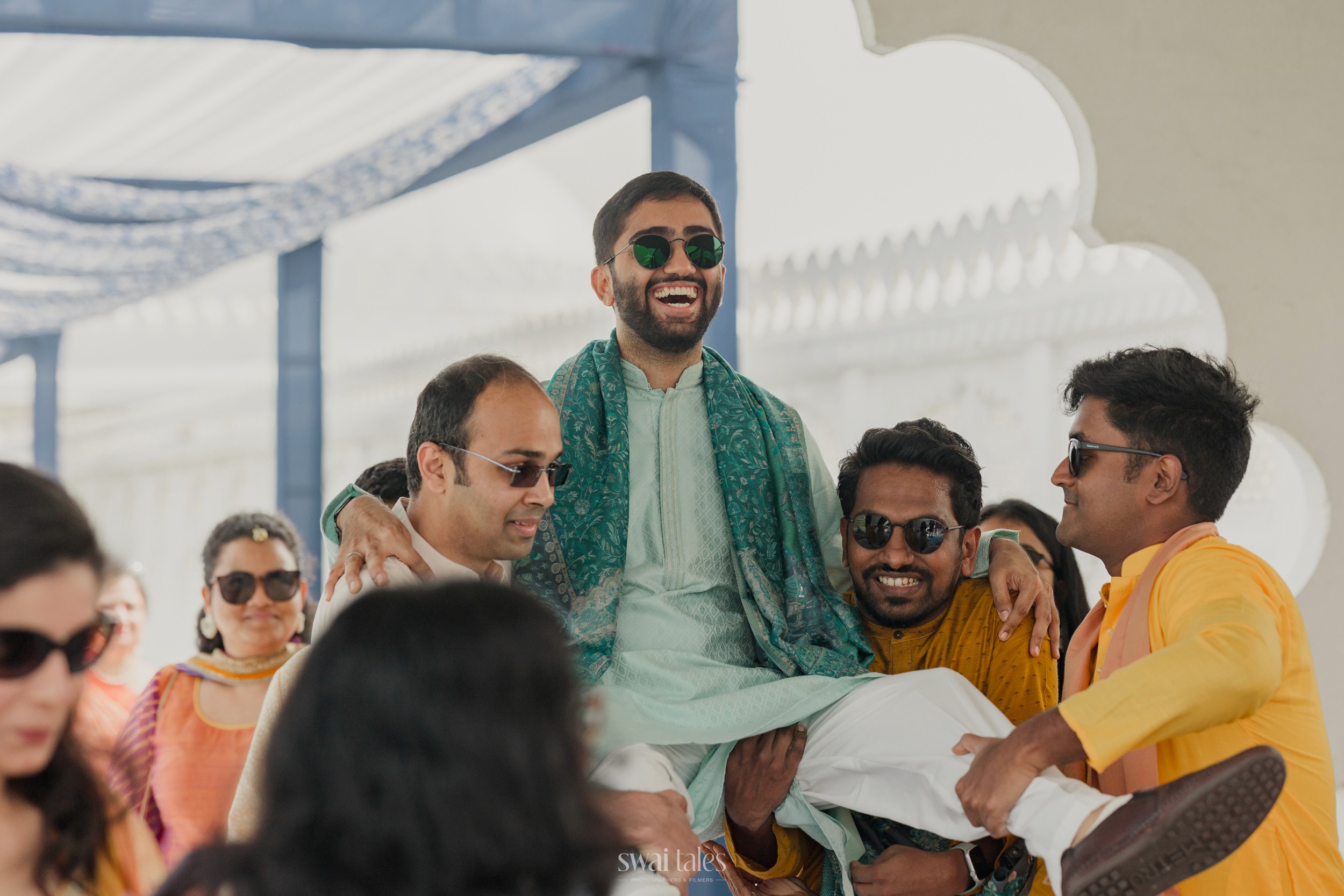
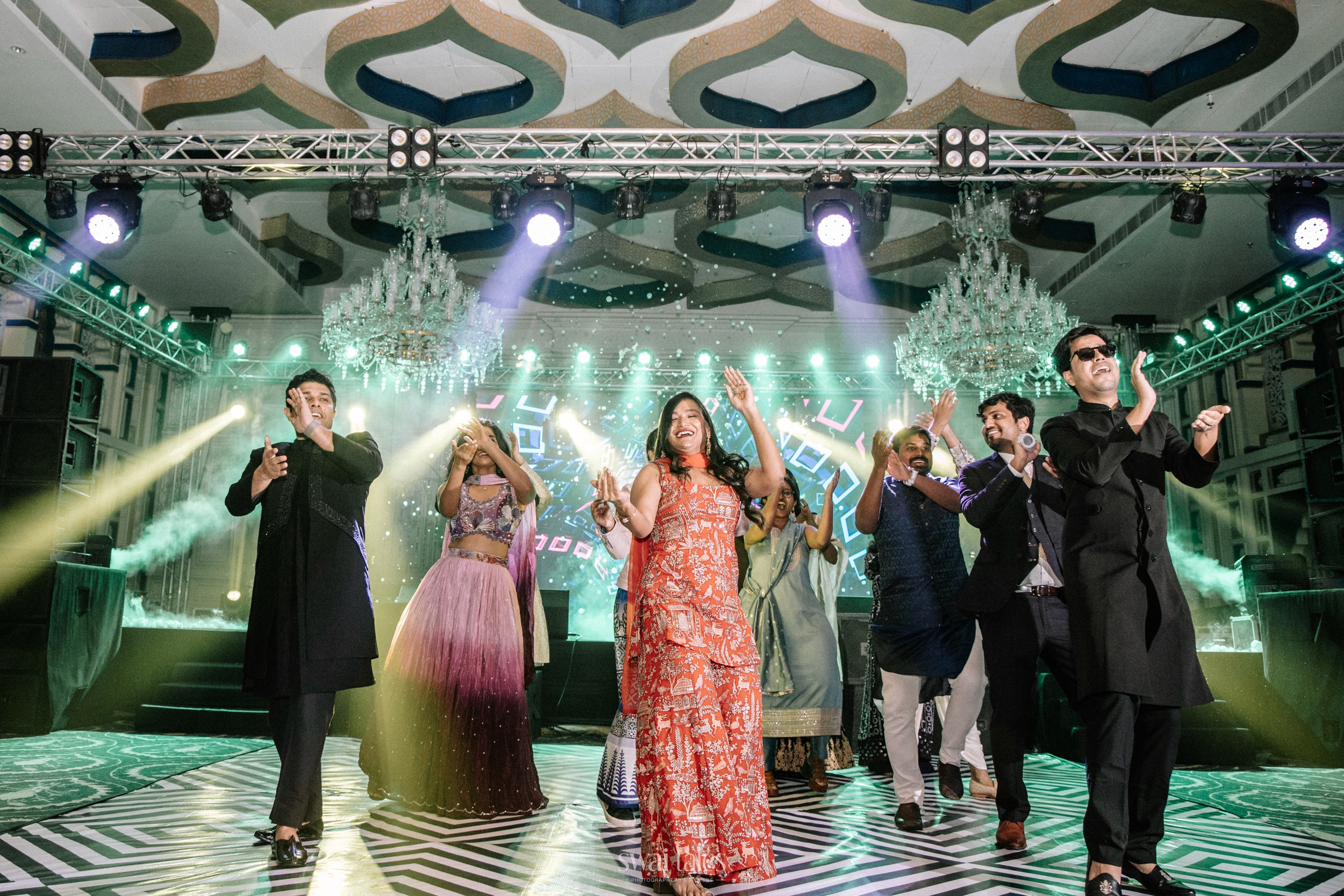
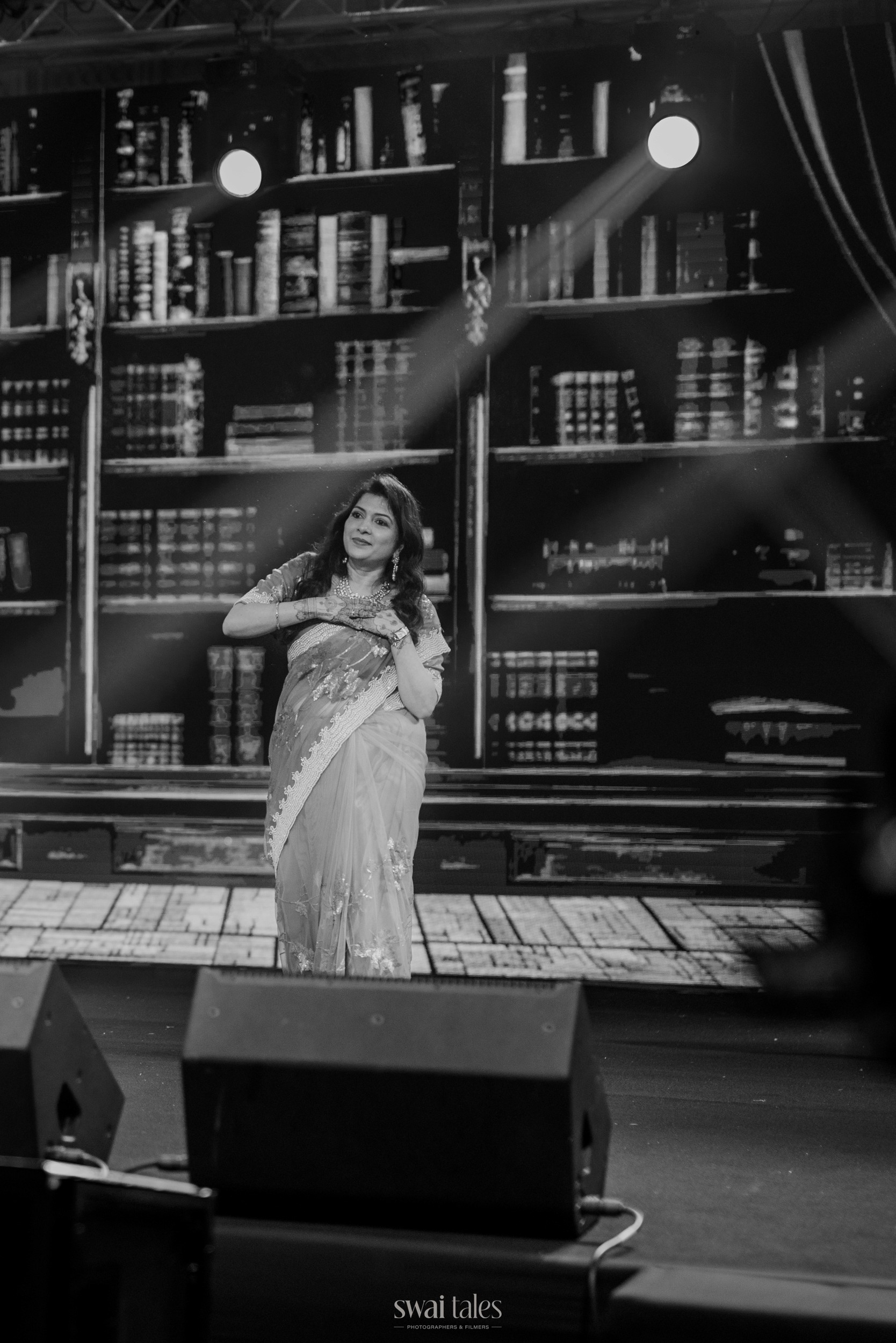
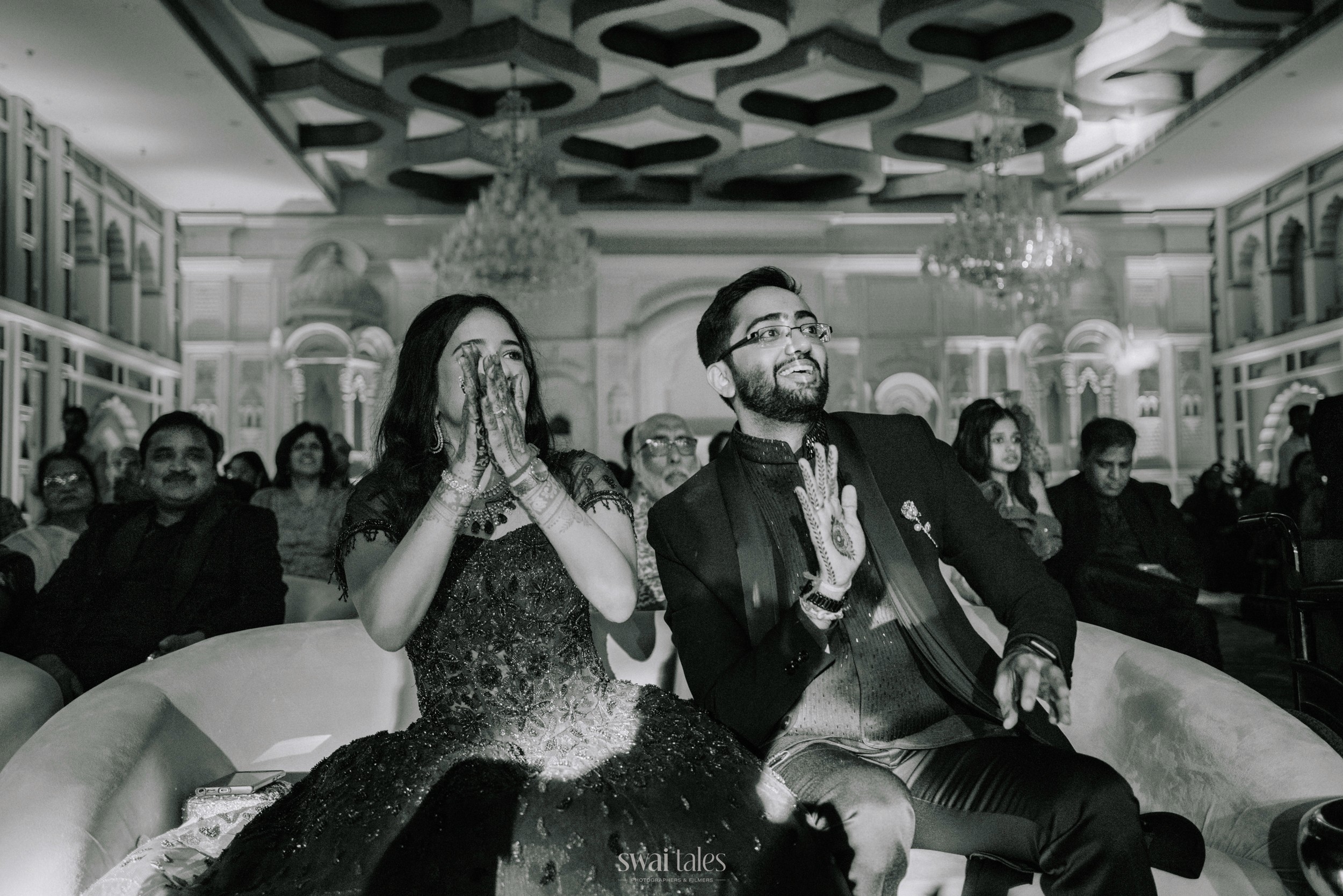
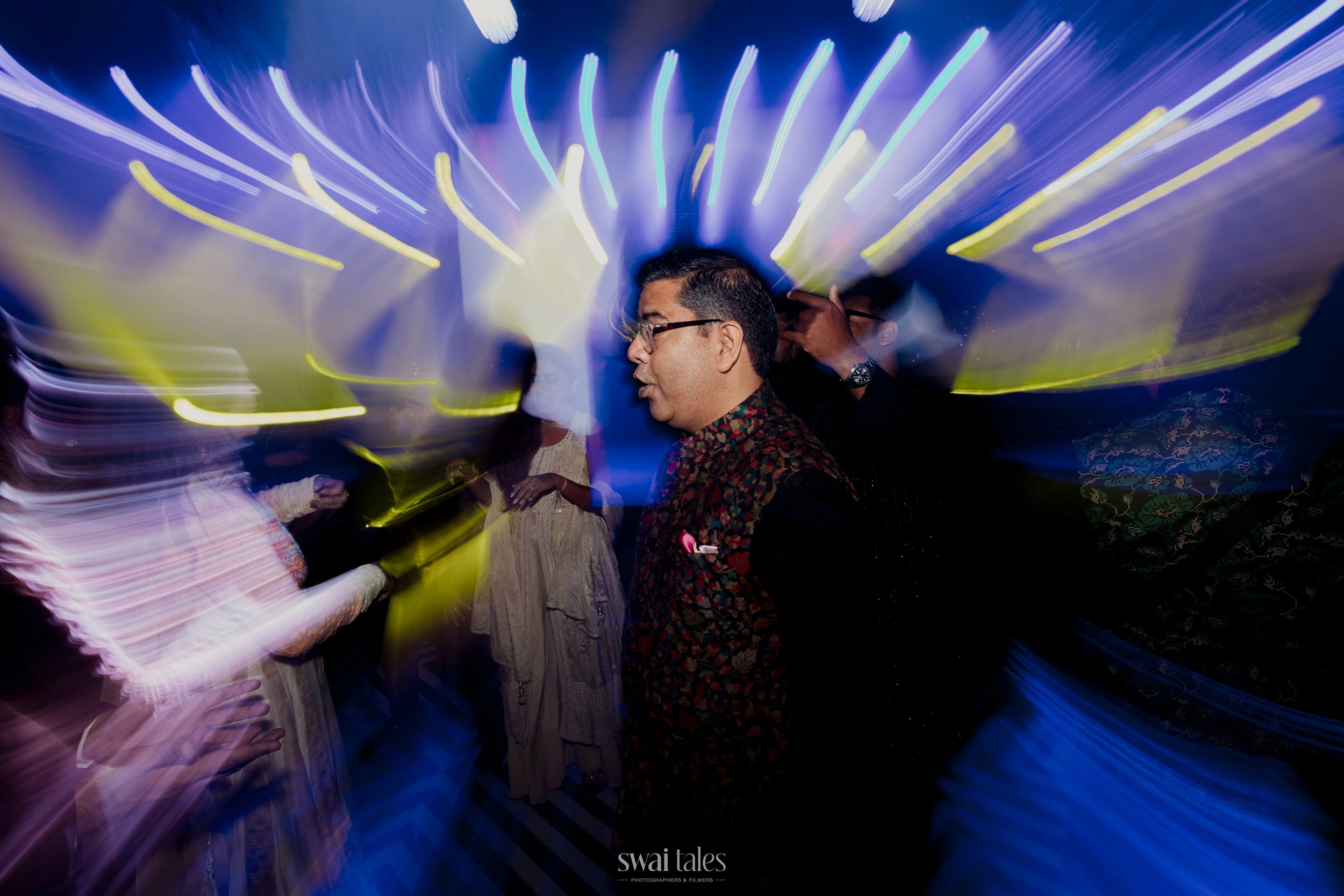
The evening started with performances — both families had prepared acts, ranging from genuinely rehearsed to memorably enthusiastic — and Anish sat with his groomsmen in the front row with the expression of a man enjoying himself more than he had planned to. He laughed at the right moments. He applauded sincerely. He did not, for the first hour, dance.
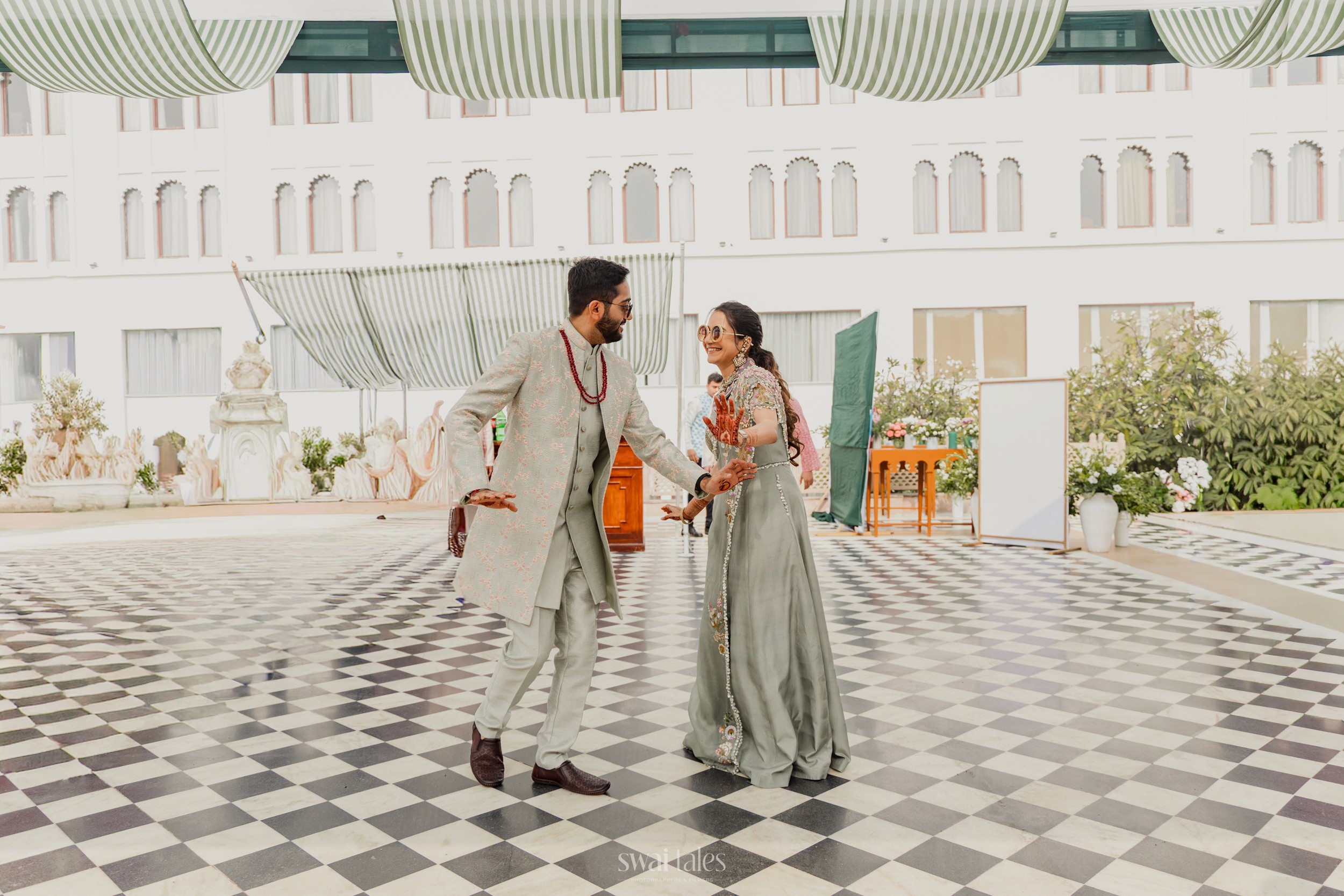
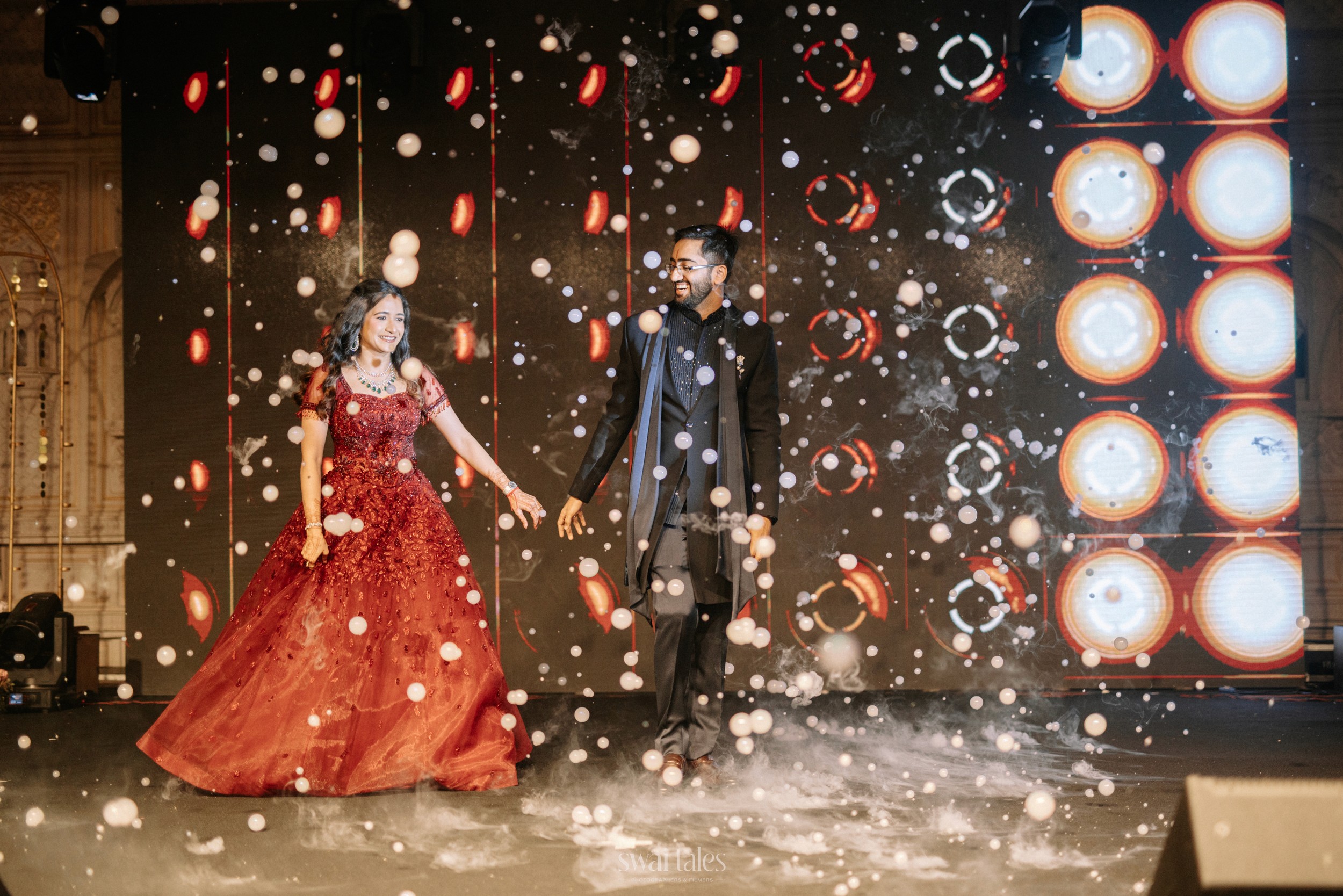
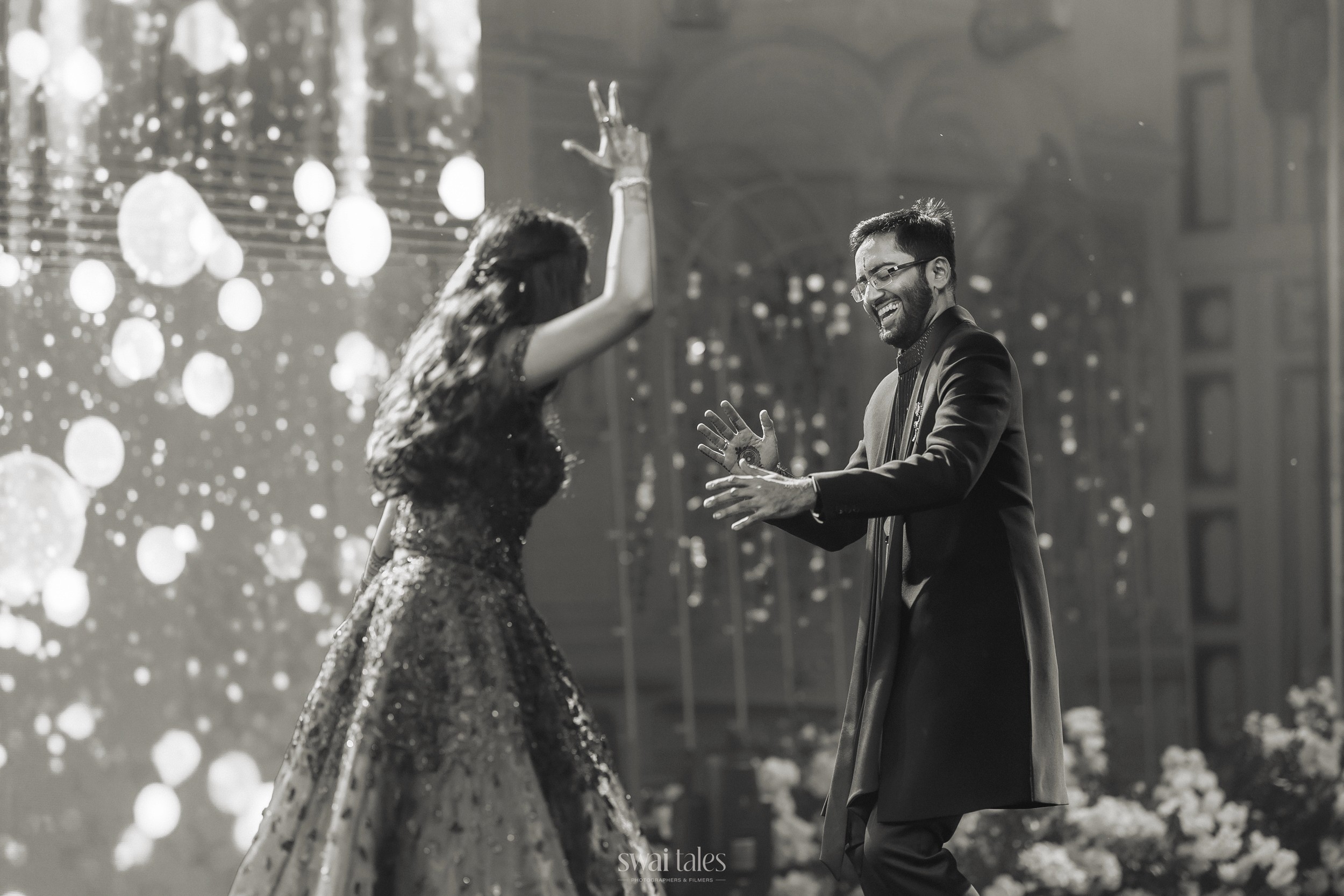
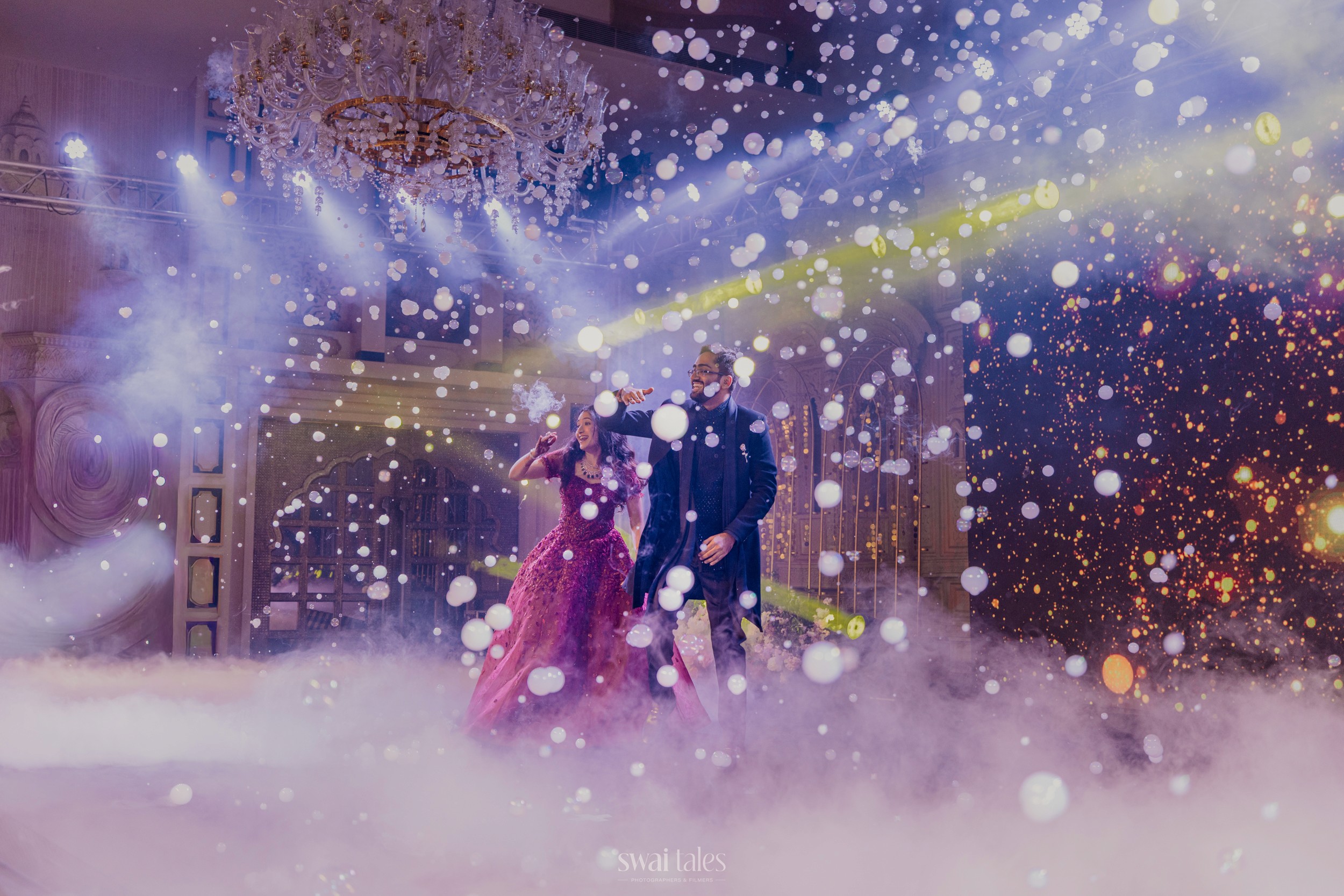
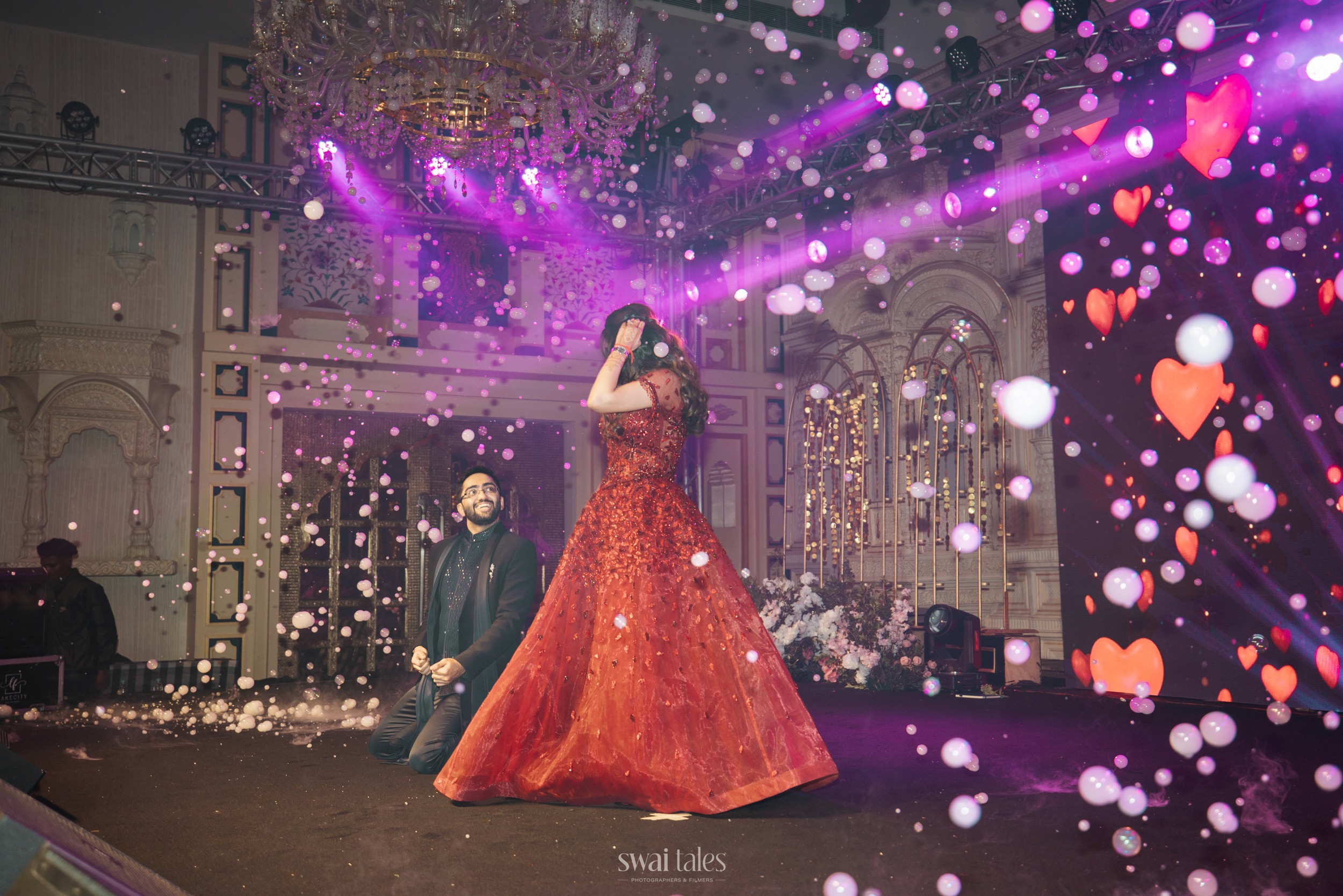
Then Abhishika's parents dedicated a song to the couple and called them both to the floor.
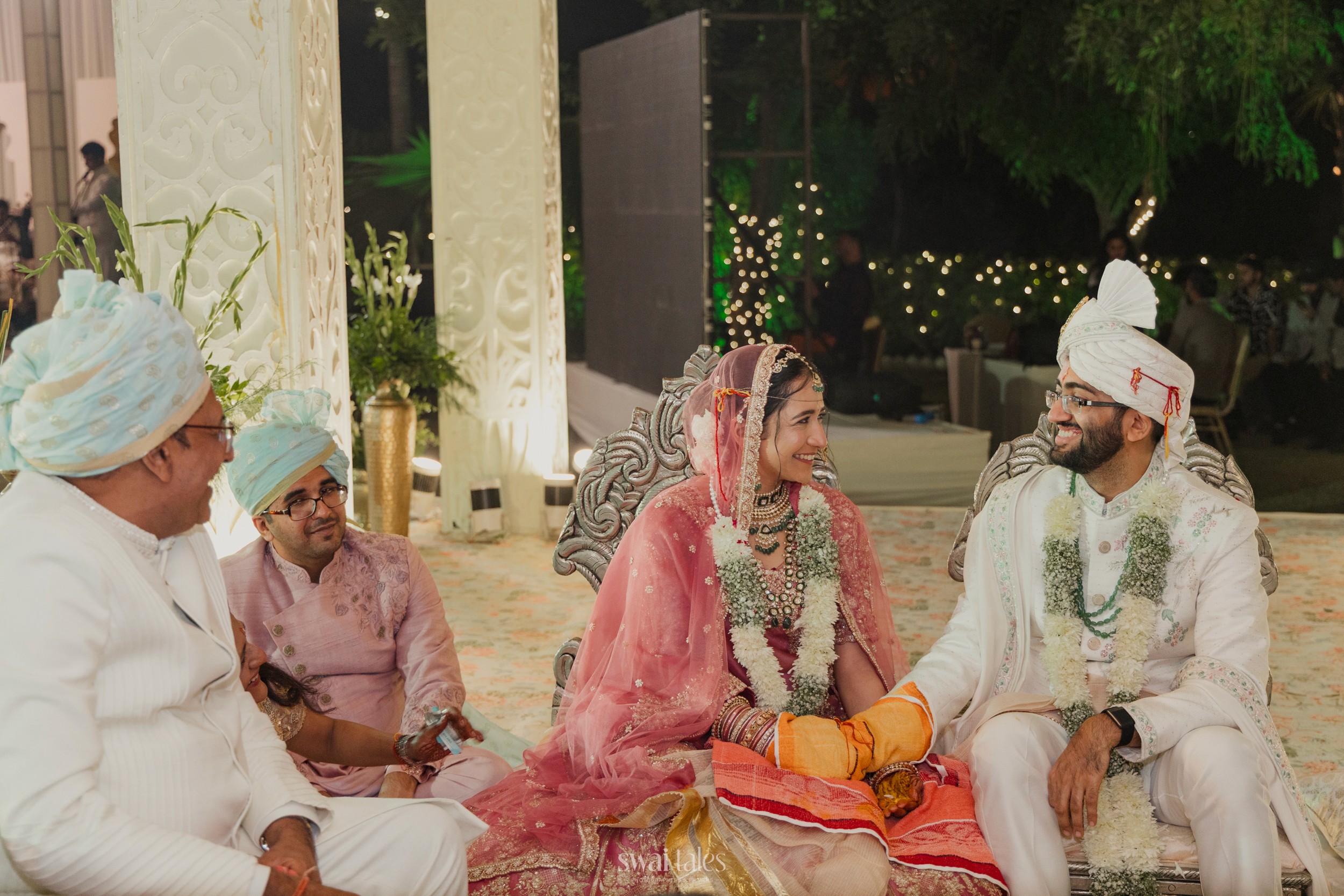
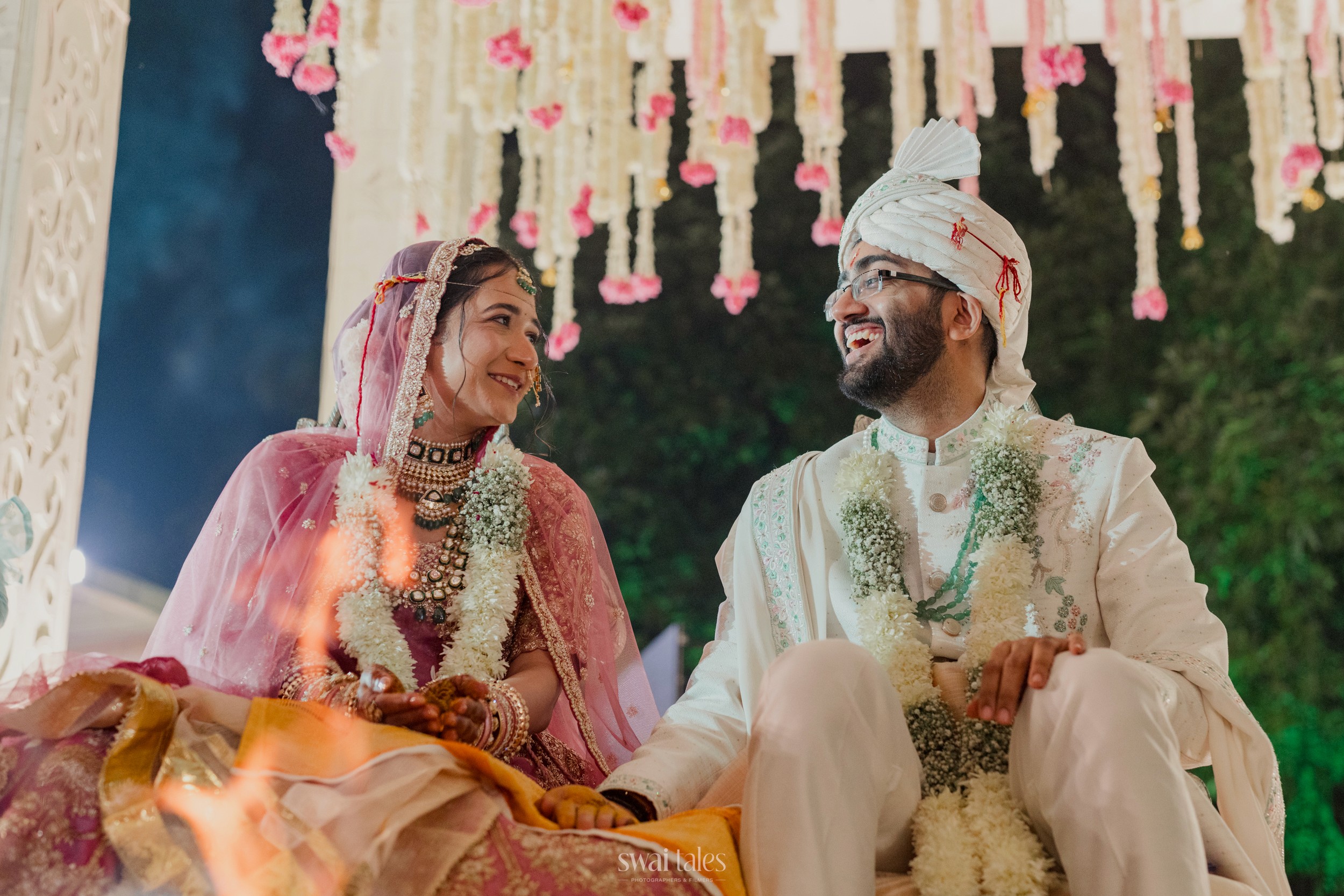
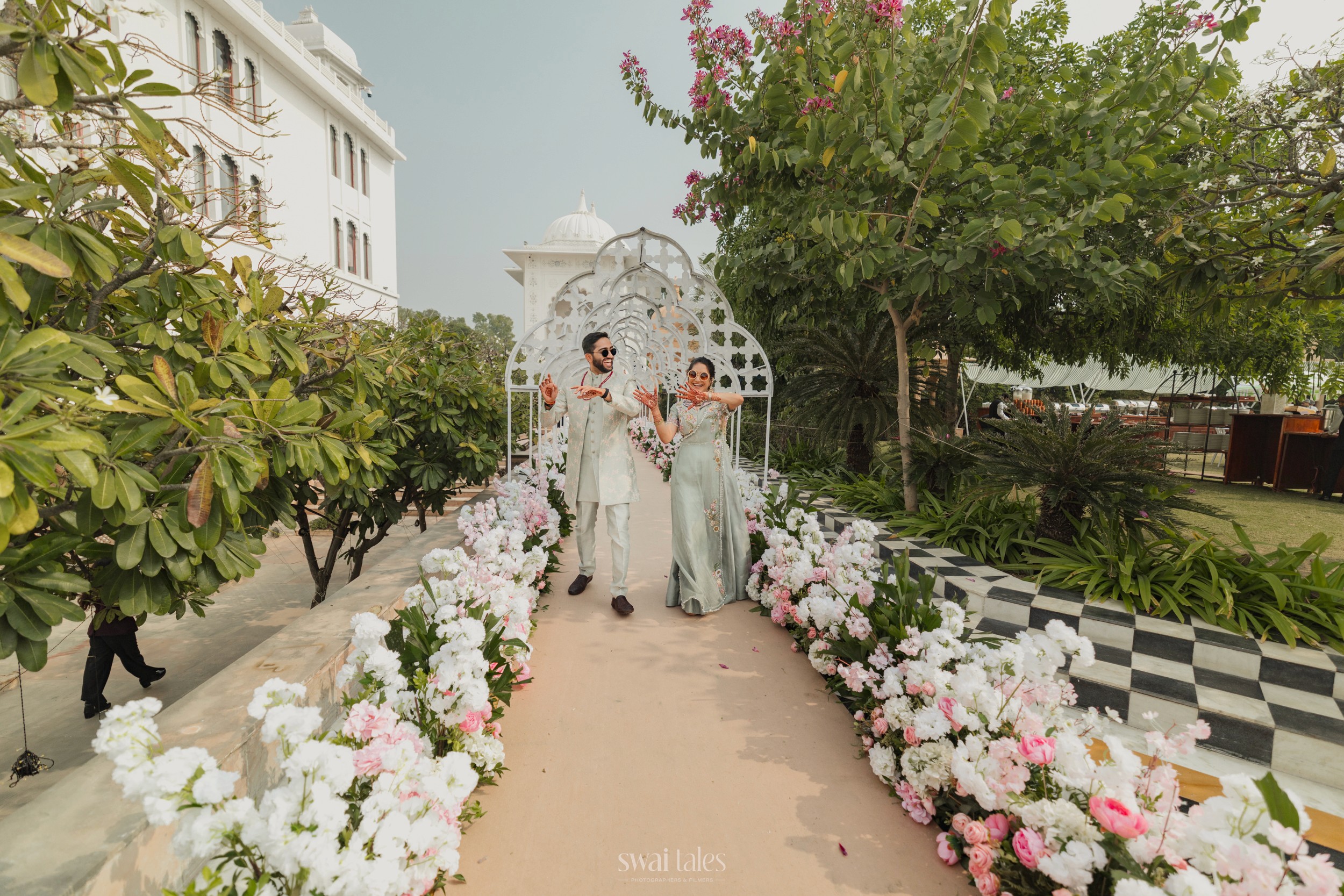
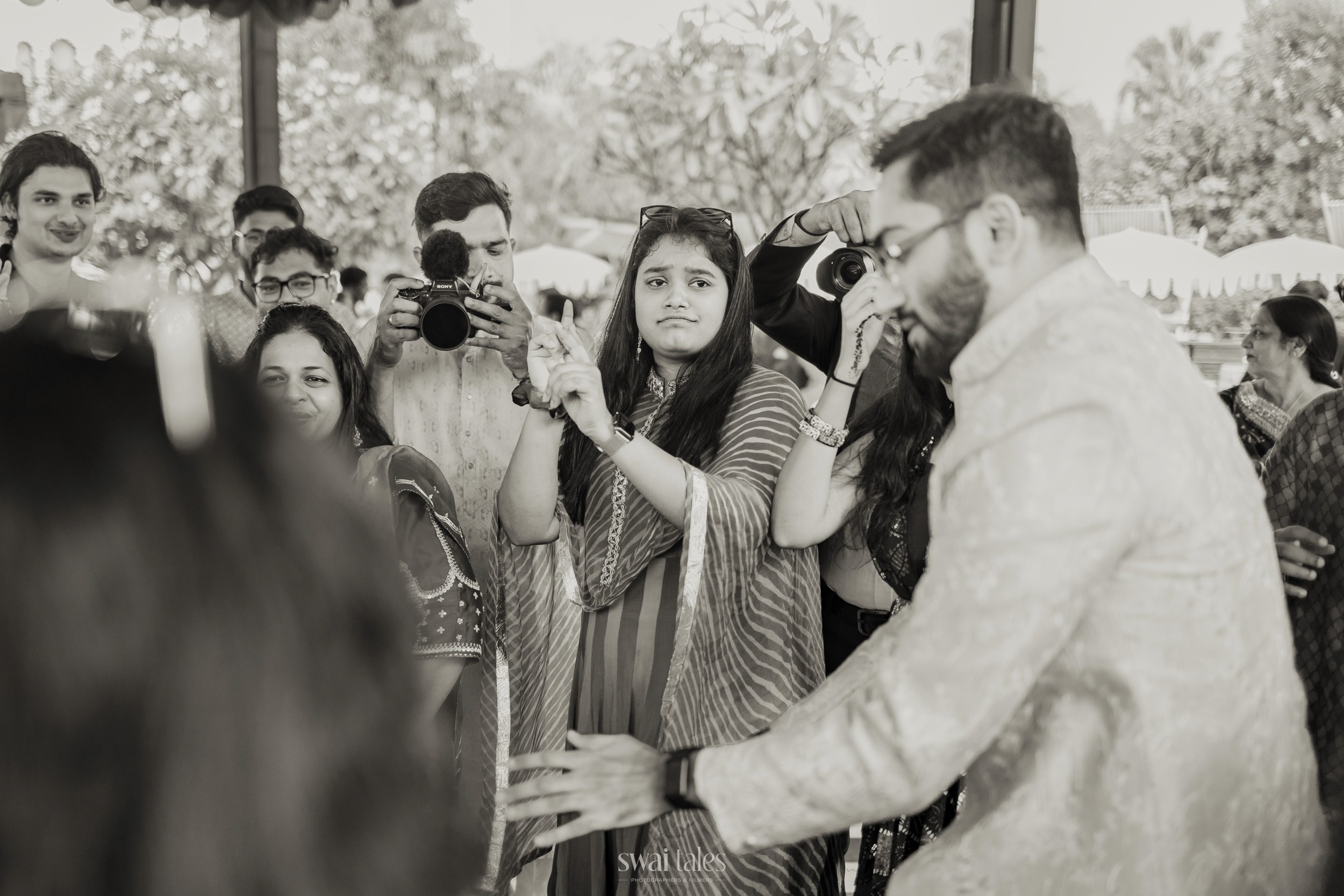
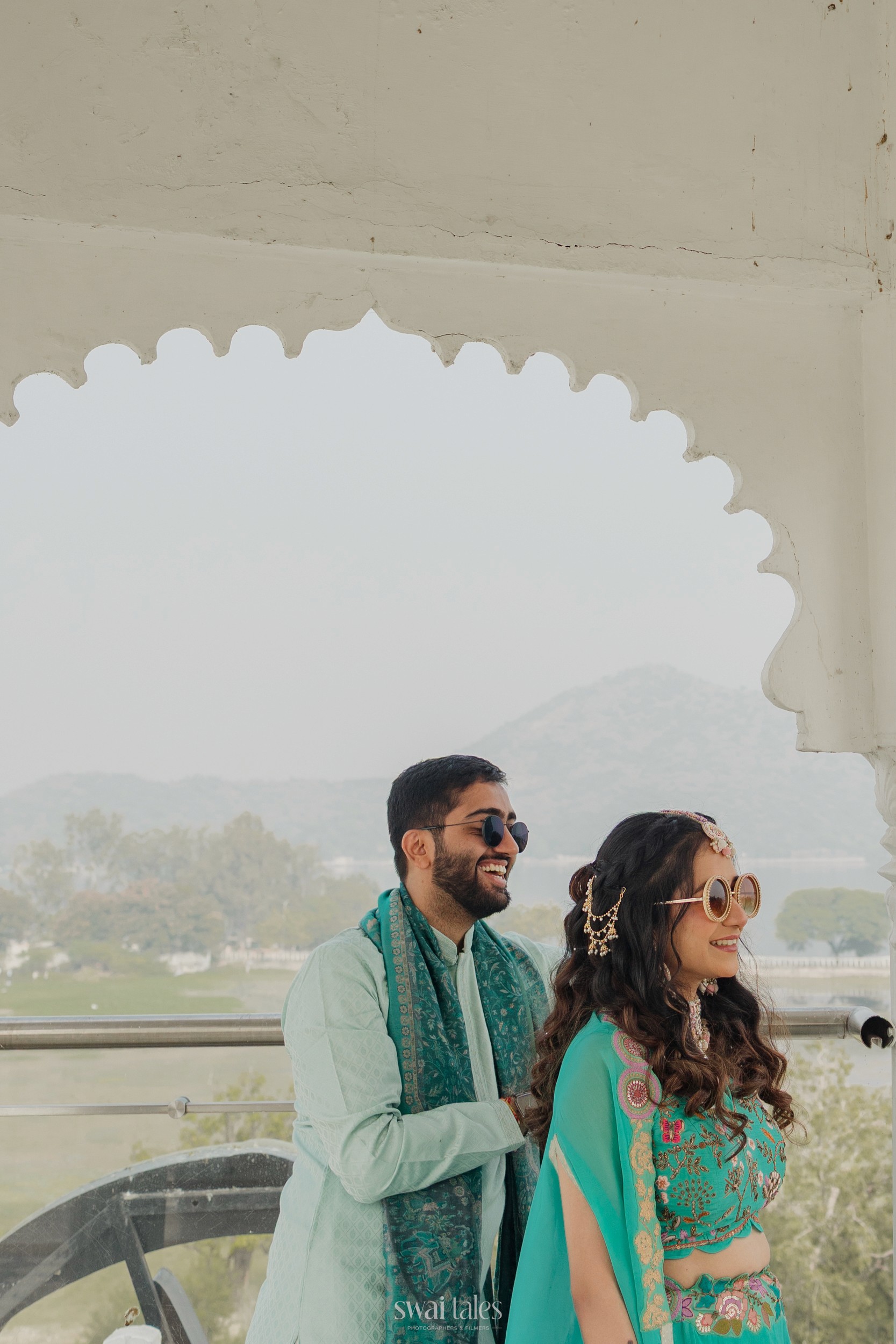
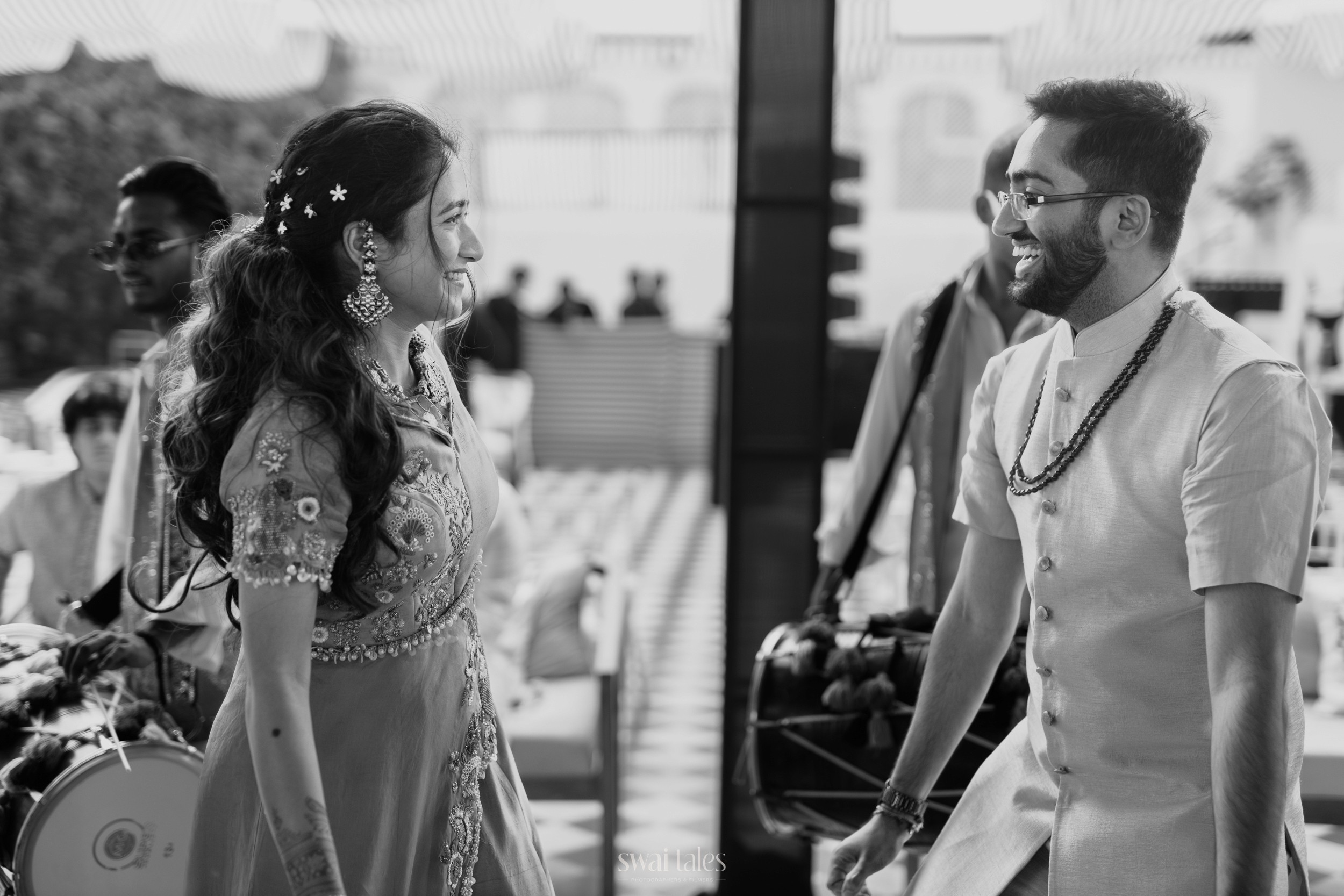
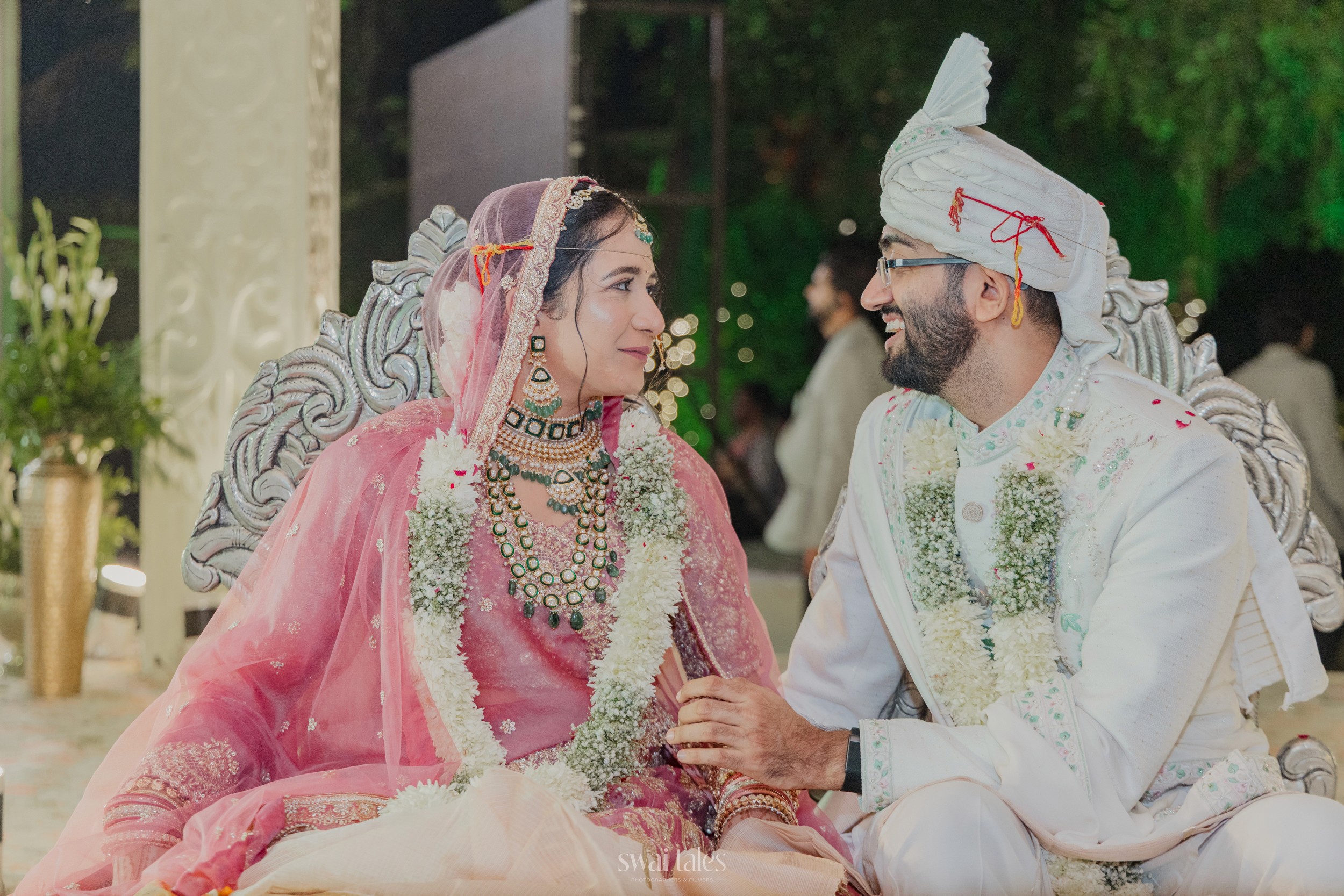
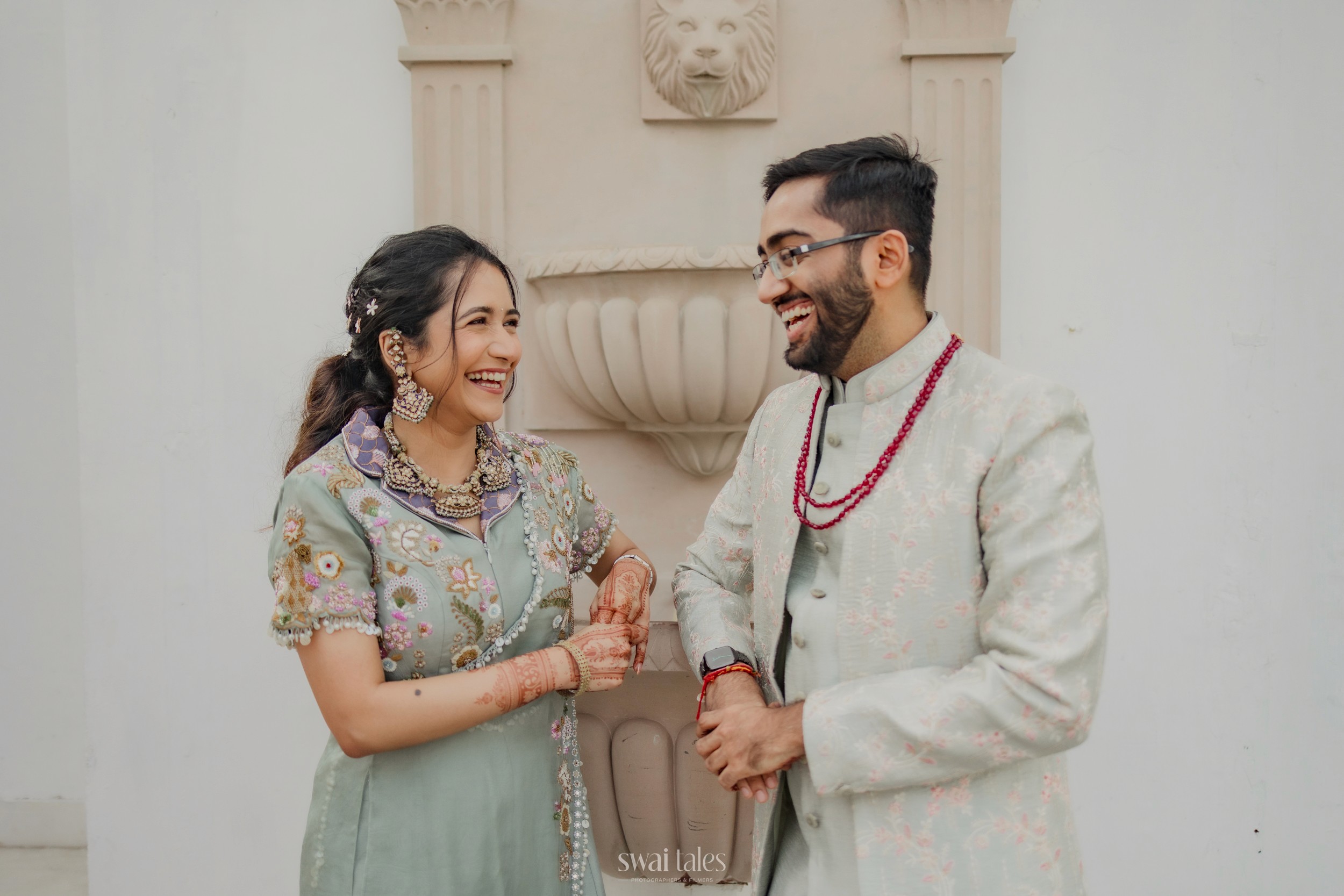
Anish stood up. He walked to where Abhishika was waiting. He danced — not reluctantly, not stiffly, but with the particular freedom of someone who has decided that this specific moment is worth being fully present for. Abhishika, who had been watching him all evening with the patient amusement of someone who knows a person very well, smiled in a way that had nothing to do with the camera.
We were shooting from the side. Neither of them was looking at us.
Those are the frames we live for.
The Haldi
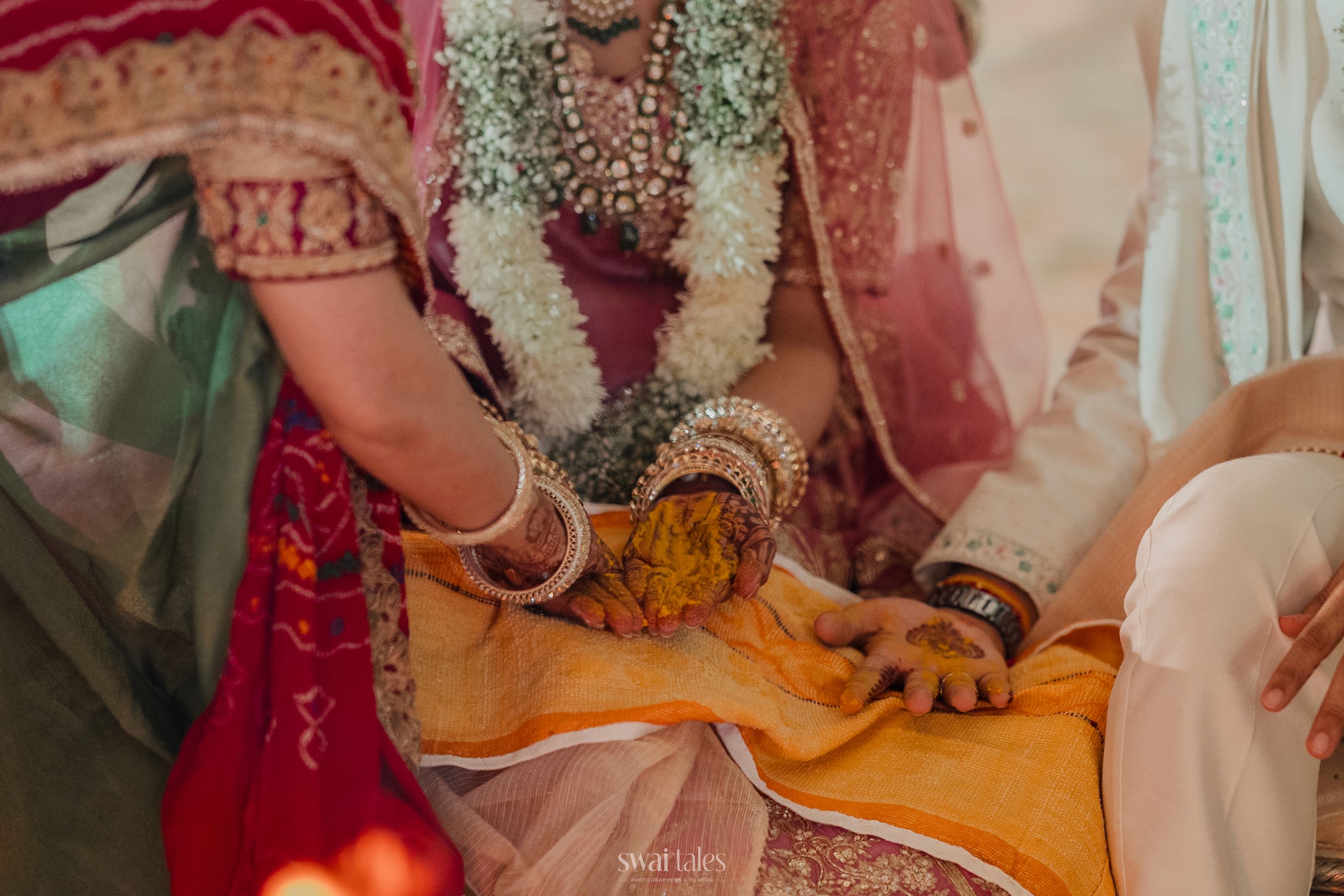
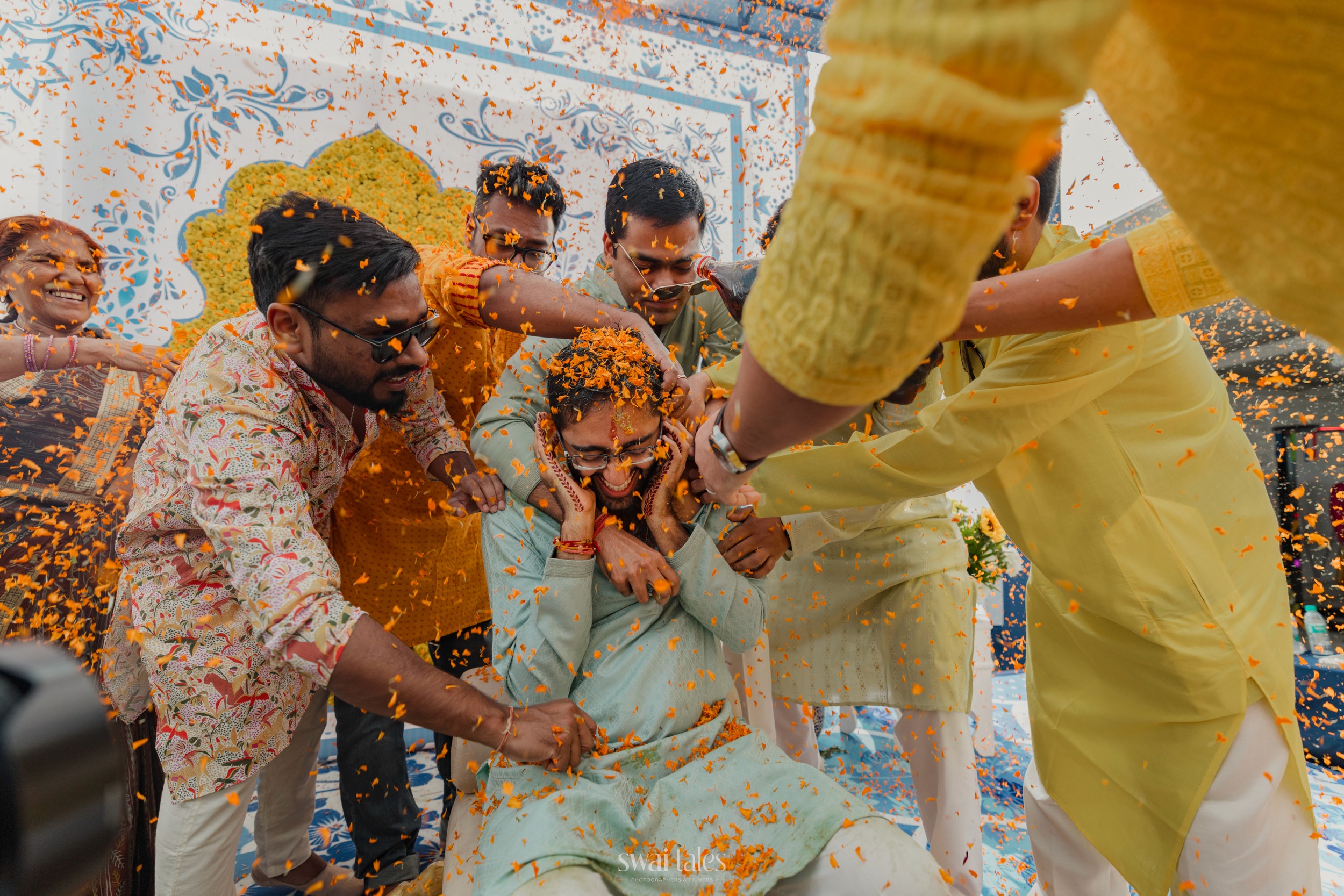
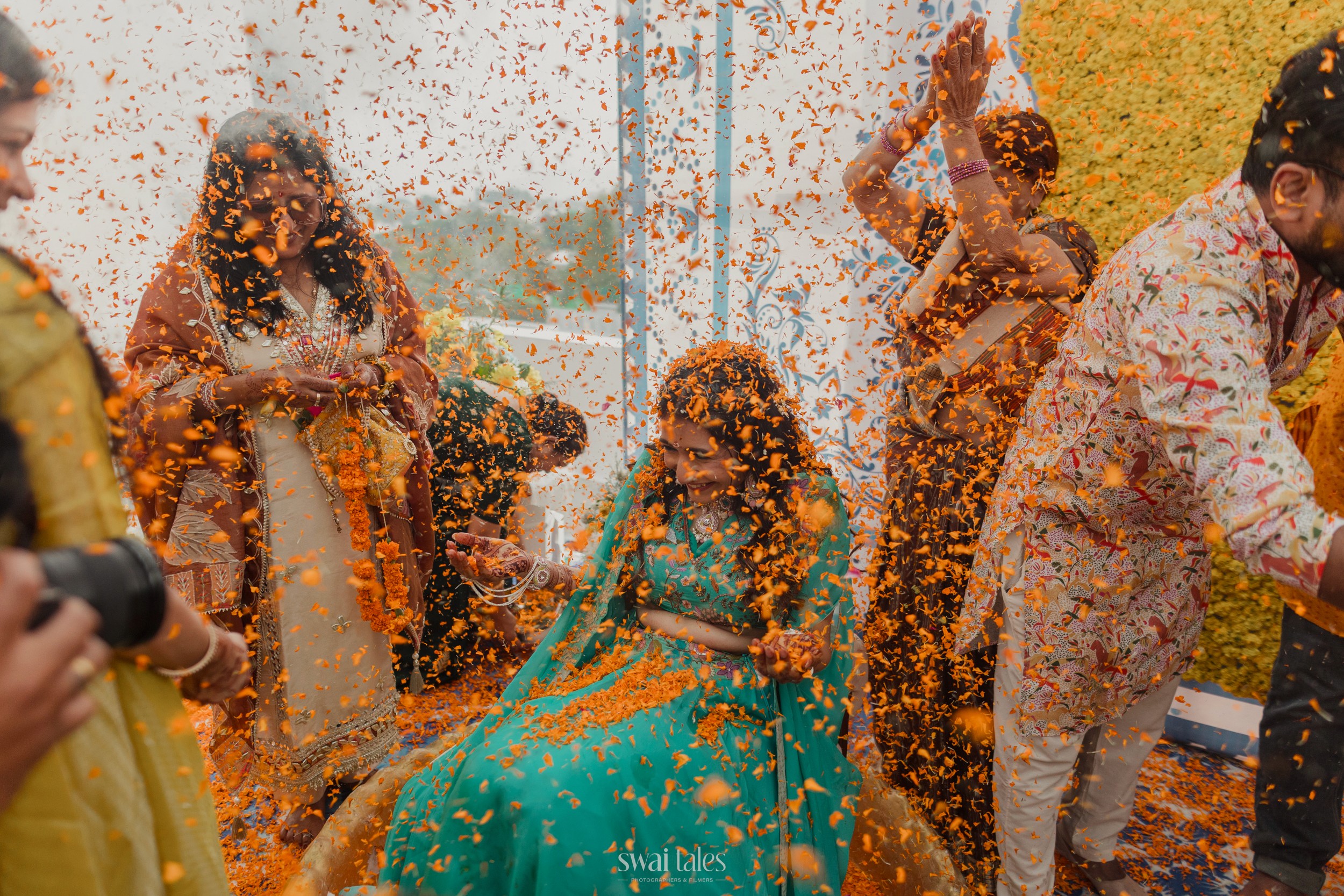
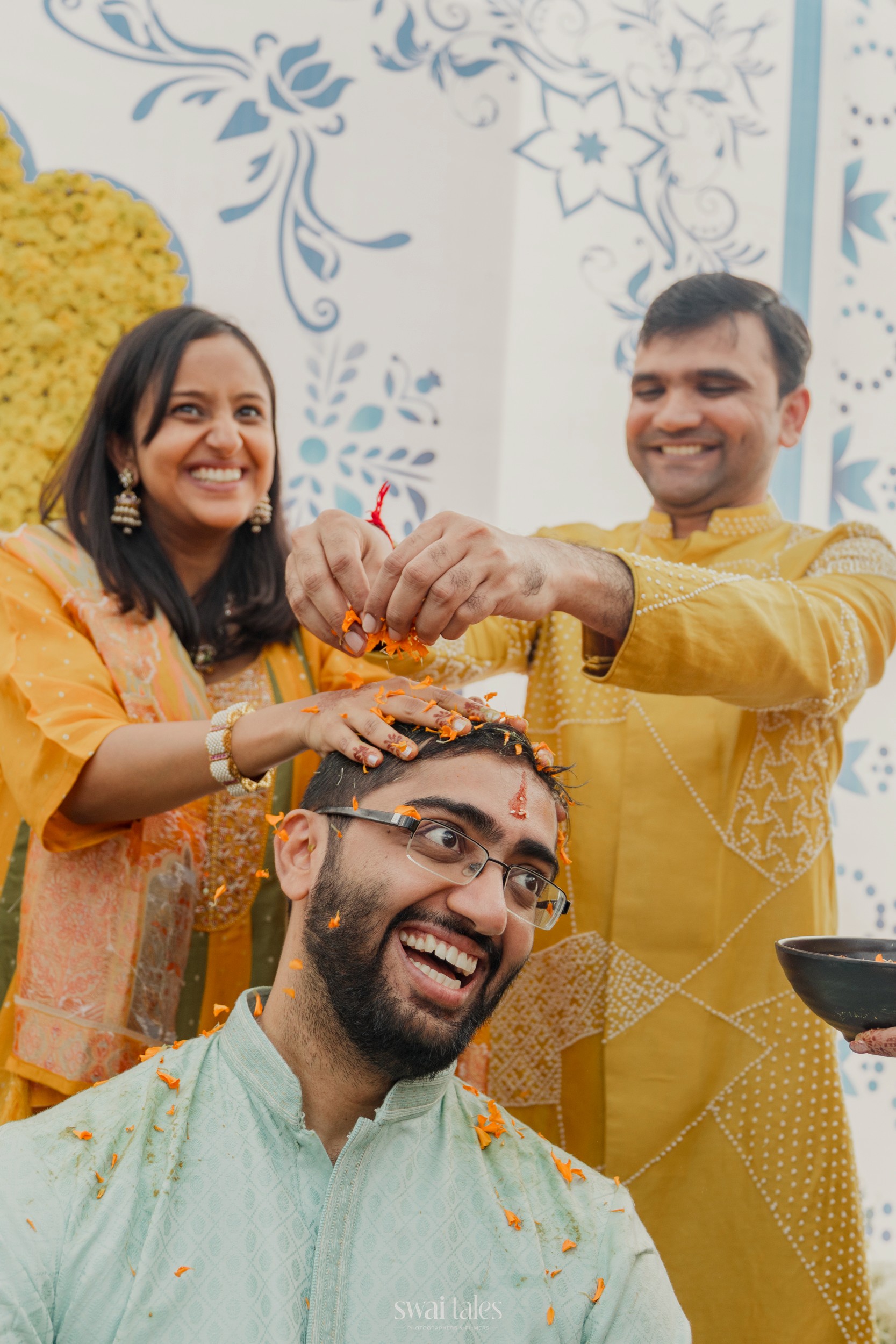
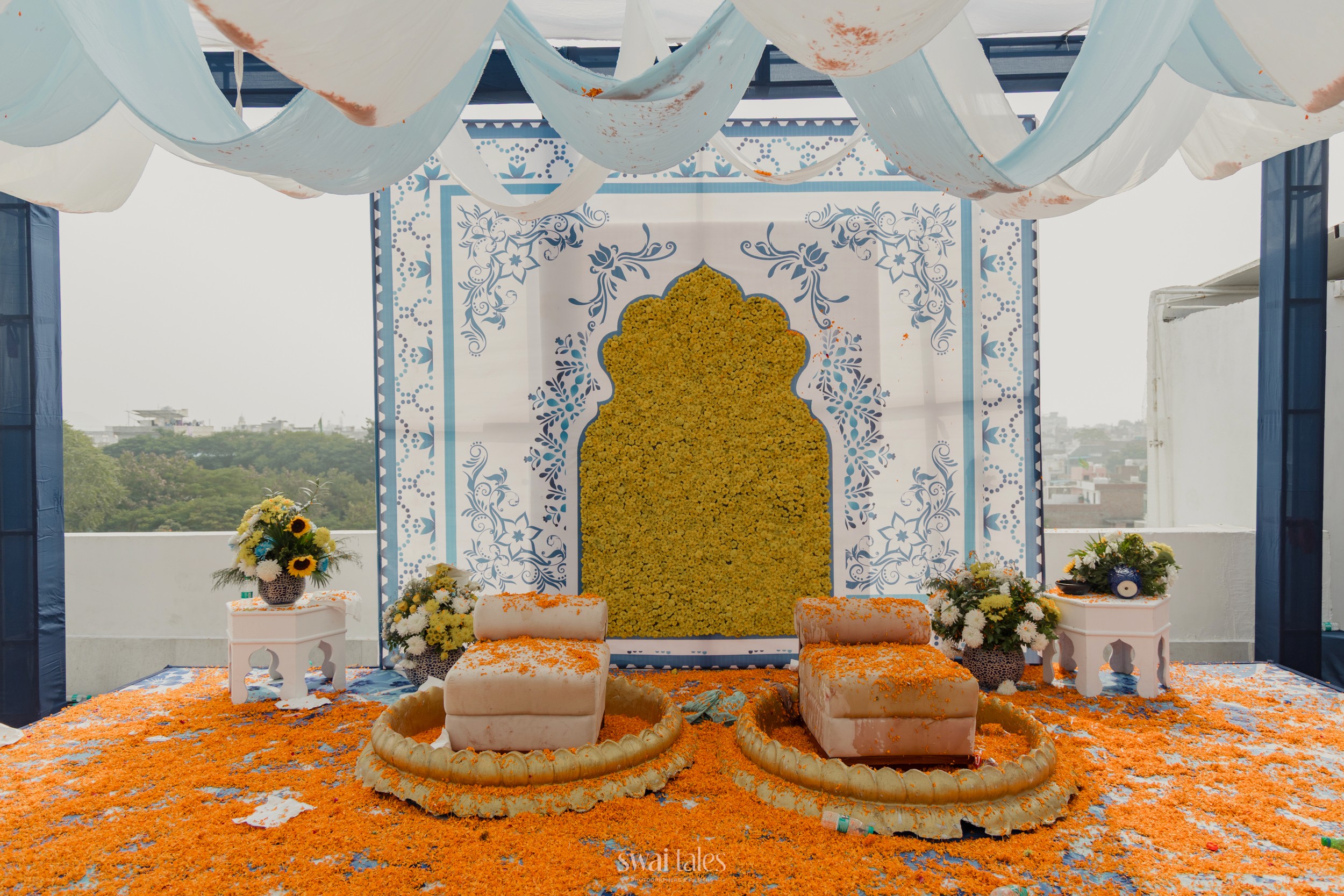
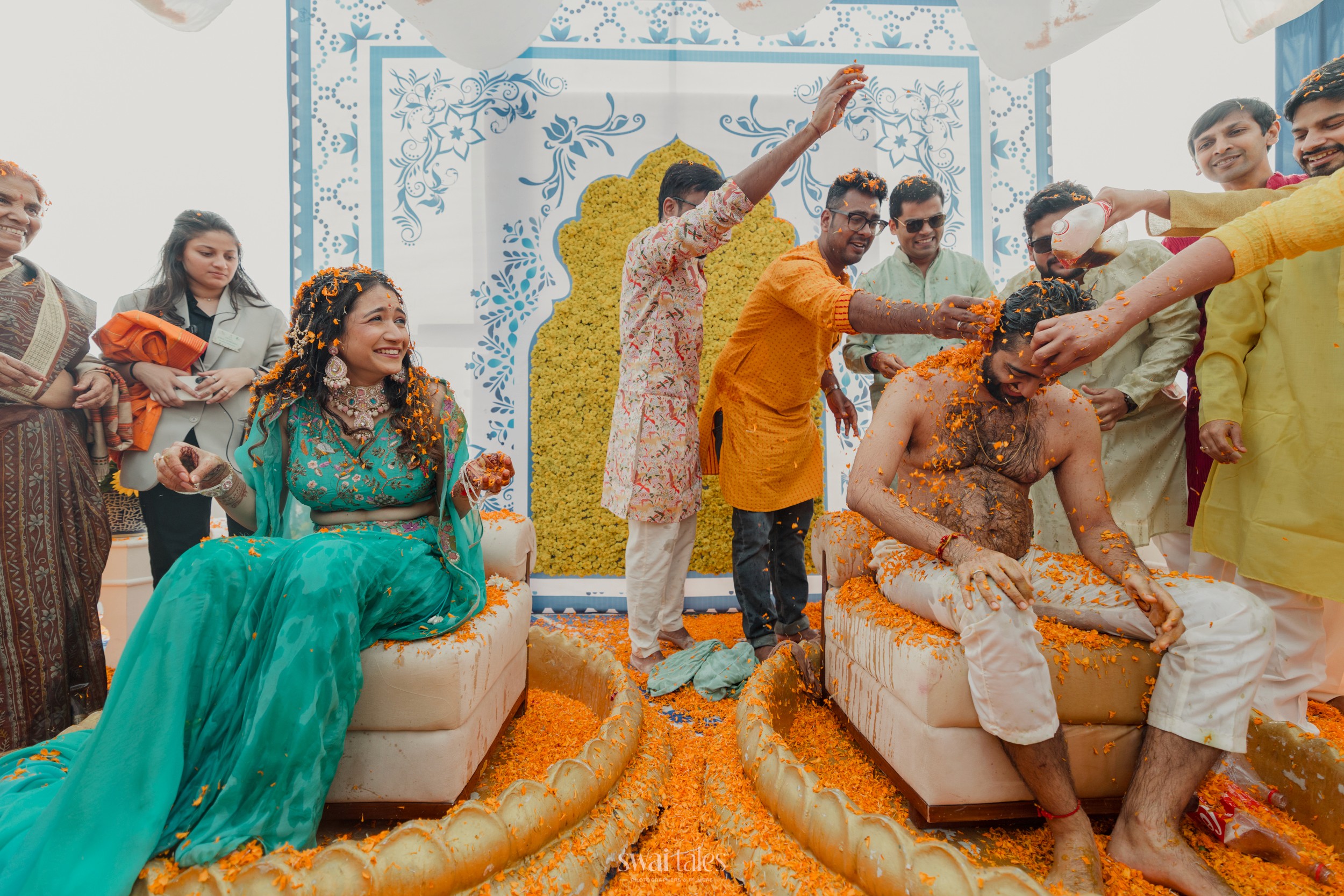
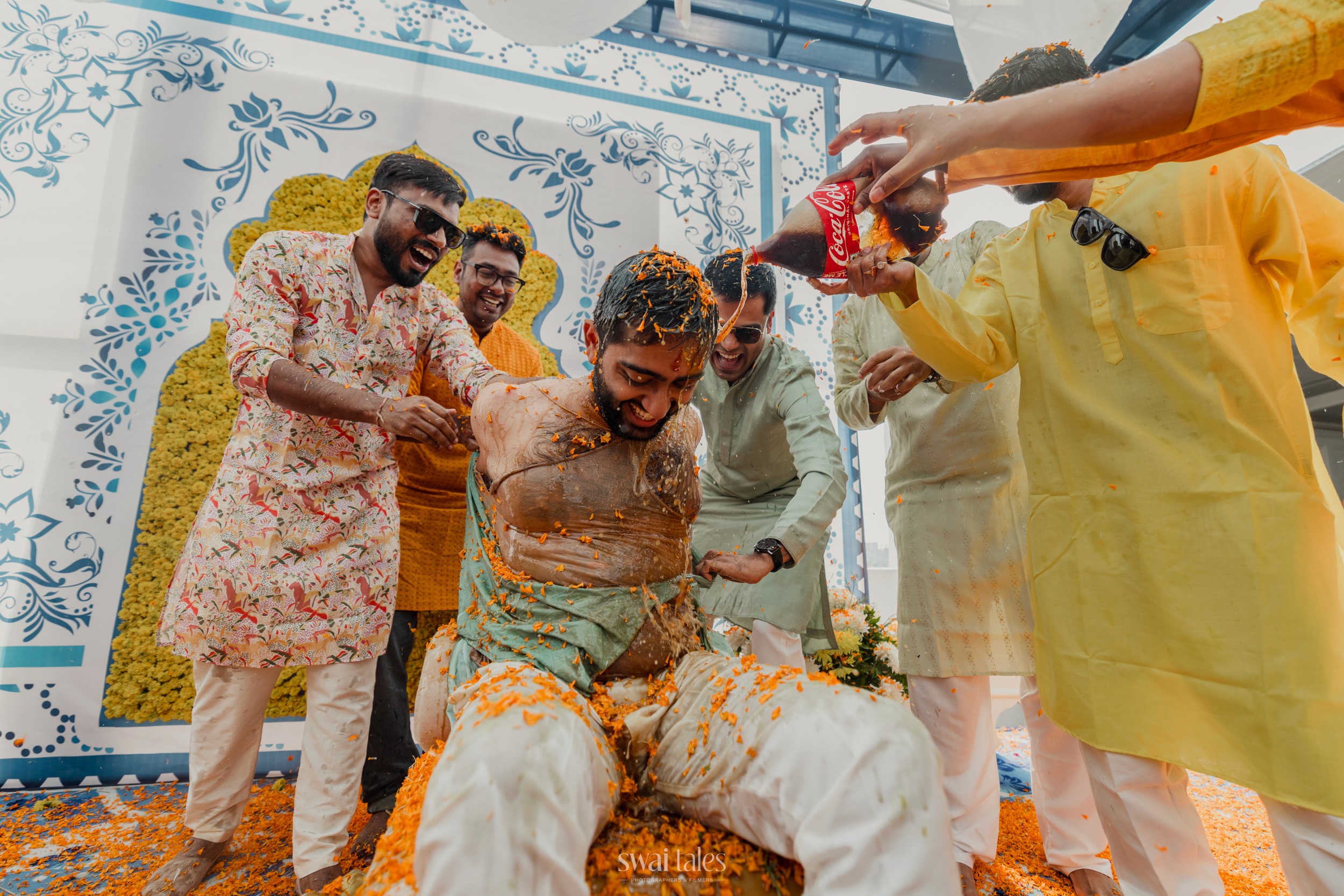
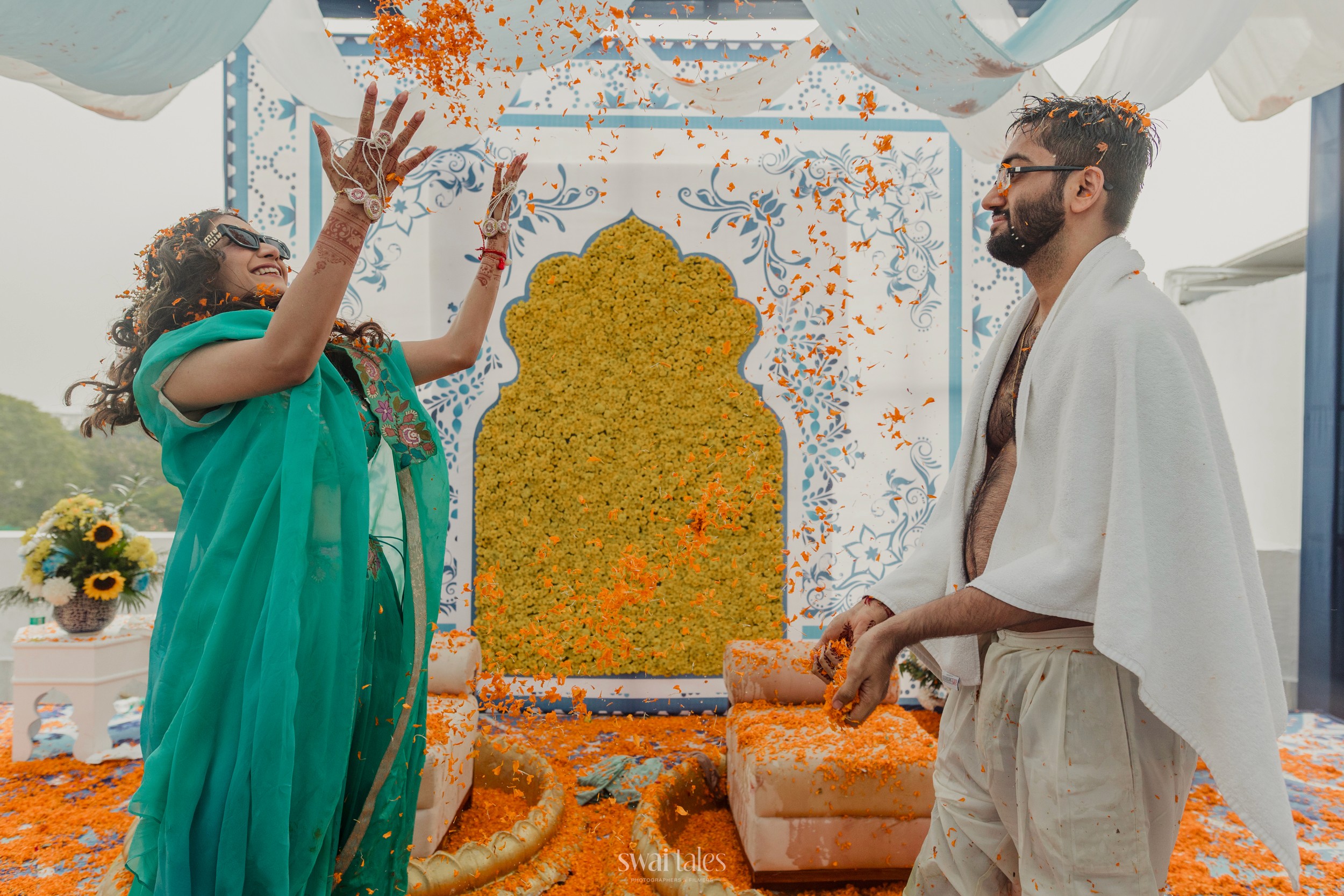
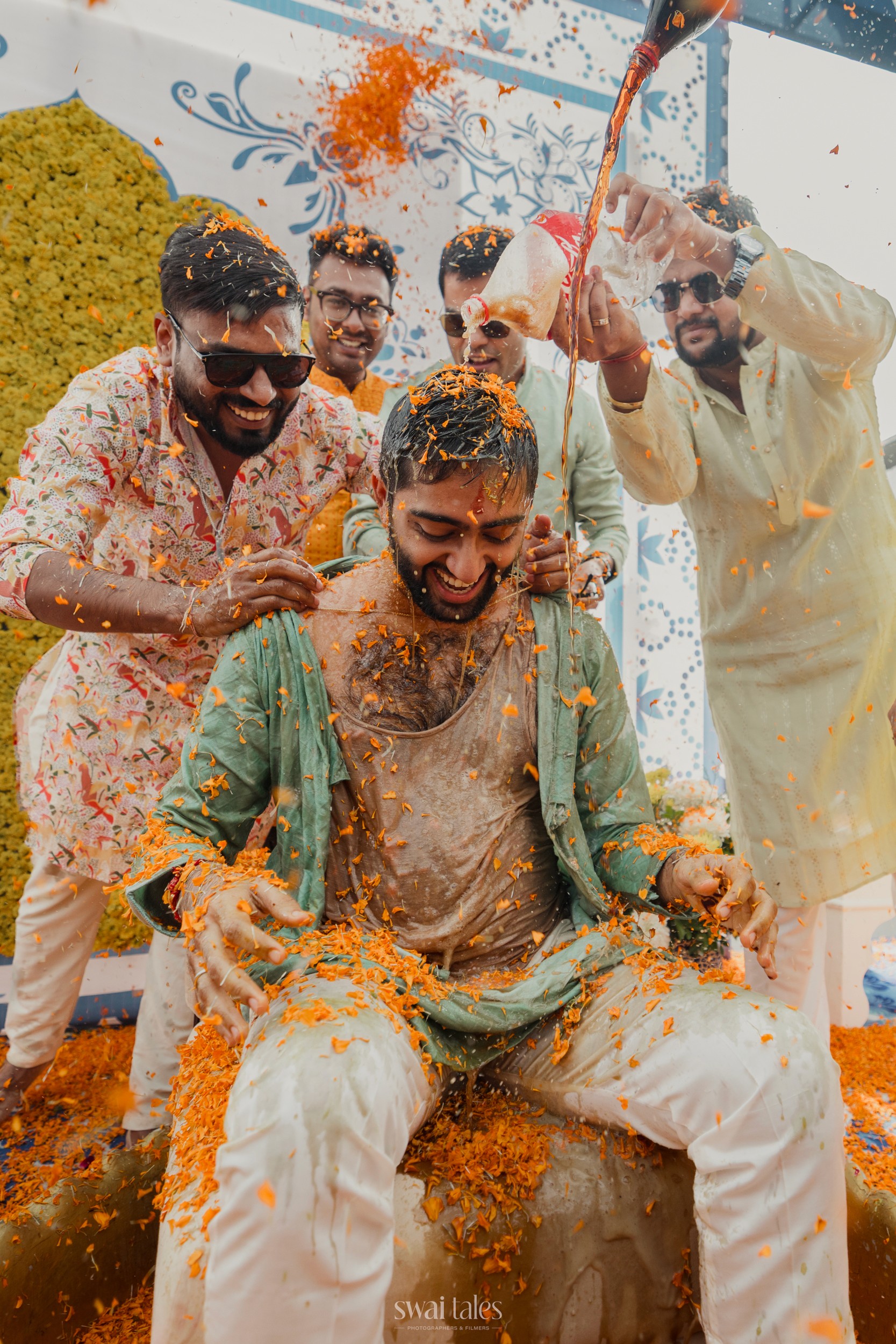
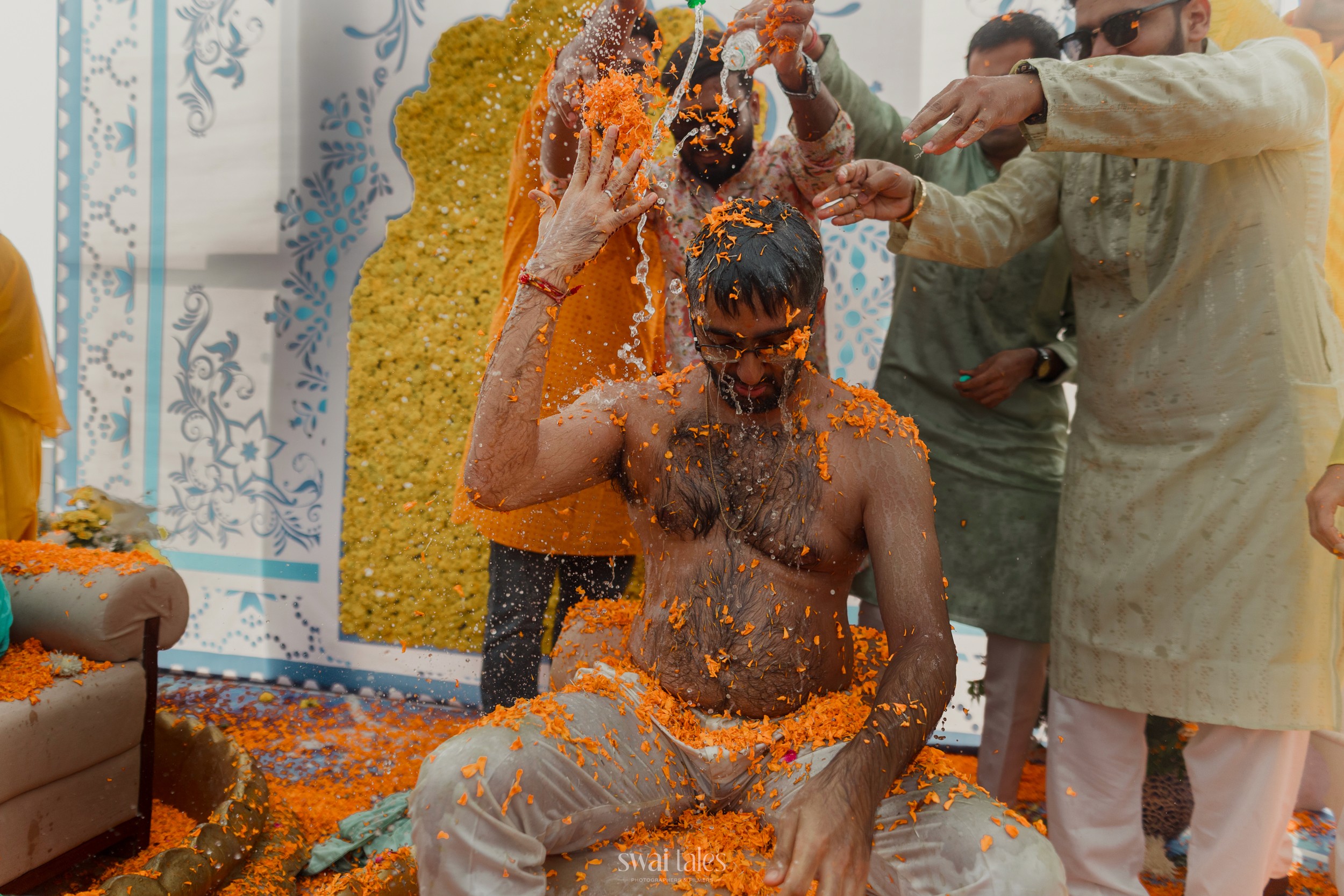
The Haldi — or Pithi Dastoor in Marwadi tradition — took place on the morning of the wedding day. A paste of turmeric, sandalwood, and saffron applied by family, to the sound of folk songs, in the soft pre-noon light that Udaipur does better than almost anywhere.
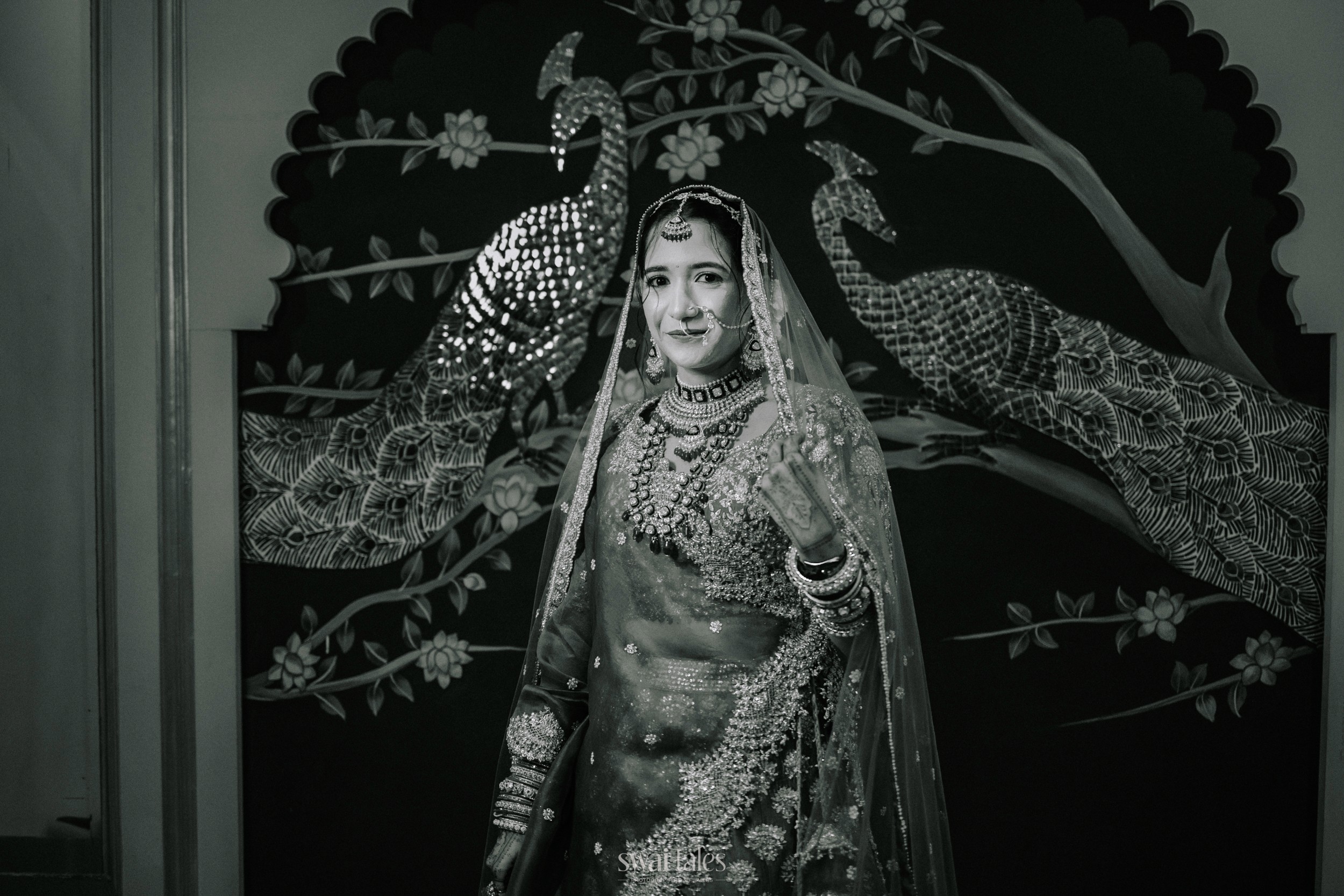
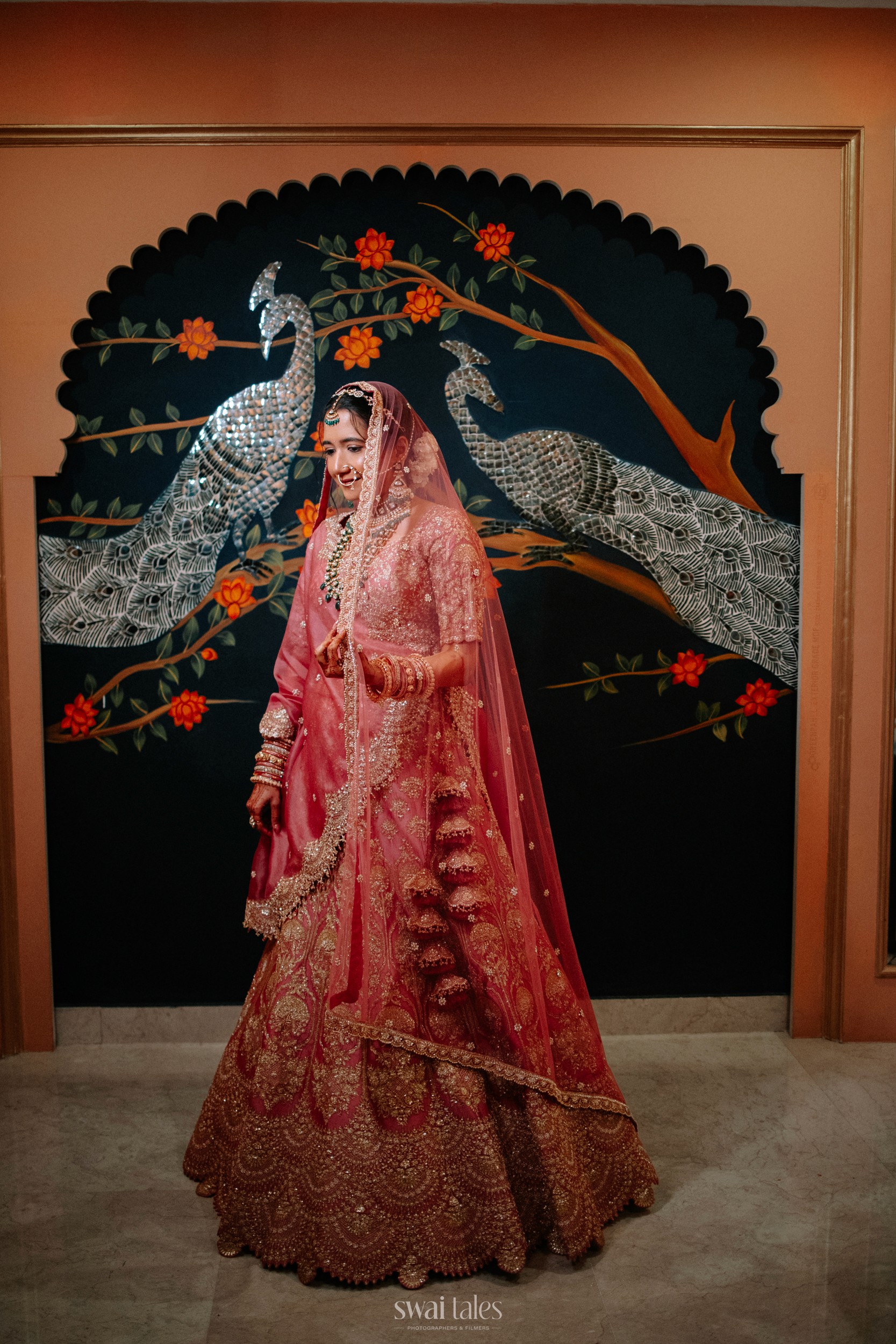
Abhishika was in her element. She sat straight, smiled at her relatives, made direct eye contact with the camera at every opportunity and somehow still managed to look completely natural doing it. She is one of those people who is simply comfortable being seen.
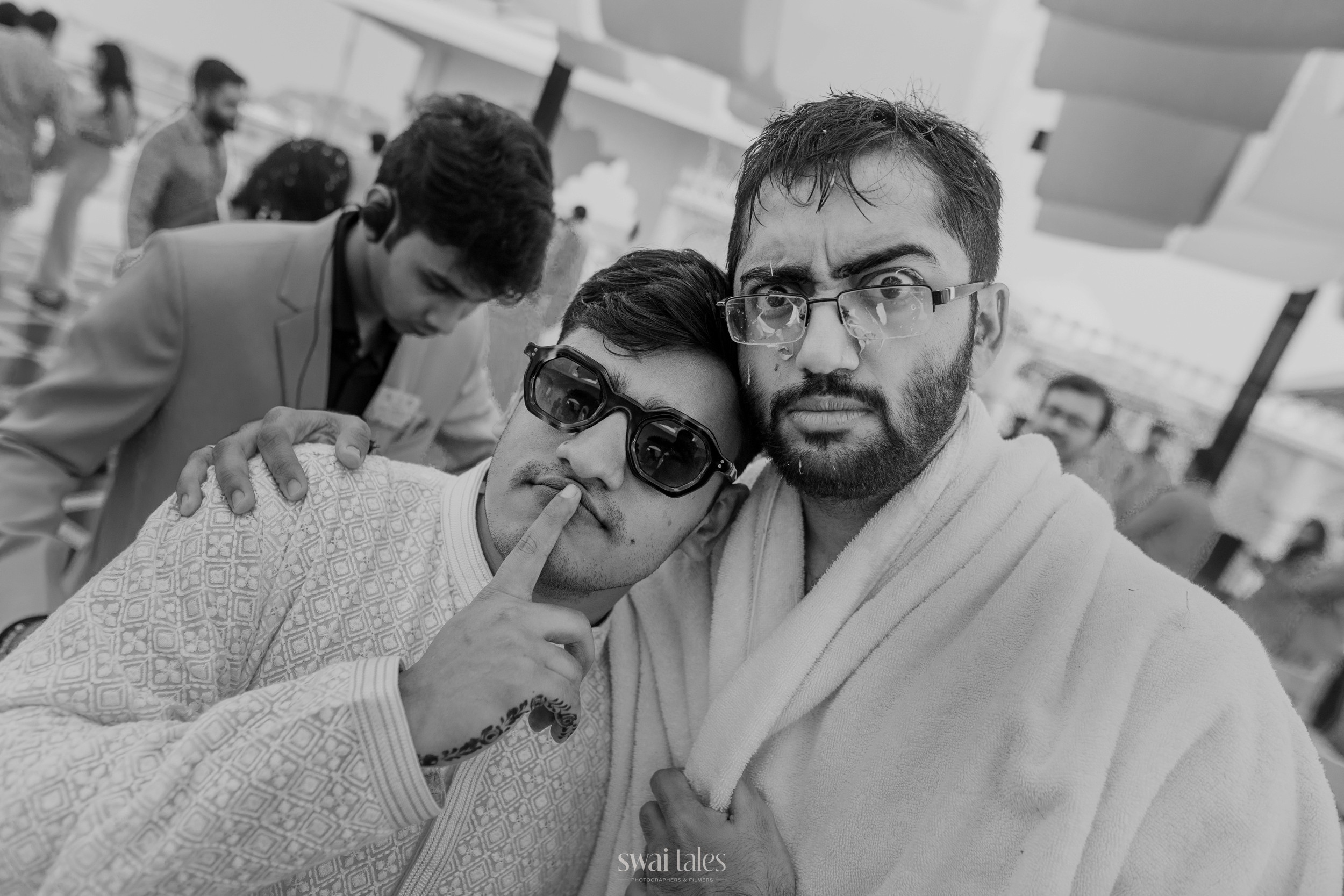
Anish accepted the turmeric with the good humour of a man who has accepted that this is happening and has decided to meet it with dignity. His younger brother applied the paste with slightly more enthusiasm than necessary. Anish said something to him we could not hear. His brother laughed and applied more turmeric.
His grandmother sat beside him through the whole ceremony. She did not apply the paste — her hands were not steady enough. She held his arm instead, and watched her grandson become a married man, one ceremony at a time.
The Baraat
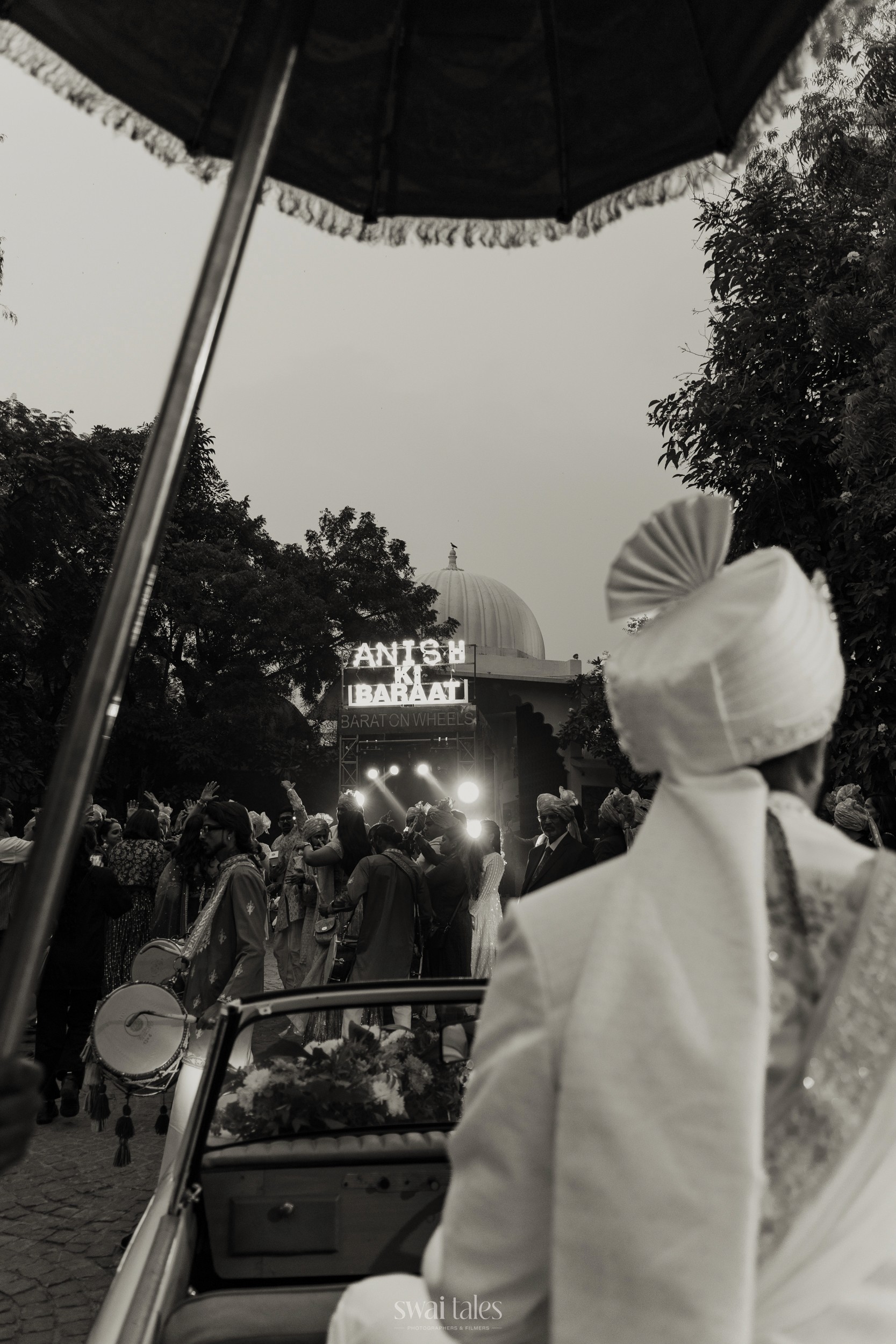
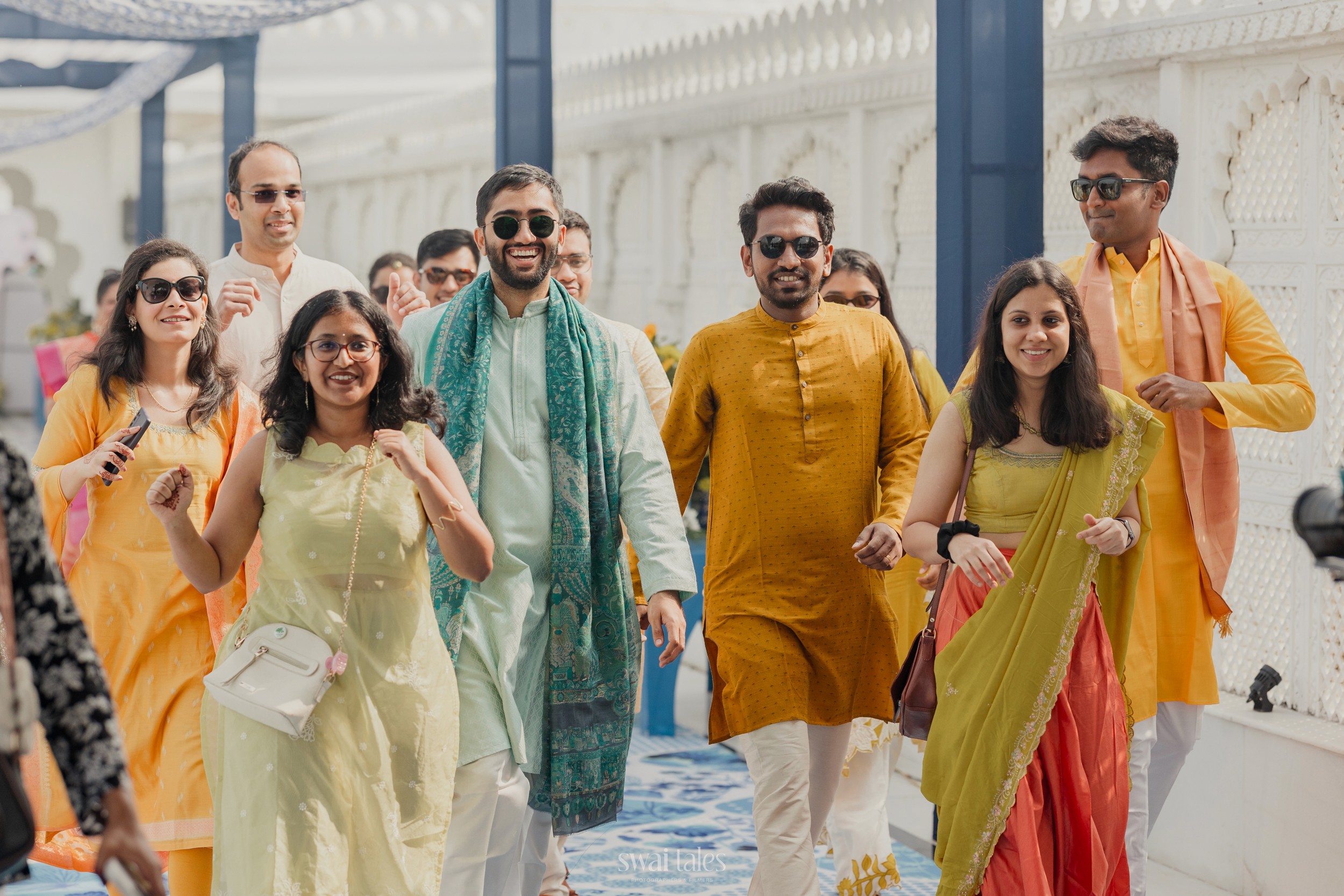
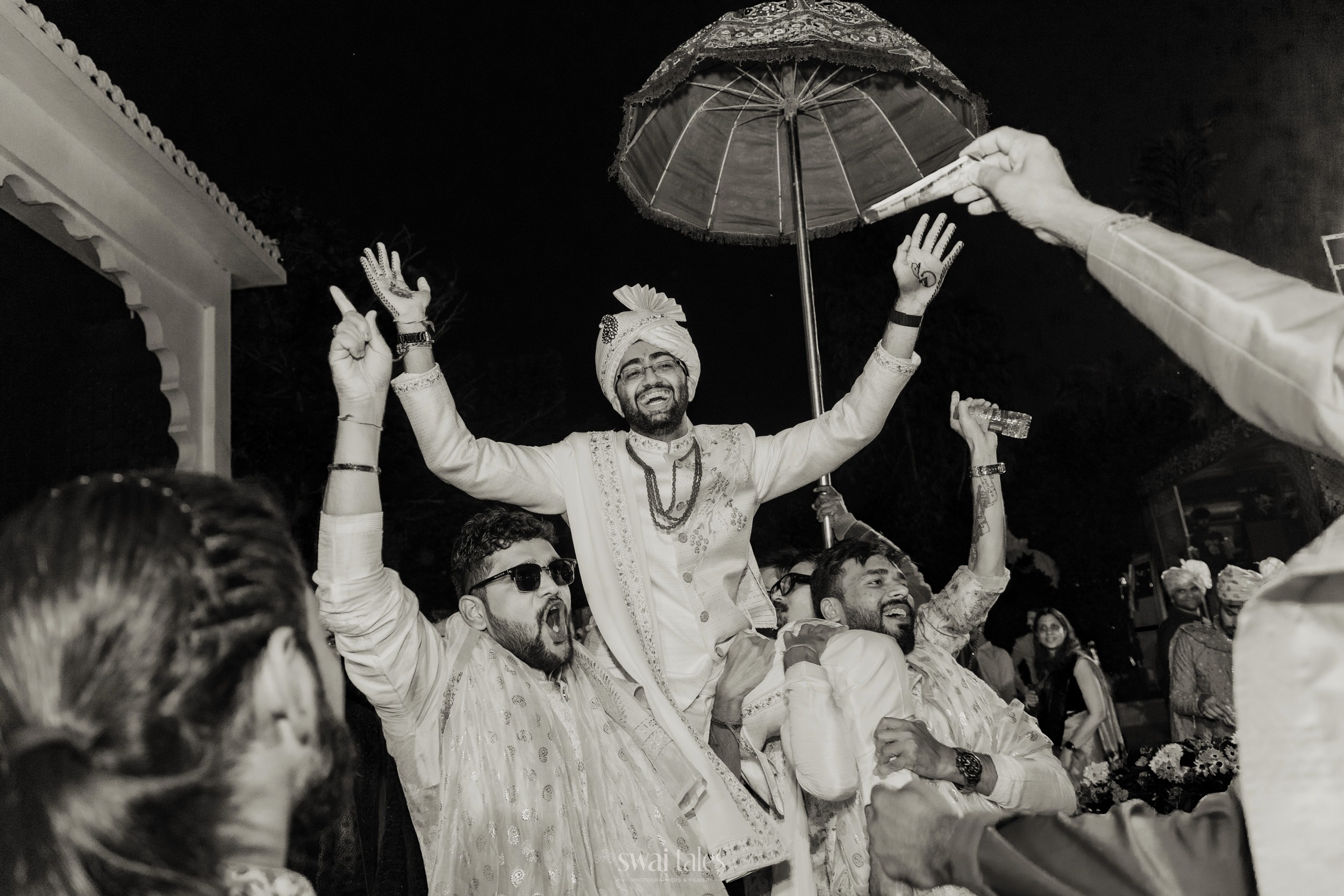
The Baraat moved through the Radisson Blu's ceremonial pathway in the early evening, the sky behind the Aravallis doing what Udaipur skies do — turning the kind of orange that makes photographers briefly forget they are working and simply look.
Anish rode a decorated ghodi. He had expressed, previously, some uncertainty about this particular element of the programme. He had been overruled — first by his mother, then by his own sense of occasion once the moment actually arrived. He sat on the horse with the air of a man who is finding, somewhat to his surprise, that he does not mind this at all.
His sister had tied the sehra — the floral veil — over his face before they left. She adjusted it four times. He waited without complaint. It was the most still we saw him all weekend.
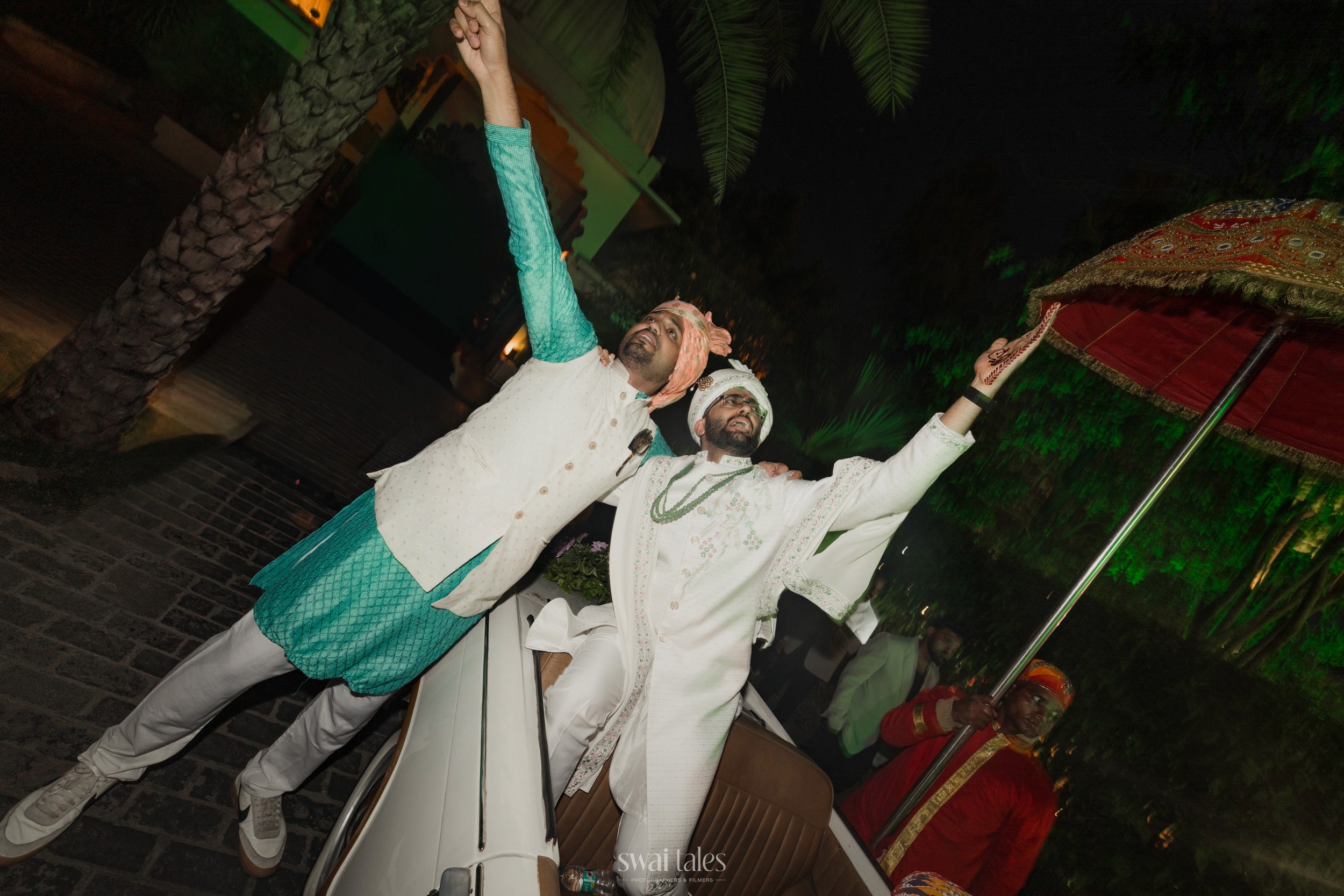
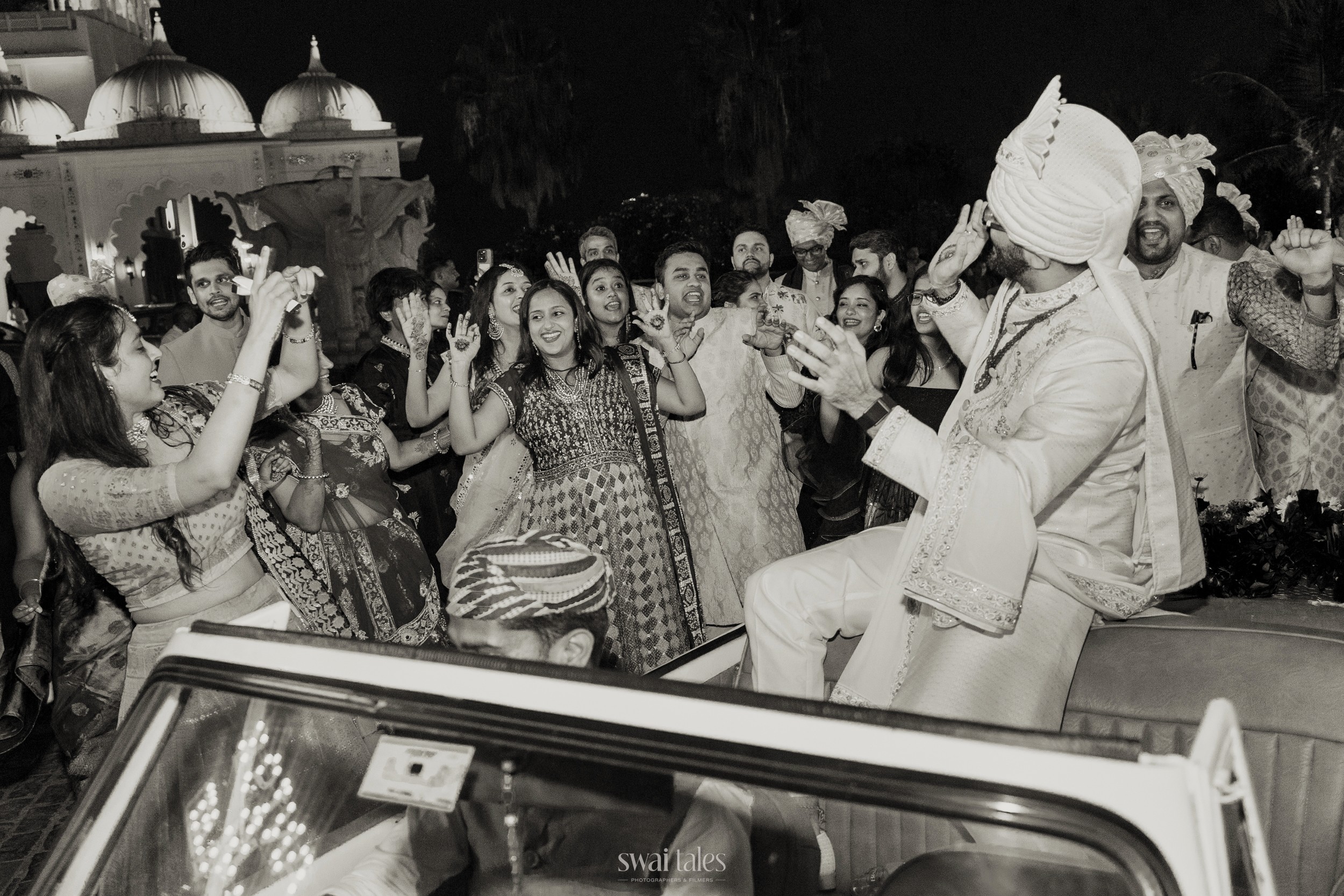
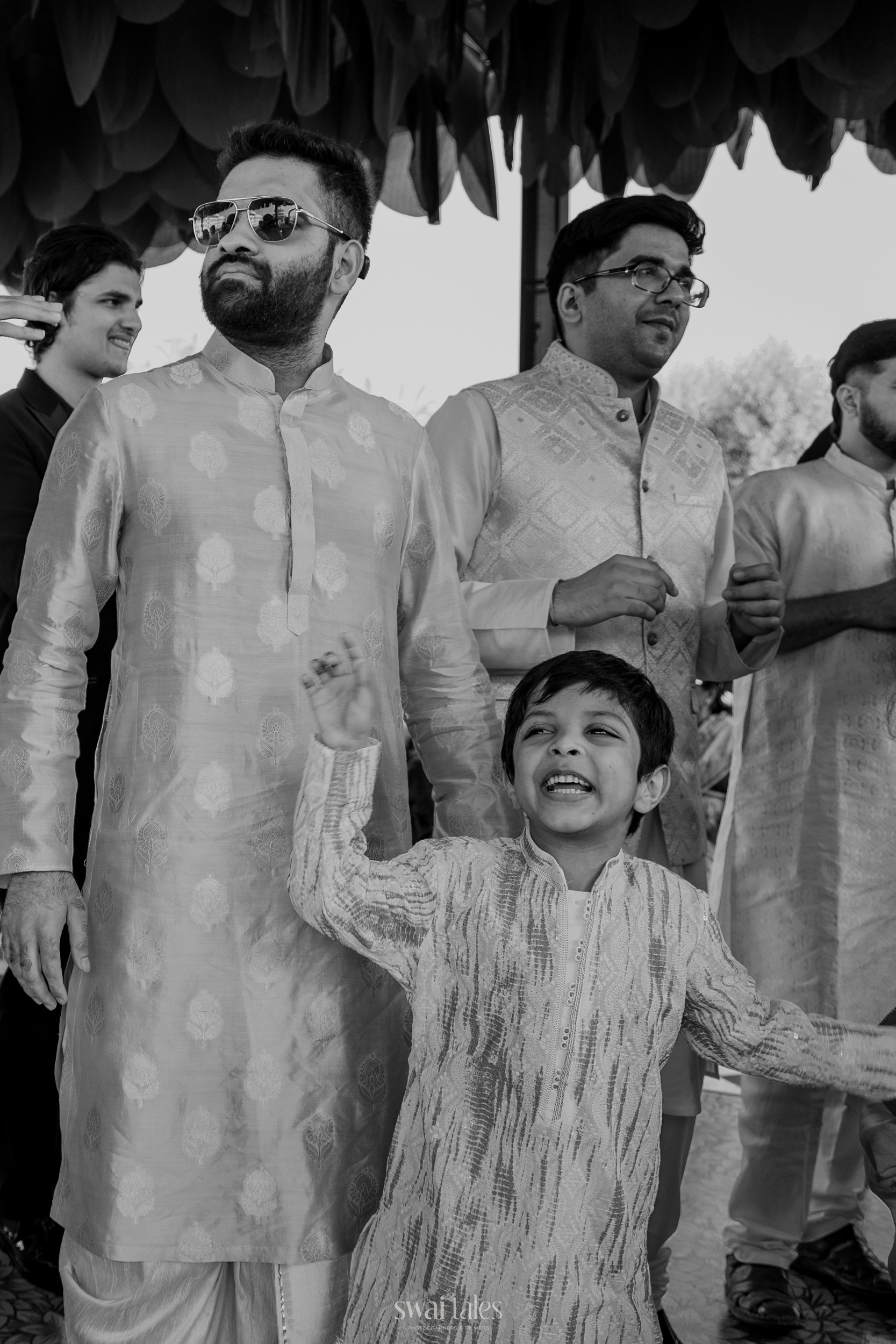
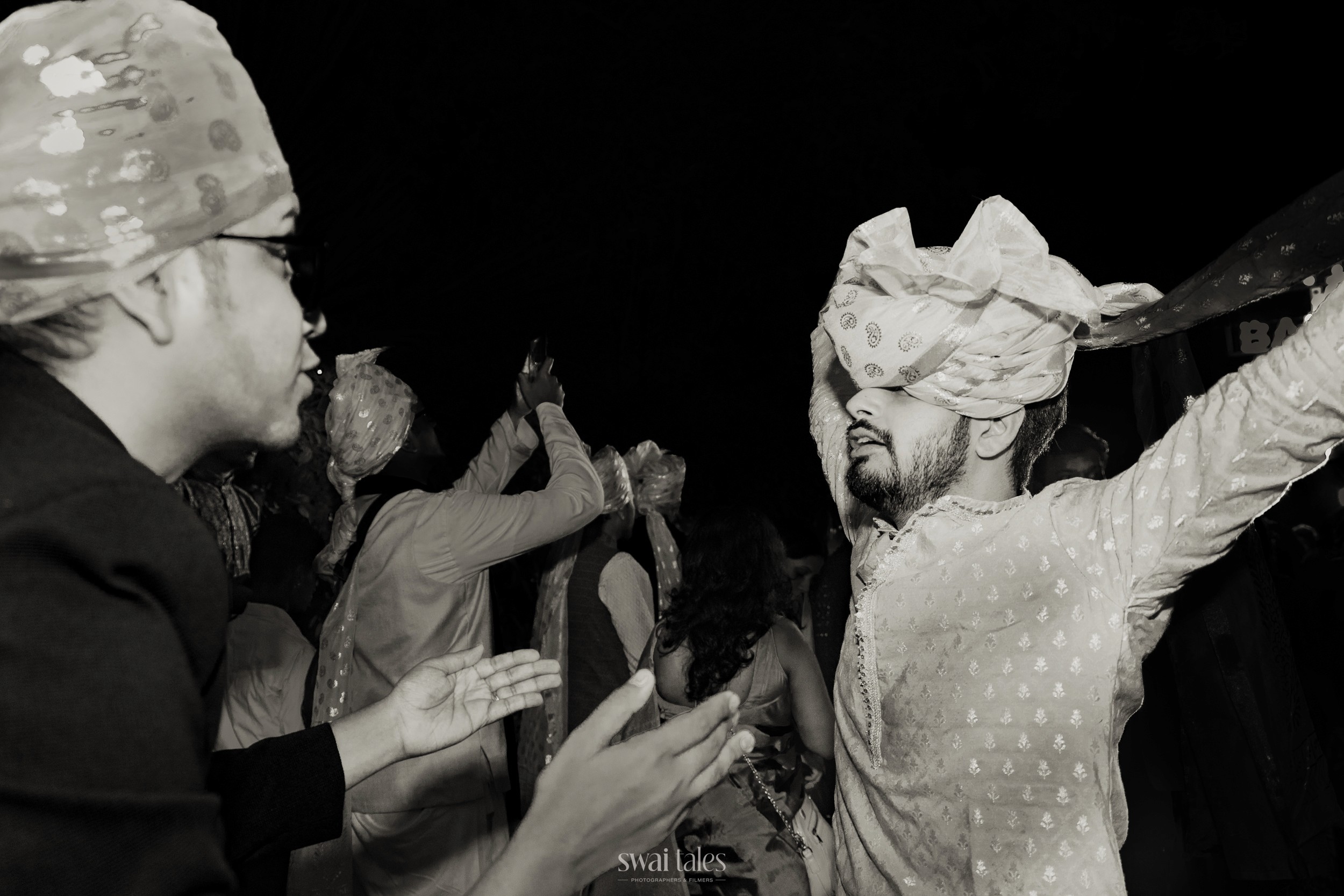
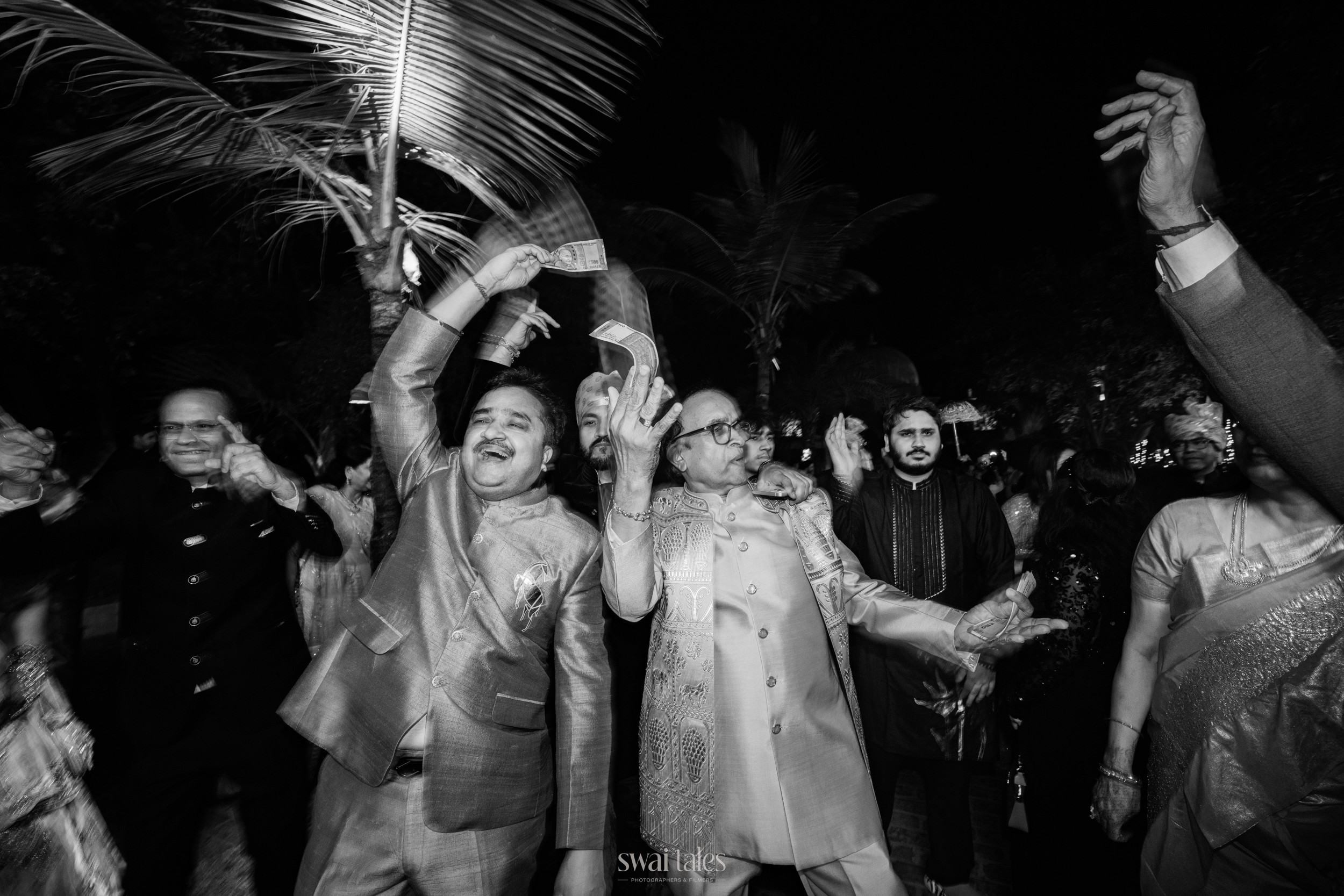
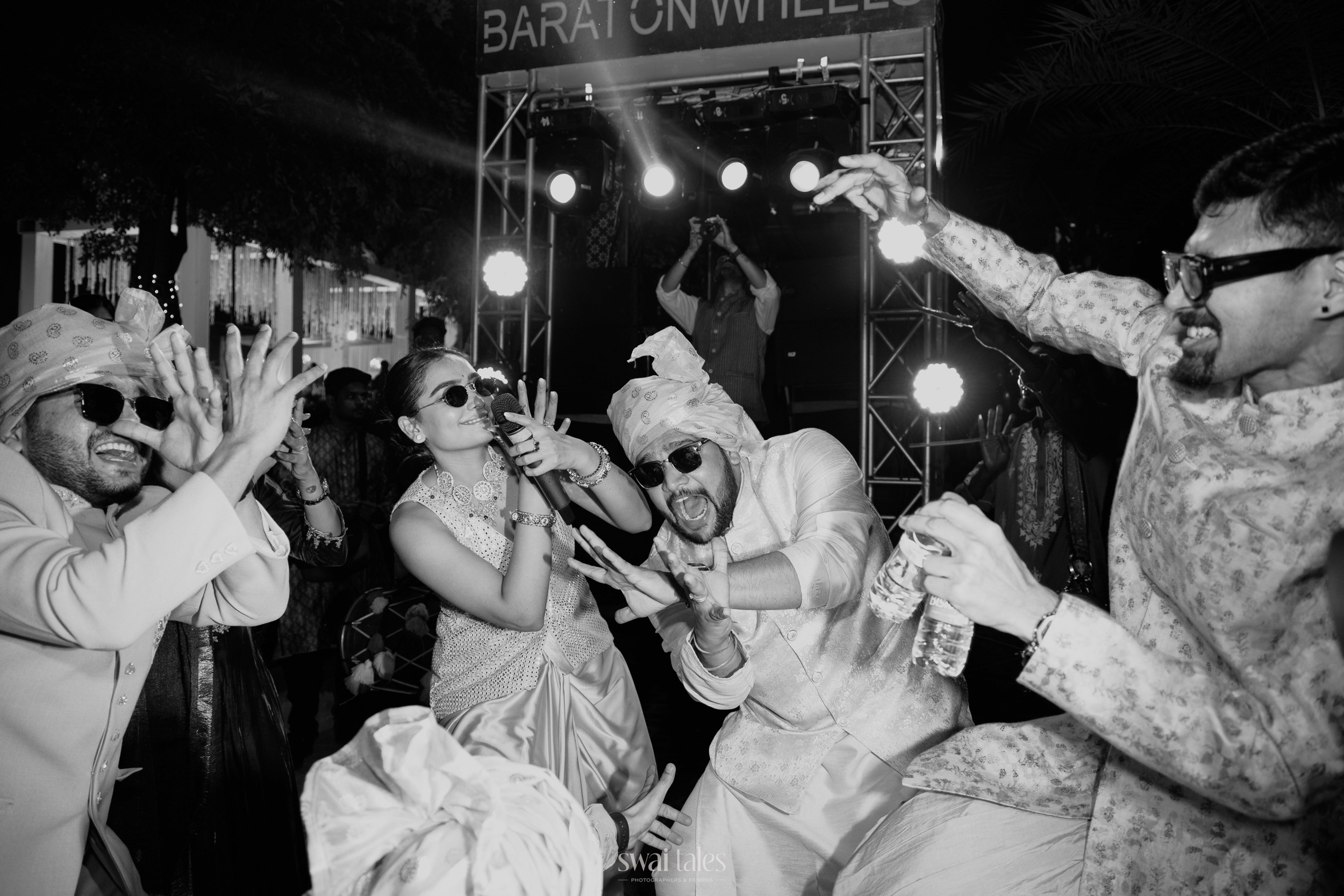
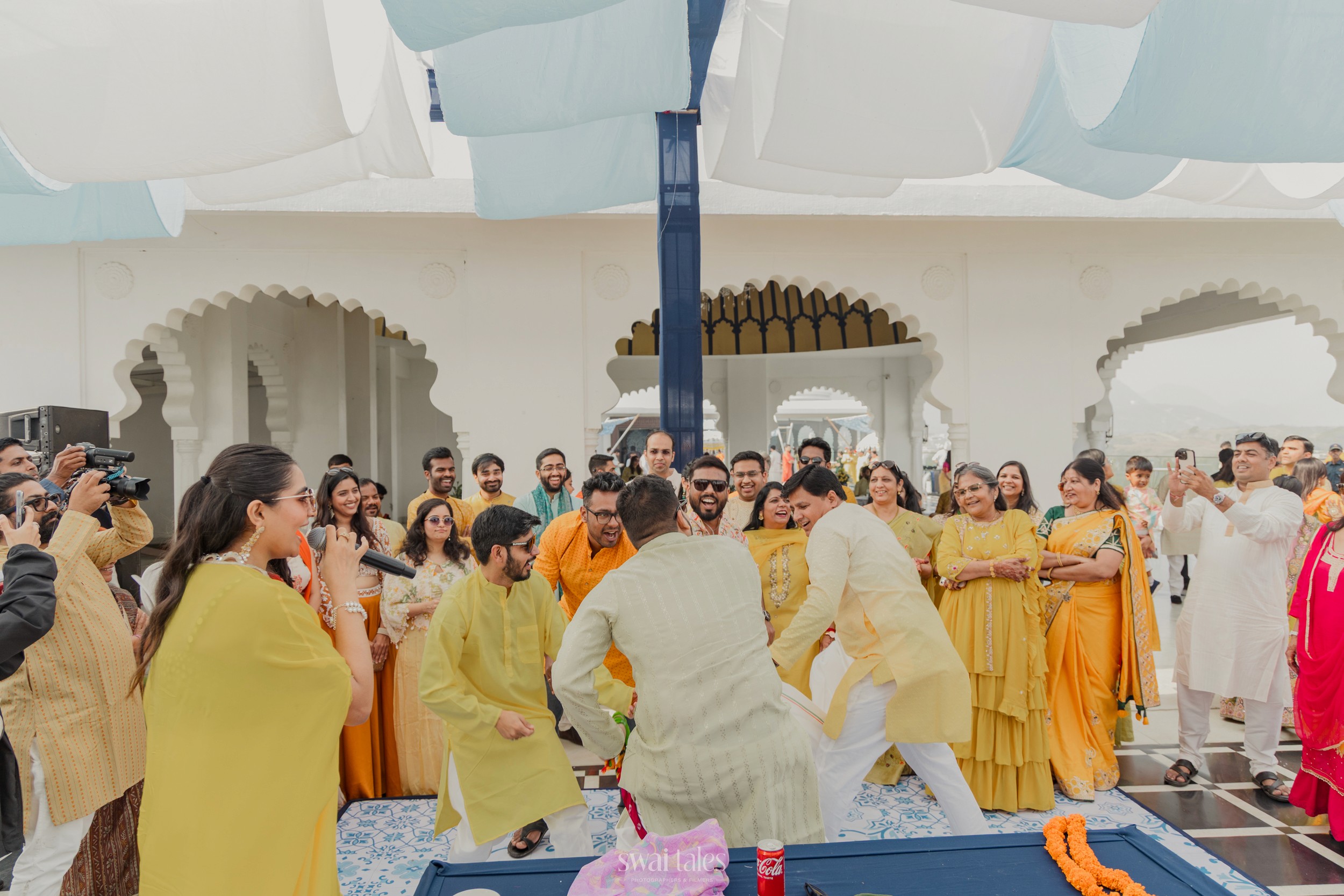
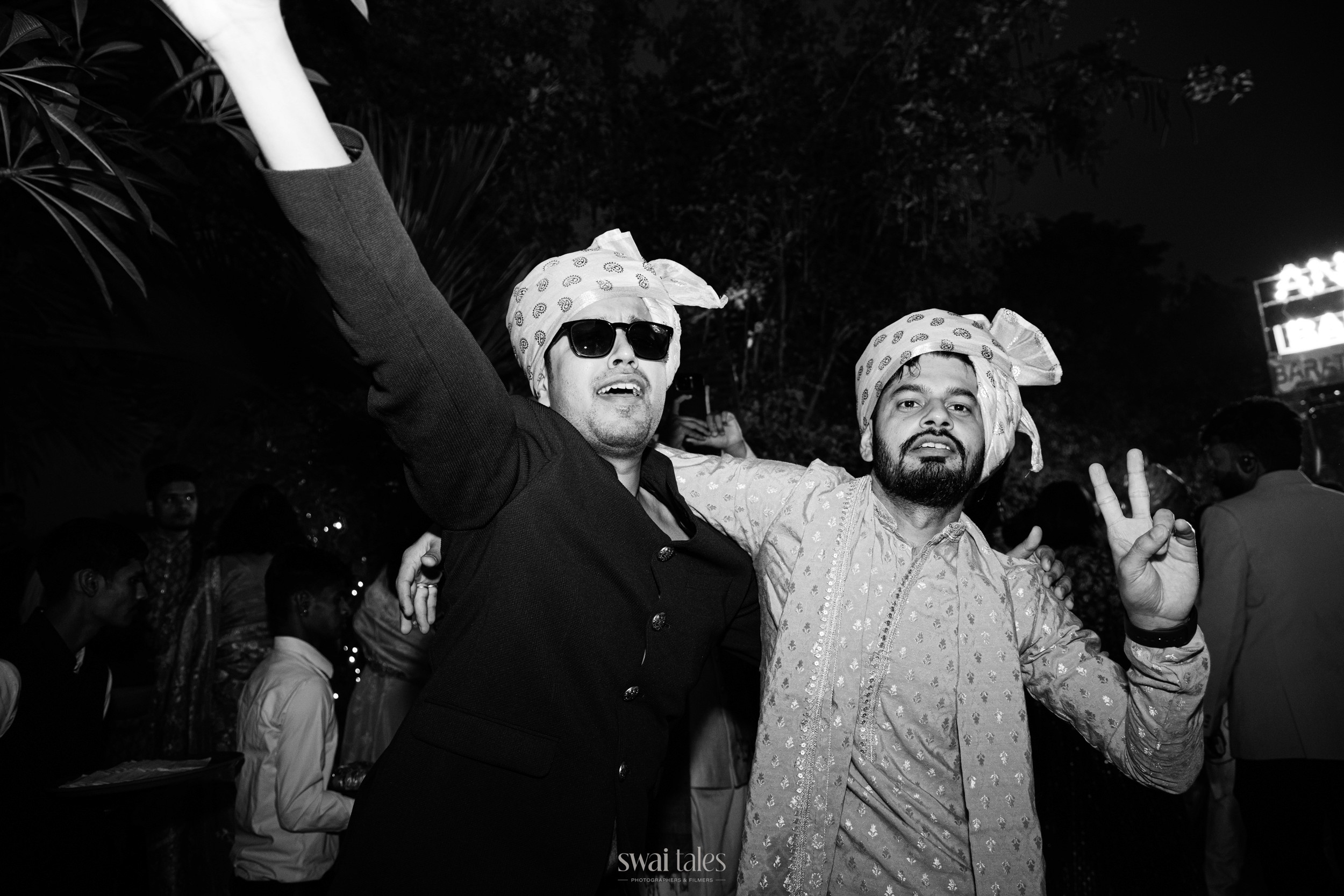
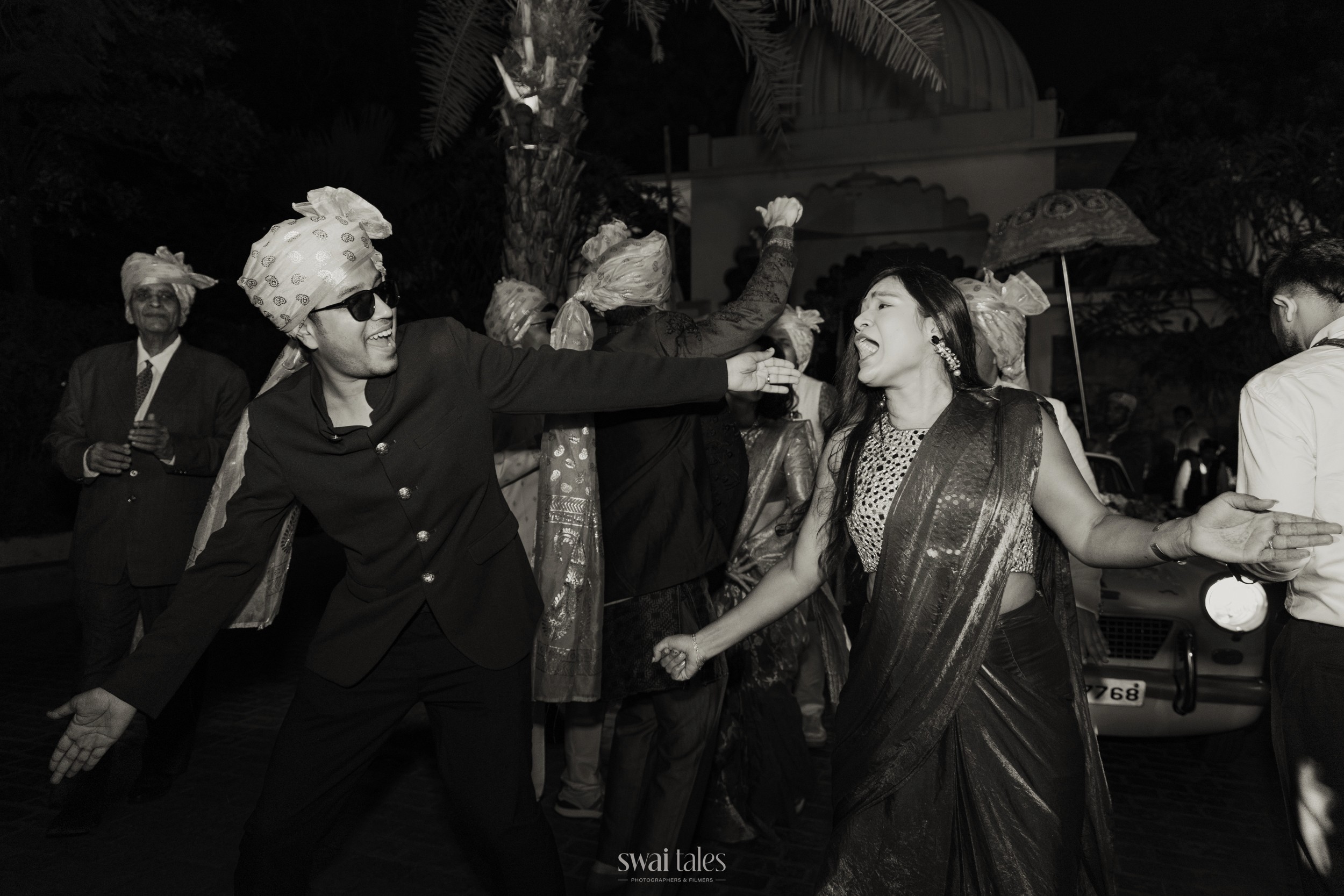
The dhol players were exceptional. Two of his uncles, who had each separately indicated they would not be dancing, were dancing within six minutes. This is, in our experience, a constant of the Indian wedding baraat across every community and every venue.
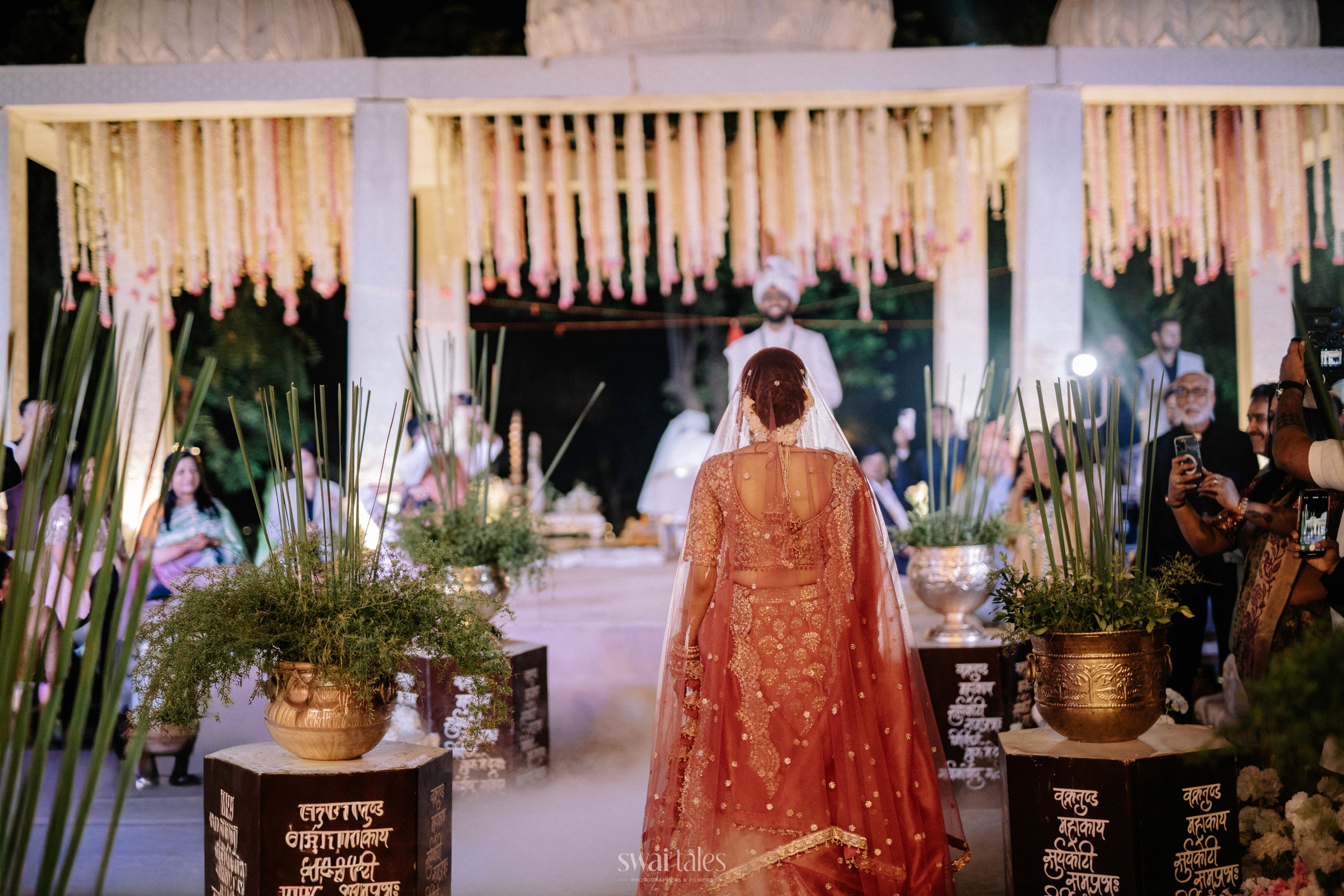
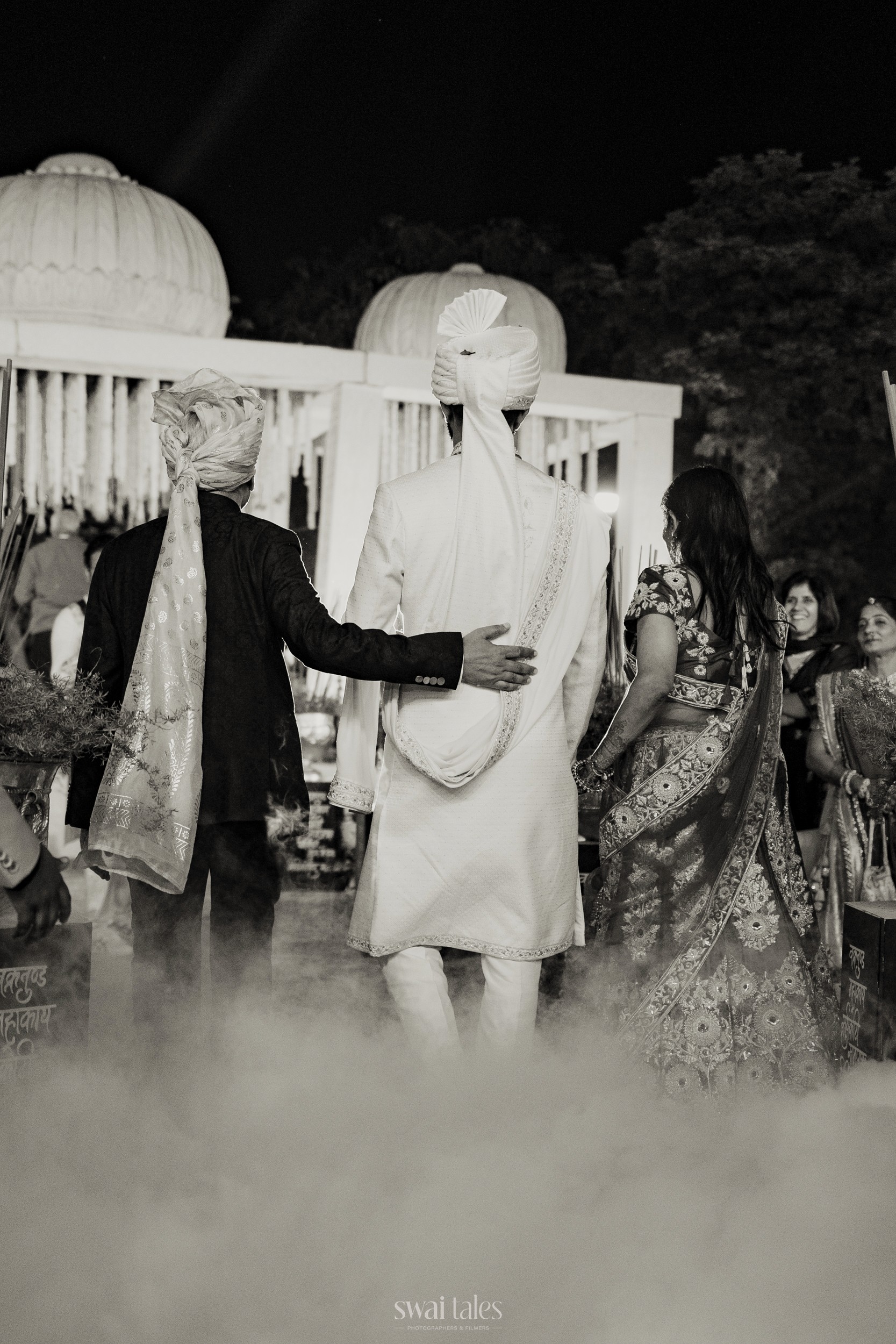
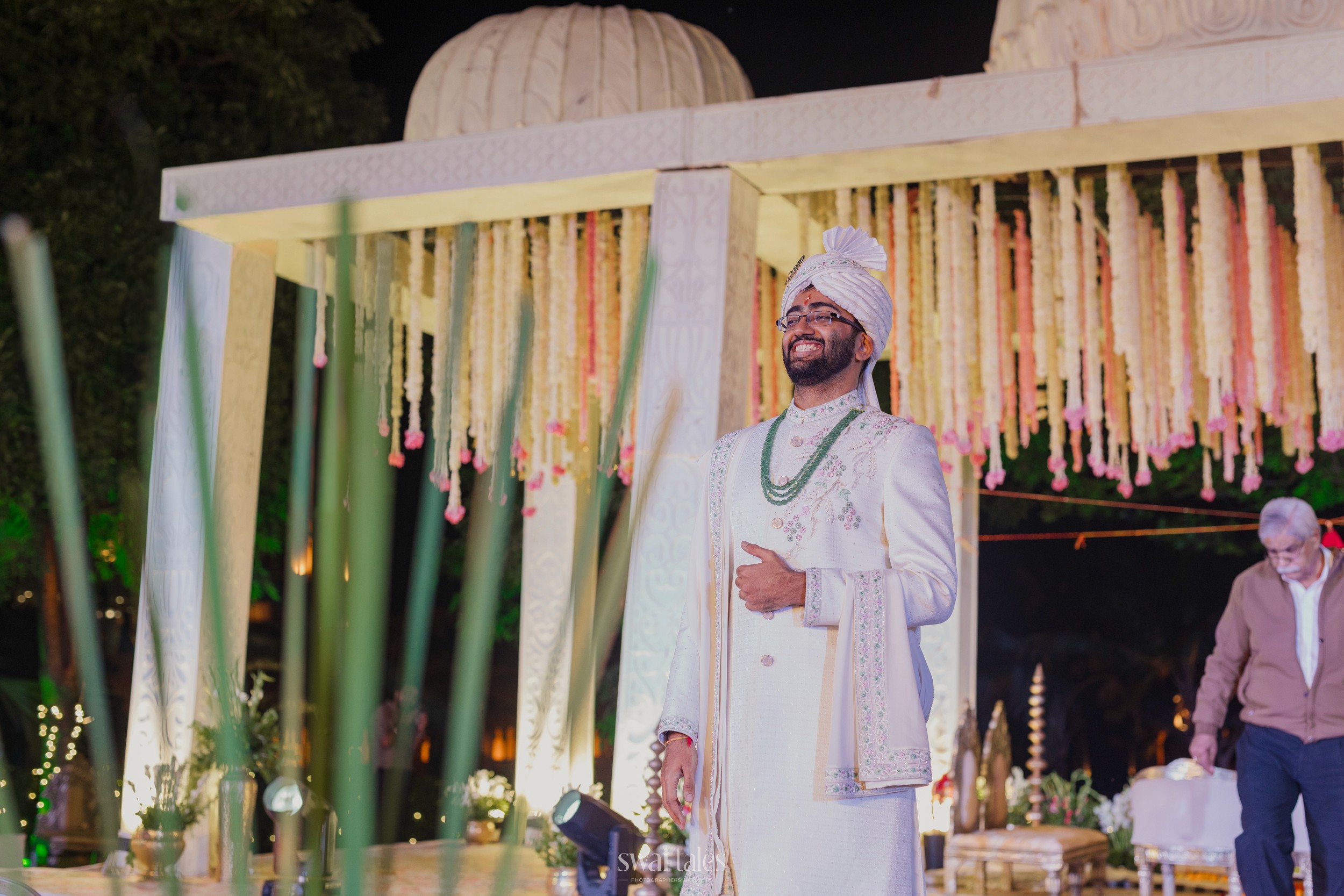
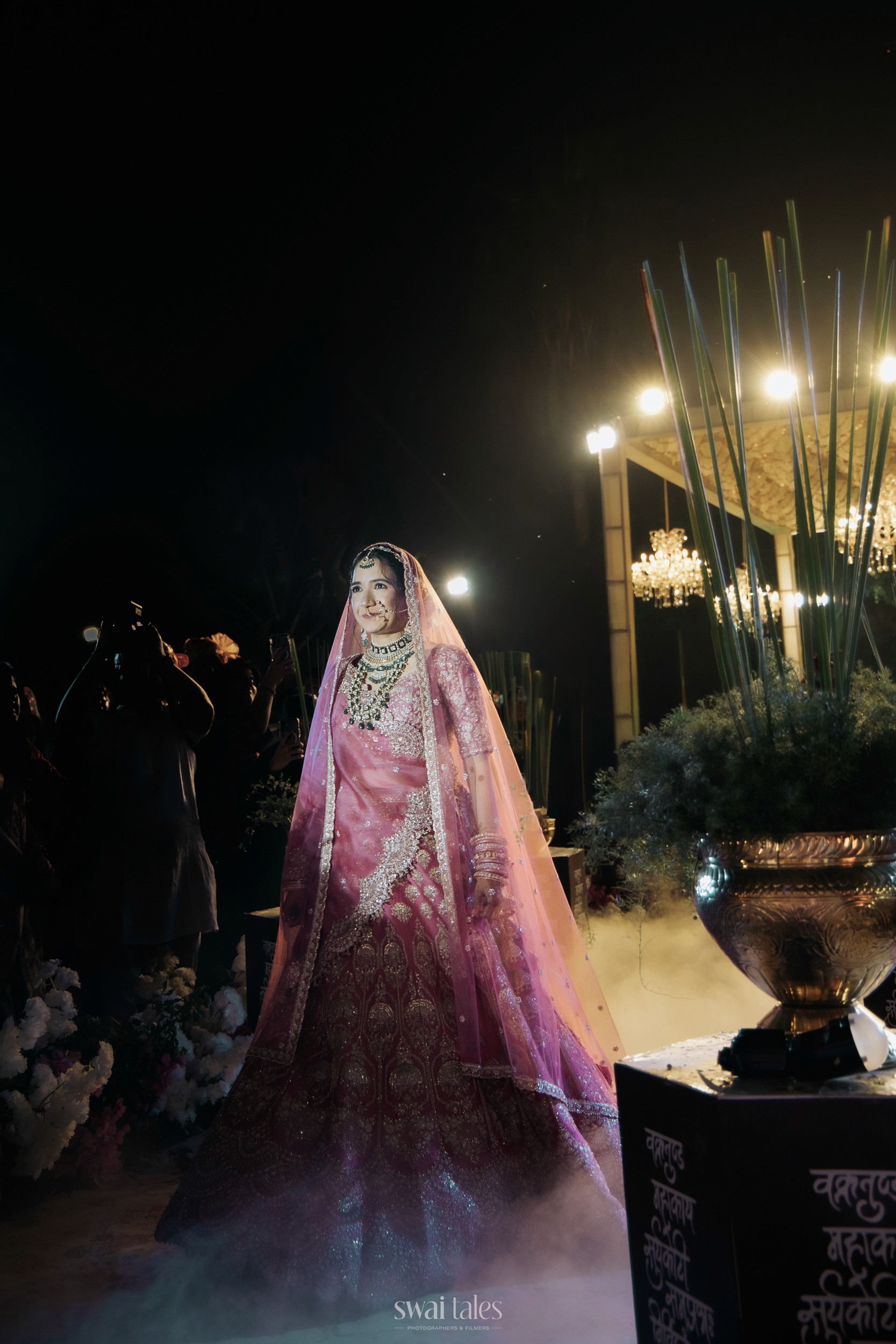
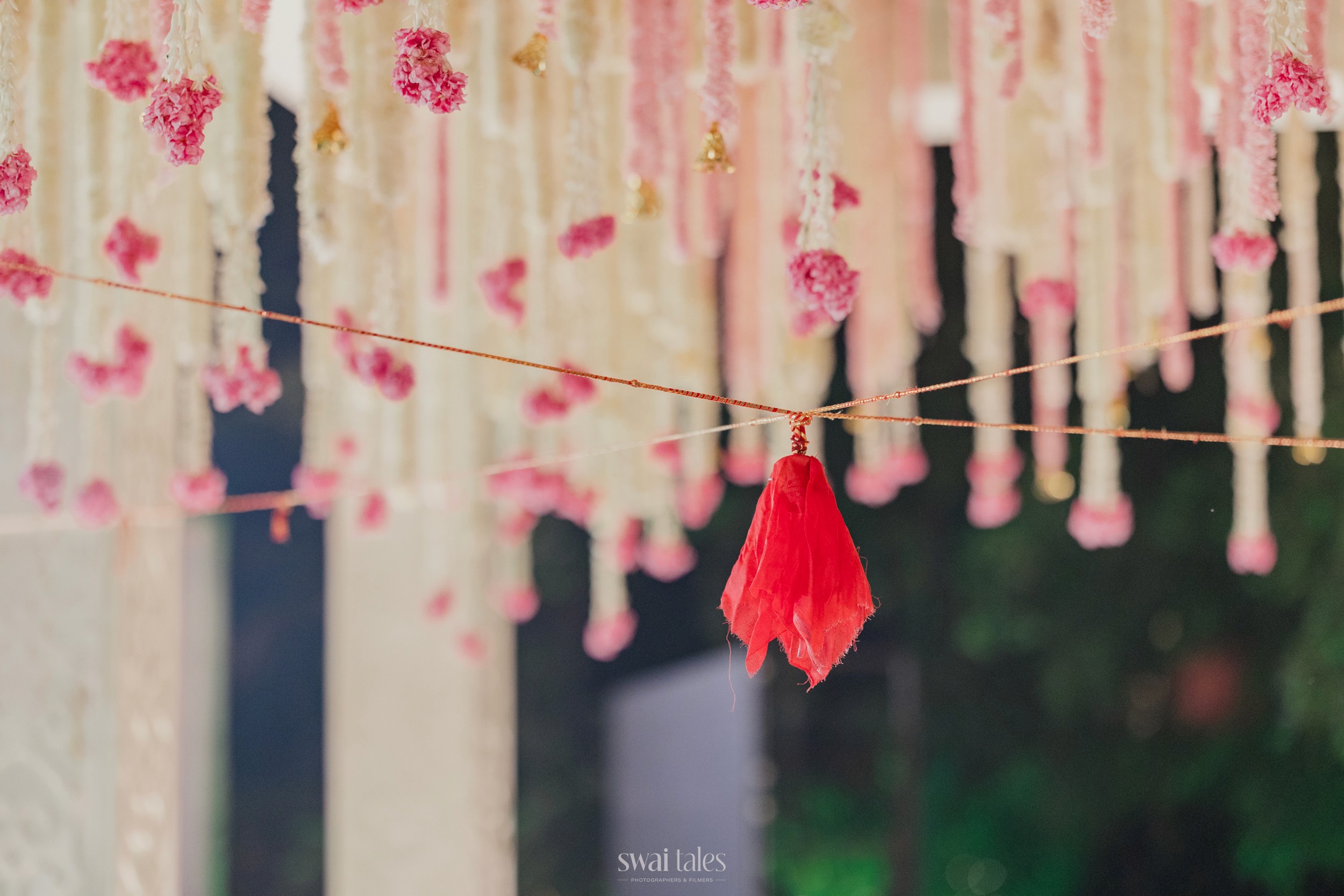
At the entrance to the mandap, Anish struck the toran. Then he walked in to meet Abhishika.
The Wedding
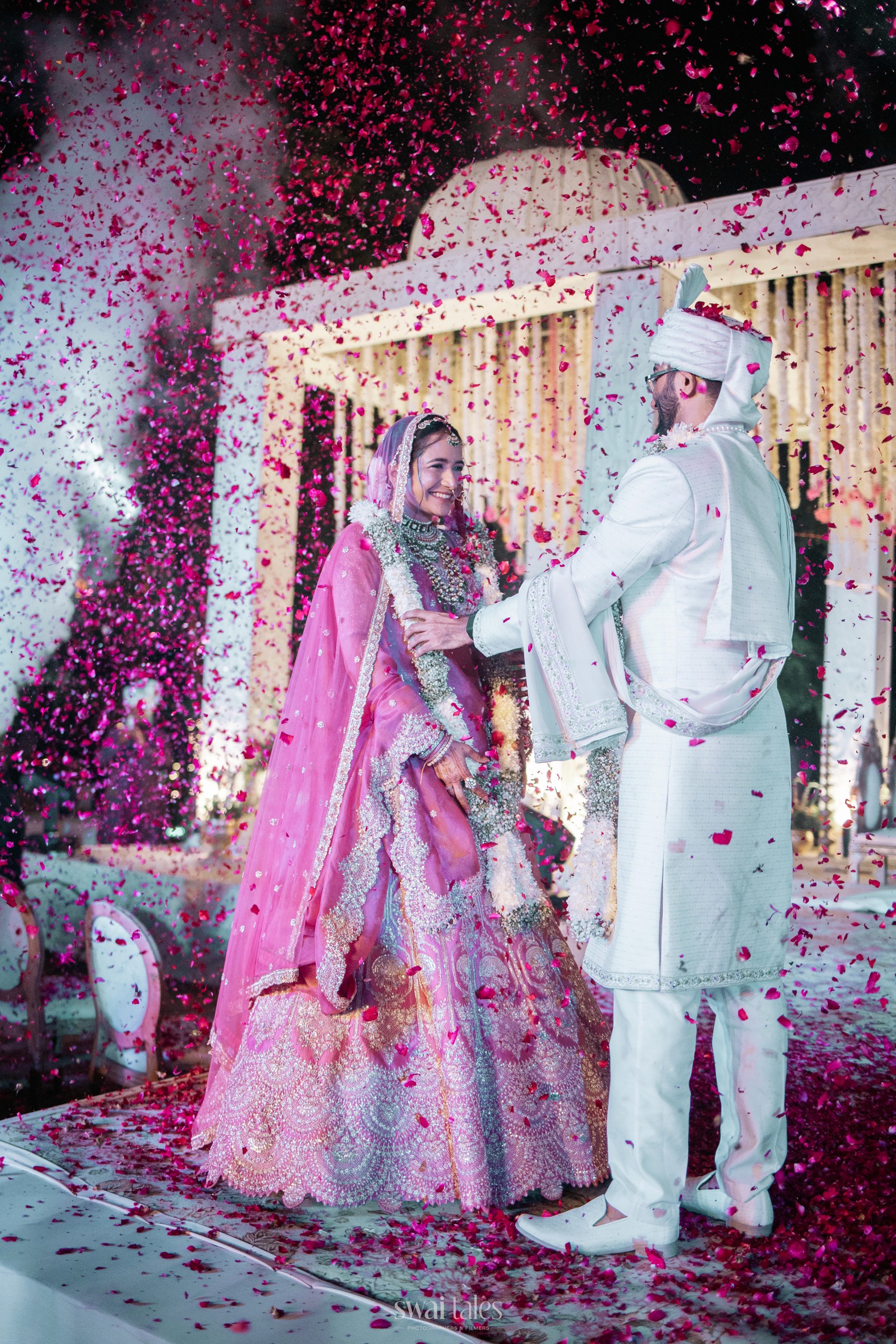
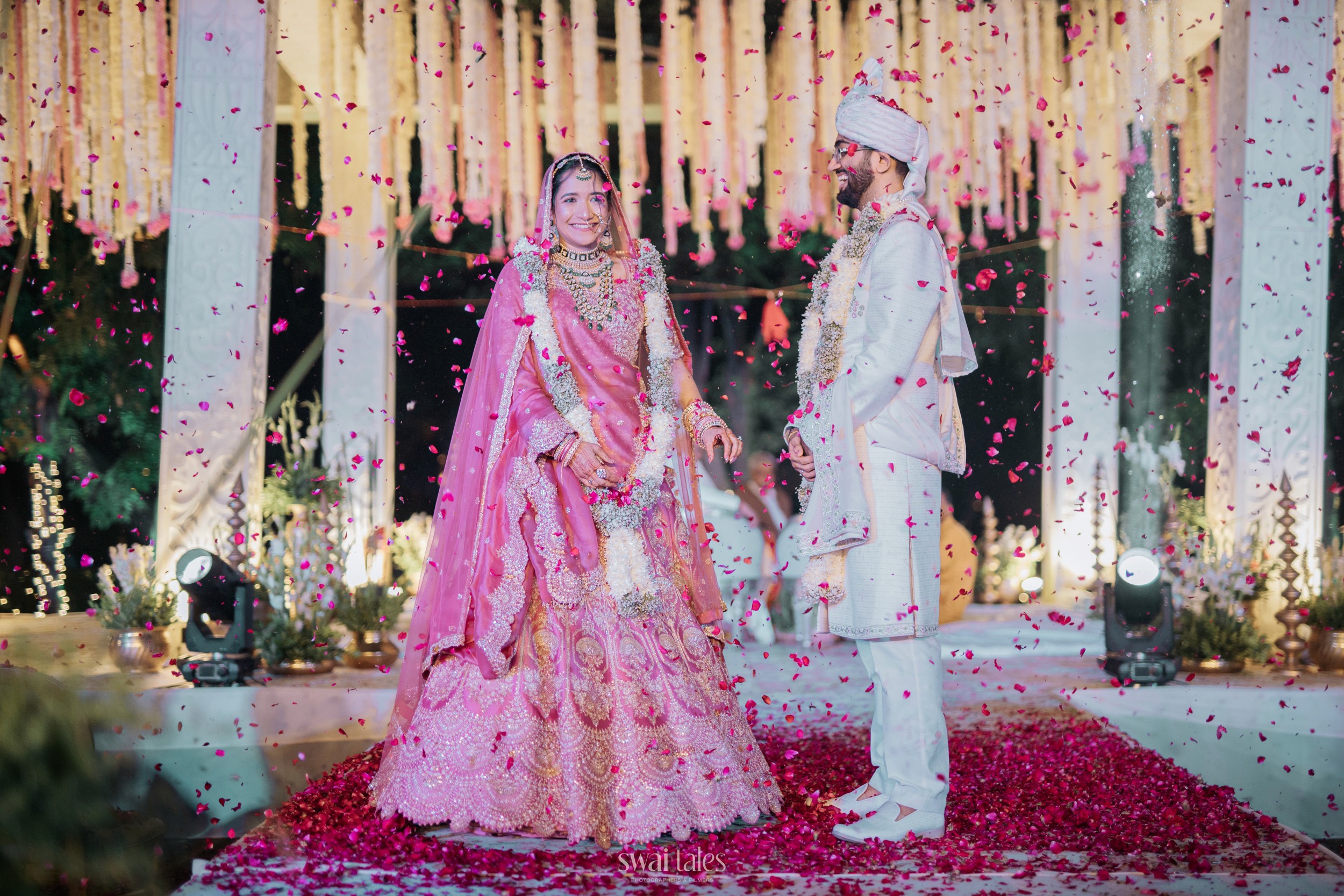
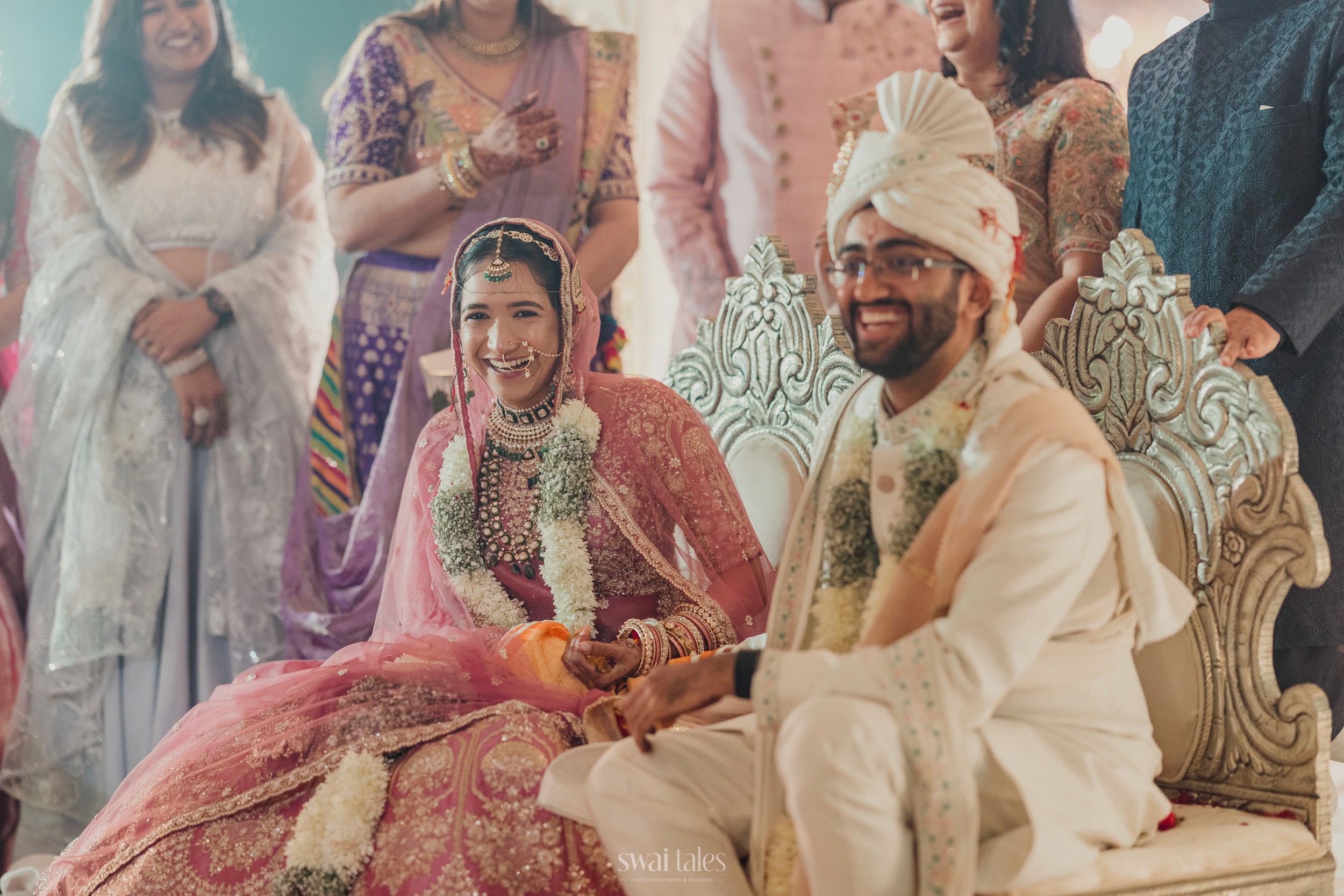
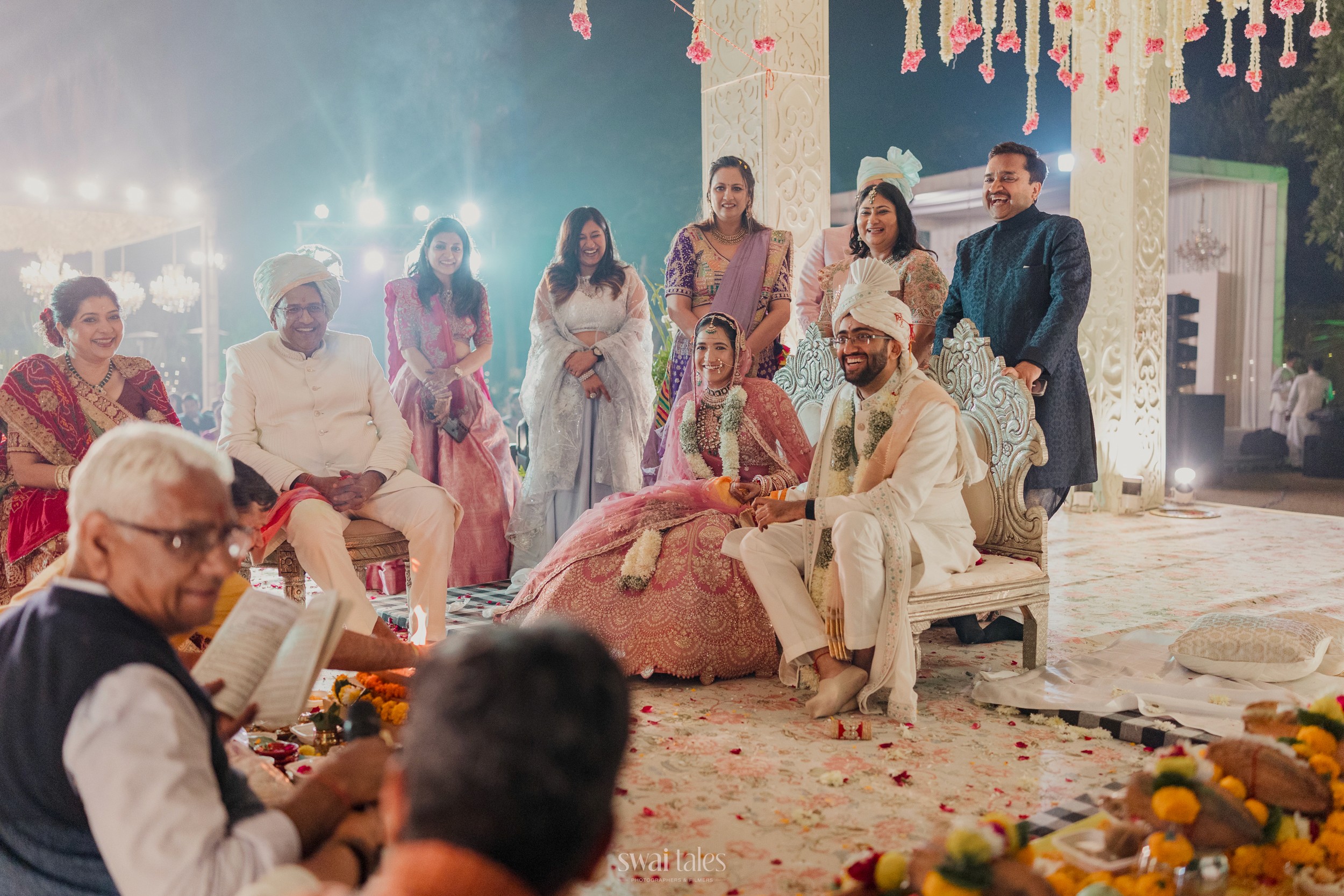
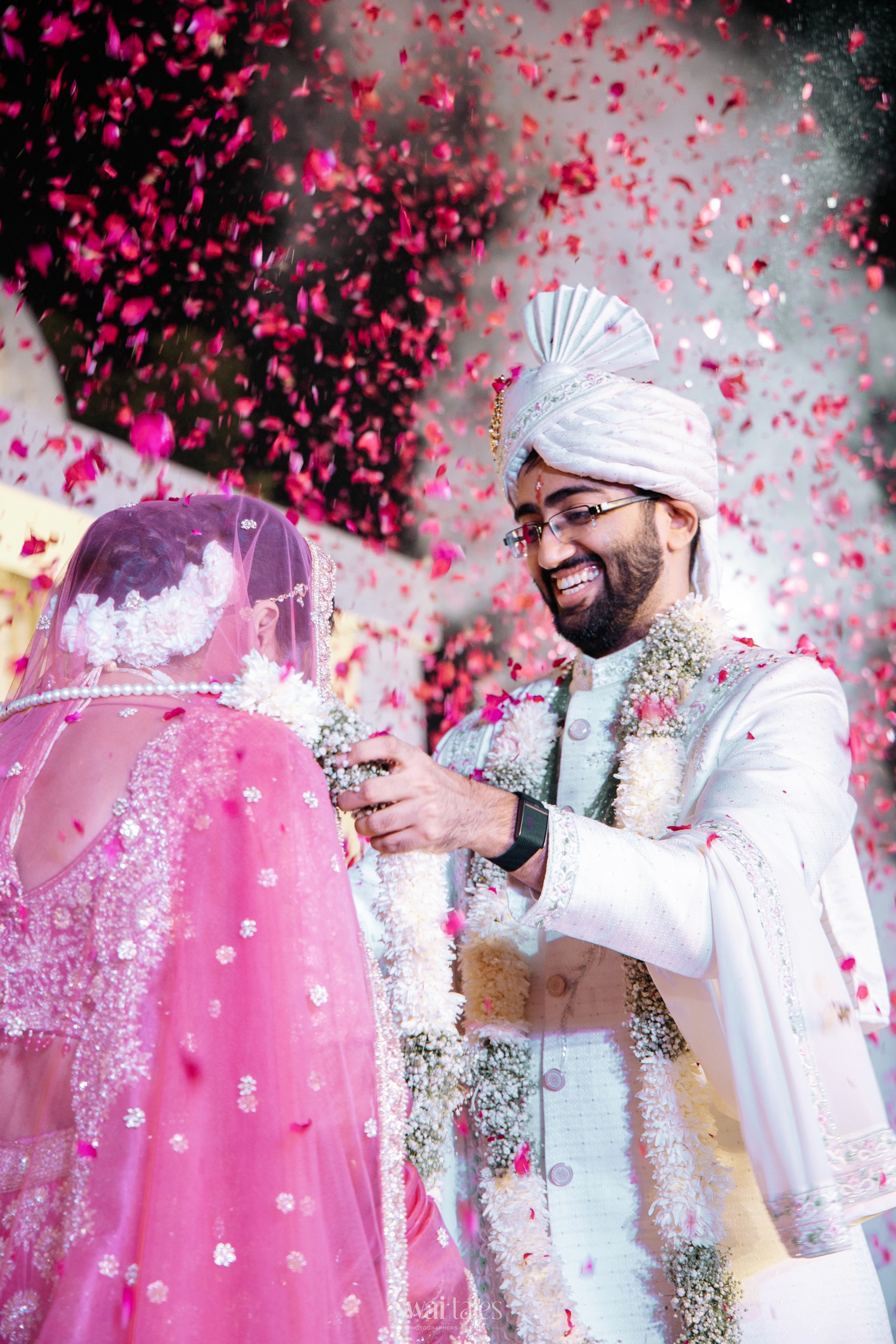
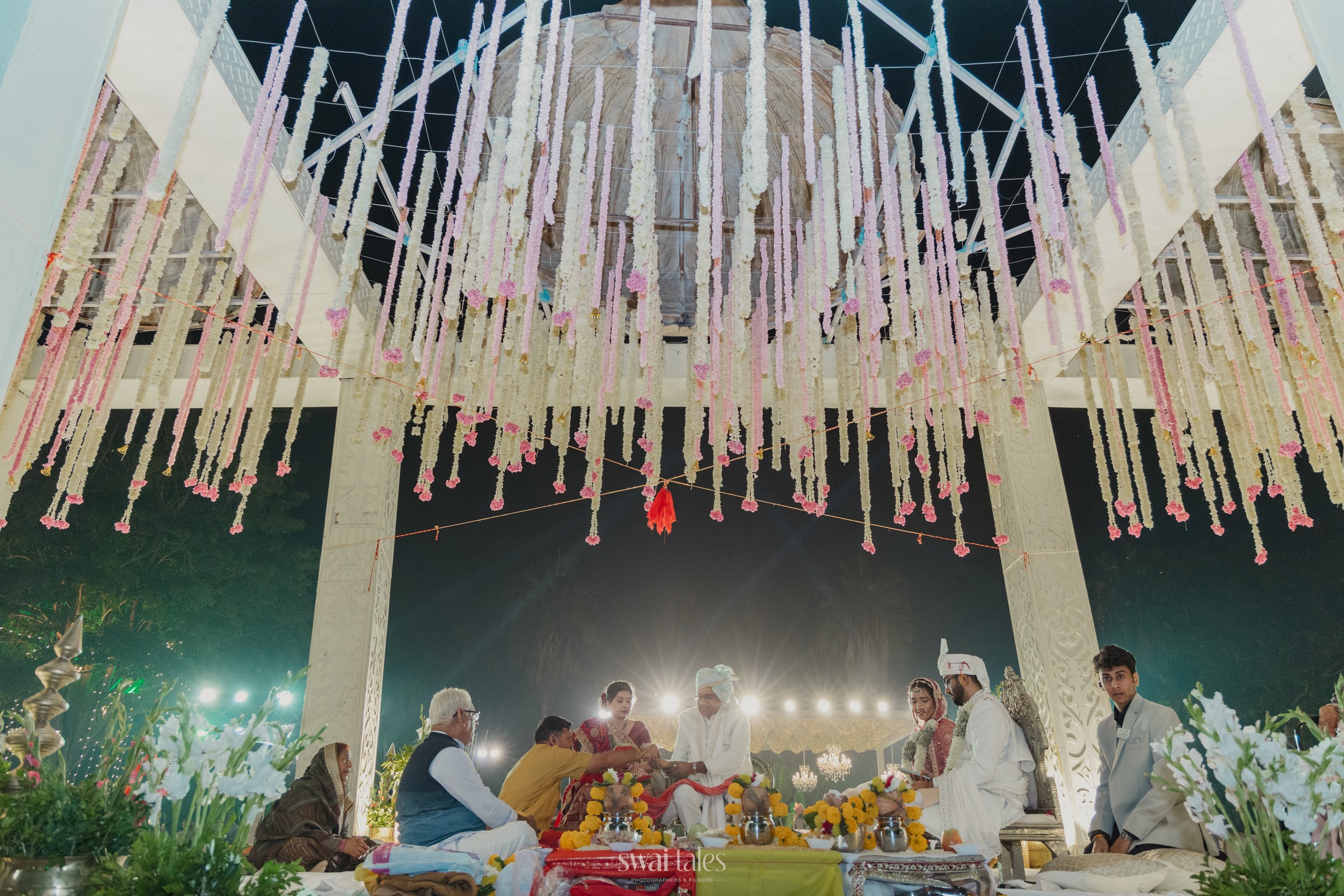
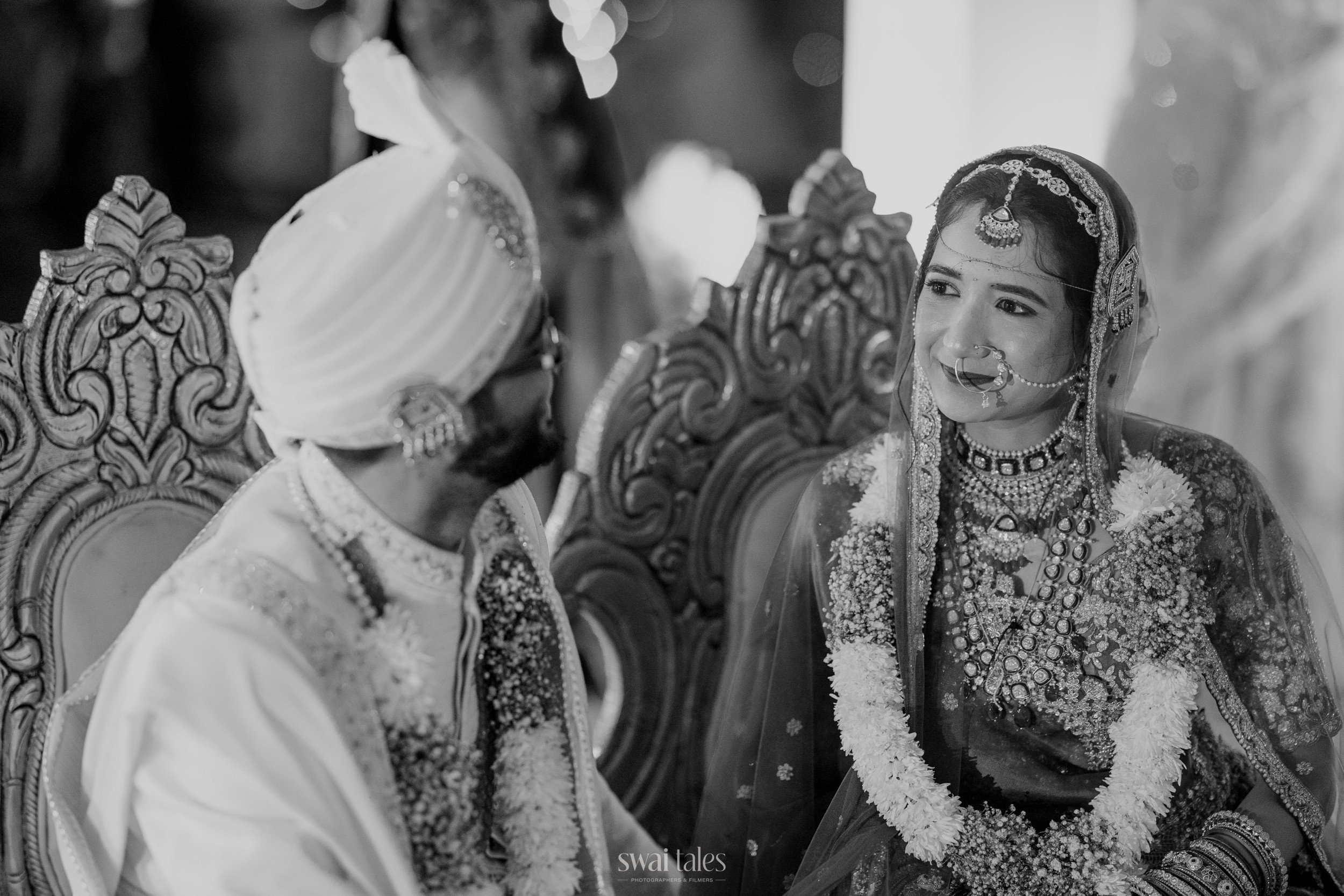
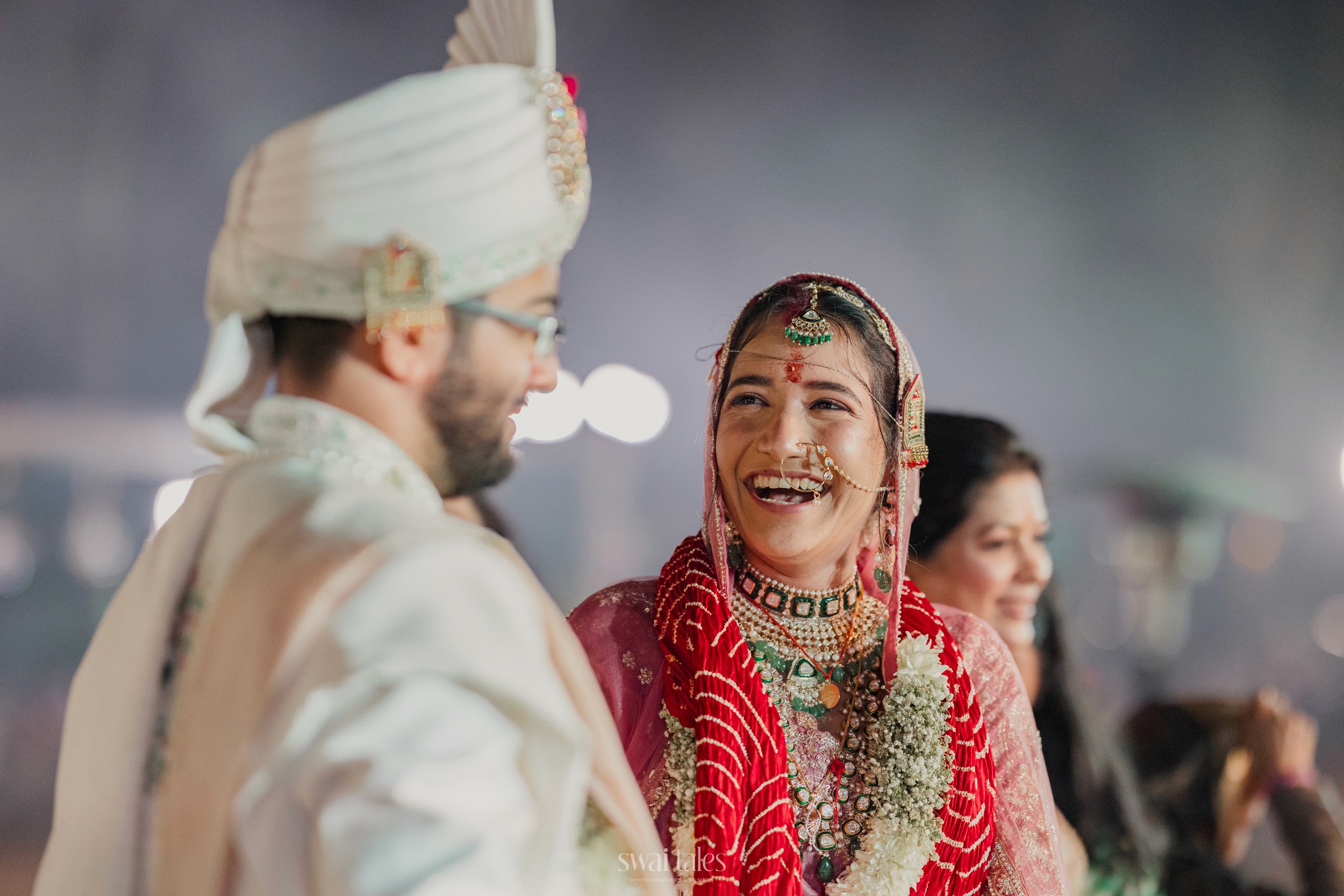
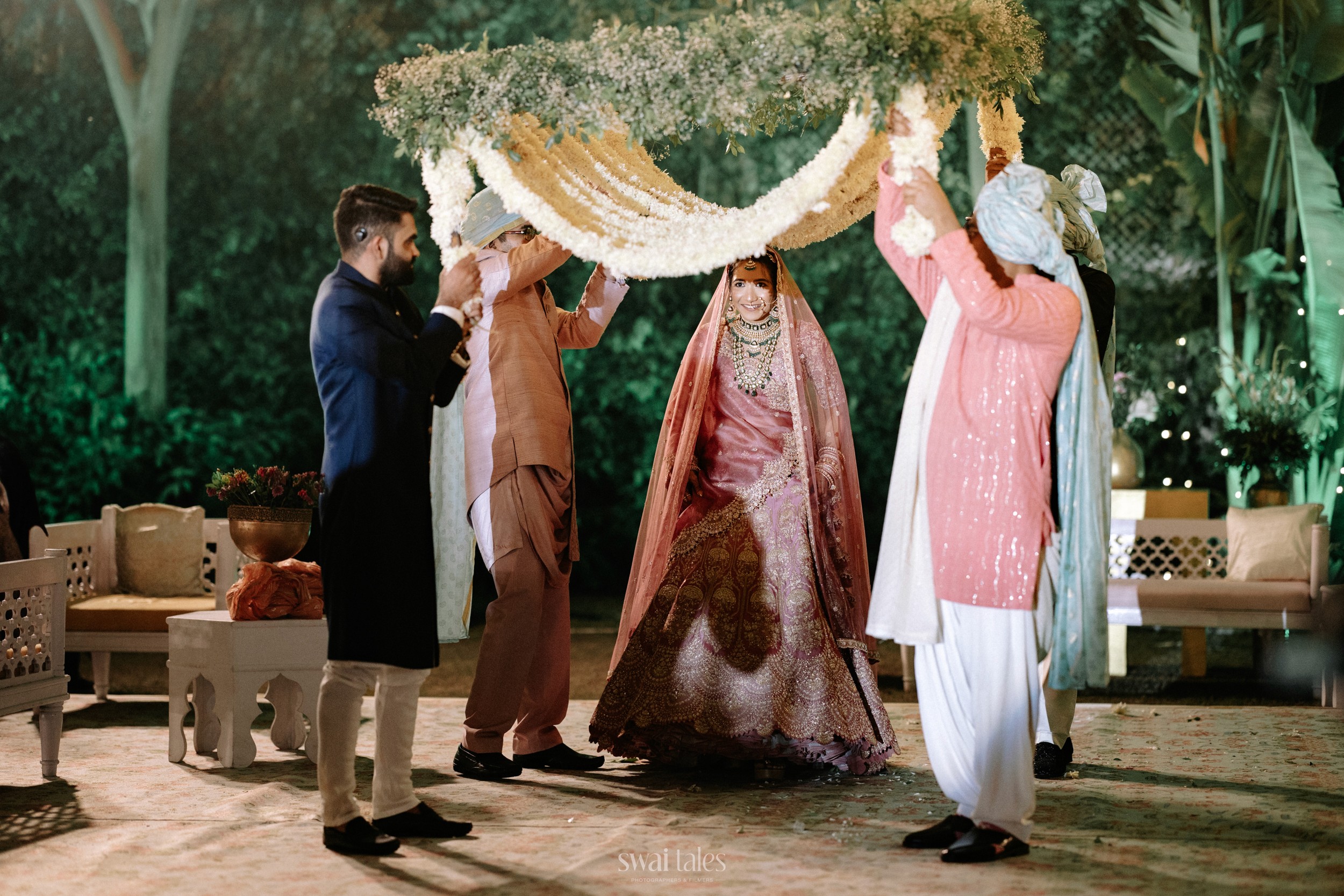
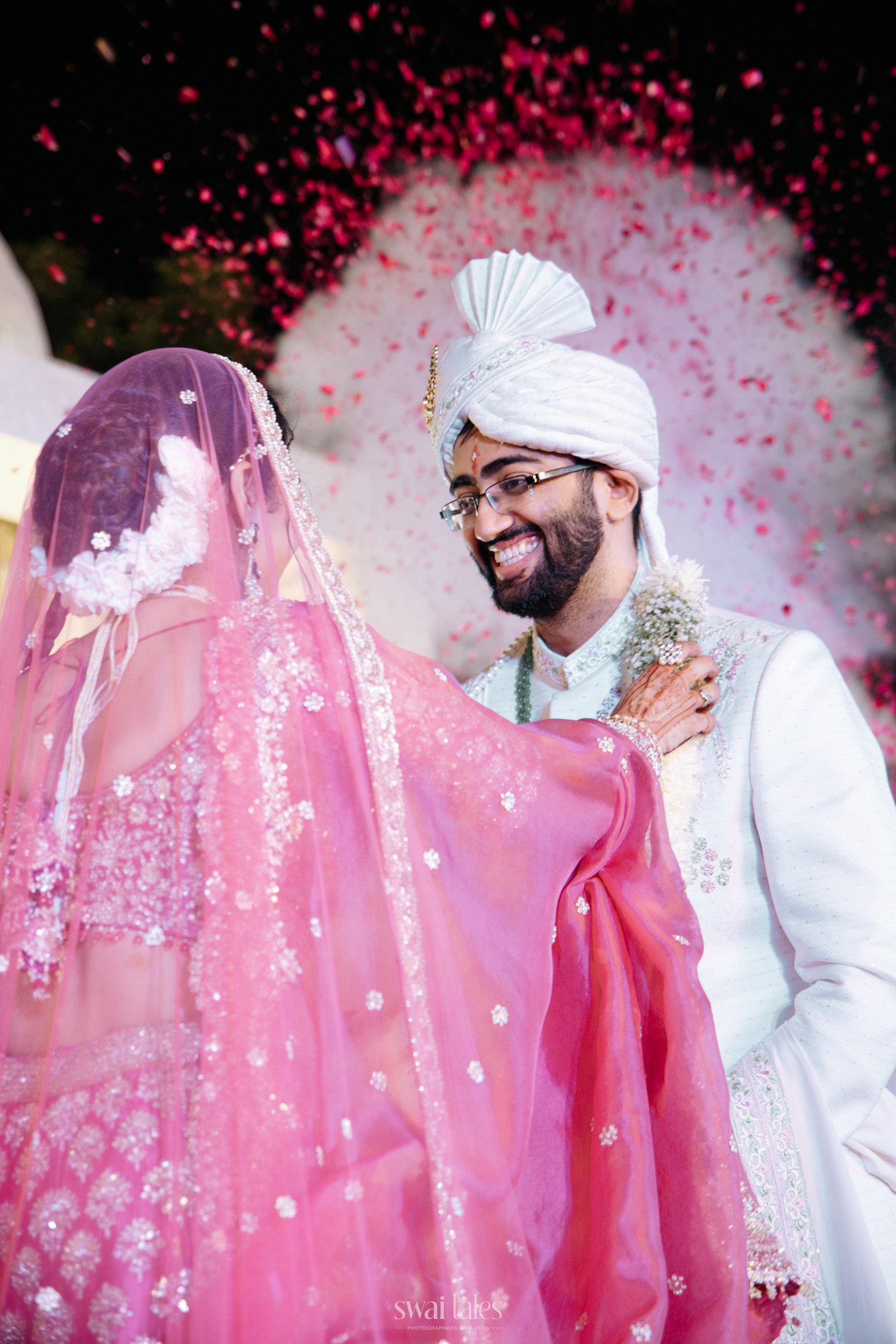
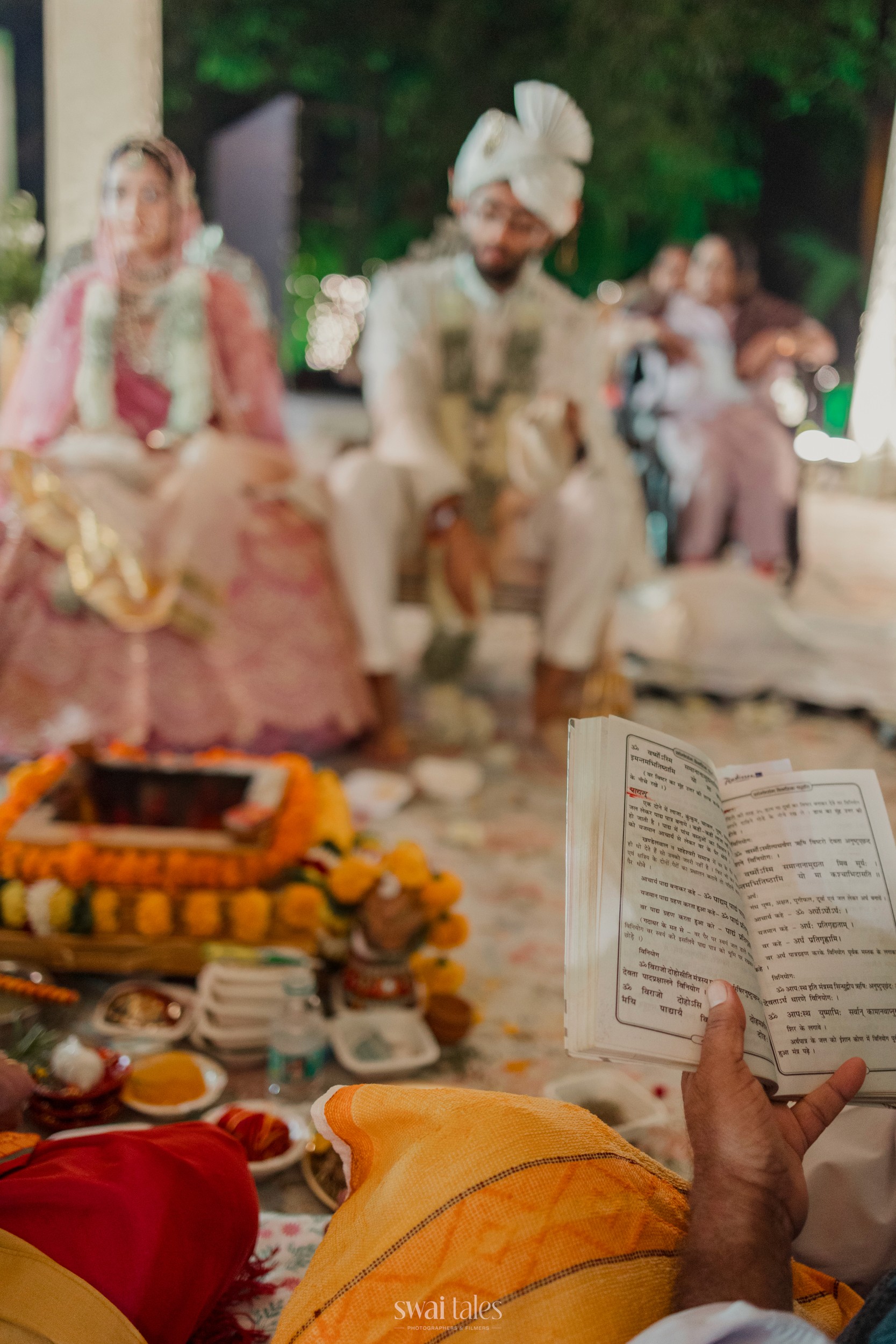
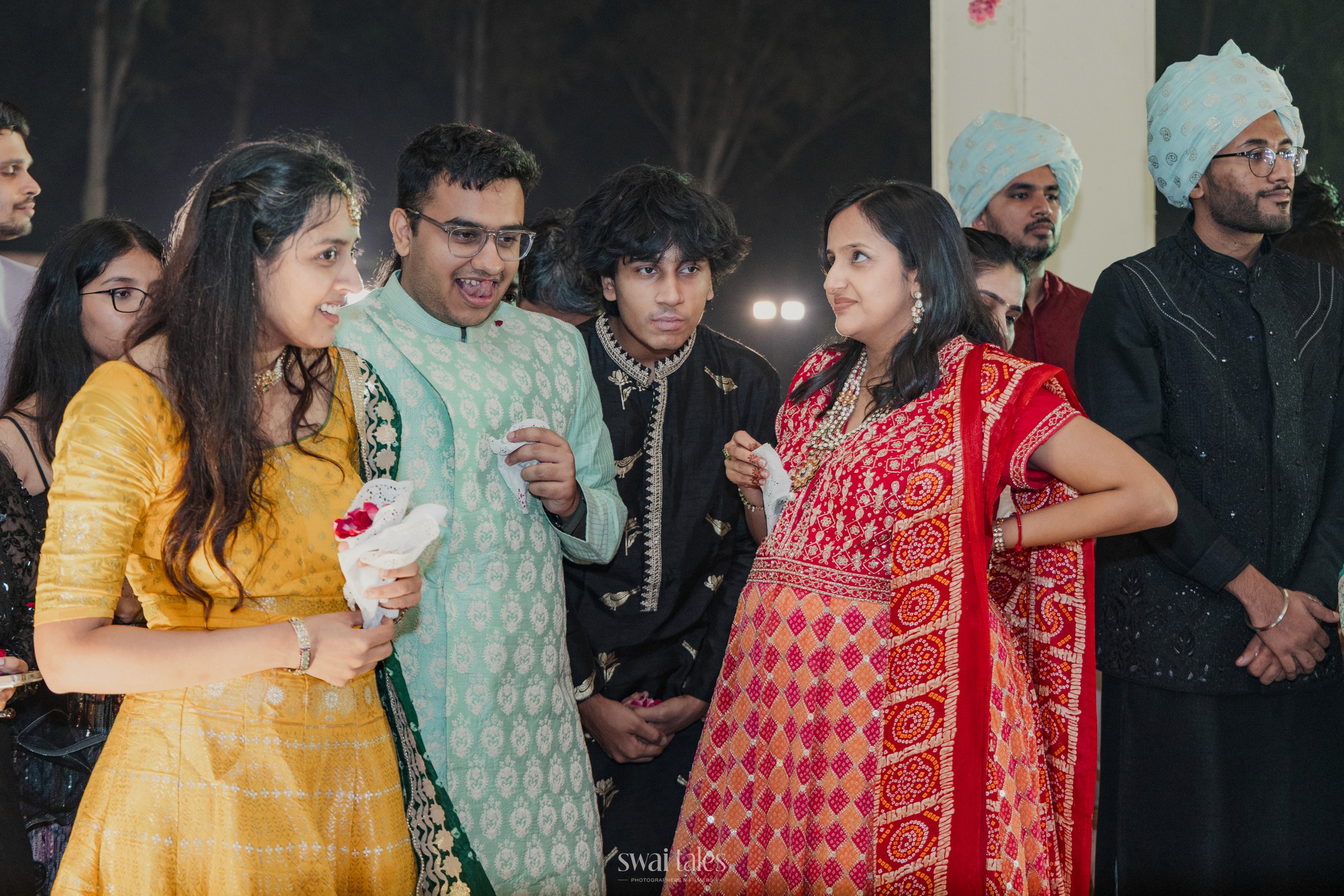
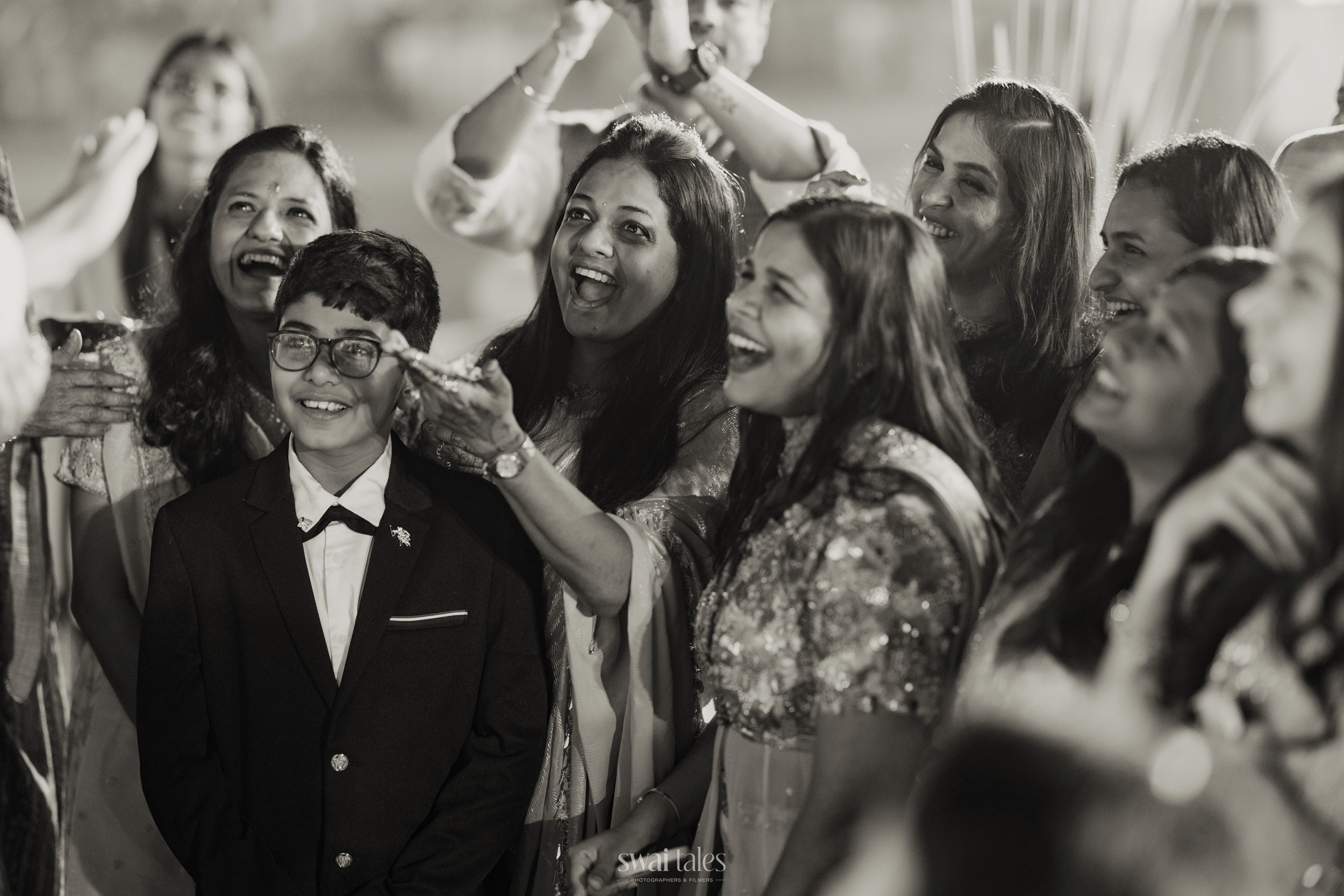
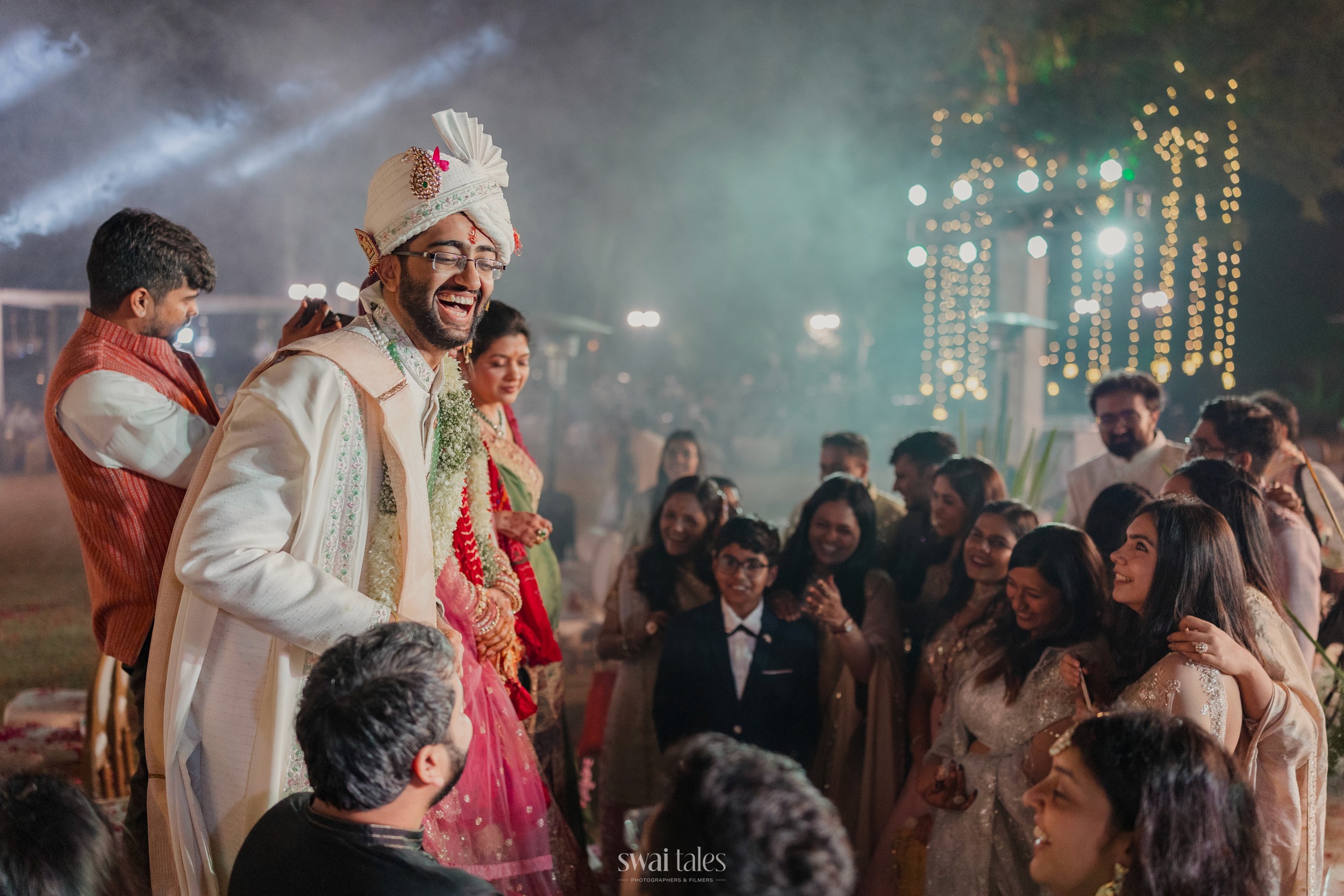
The Jaimala went exactly as Jaimalas go: Abhishika's brothers lifted her every time Anish came close, Anish's side retaliated, and the garland that was meant to take thirty seconds took eleven minutes and involved an undisclosed number of people lifting, blocking, and laughing simultaneously. The priest observed with the practised patience of a man who has seen this many times. Anish, to his credit, was laughing too.
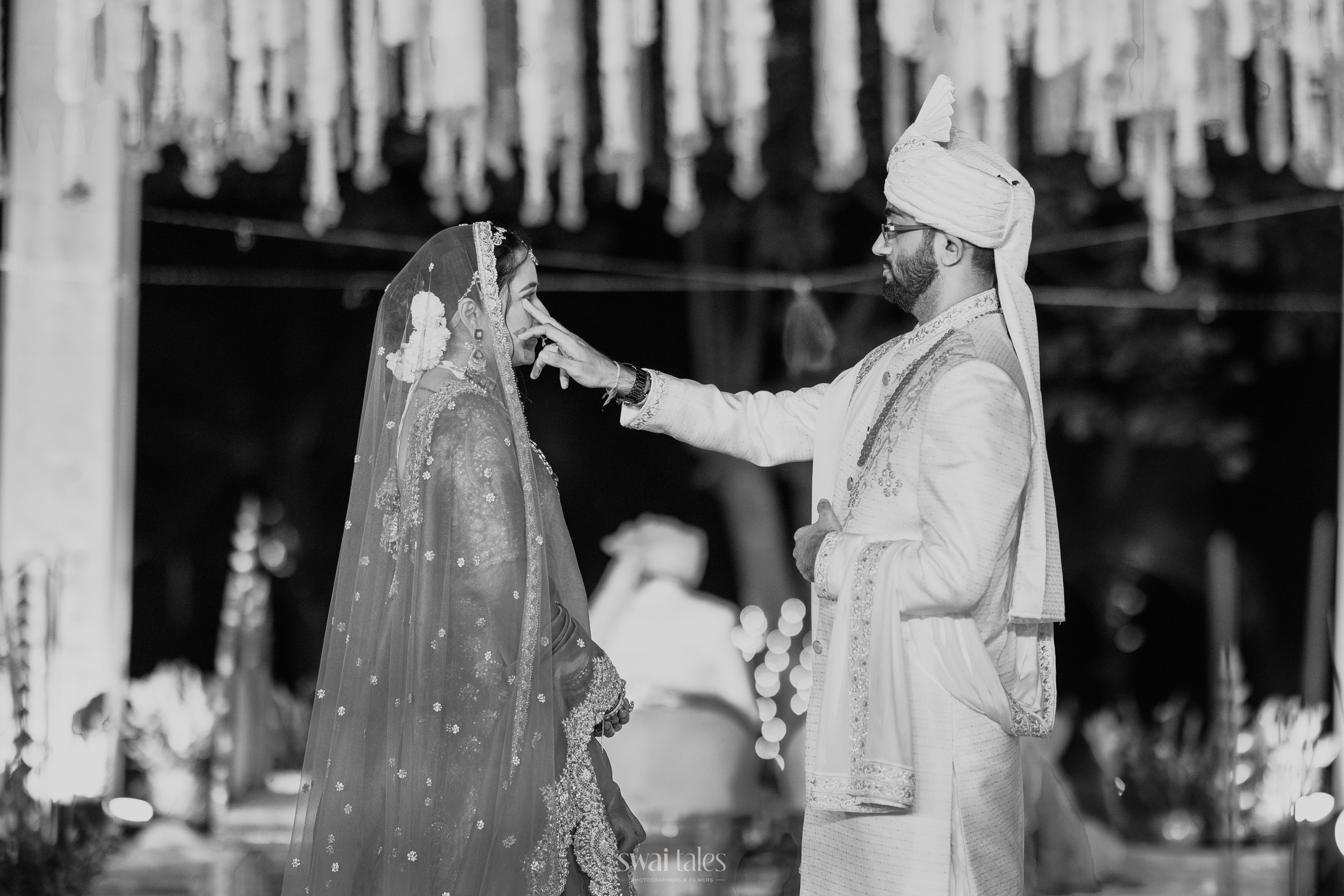
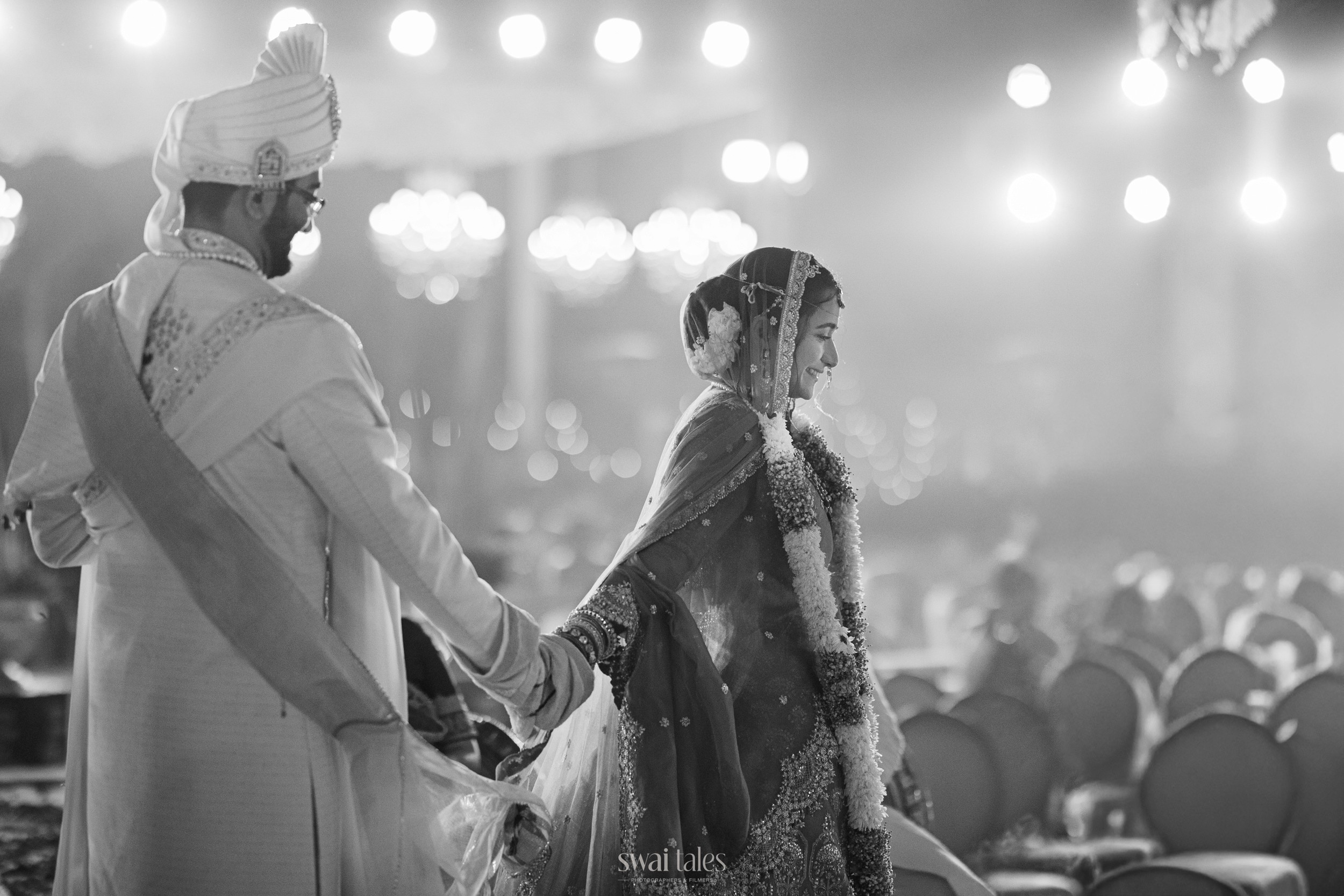
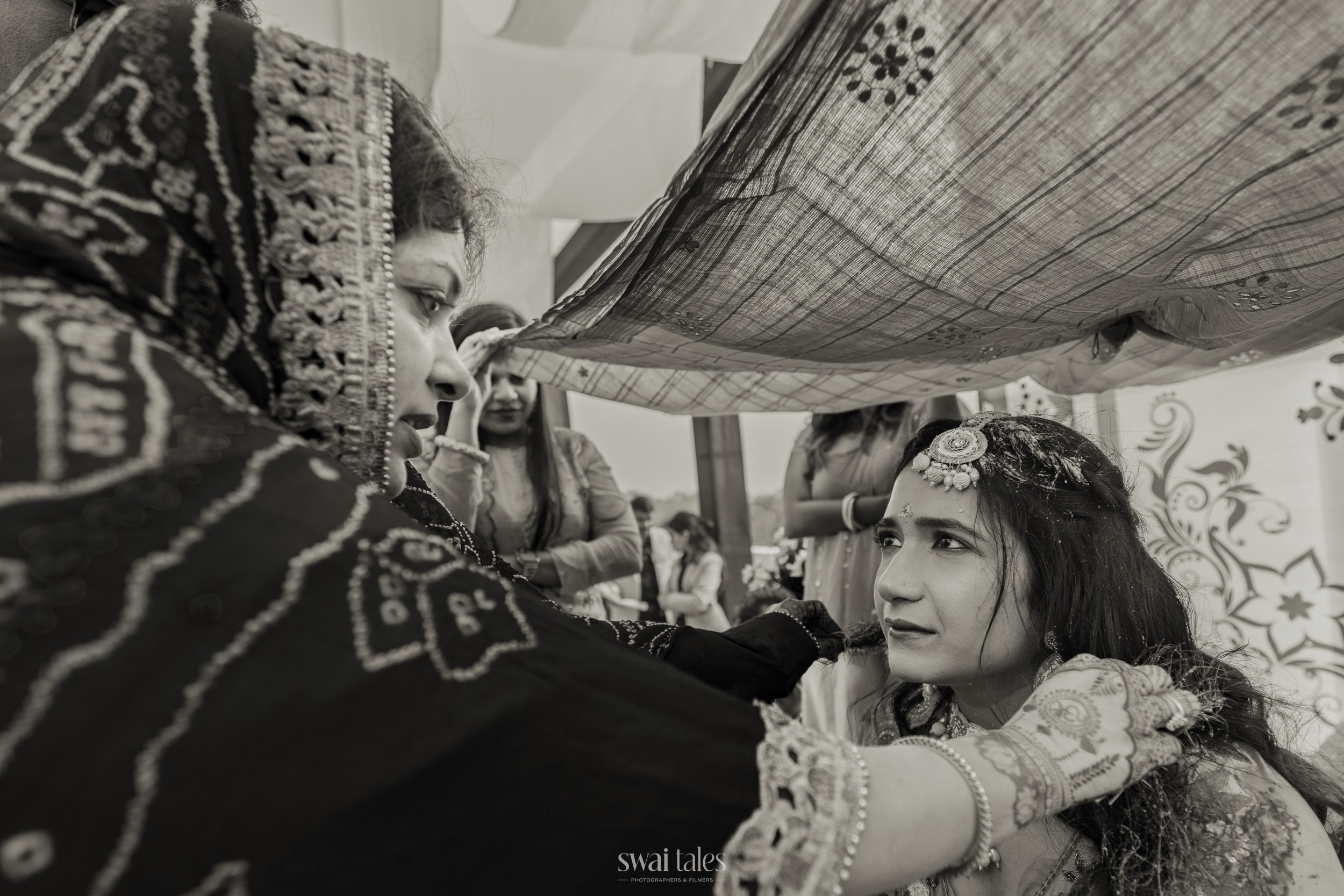
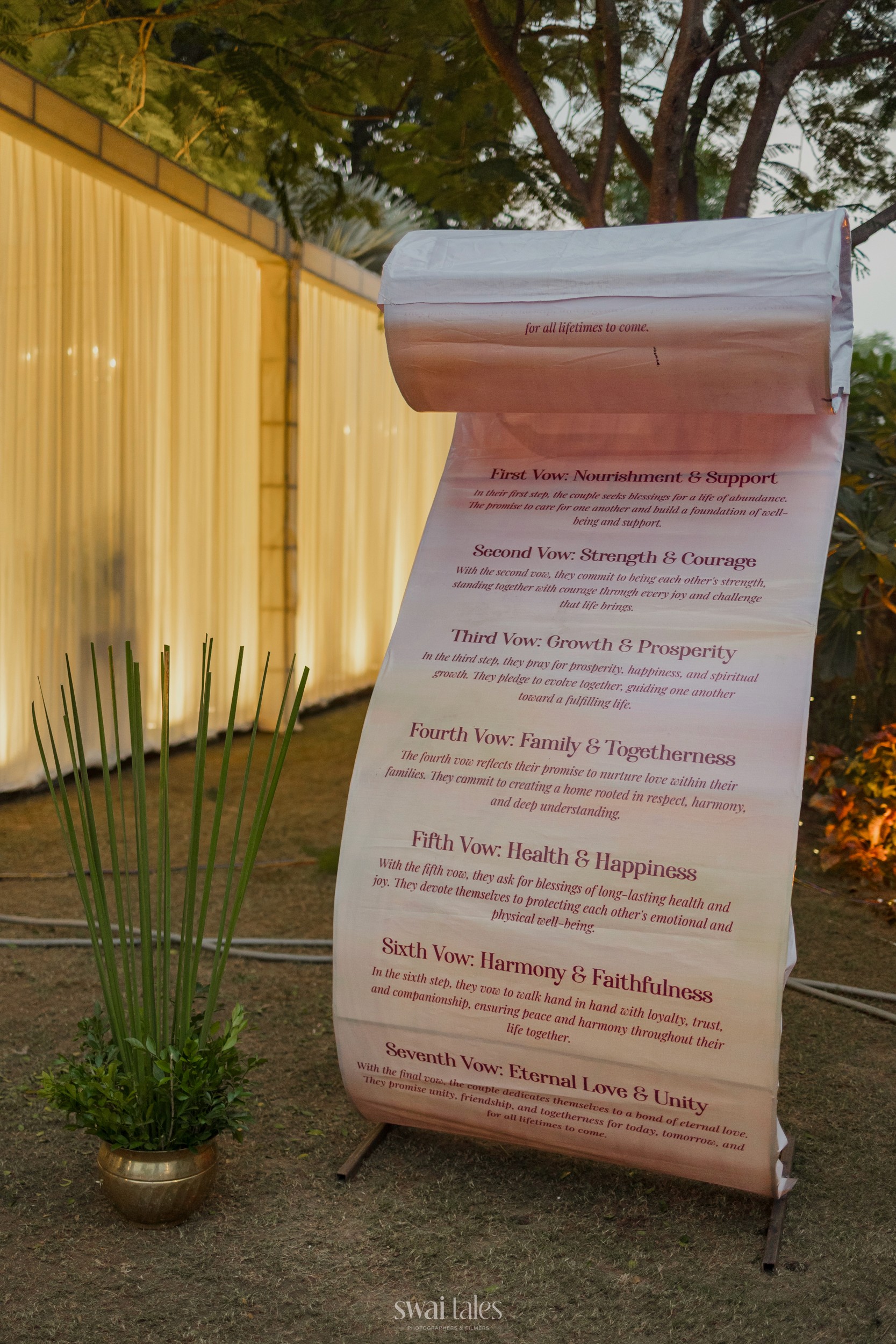
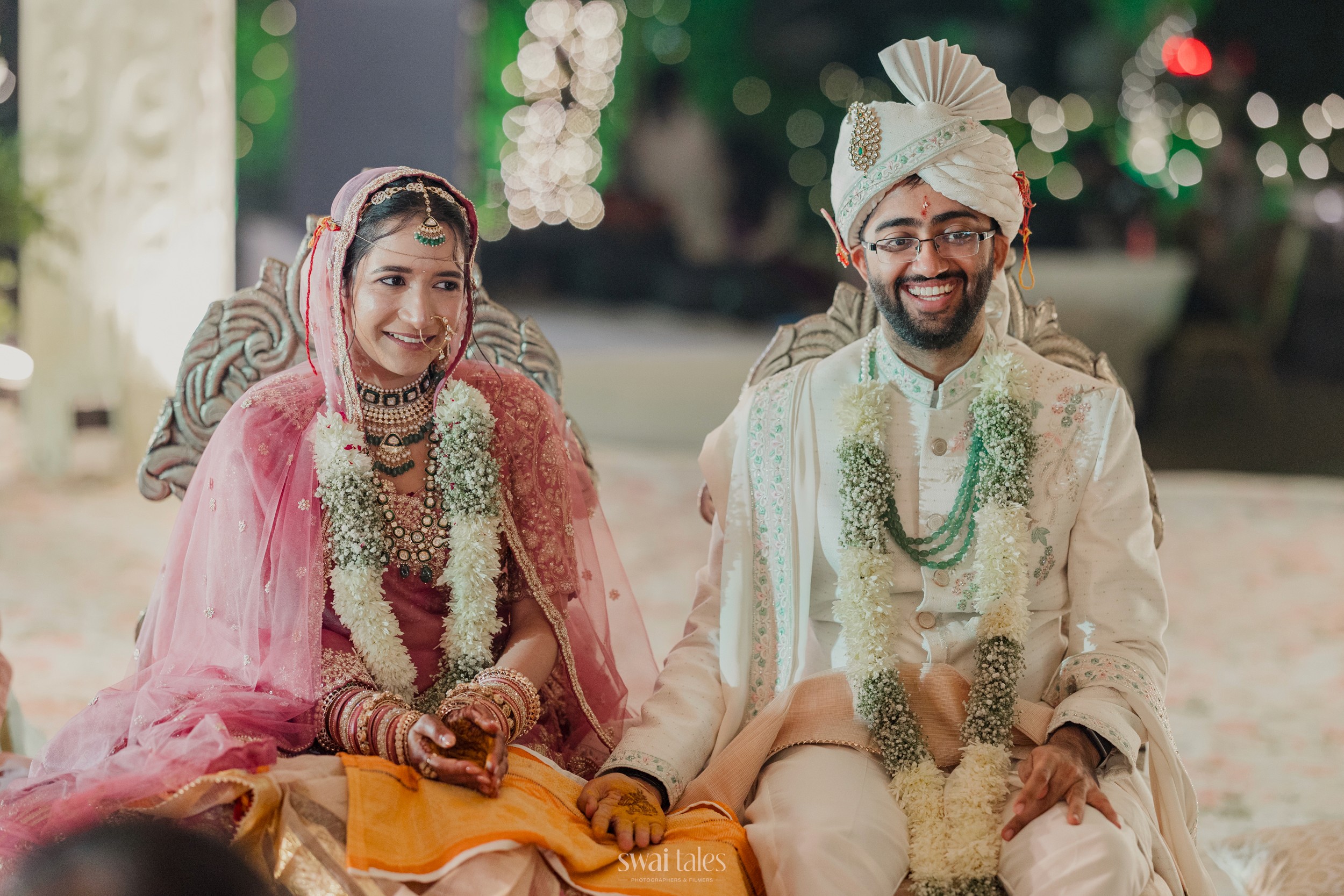
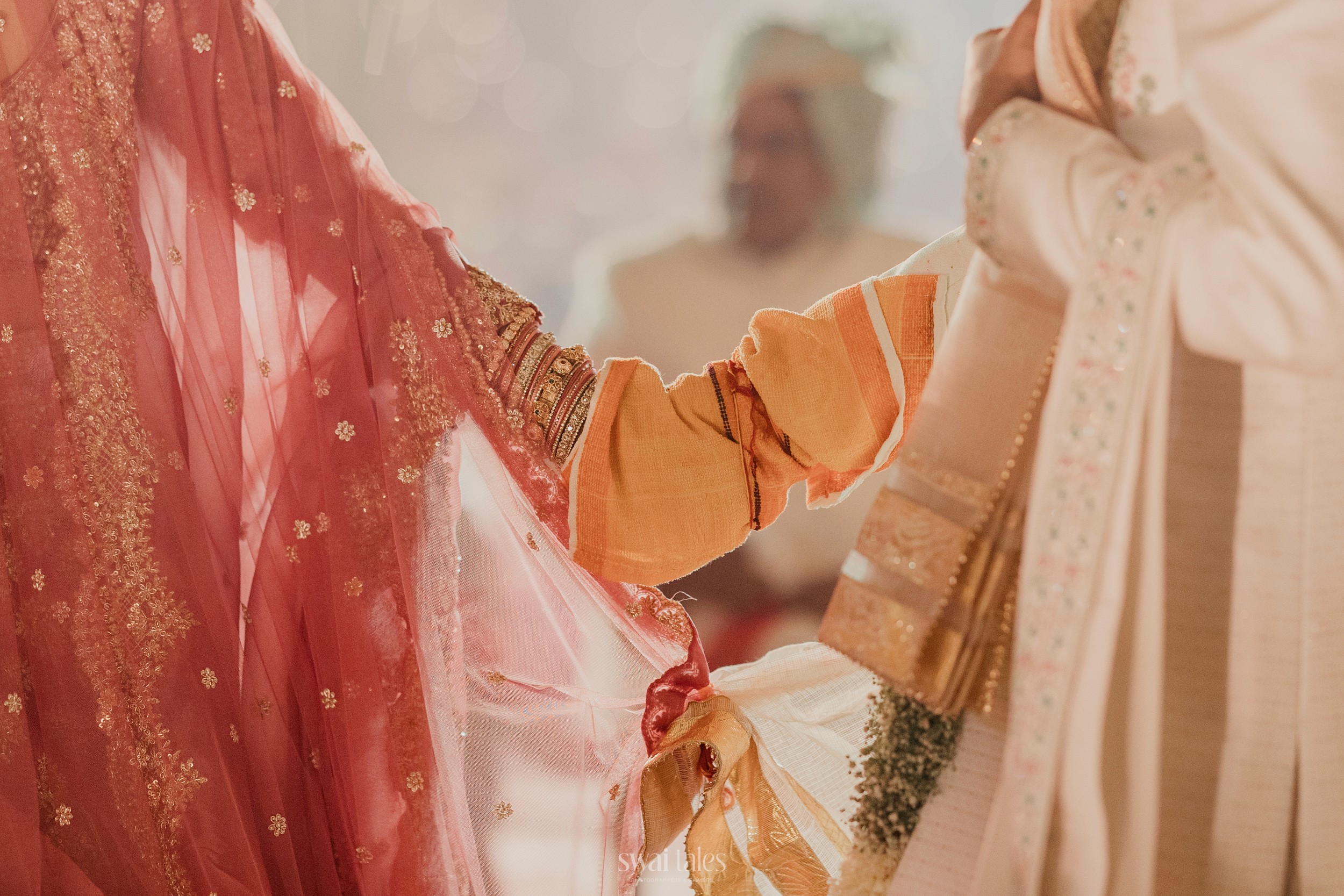
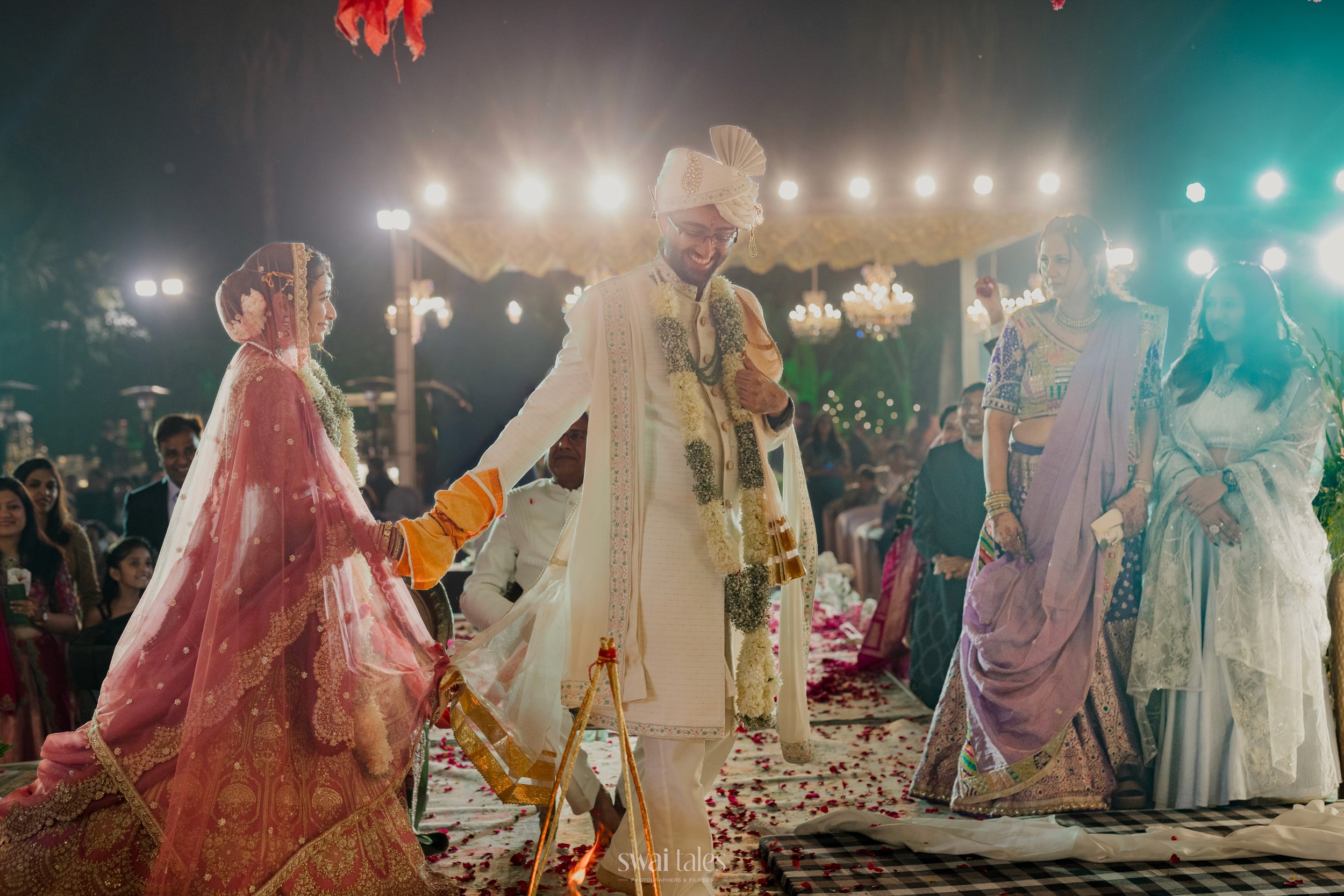
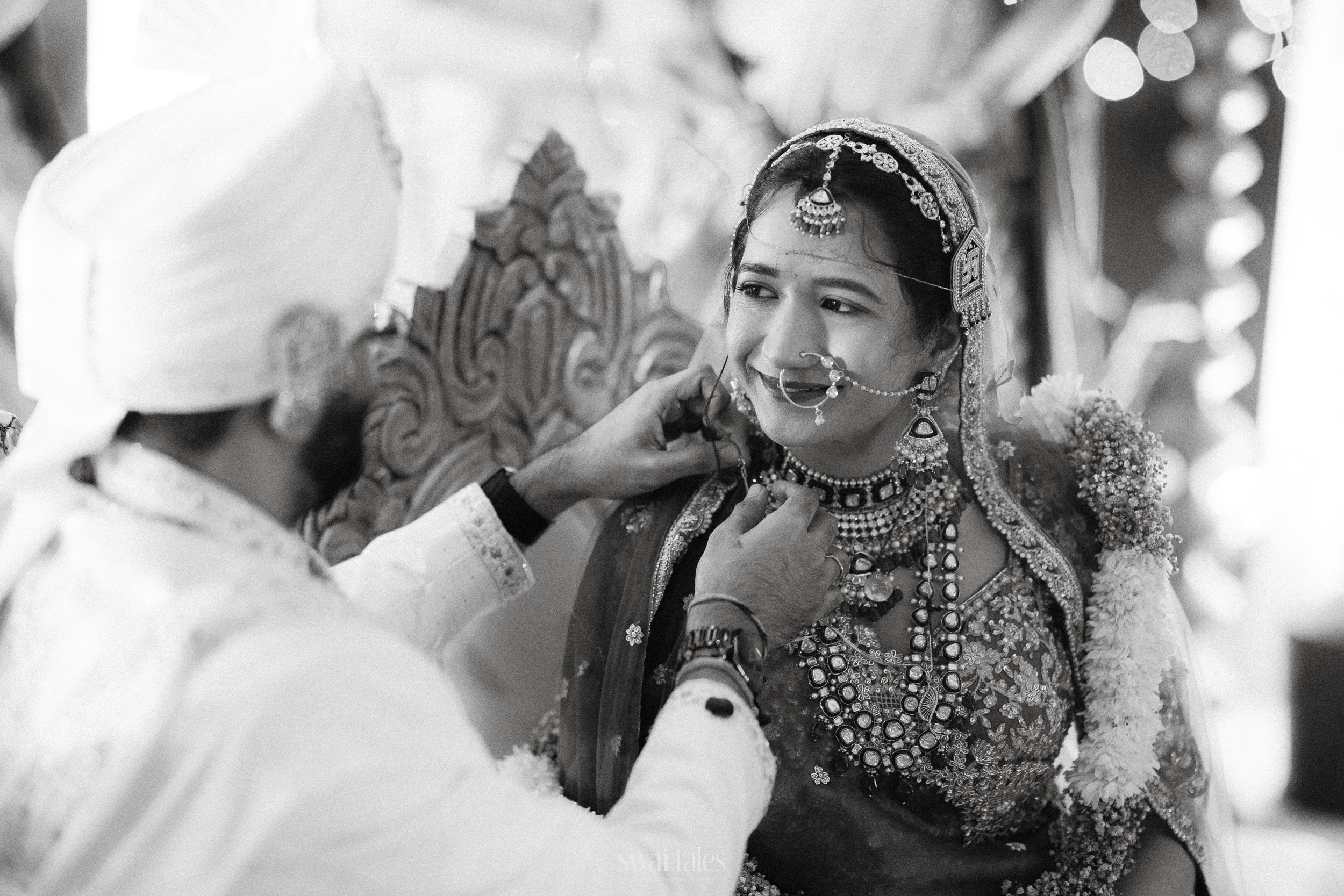
The Saat Phere brought a different quality to the room. Seven rounds around the sacred fire — each one a promise. They took them slowly. Abhishika cried quietly during the fifth. Anish looked at her, said nothing, and held her hand slightly tighter for the remaining two rounds.
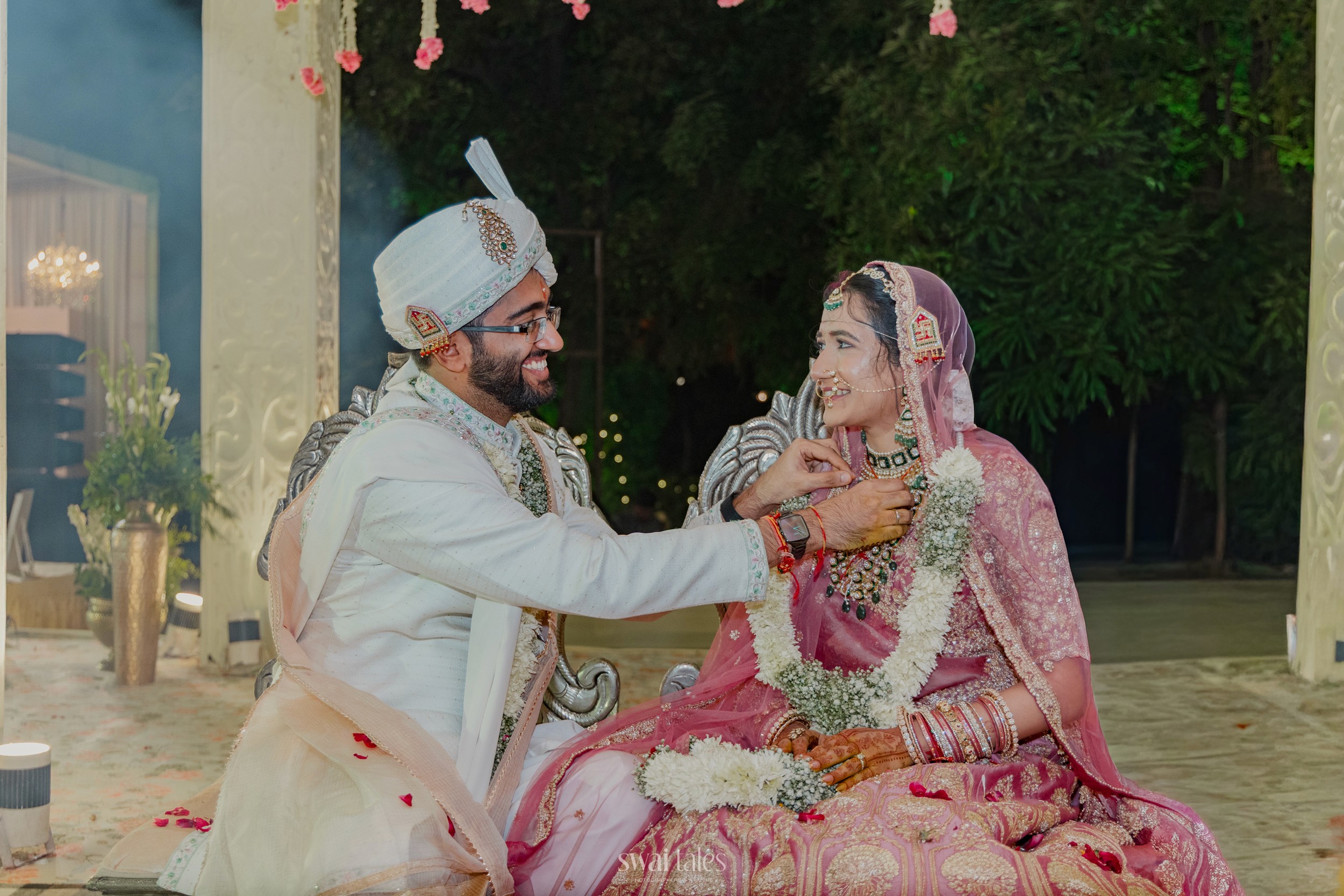
The sindoor. The mangalsutra. The moment Abhishika's mother saw both and covered her mouth with both hands.
We did not need to do anything. We just had to be there.
The Vidaai — On Their Own Terms
Here is what we want to say about the Vidaai, because we think it matters.
Anish did not believe in the traditional Vidaai. Not out of carelessness — he had thought about it carefully, and his position was that the ritual, as commonly performed, frames a woman's departure from her family as a loss, as a grief to be wept through. He did not want Abhishika's transition to her new life to begin that way. He had talked about it with her. She had agreed.
So they did it differently.
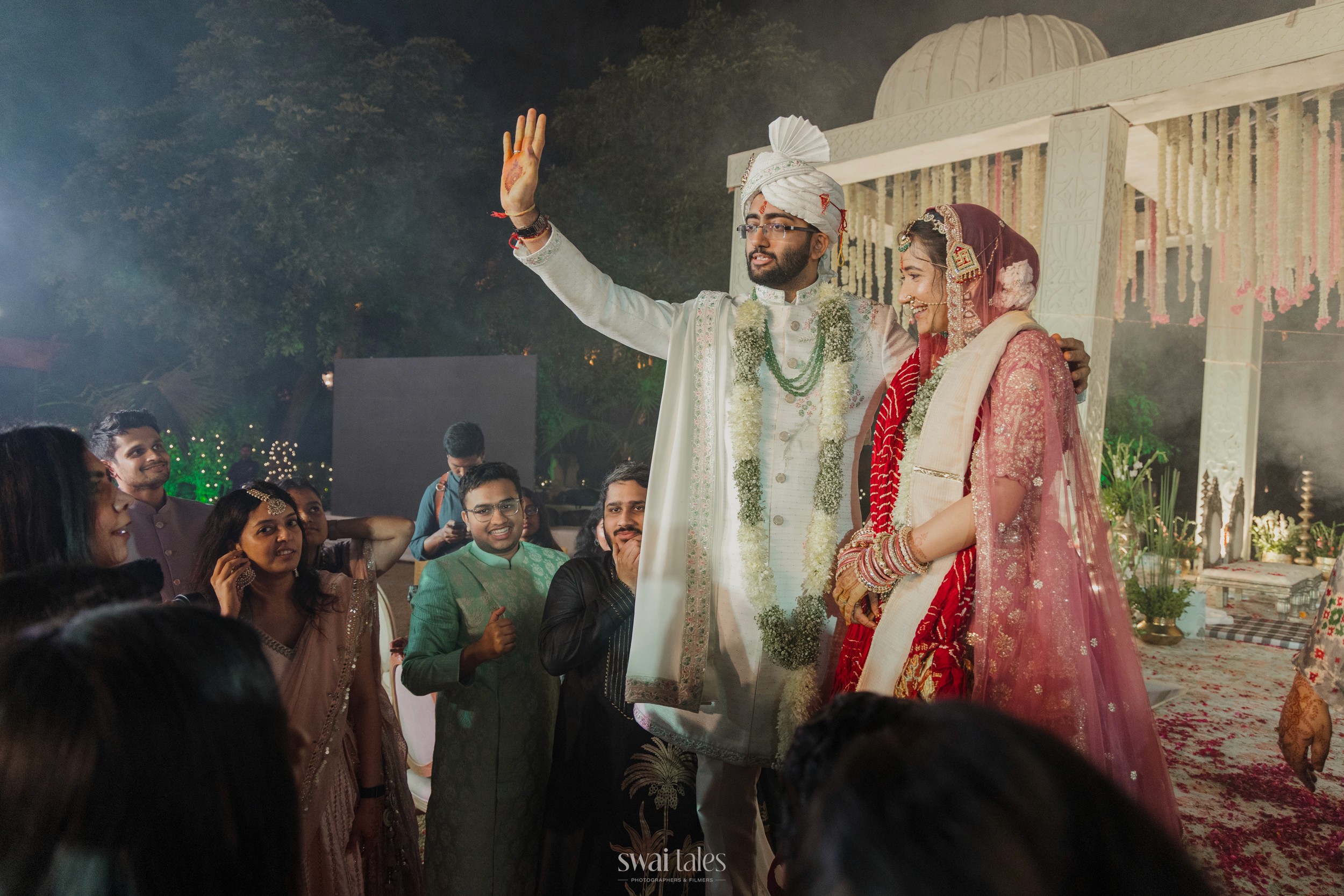
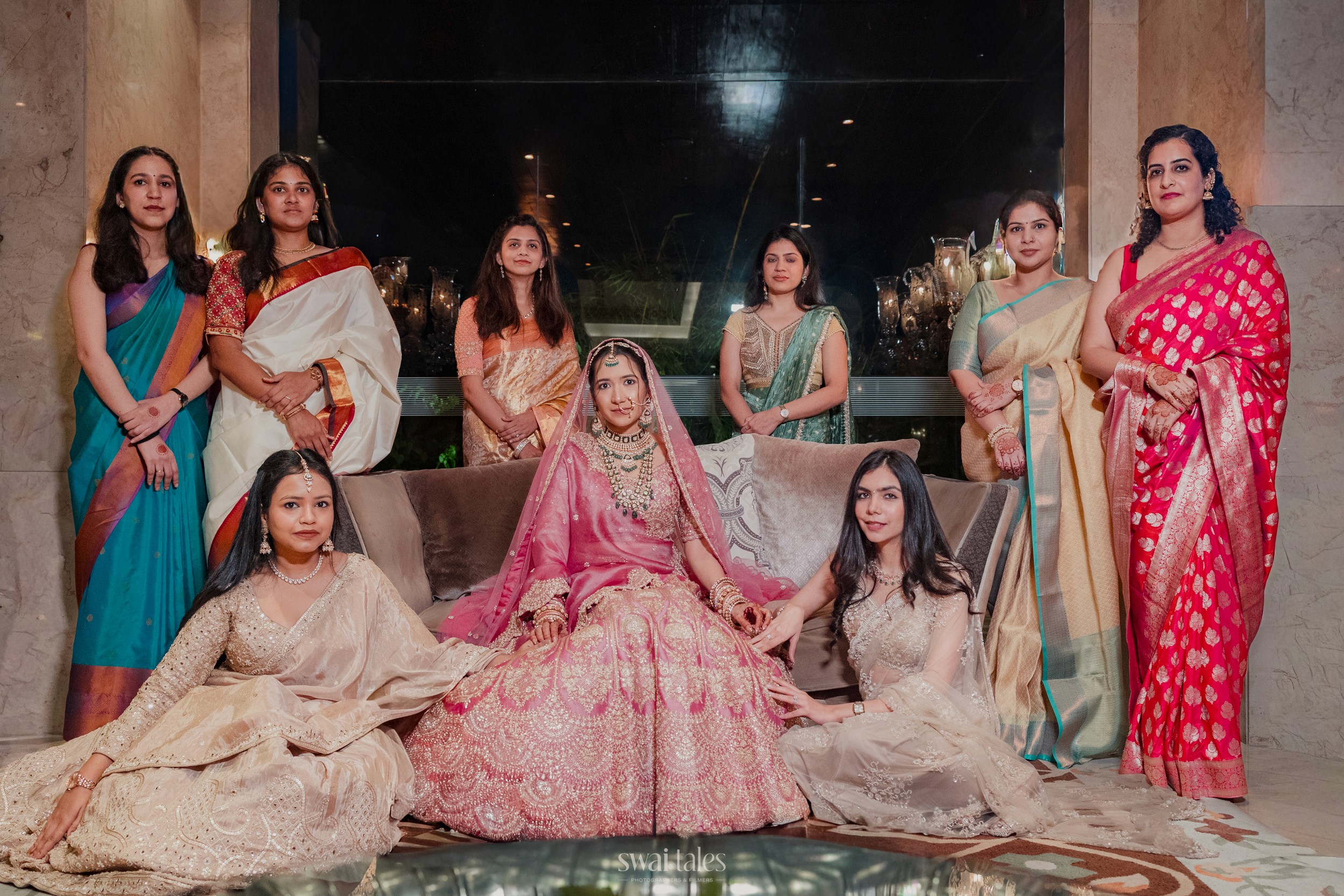
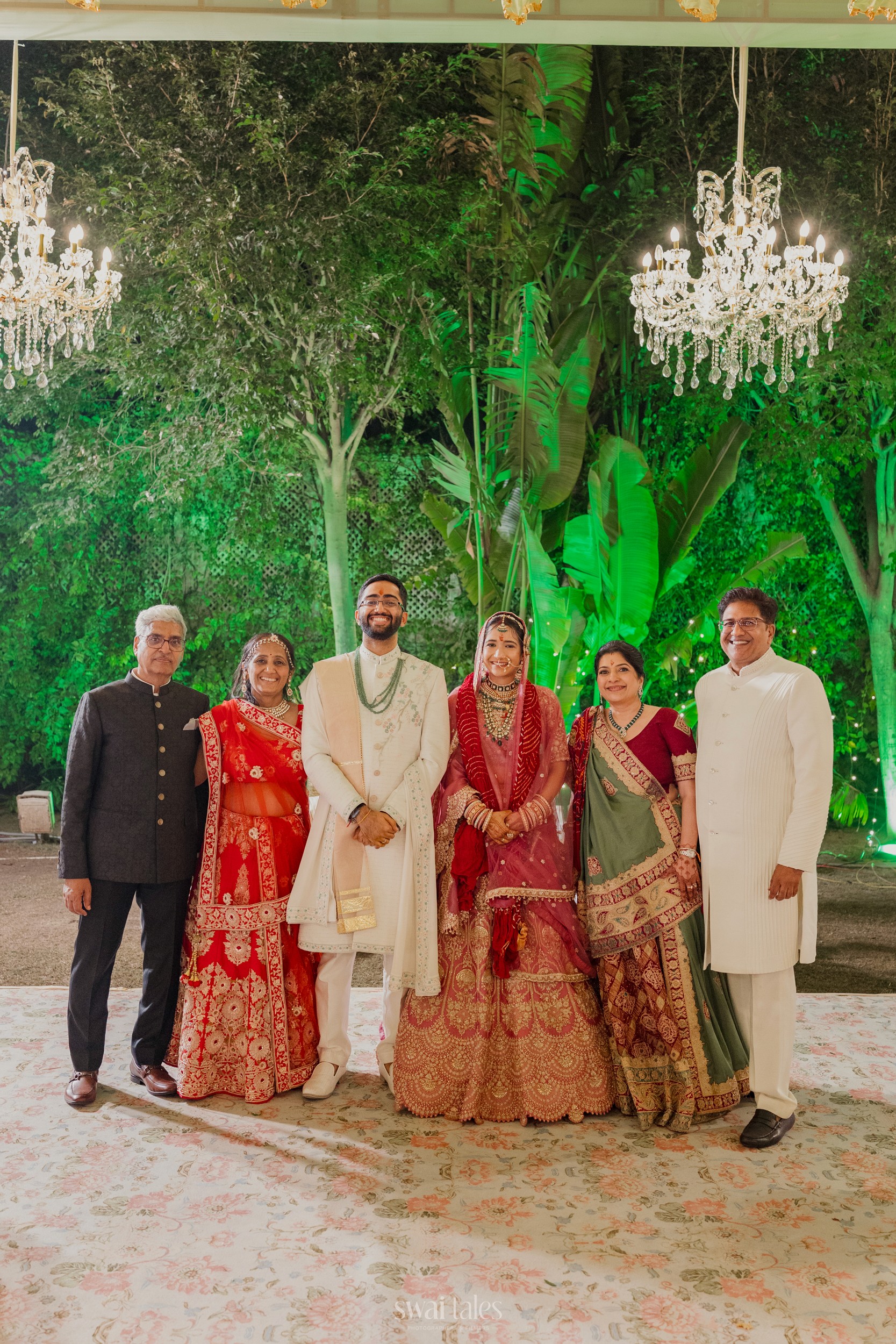
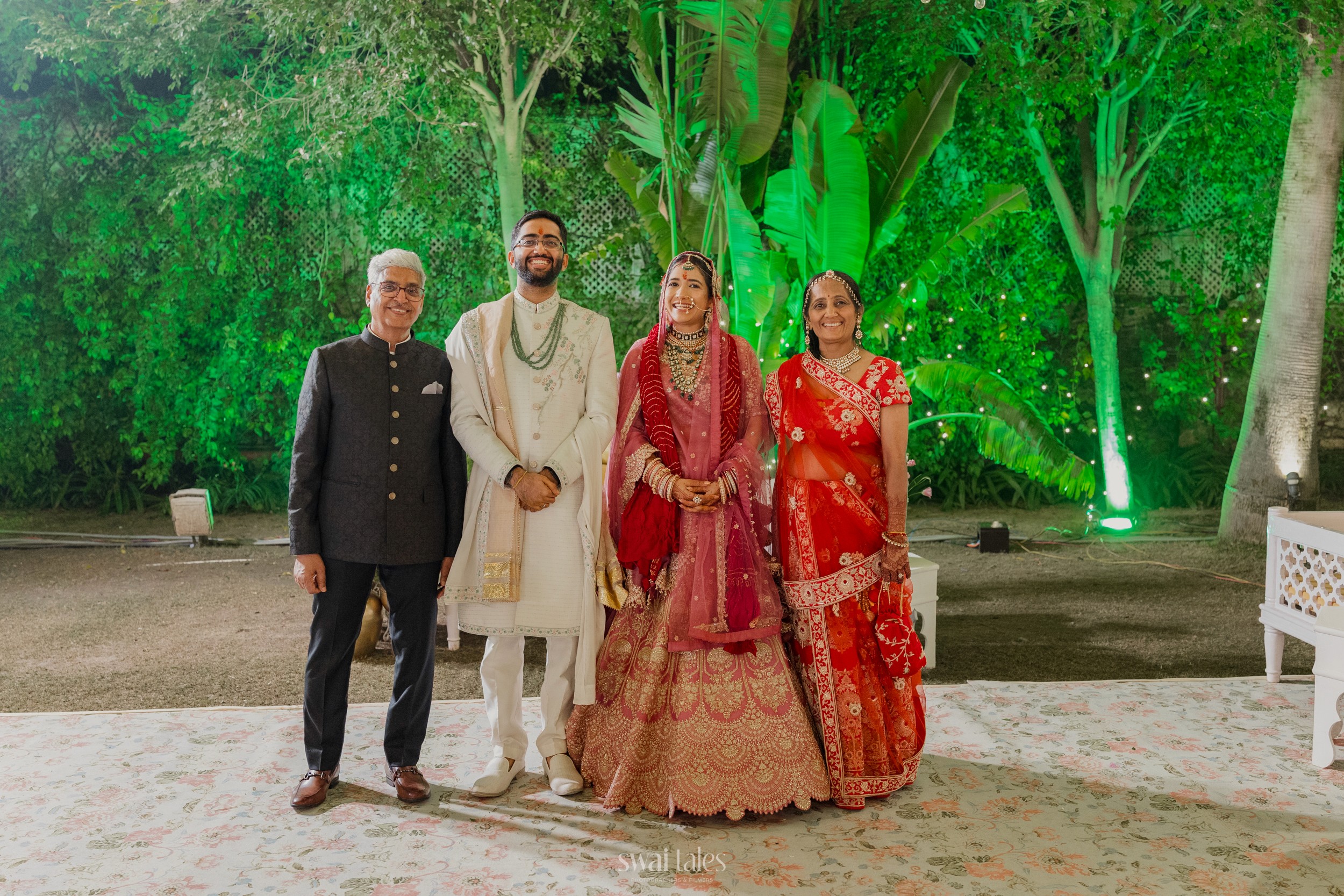
They gathered both families together in the hotel lobby. They thanked people — individually, specifically, by name. Anish's mother hugged Abhishika's parents for a long time. Abhishika hugged Anish's grandmother and said something to her that made the old woman laugh. There were tears, because there are always tears, but they were not the tears of separation. They were the tears of gratitude and fullness and the overwhelming fact of a family becoming larger.
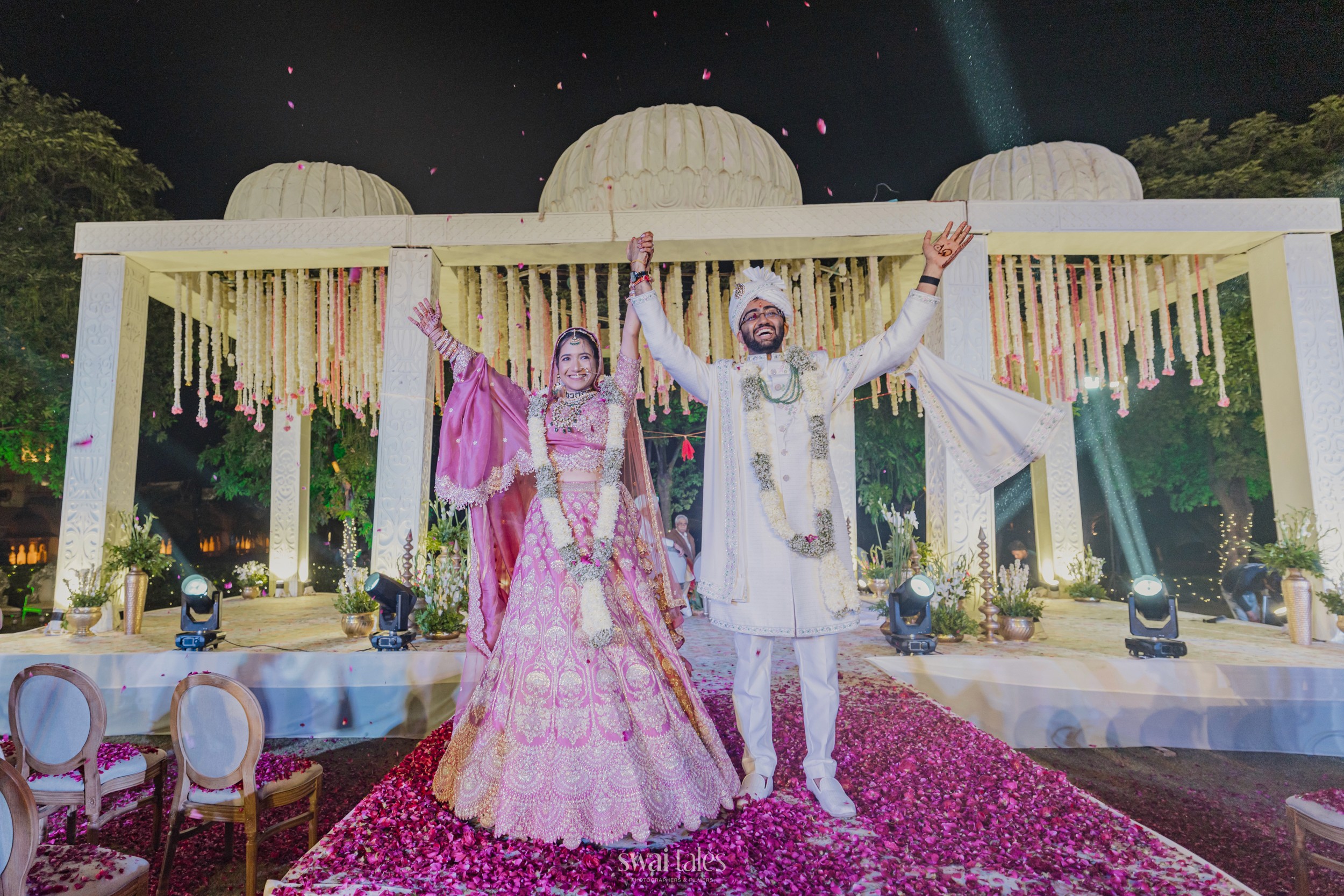
Then Anish and Abhishika walked out together — not Abhishika leaving, but both of them leaving, into the same beginning.
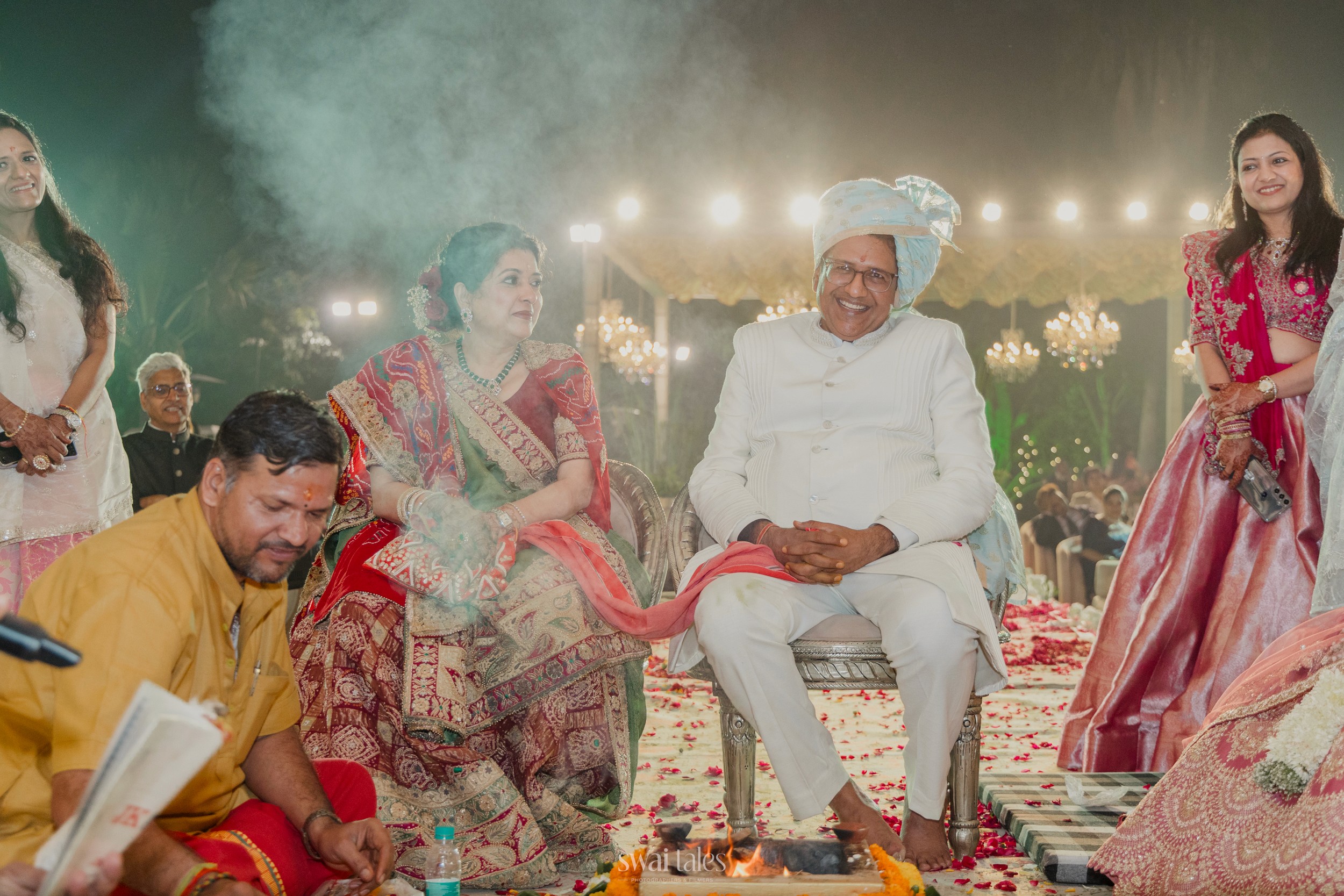
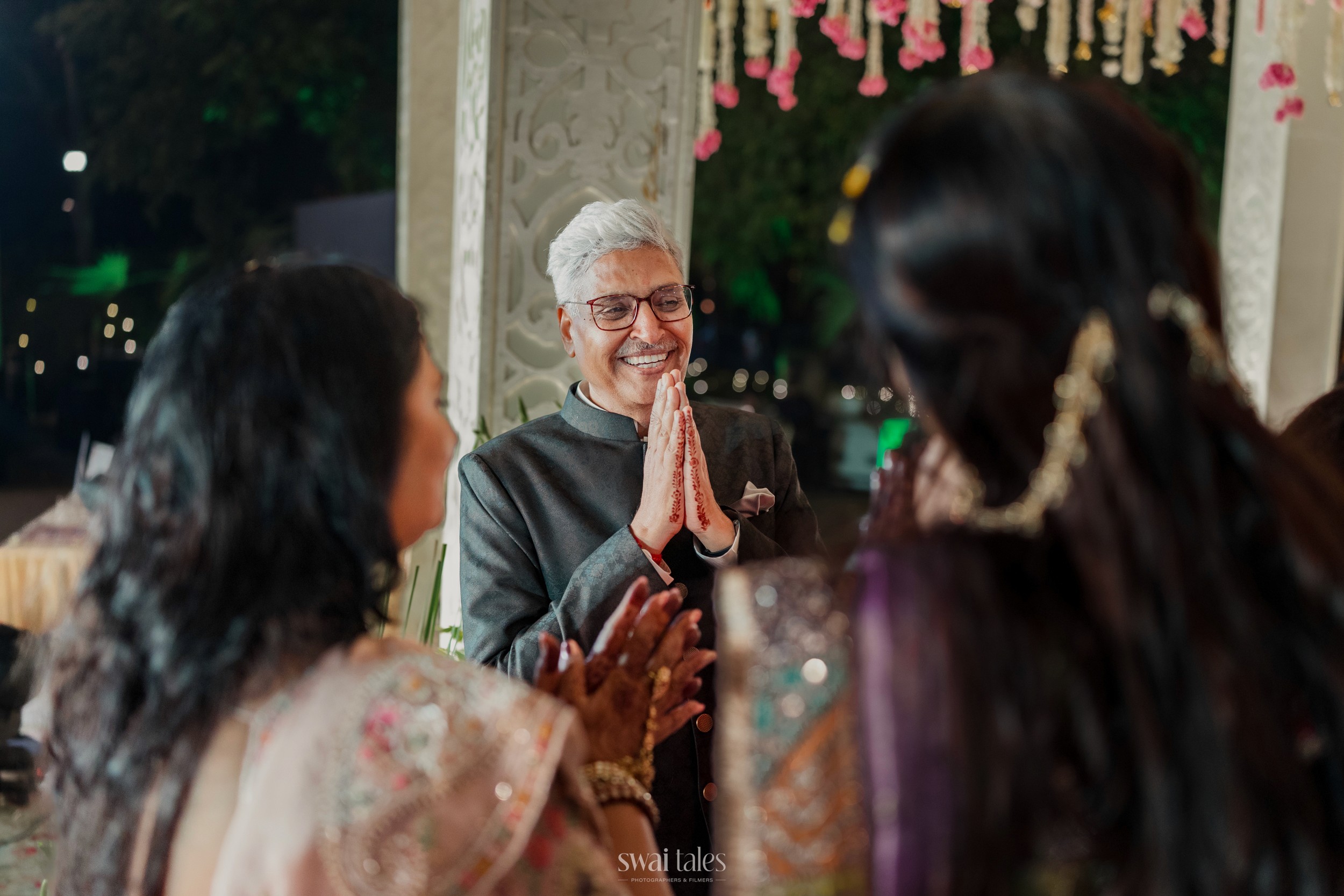
We did not break a coconut behind the car. But we did photograph Abhishika's father watching the car pull away, his arm around his wife, his face doing the particular arithmetic of a parent who has raised someone well enough to let them go with joy.
That photograph might be the truest one we took all weekend.
On Photographing Marwadi Weddings in Udaipur
Marwadi weddings are among the most layered, ritual-rich celebrations we have the privilege of documenting. The ceremonies carry centuries of meaning. Understanding the Mayra, knowing why the sindoor moment is different from any other, recognising the particular weight of a grandmother watching her grandchild marry — that knowledge is what separates a photographer who was present from a photographer who was witness.
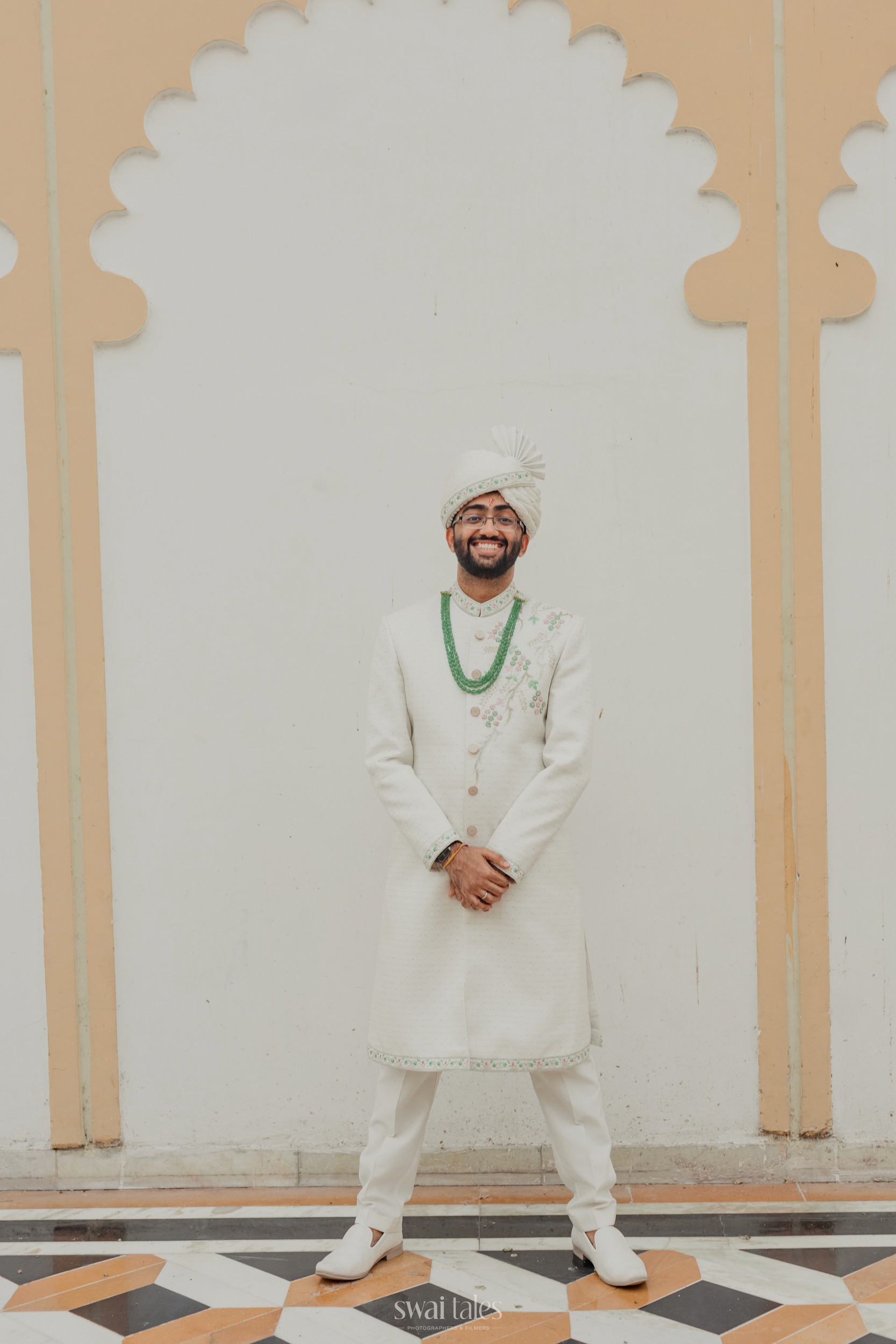
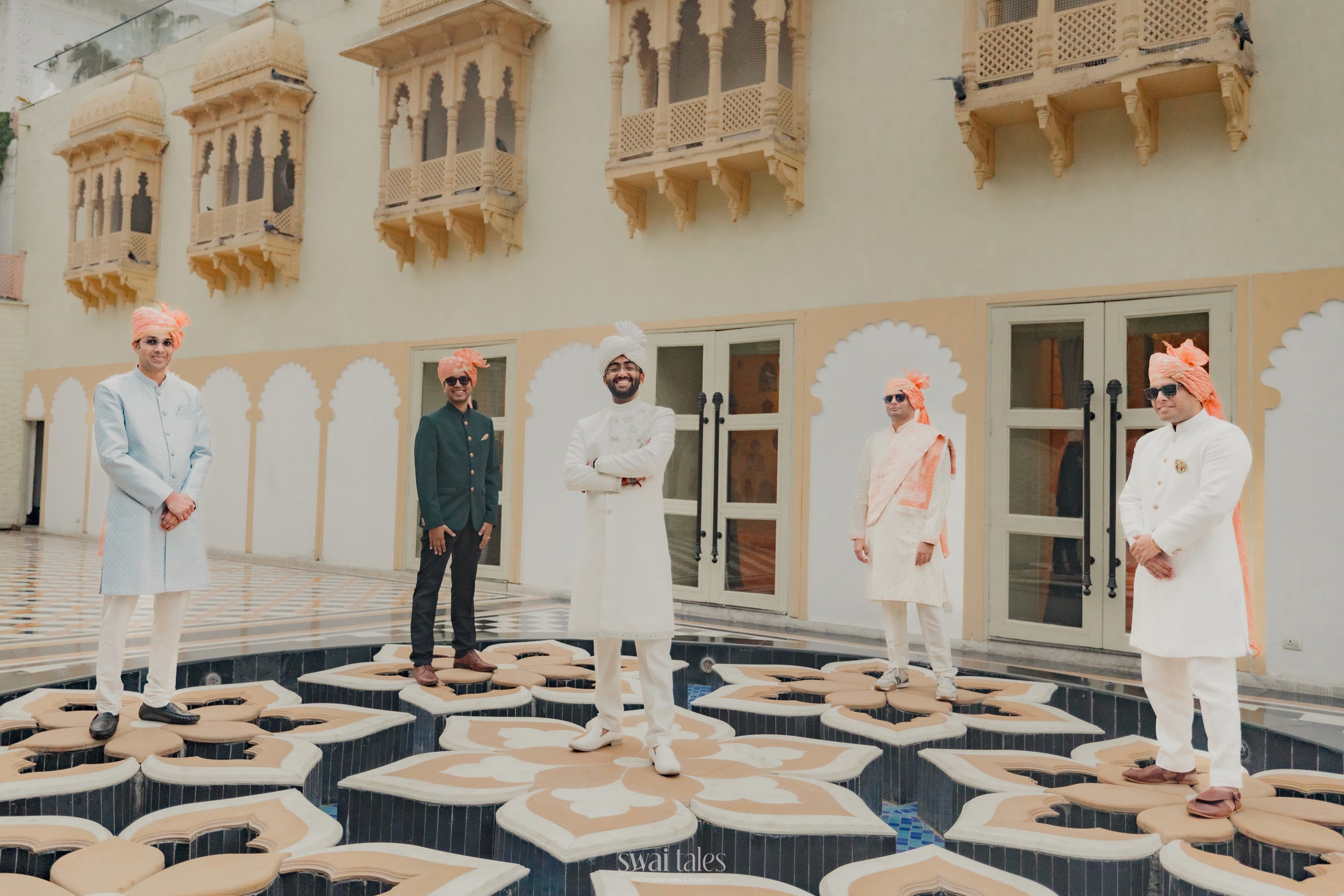
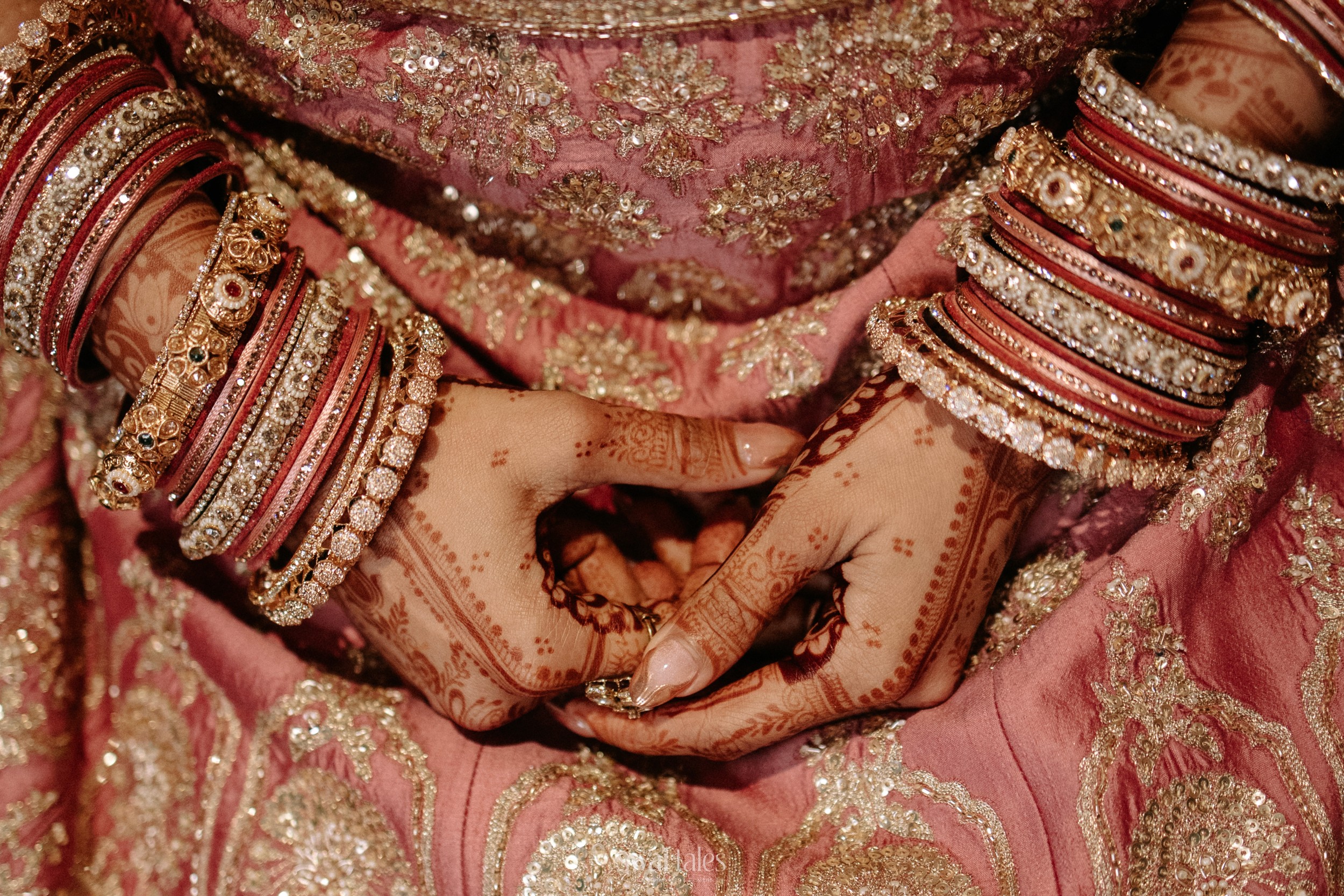
Udaipur adds another dimension. The light here does something to colour that flat-roofed urban venues cannot replicate. The Aravallis at dusk, the lake in the early morning, the particular softness of Rajasthan's winter air — these are not backdrops. They are participants.
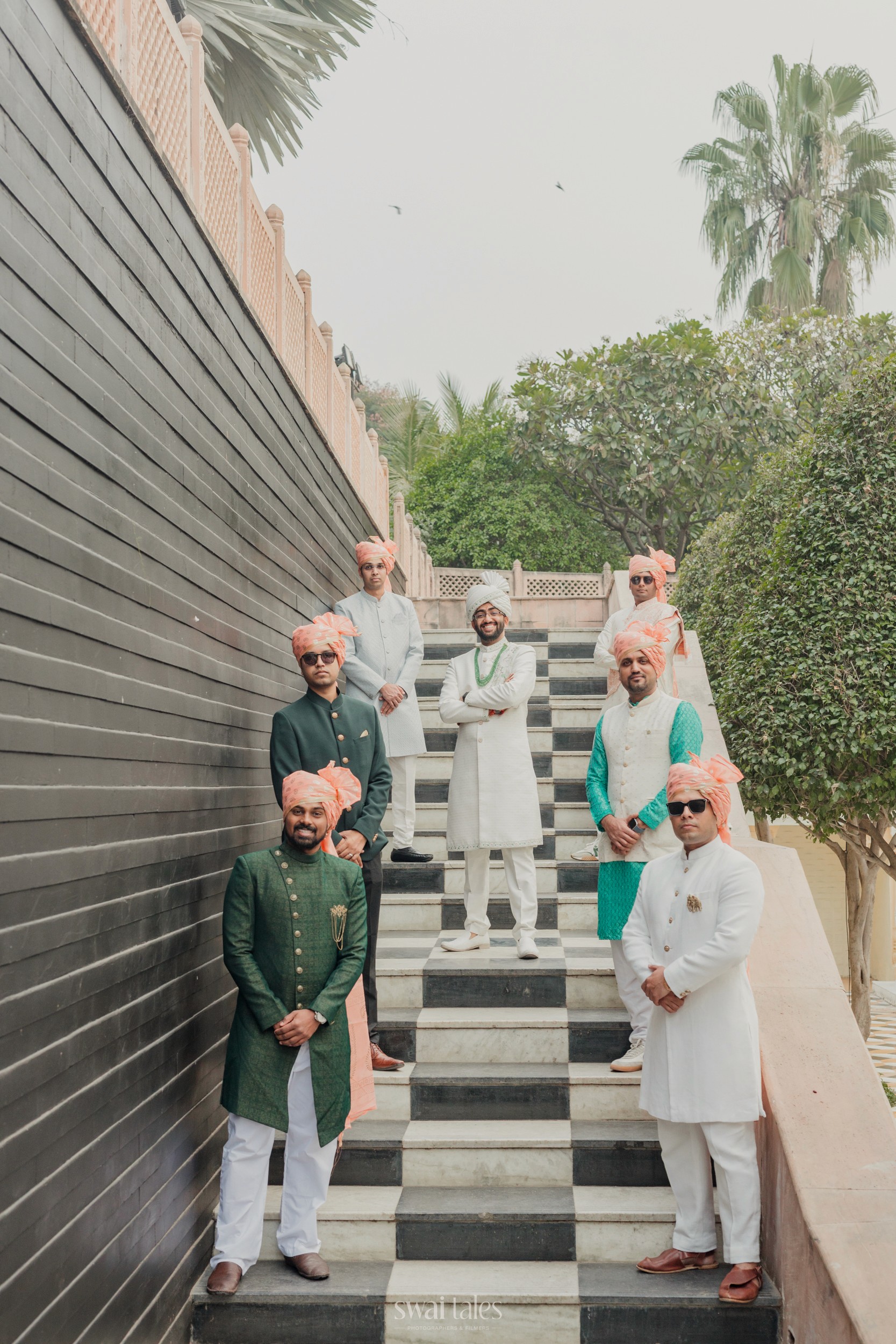
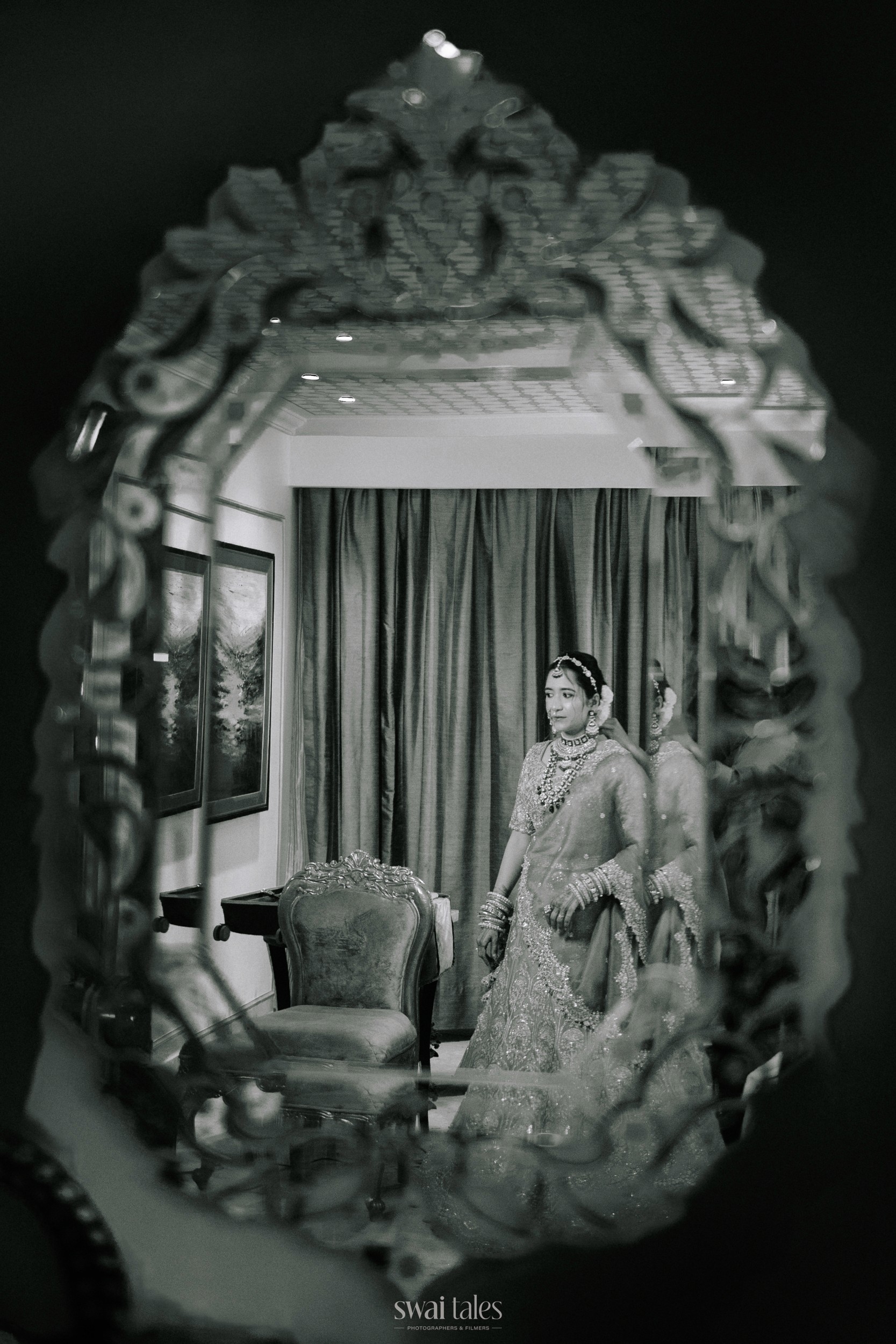
Anish and Abhishika's wedding reminded us of something we believe strongly: there is no one correct way to hold a ceremony. The Vidaai can look different. The rituals can be held differently. What cannot change is the intention behind them — and Anish and Abhishika had intention in every single decision they made about their wedding weekend.
We documented all of it. That is what we do.
Wedding Details
Couple: Anish & Abhishika
Wedding Type: Marwadi / Marwari Hindu Wedding — Destination
Events Covered: Mayra, Mehendi, Sangeet, Haldi, Baraat, Wedding Ceremony (Jaimala, Saat Phere, Sindoor), Vidaai
Photography Style: Documentary / Candid
Photographed by: Swaritha & Sai — Swai Tales
Planning a Marwadi wedding in Udaipur or anywhere in India?
We tell wedding stories the way they actually happened — unfiltered, intimate, and honest. No posing, no interrupting your rituals, no flash when it doesn't belong. Just someone with a camera and the patience to wait for the real thing.
Write to us at swai@swaitales.in or visit swaitales.in/contact to check availability.
Planned by KYC events
Marwari
Raddison Blu , Udaipur