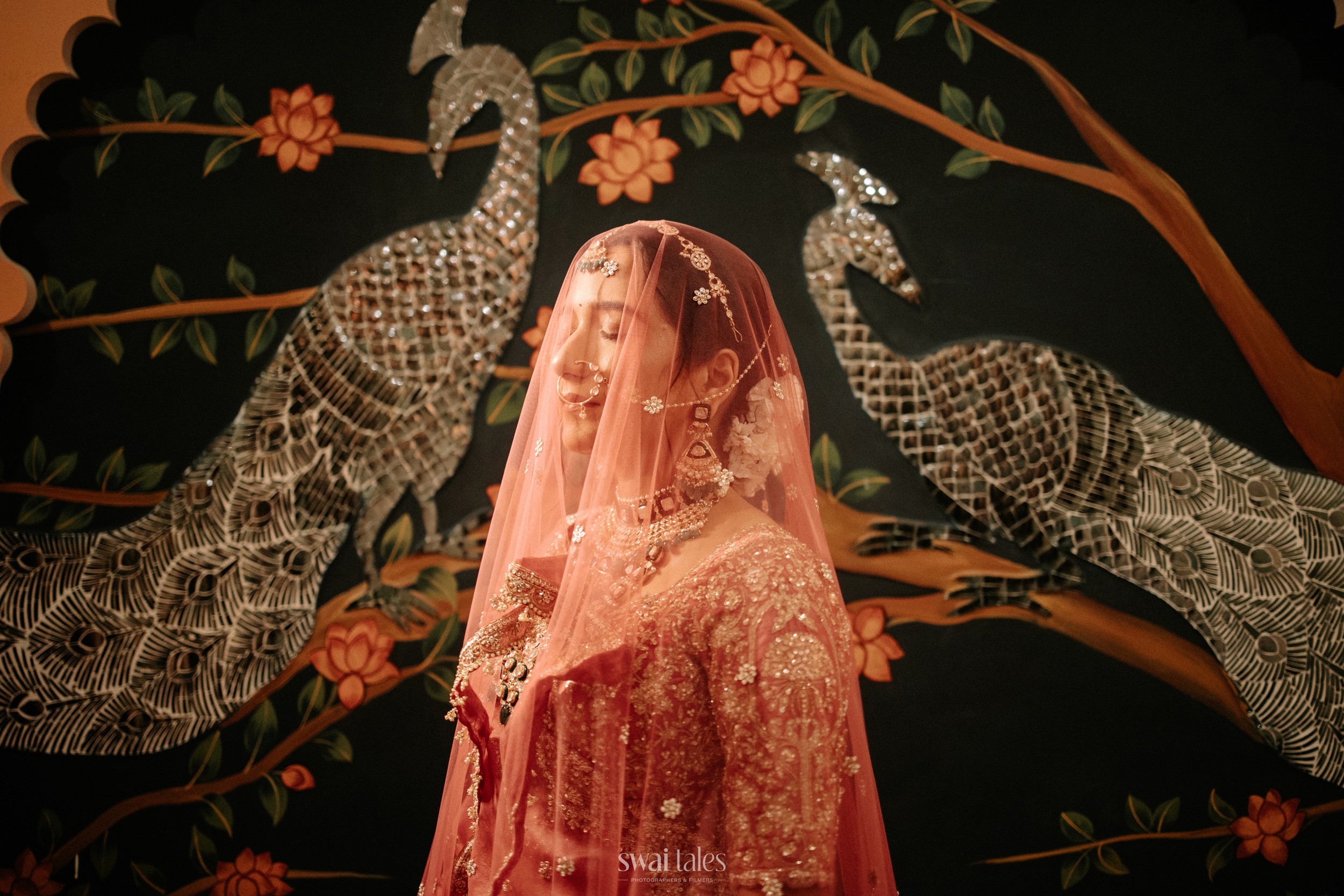
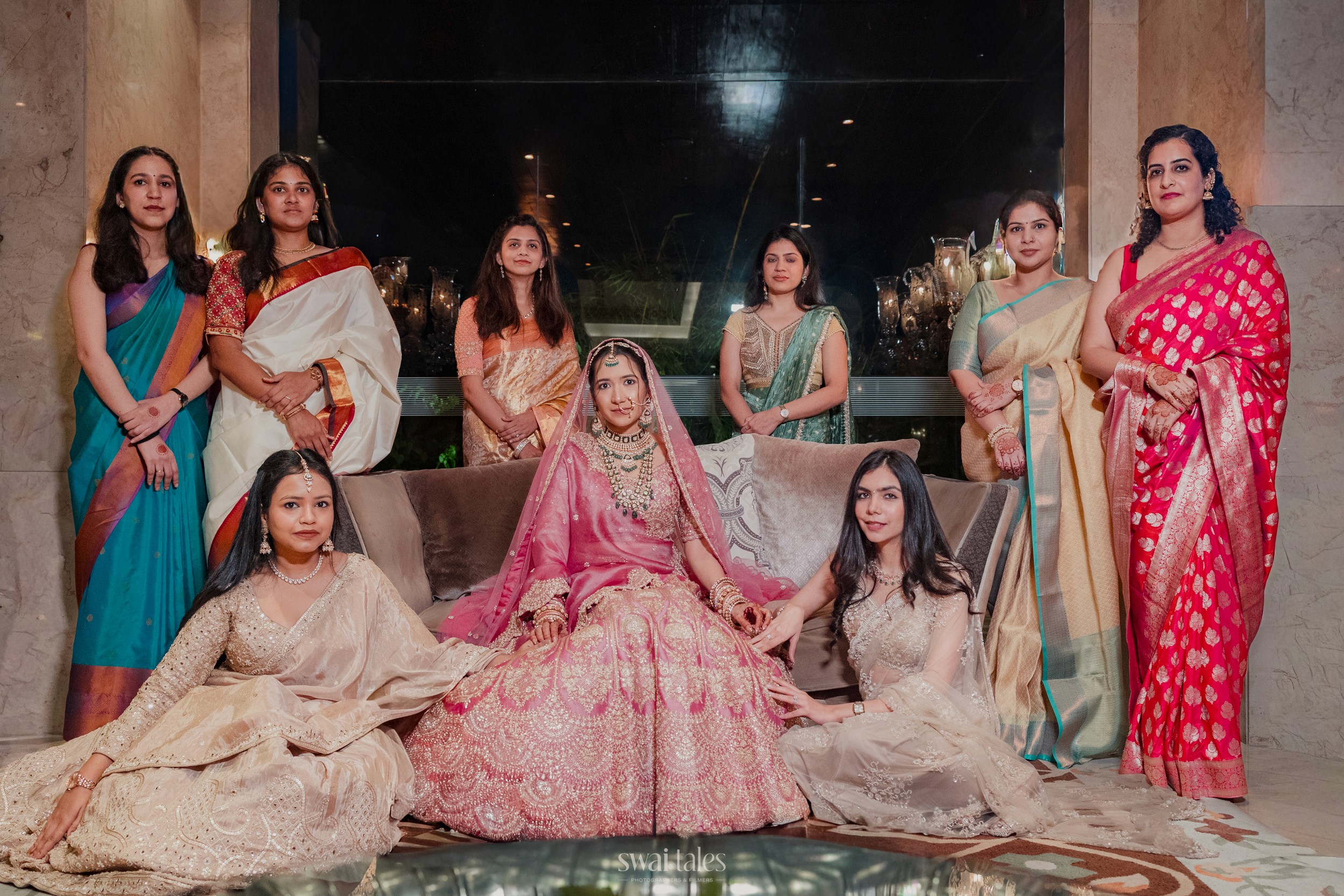
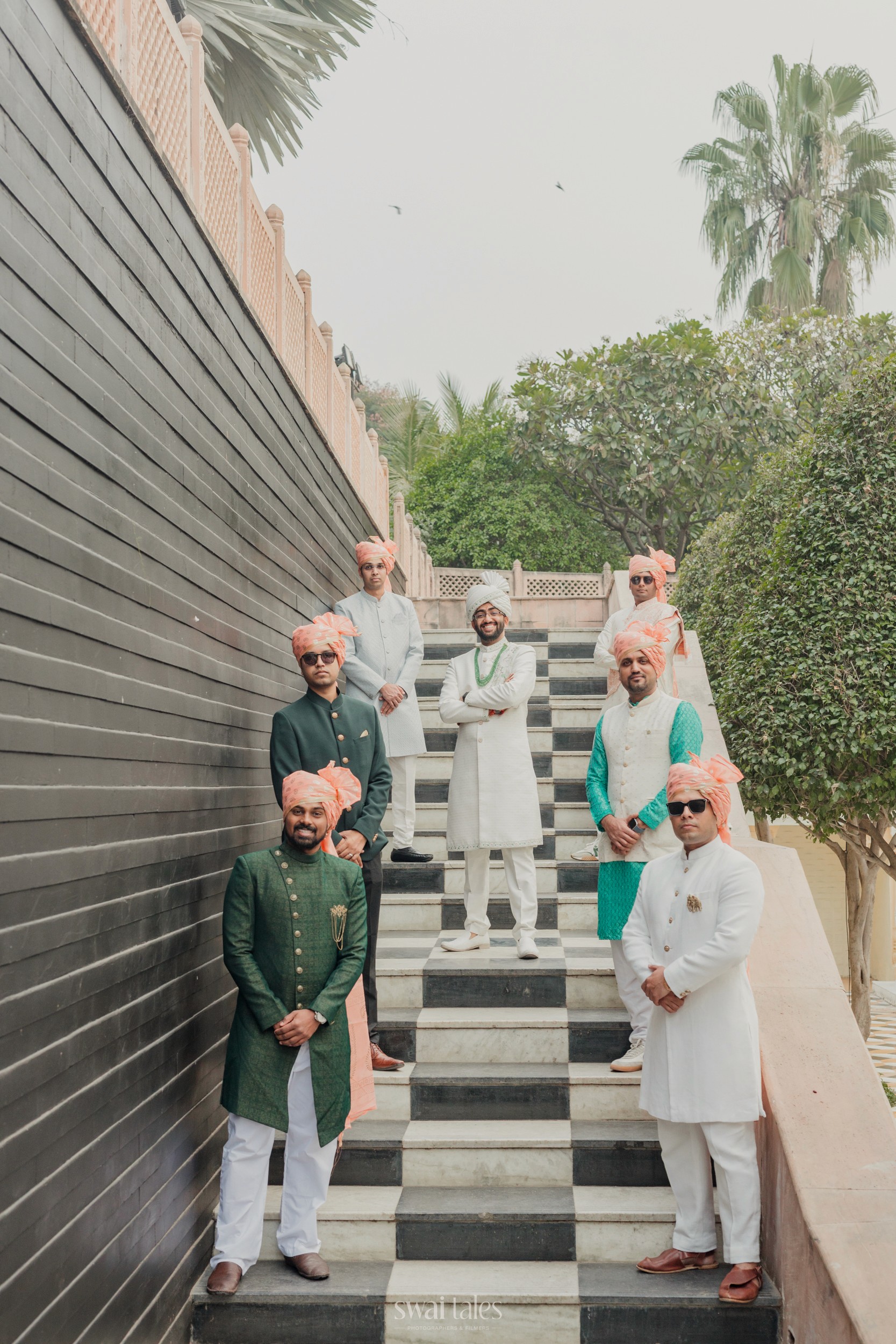
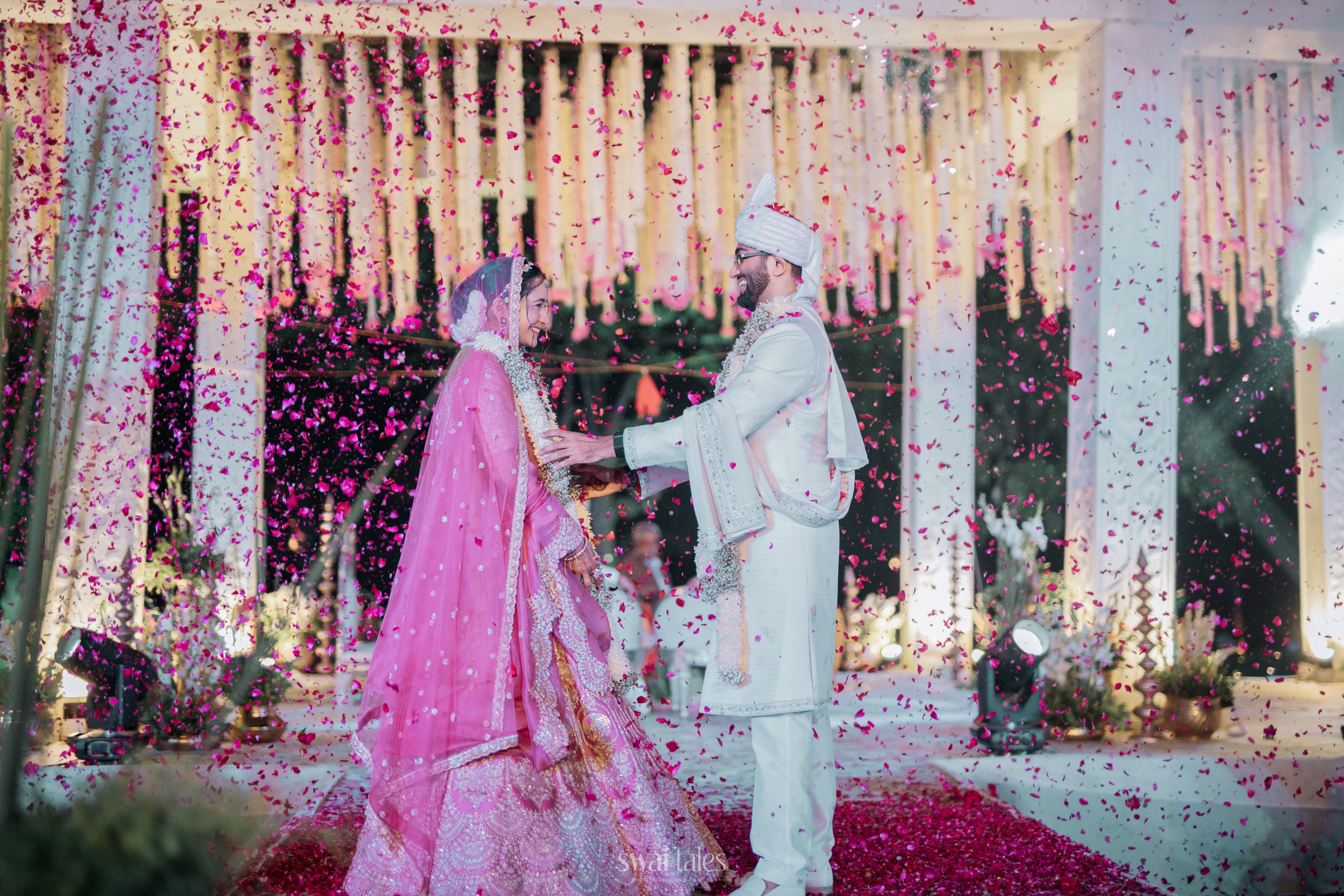
Marwadi weddings do not arrive quietly.
They arrive with colour before the sun is fully up, with families who have been waiting for this specific weekend for months, with rituals layered across multiple days, and with a scale and warmth that makes them some of the most rewarding weddings we get to photograph.
If you're a Marwadi couple planning your wedding, or researching what to expect from your ceremonies, this guide walks through the major rituals in order — Mayra, Mehendi, Sangeet, Haldi, Baraat, and Saat Phere — what each looks like, where the emotional peaks usually are, and what we've learned from photographing them.
Mayra — The Maternal Uncle's Blessing
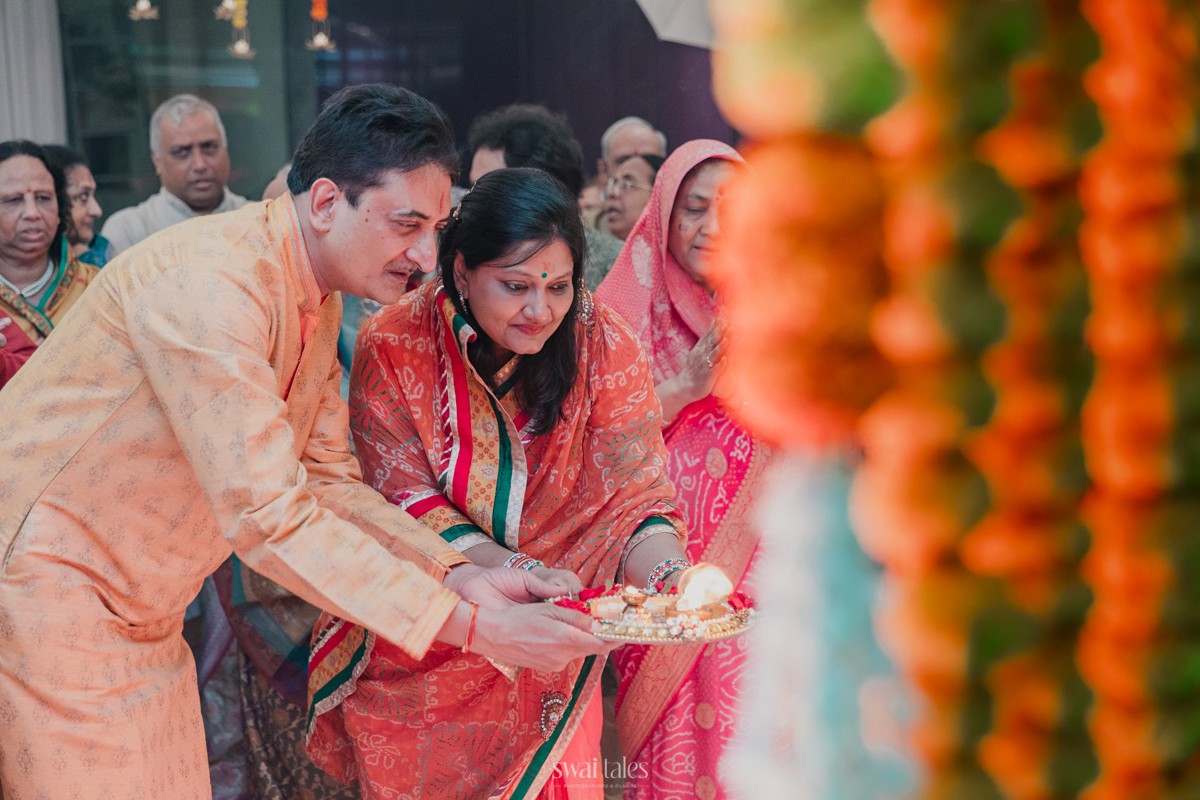
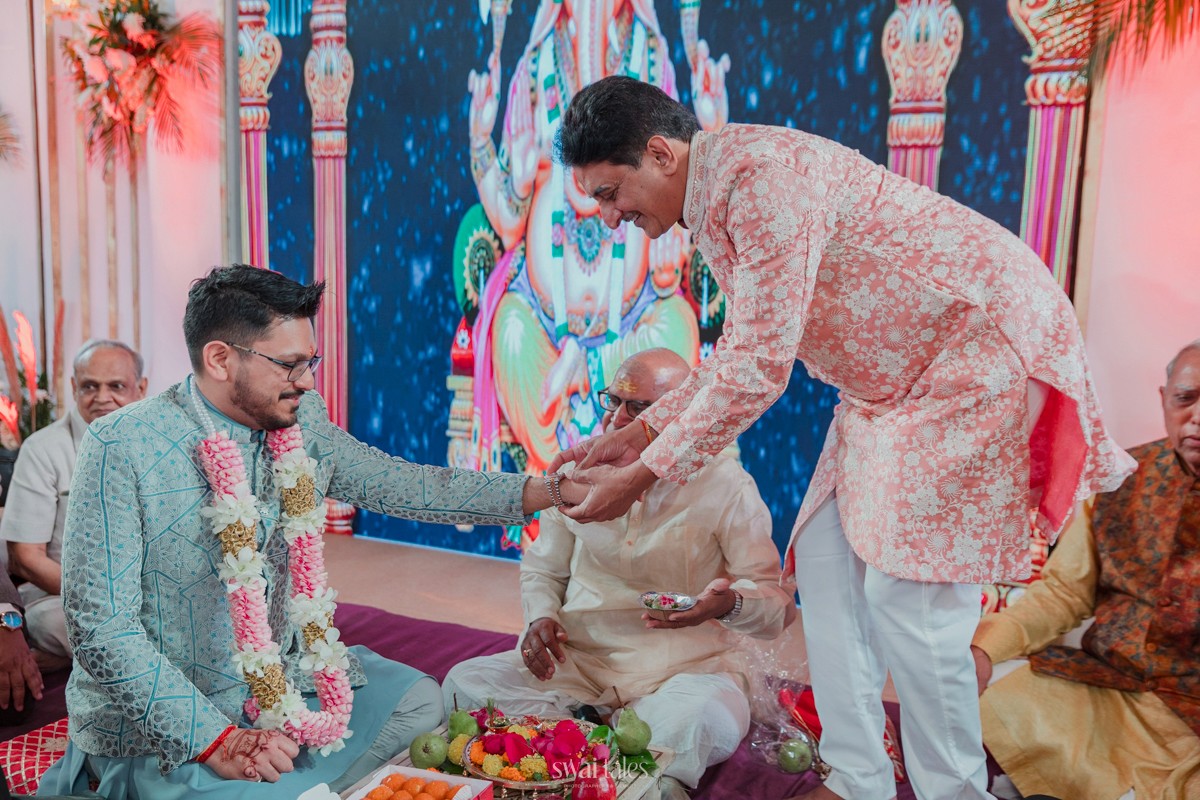
The Mayra is one of the most tender rituals in the Marwadi wedding calendar, and one of the easiest to underestimate if you haven't seen one before. The bride's maternal uncle (mama) arrives — sometimes travelling a significant distance to be there — with gifts for his niece. Clothes, jewellery, sweets, and blessings, all carried in with quiet ceremony.
Photographically, the Mayra is about arrival and weight. The uncle walking in, often flanked by his own family, carrying everything he's brought. The bride receiving it — and the specific look on her face, somewhere between joy and the realisation of just how much this moment means to the people who raised her.
What's often missed: this ritual happens relatively early in the wedding week, often before the energy of the bigger functions has built up, which means it's sometimes under-covered. It deserves full attention — the quietness of the Mayra is exactly what makes it photograph so differently from the louder functions that follow.
Mehendi — Where the Families Loosen Up
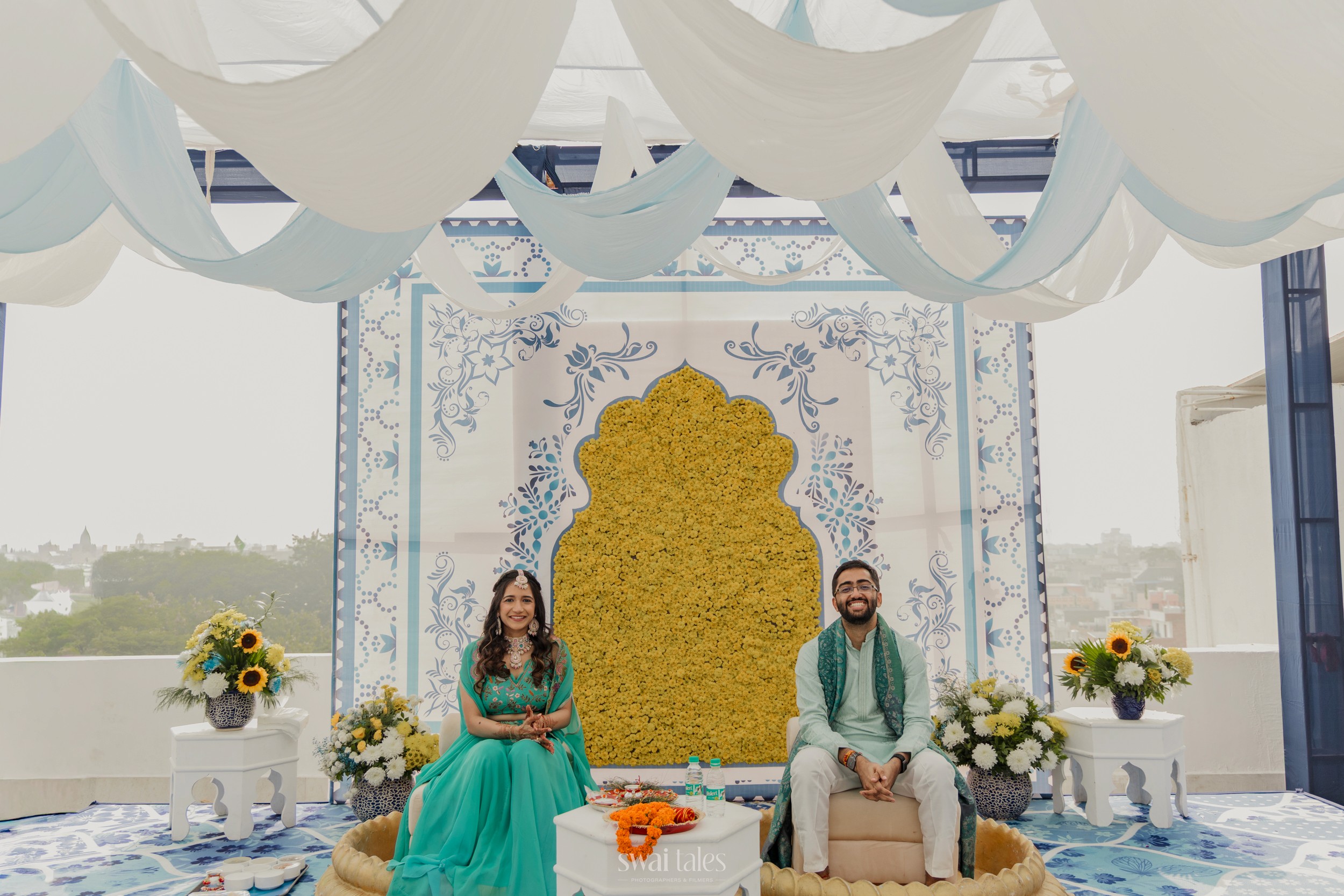
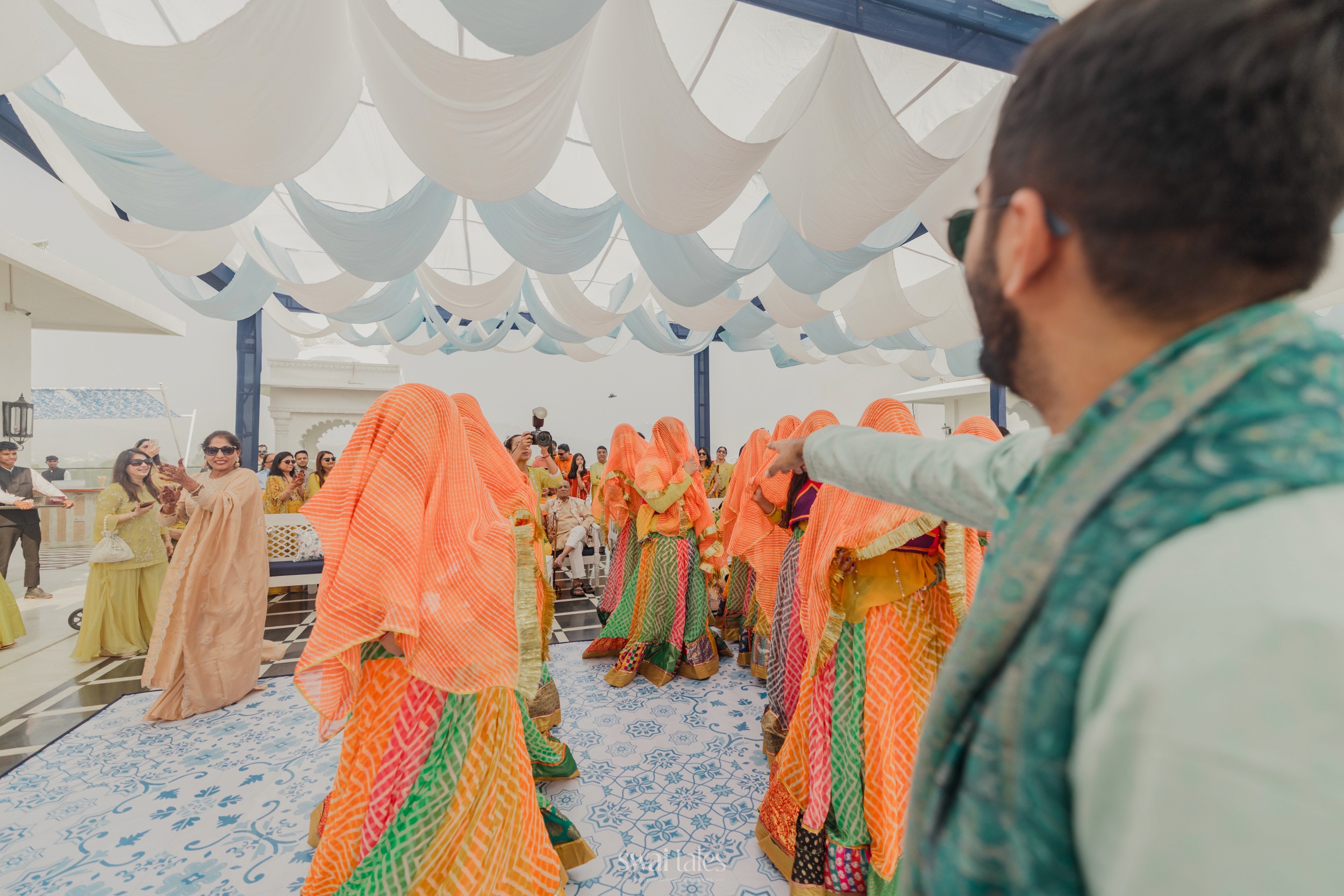
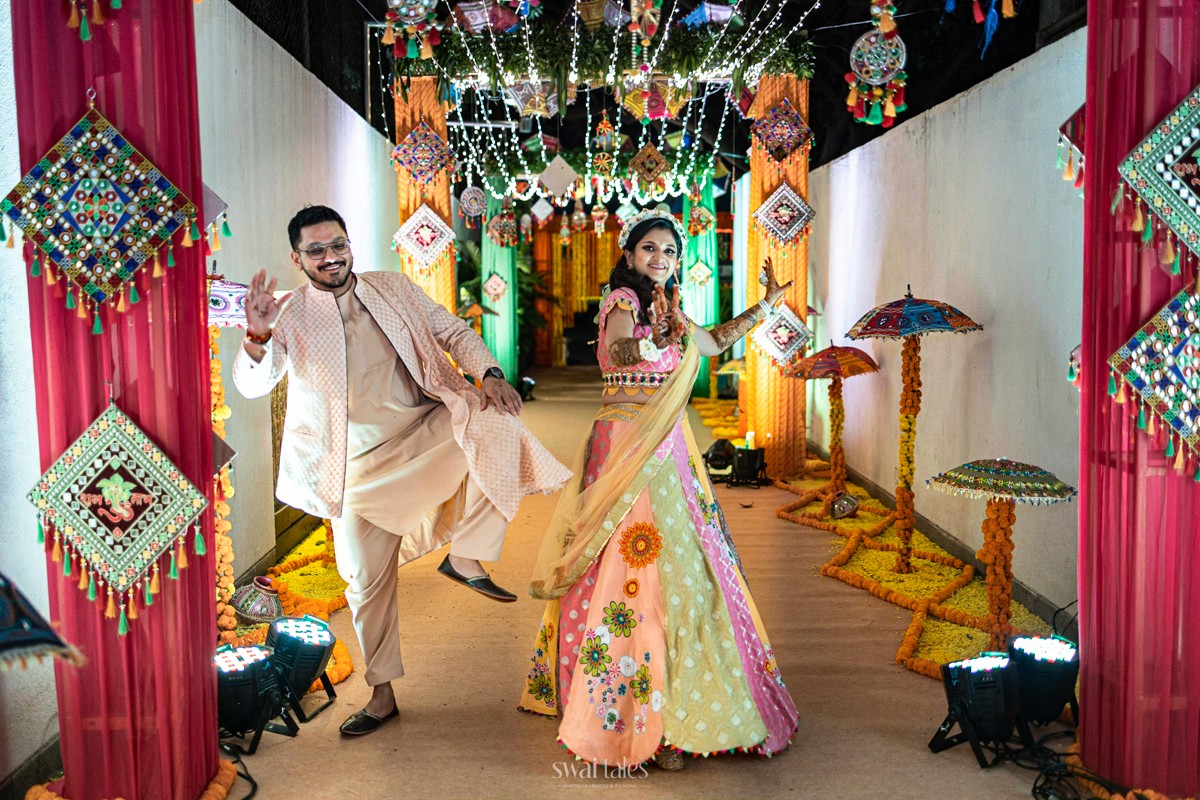
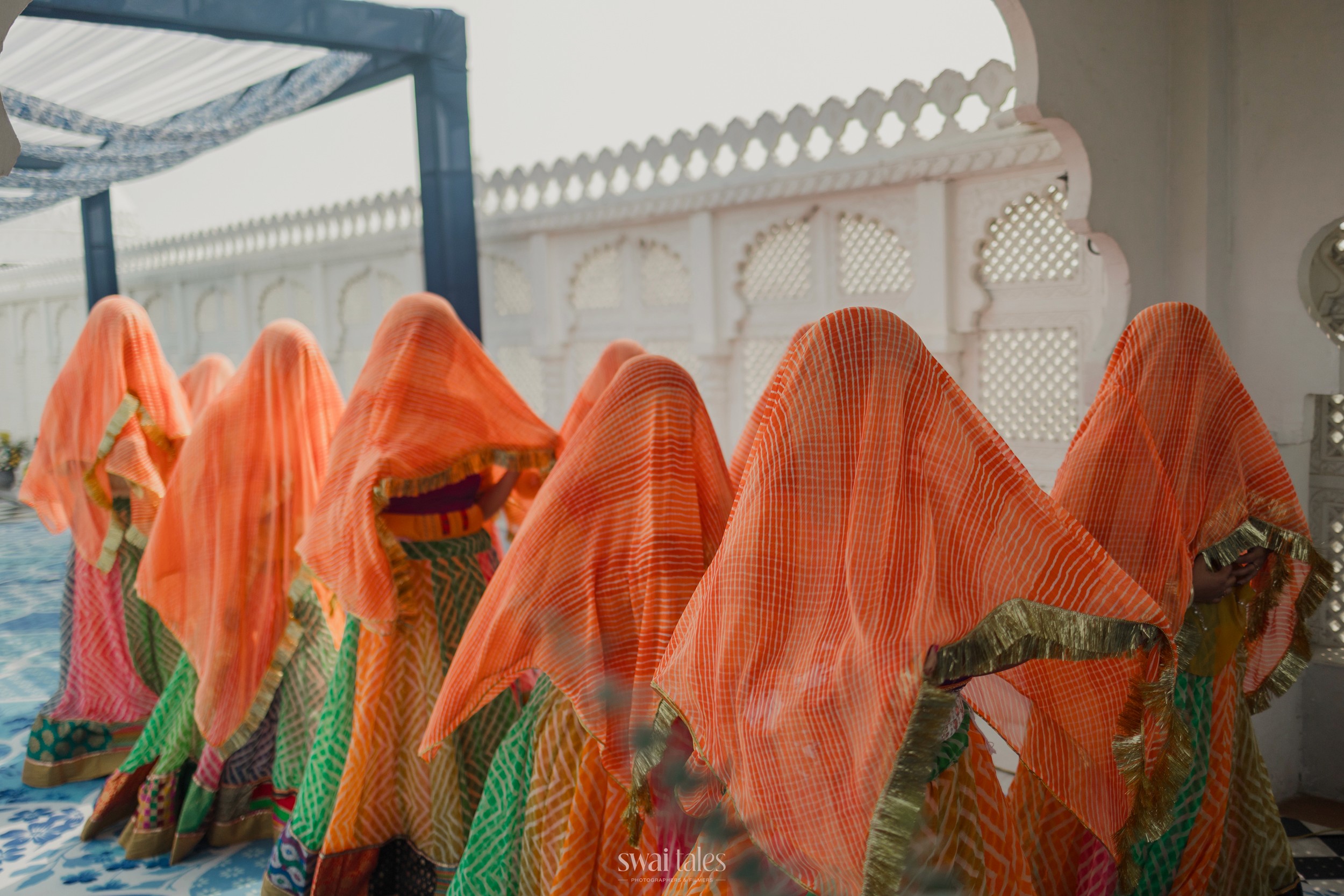
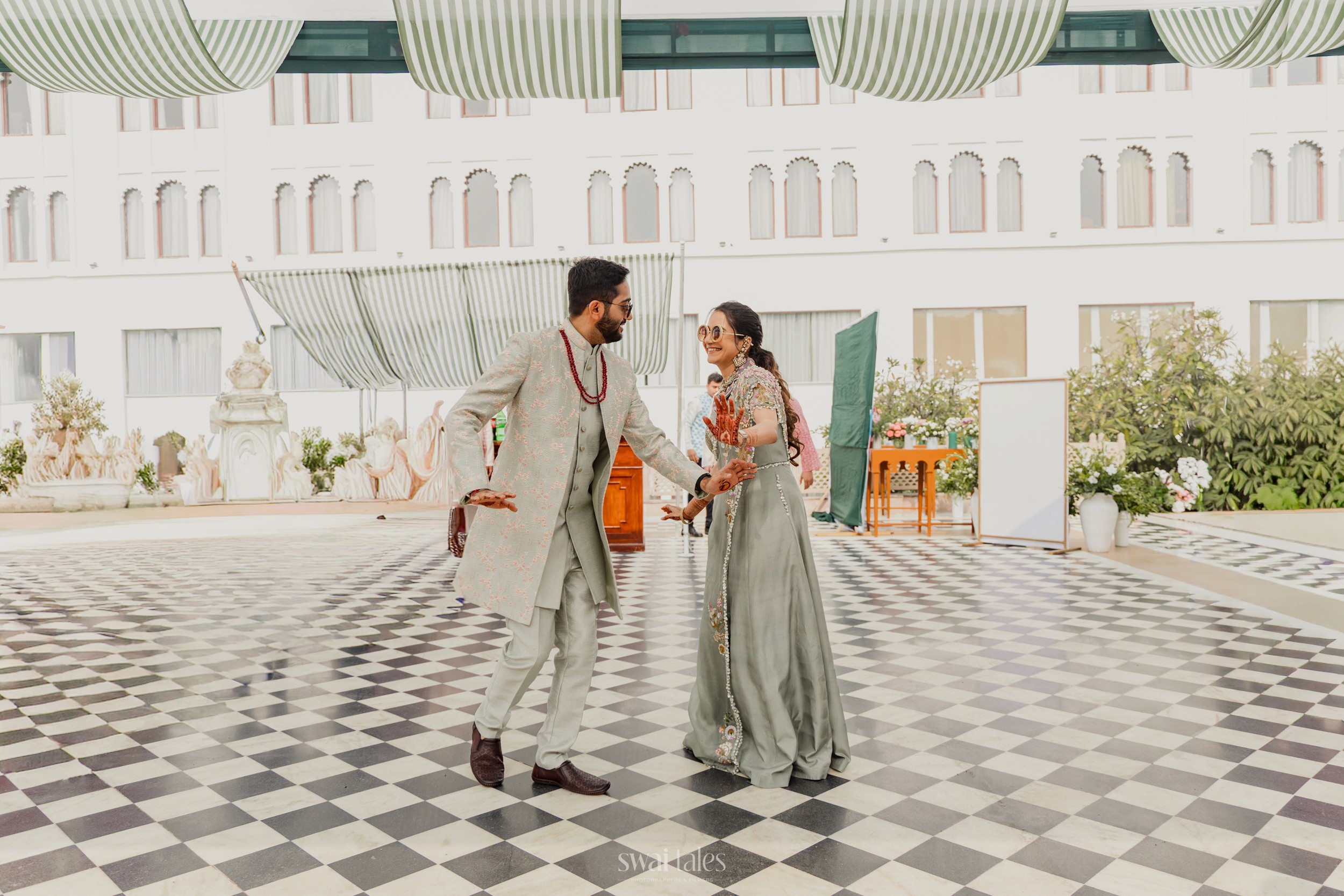
The Mehendi is typically the first genuinely festive function of a Marwadi wedding — and it's where, almost without fail, the formality of the week starts to dissolve.
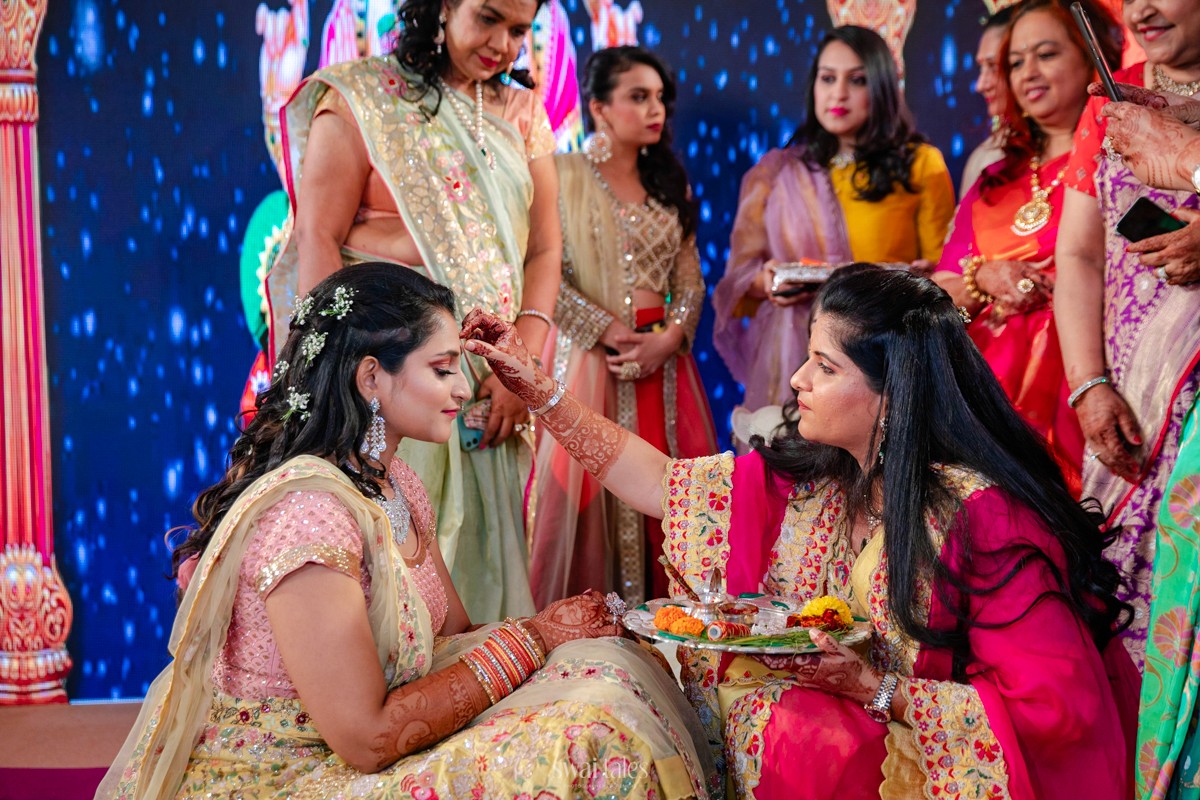
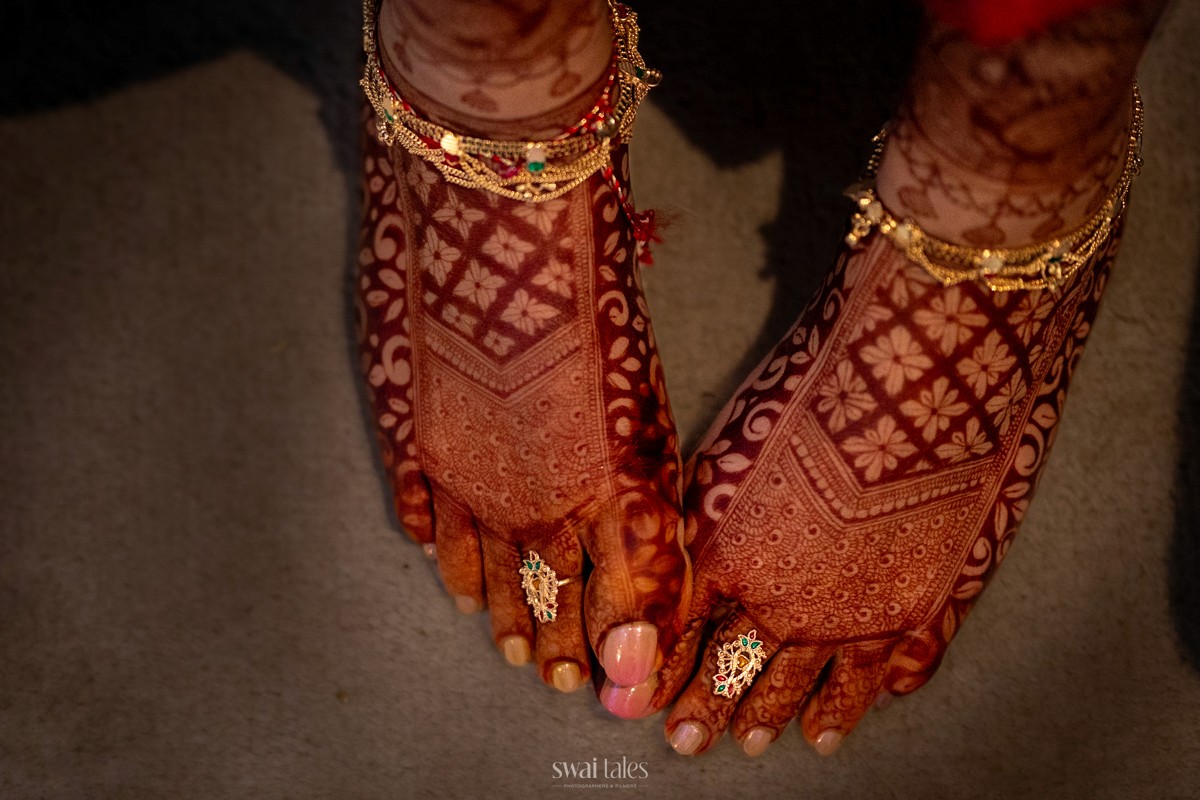
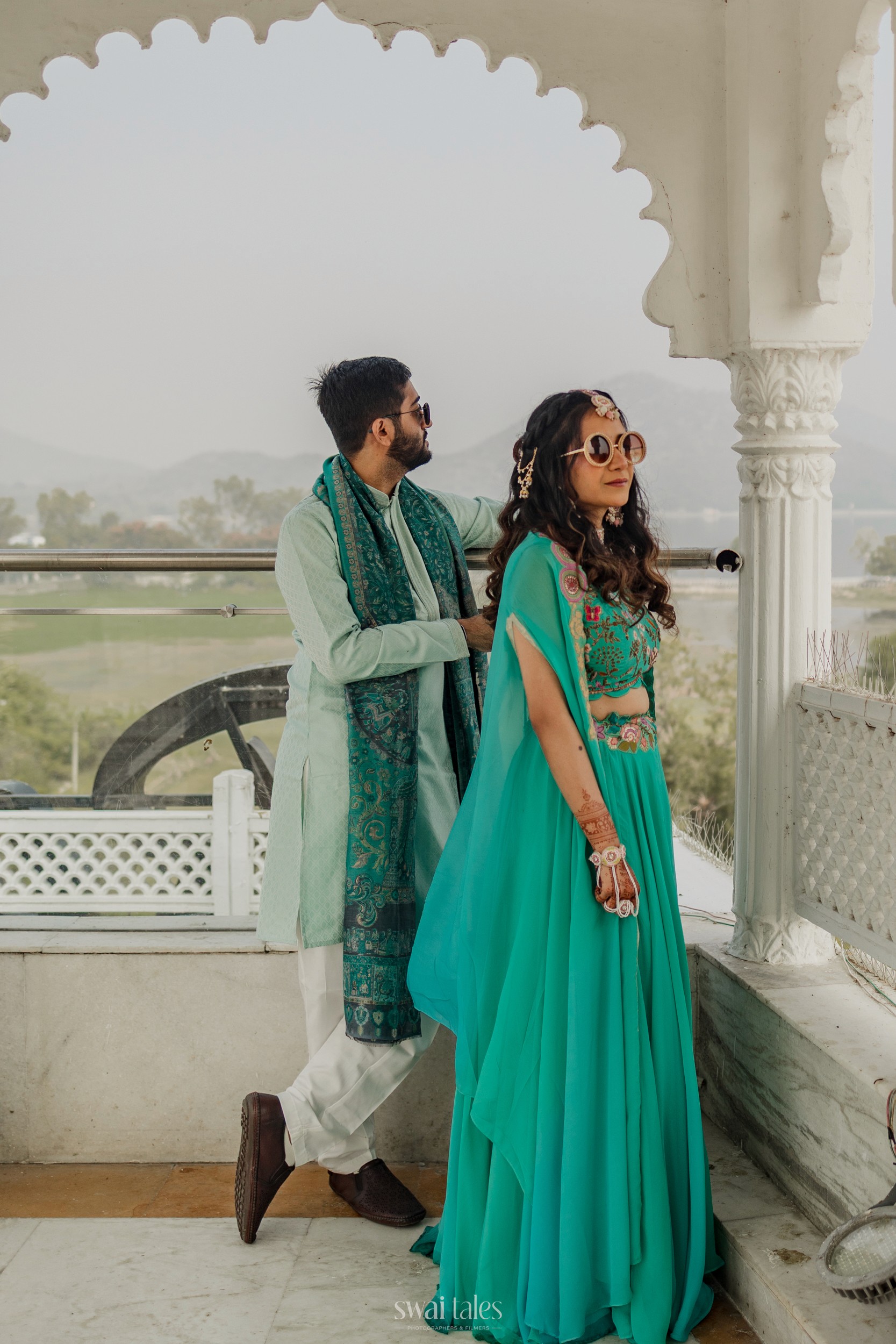
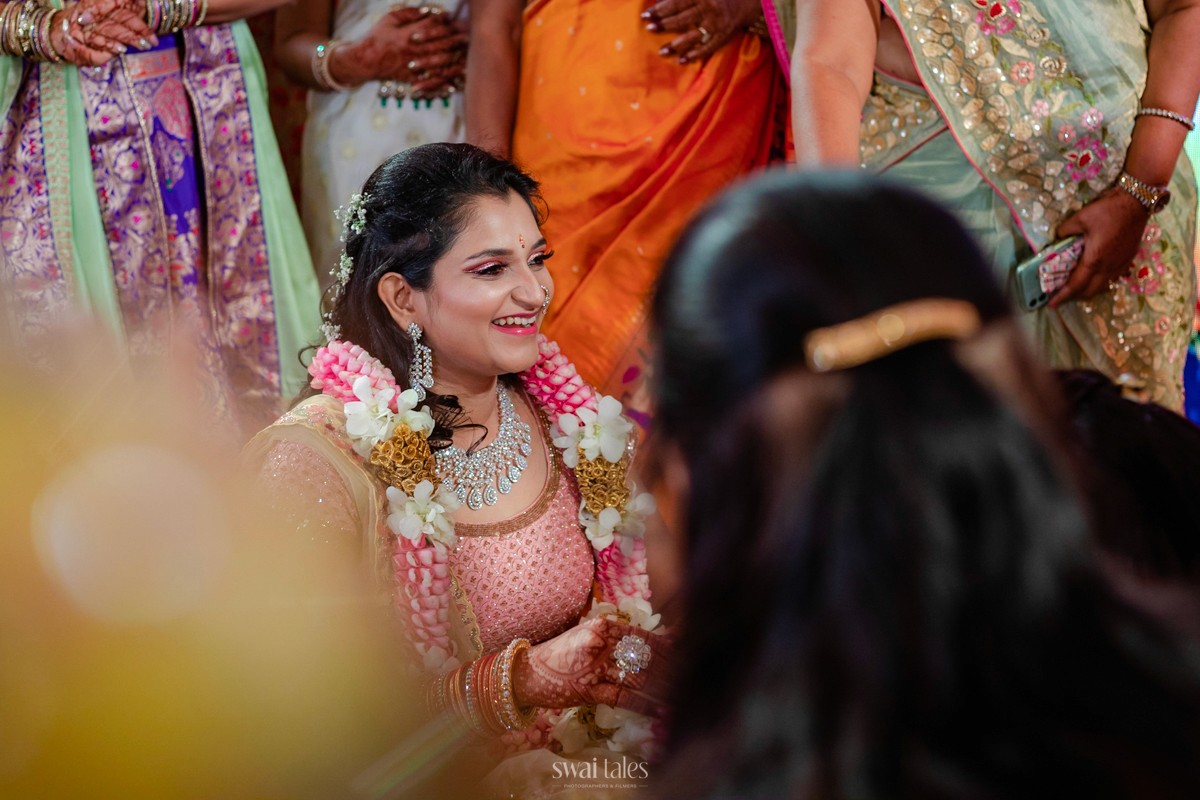
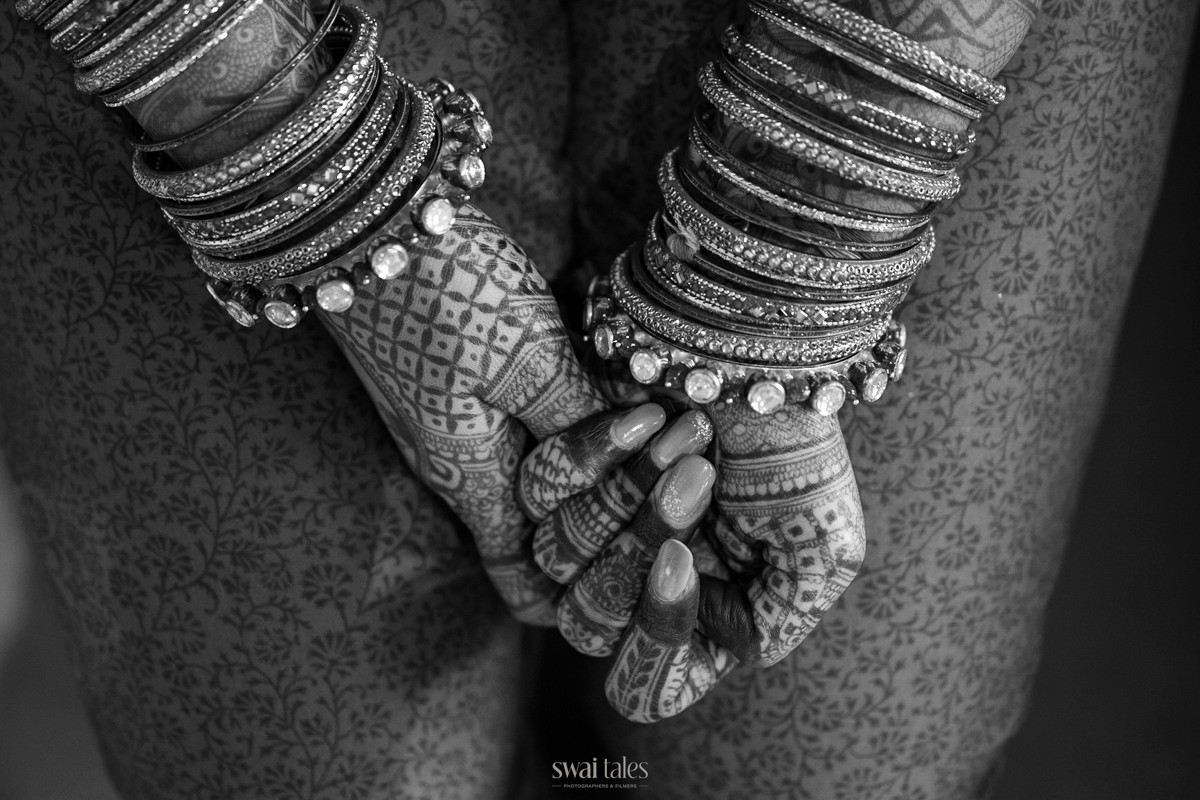
The bride sits for hours while intricate henna patterns are applied, often by a professional mehendi artist working from the fingertips inward. Around her, family and friends gather, music plays, and by the end of the afternoon, the distinction between the two families' guests has usually disappeared entirely — everyone is simply at the same party.
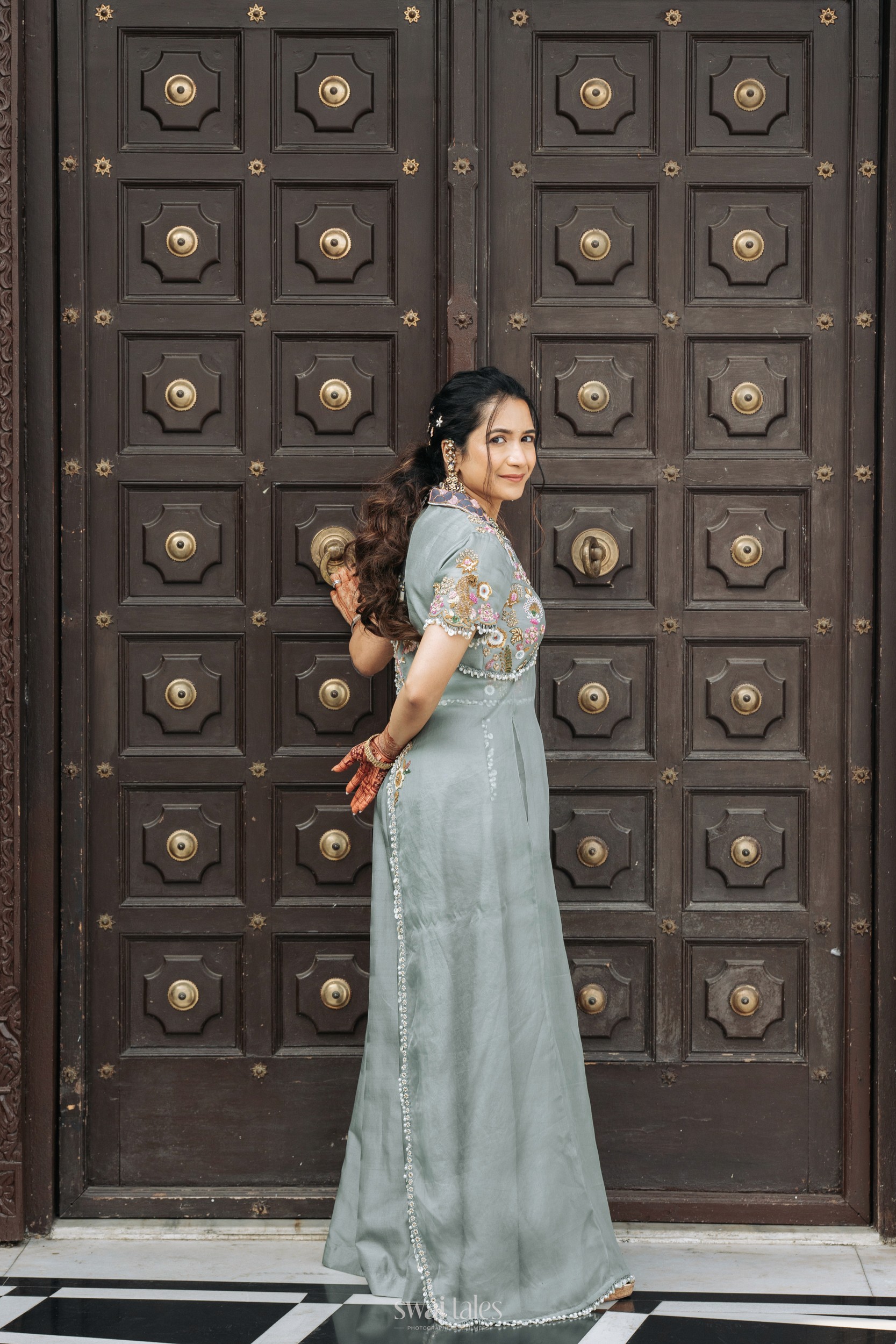
What's often missed: the in-between moments away from the bride's hands. Cousins taking over the music, aunts comparing mehendi designs on their own hands, the groom occasionally appearing to check on proceedings before retreating to find his own friends. The bride's hands are the obvious shot — the room around her is where the story actually lives.
Sangeet — The Night Everyone Performs
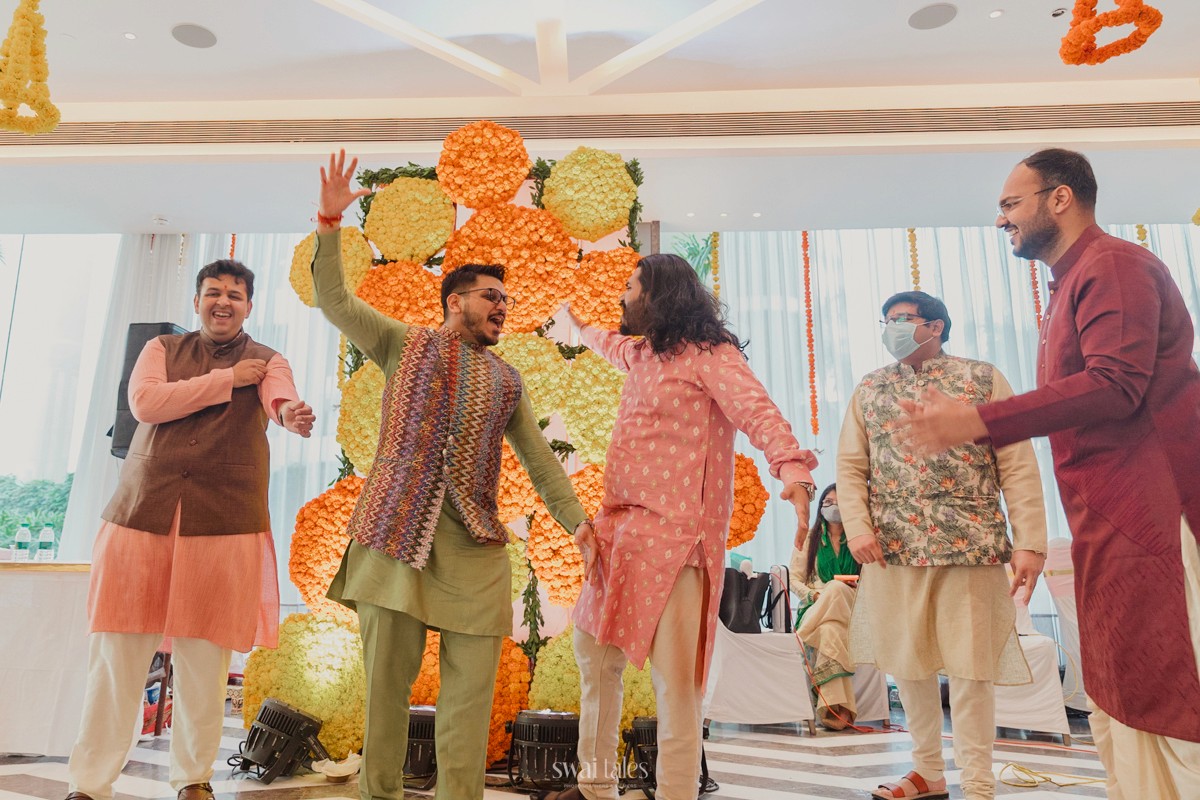
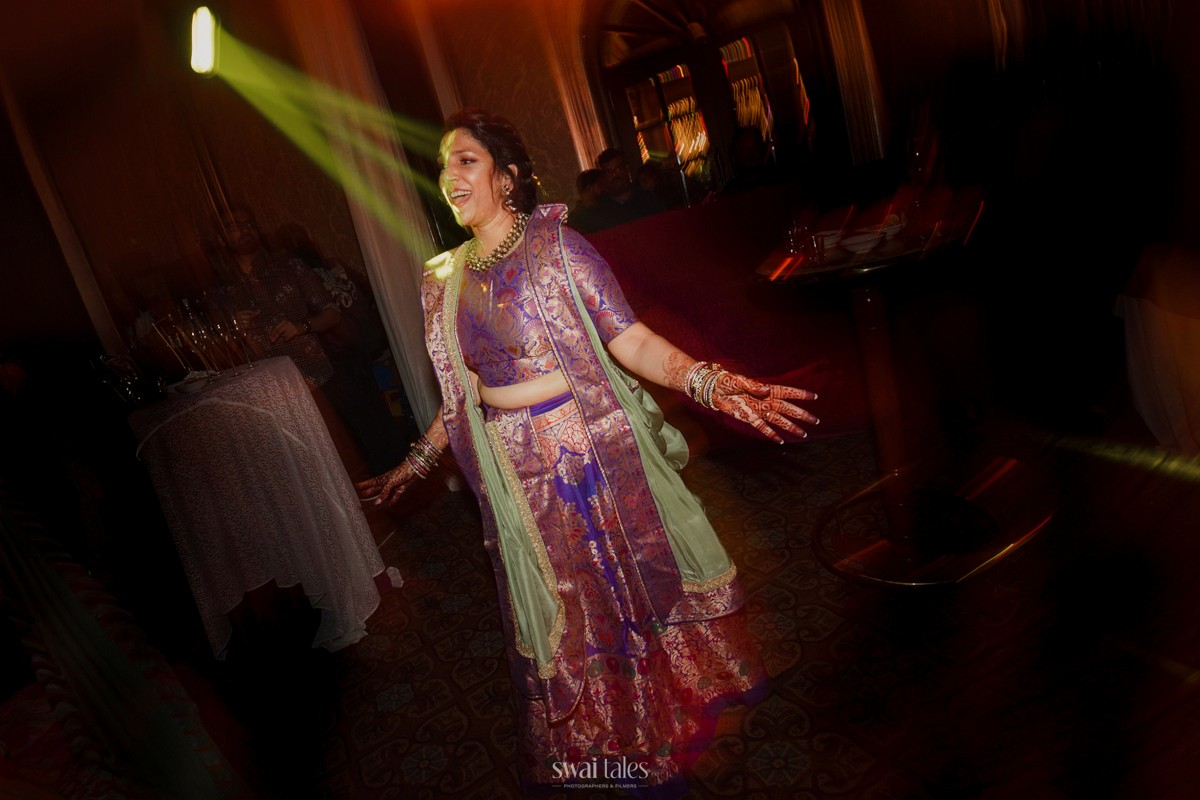
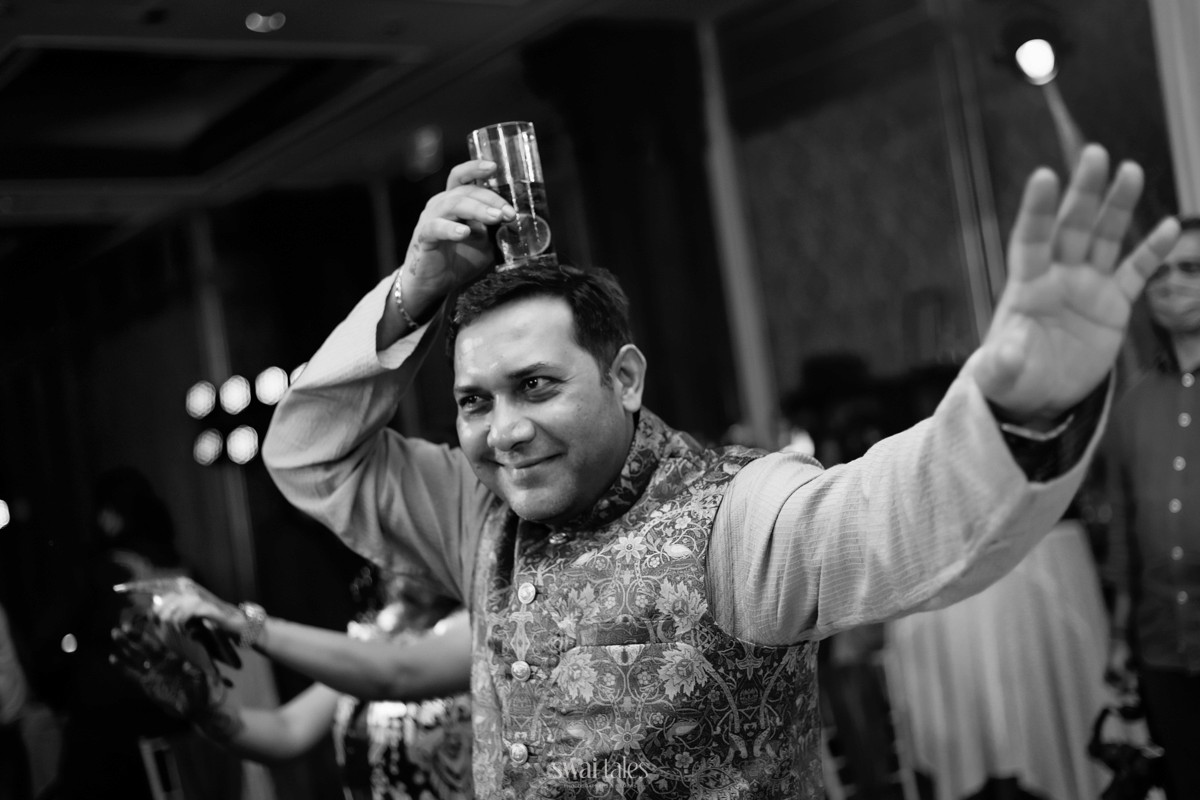
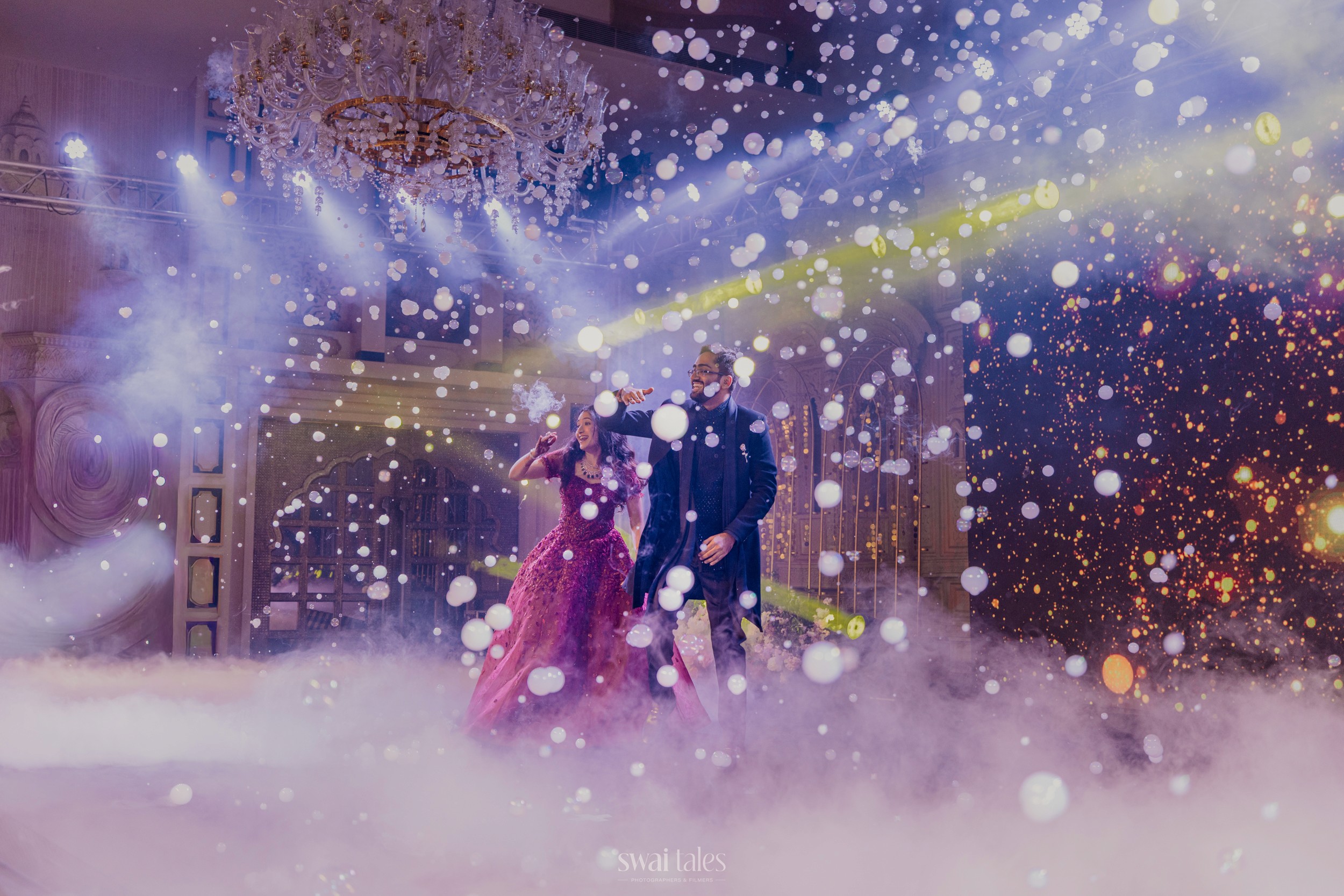
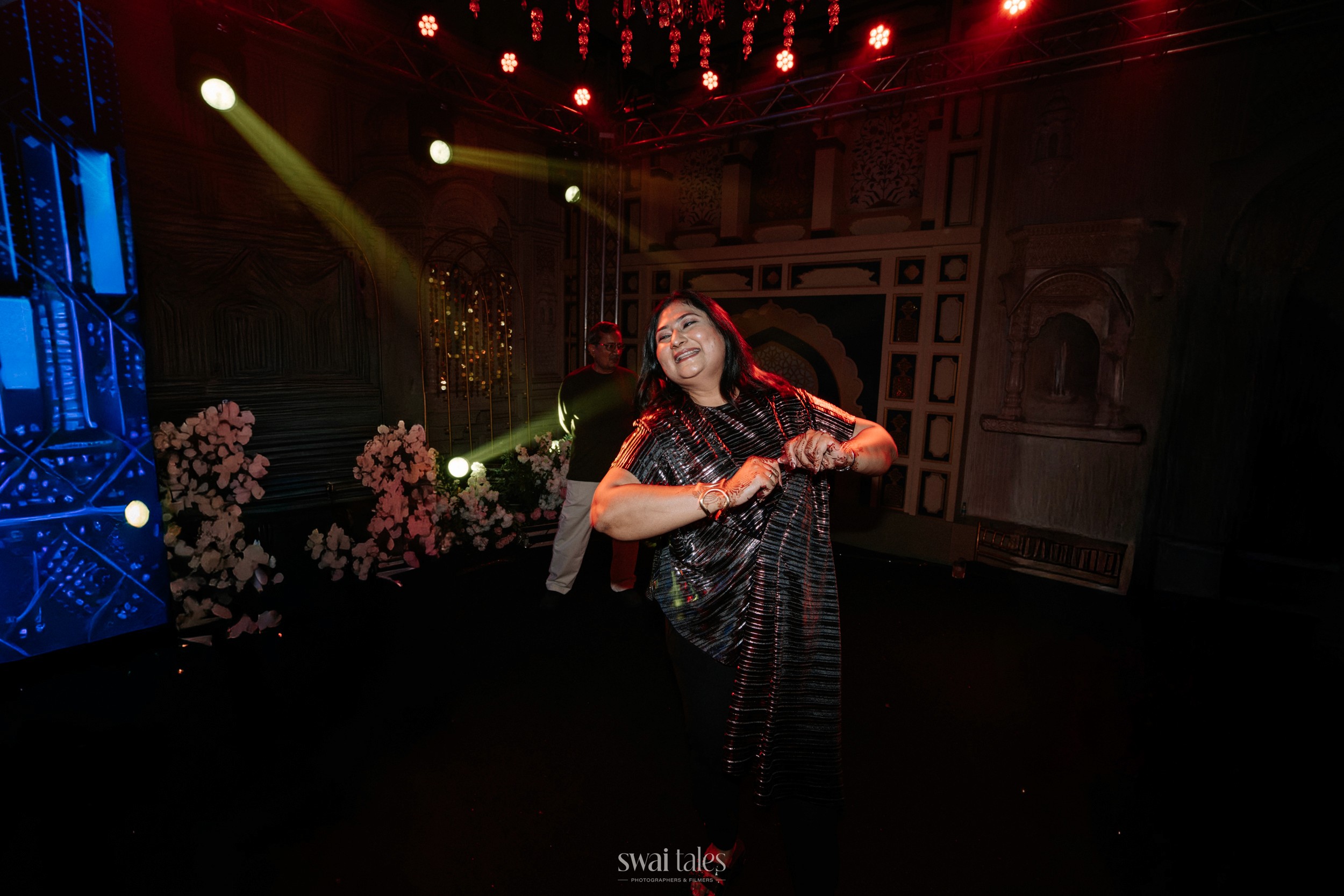
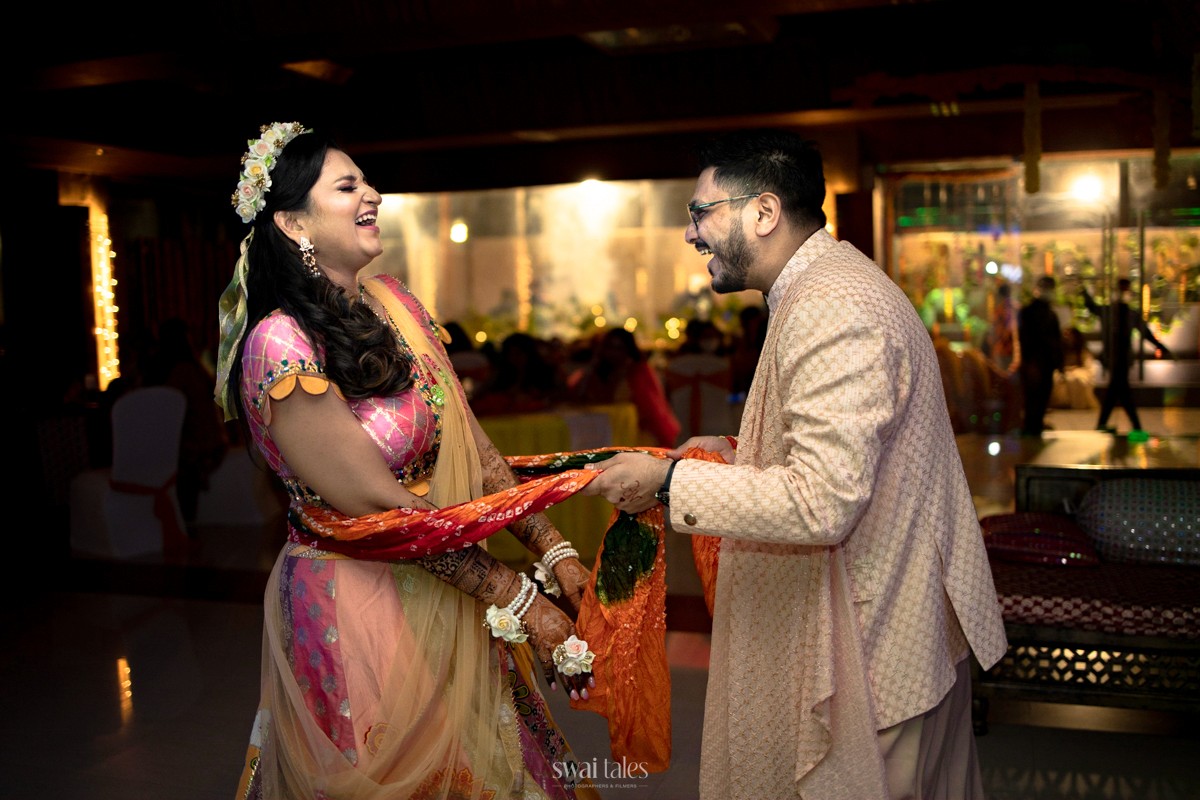
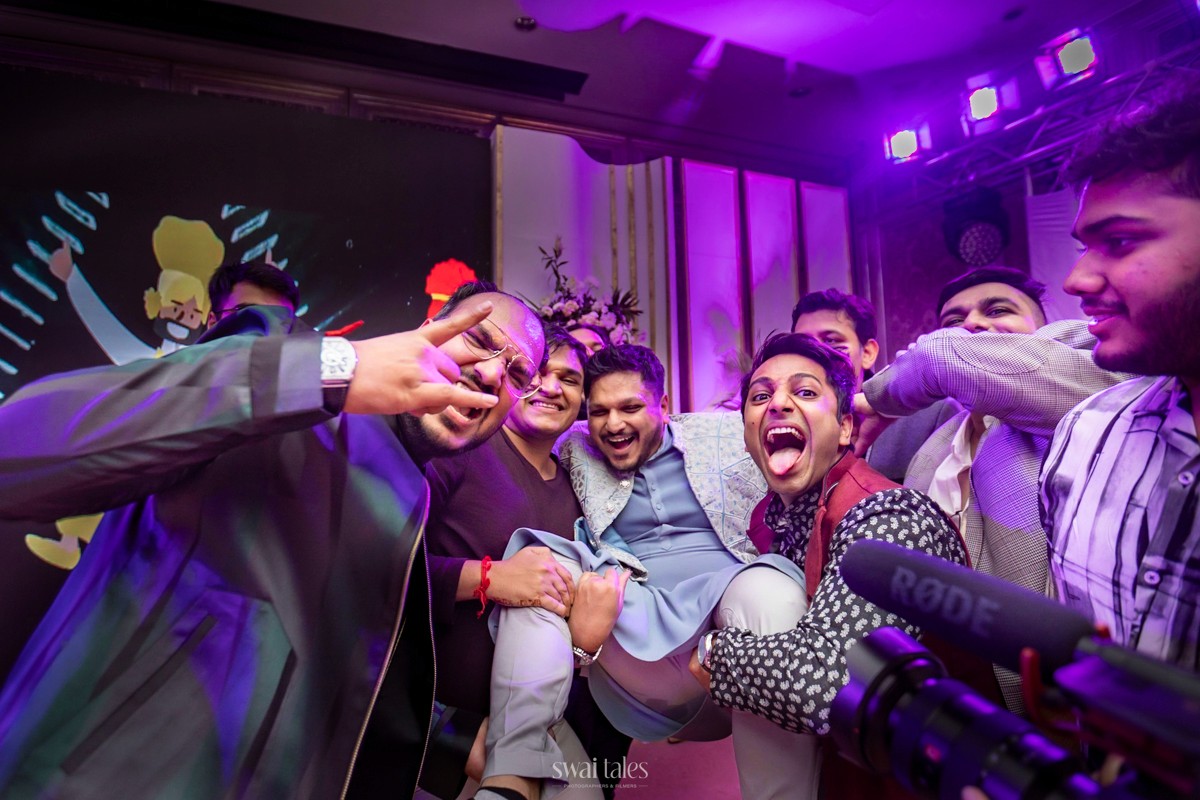
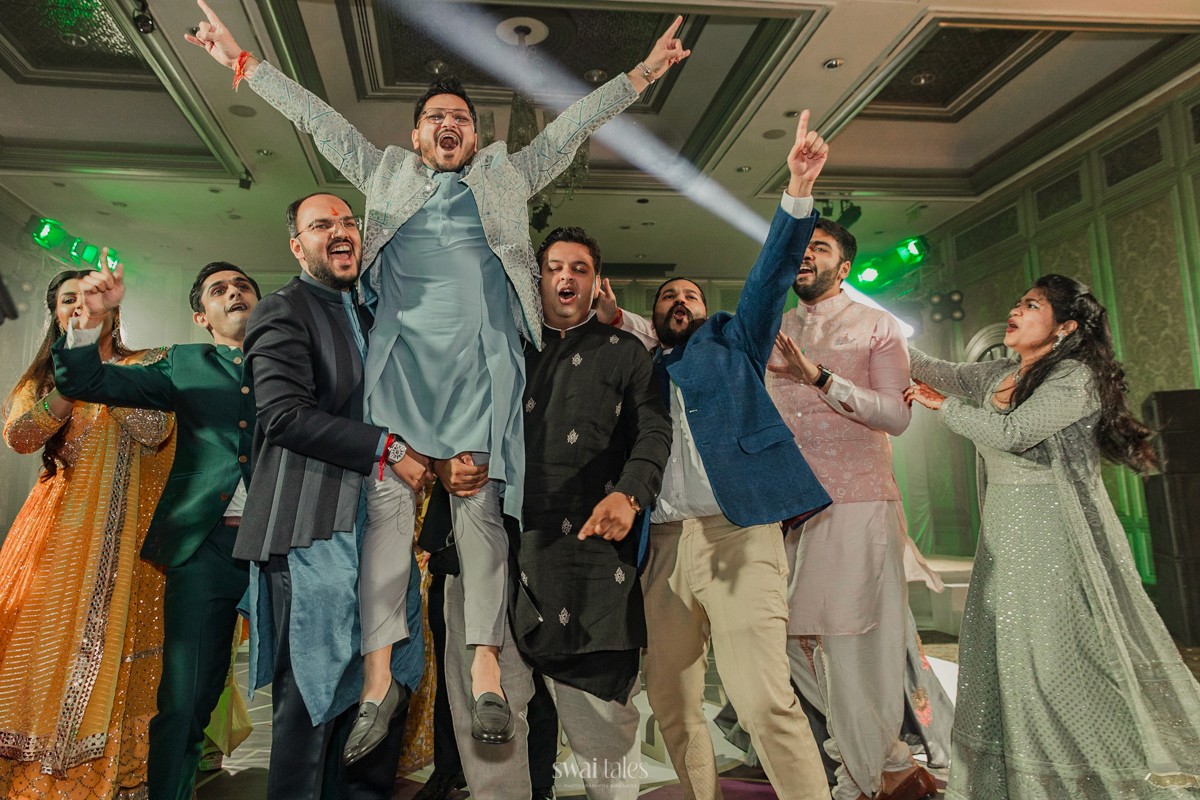
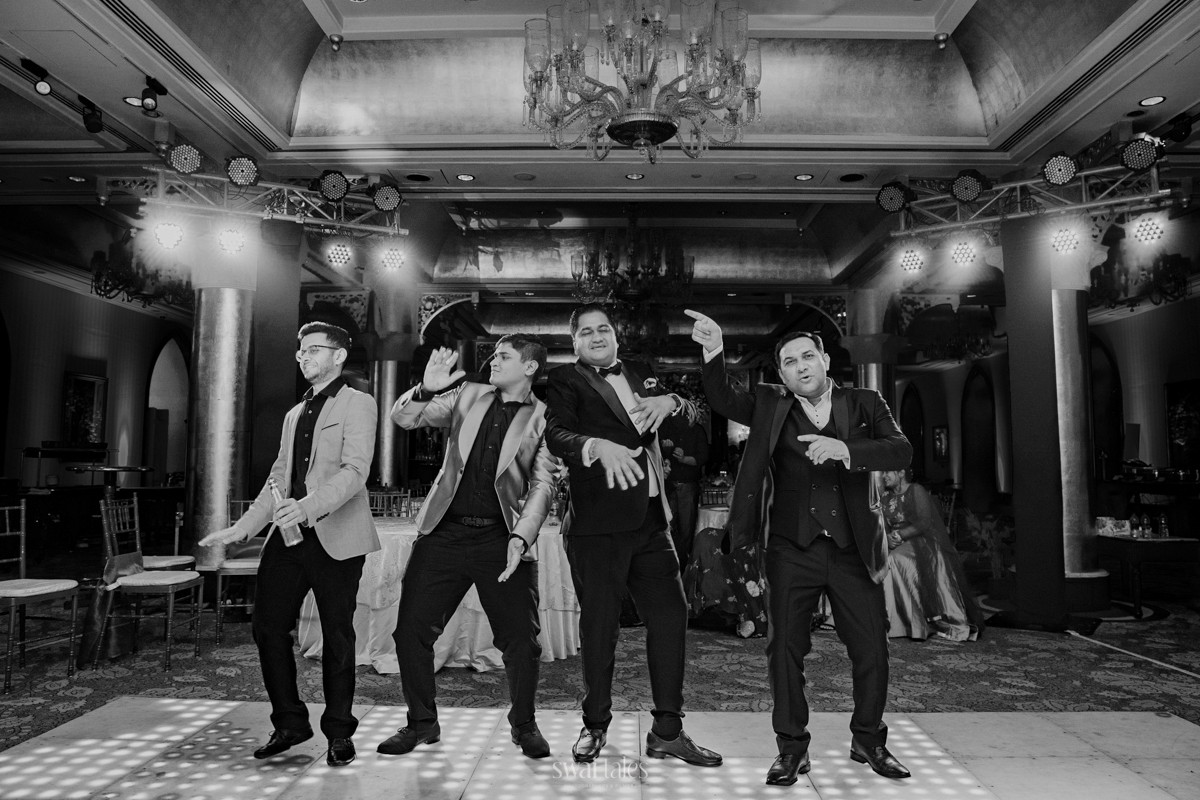
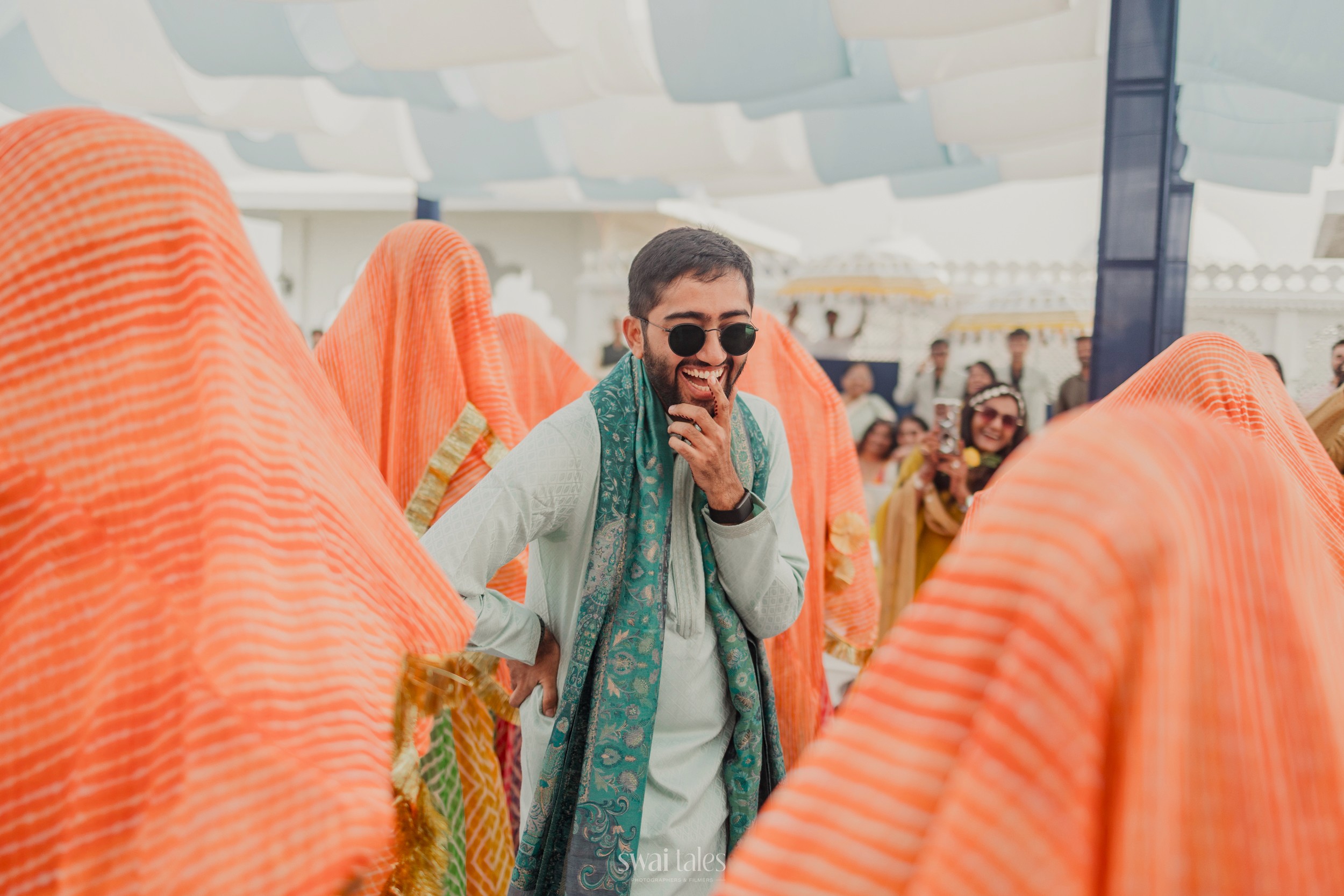
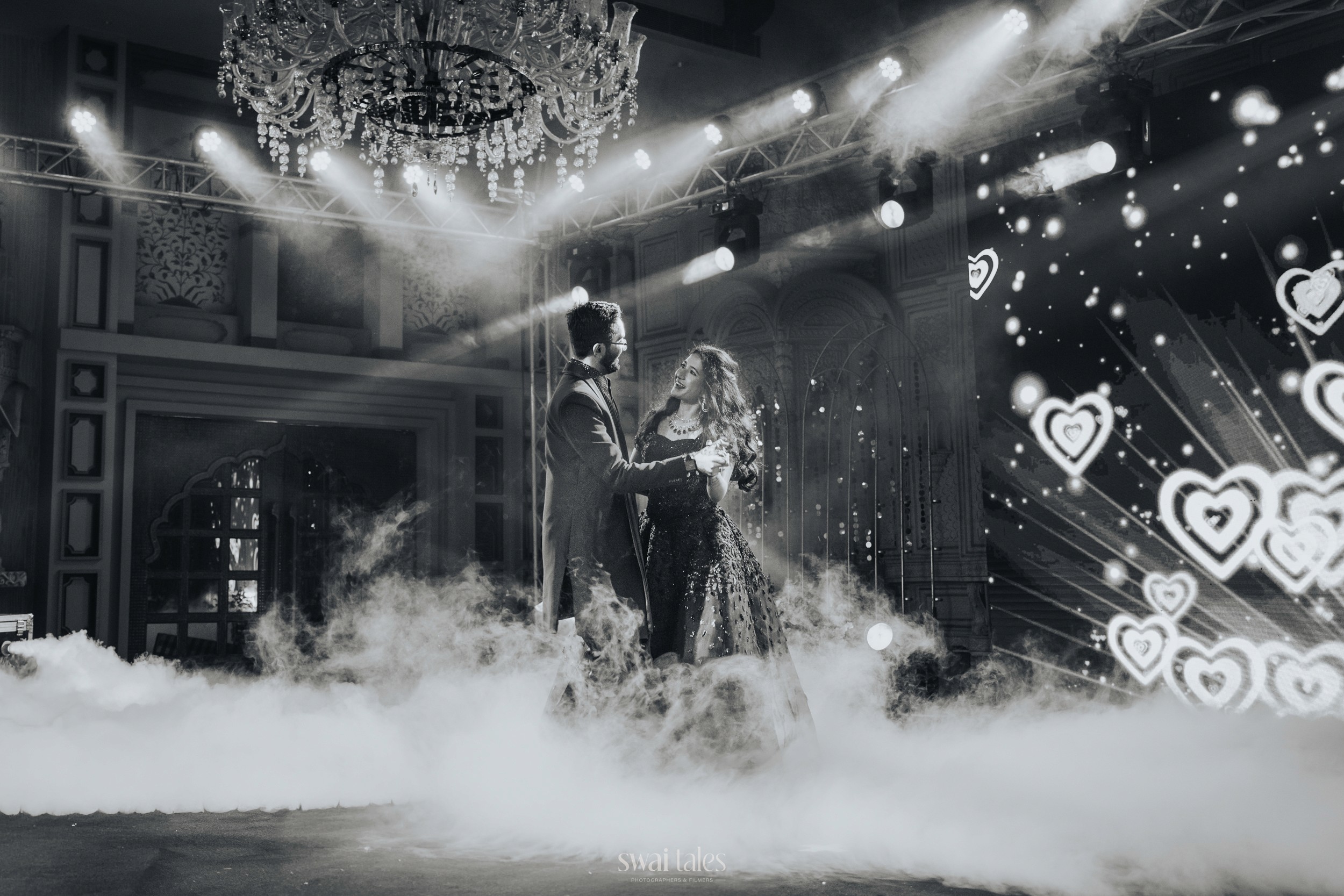
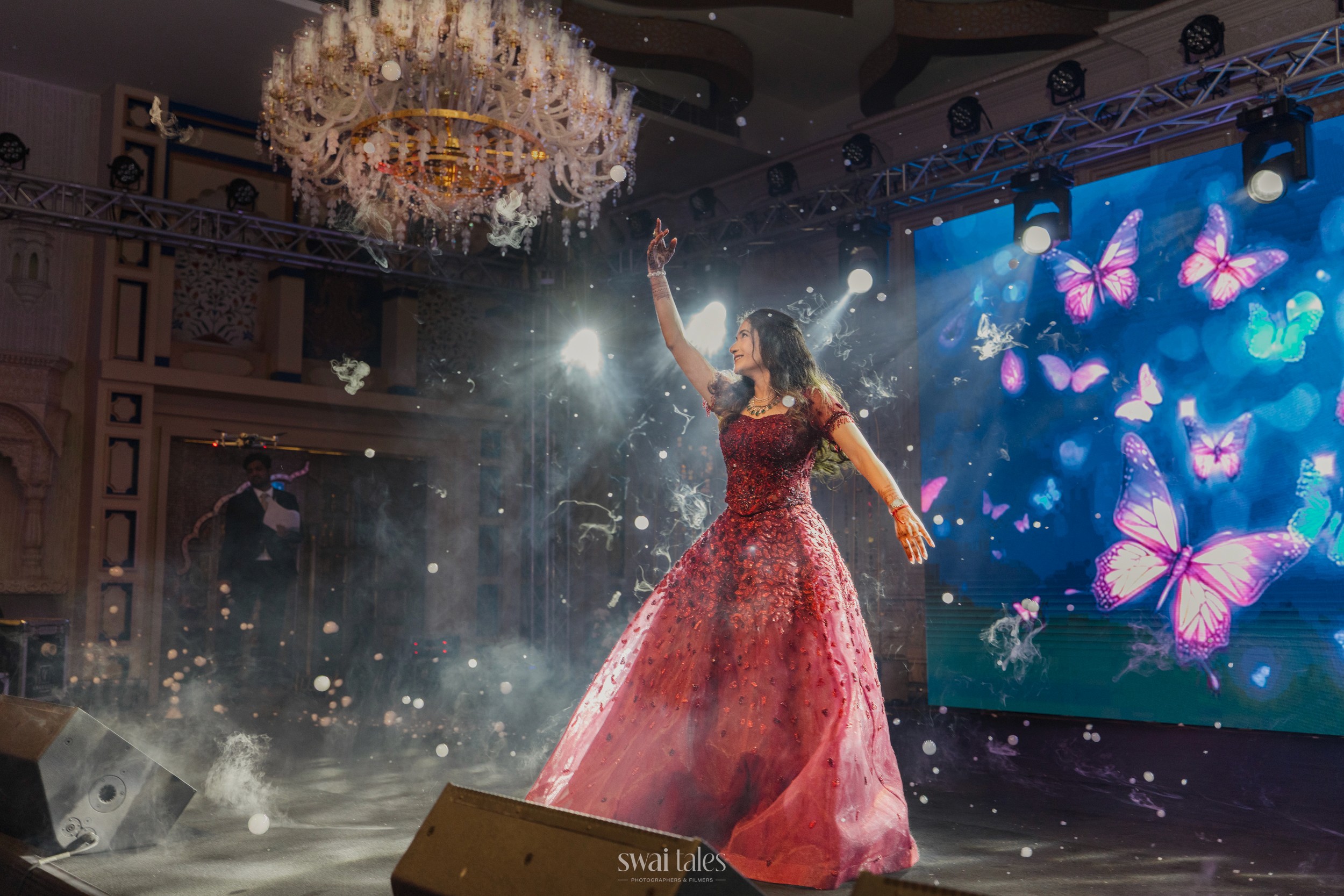
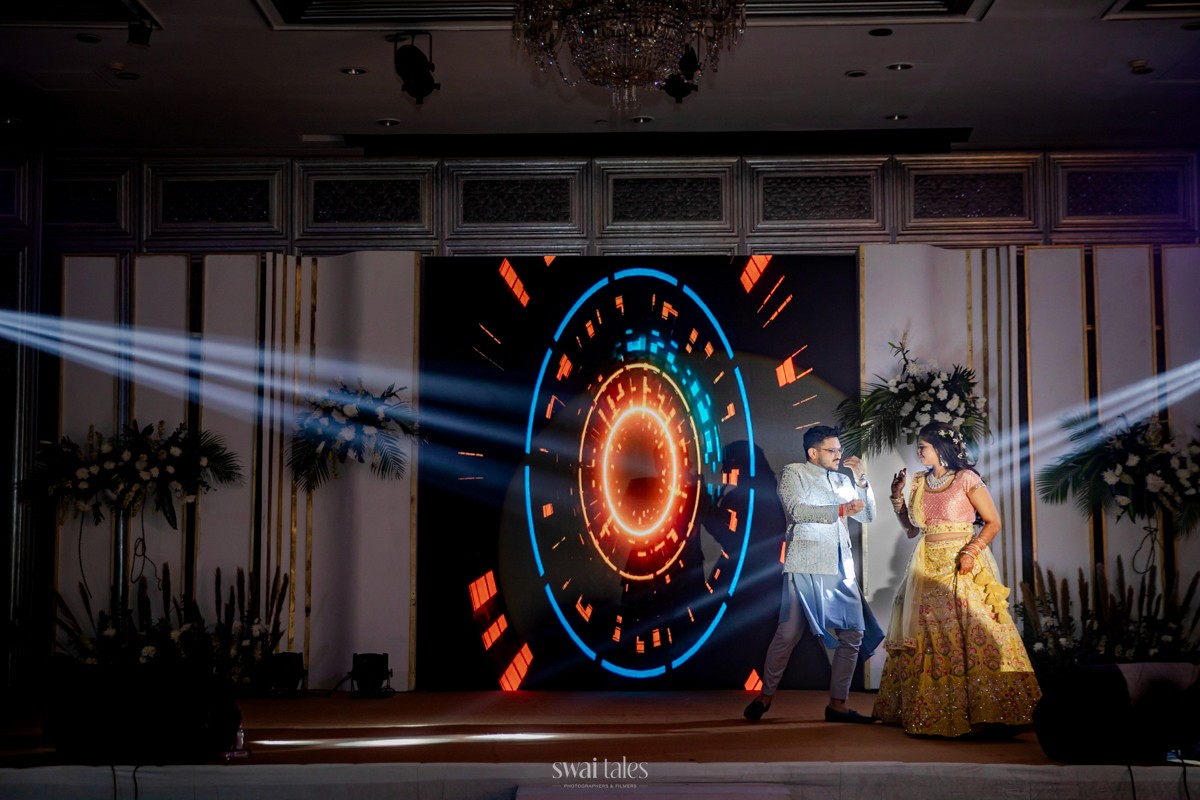
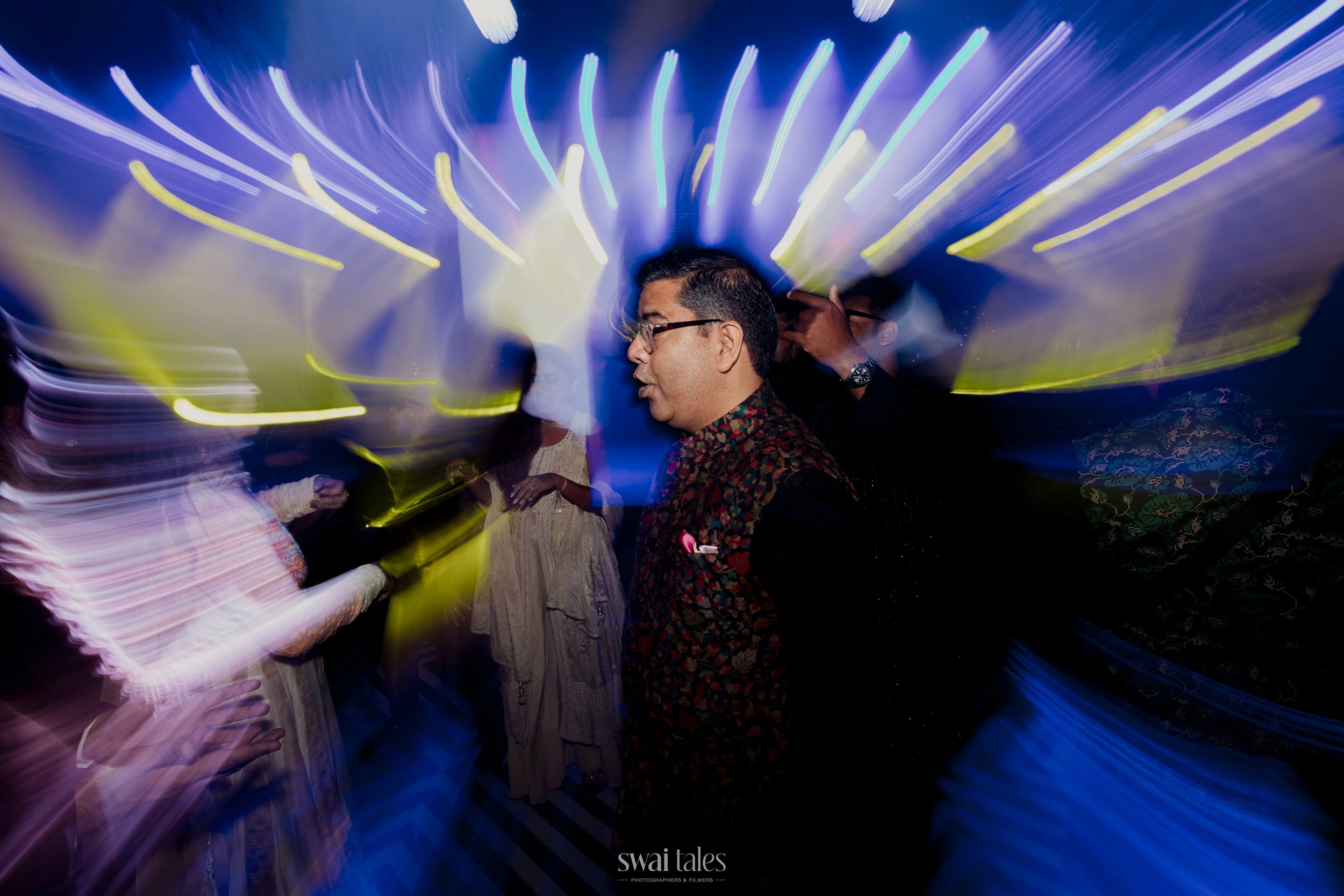
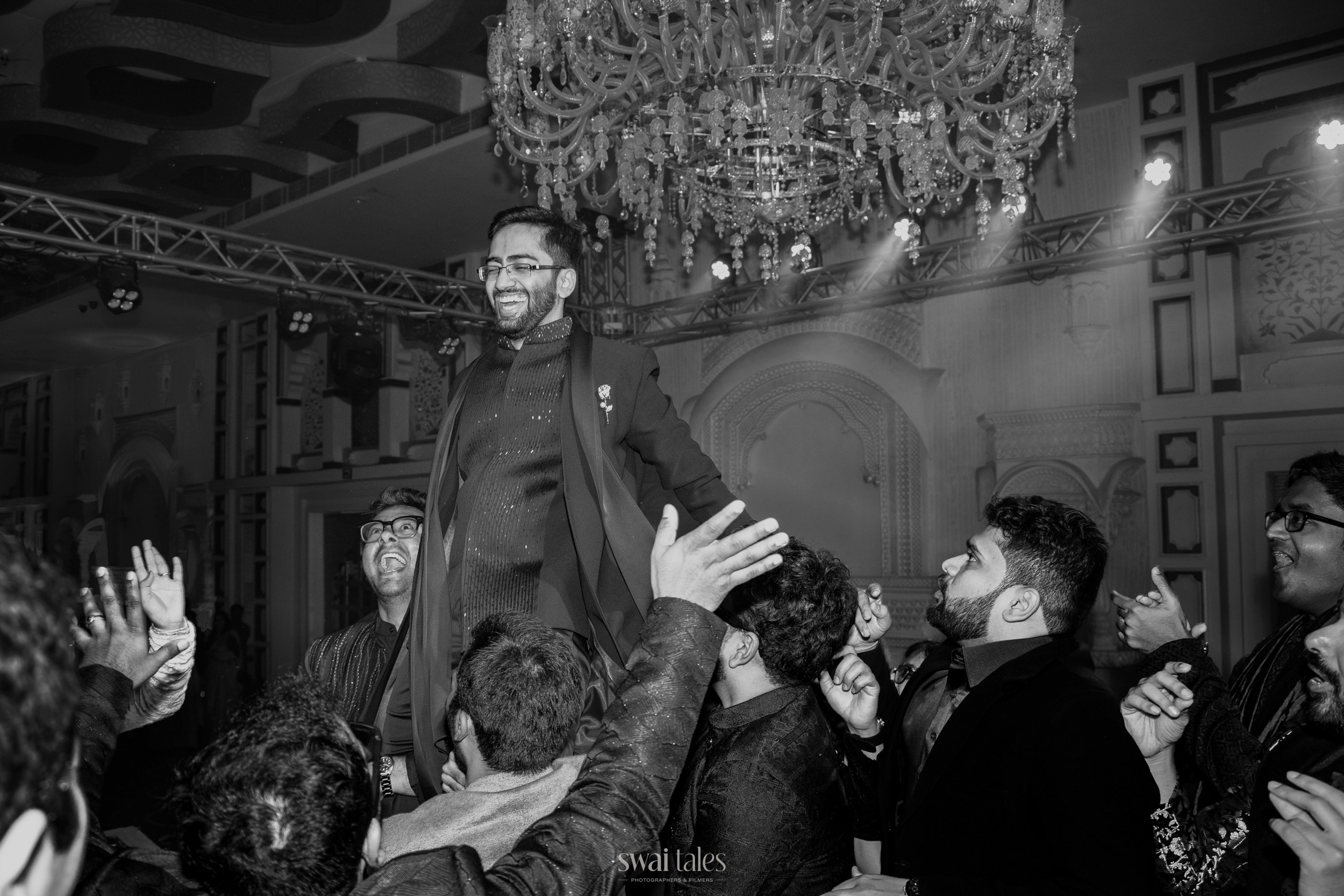
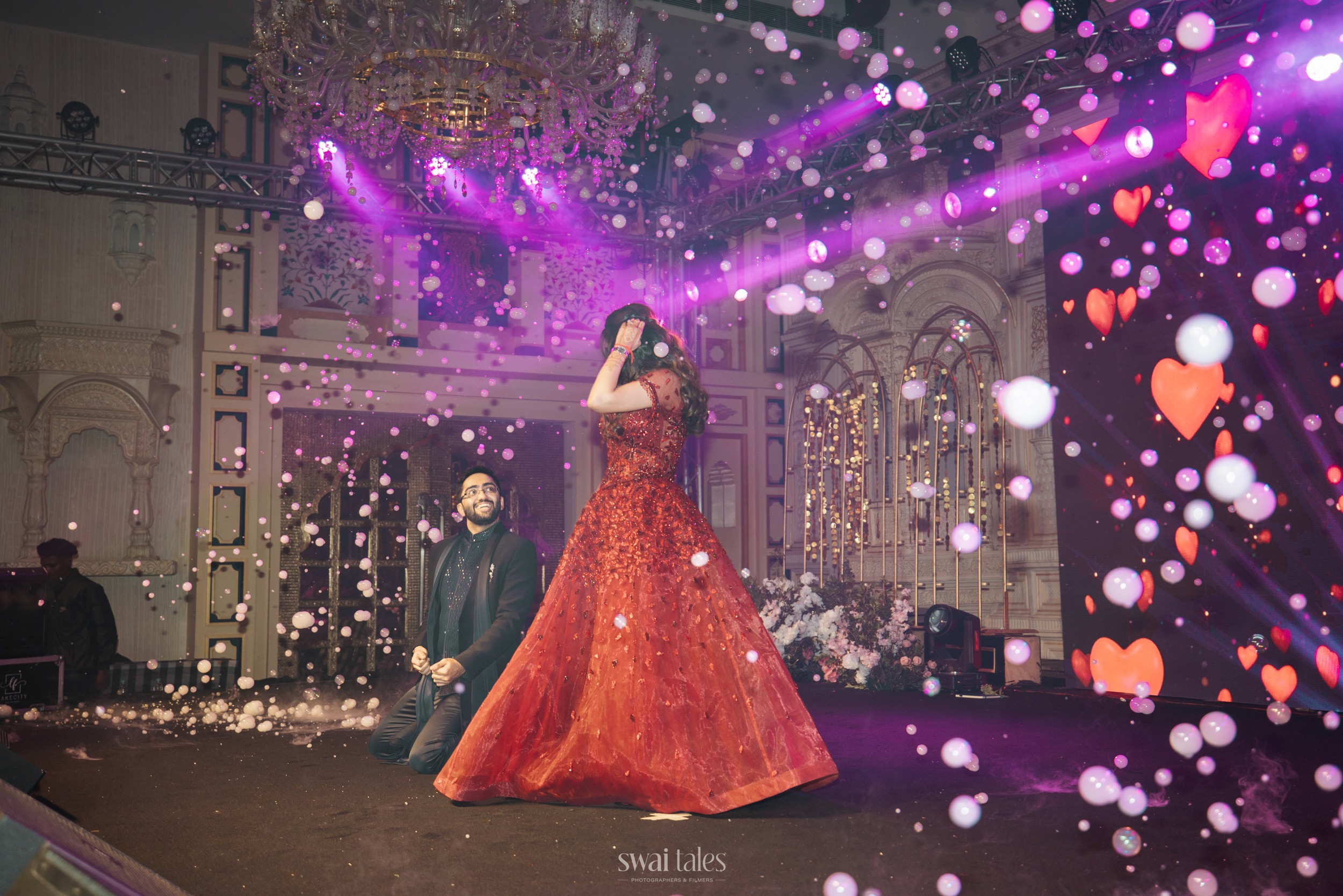
The Sangeet is where Marwadi weddings tend to reveal something unexpected about the people in them. Both families typically prepare performances — dances, songs, the occasional skit — ranging from genuinely rehearsed to memorably enthusiastic. Grooms who insist all evening they will not be dancing are, with remarkable consistency, dancing by the end of the night.
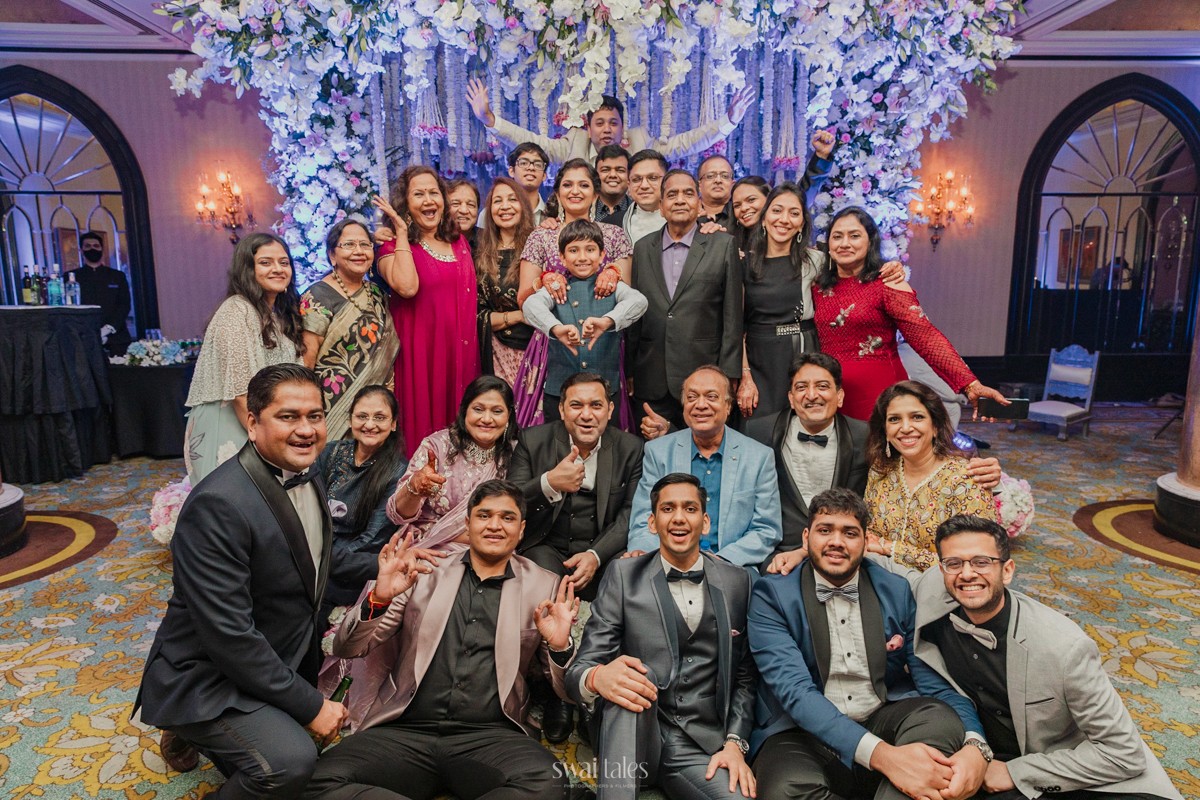
This is where candid photography earns its place over directed photography. The best frames from any Sangeet are rarely the rehearsed performances themselves — they're the reactions to them. A father watching his daughter perform with visible pride. A groom's groomsmen front row, completely unguarded. The moment a couple is pulled onto the floor by their families and dances in a way that has nothing to do with being photographed.
What's often missed: positioning for the moment a couple gets called up unexpectedly. Sangeets often build toward a spontaneous dedication — a song chosen by parents, a surprise pulling the couple to the floor — and that moment, not the planned acts, is usually the one couples remember most vividly years later.
Haldi — Pithi Dastoor
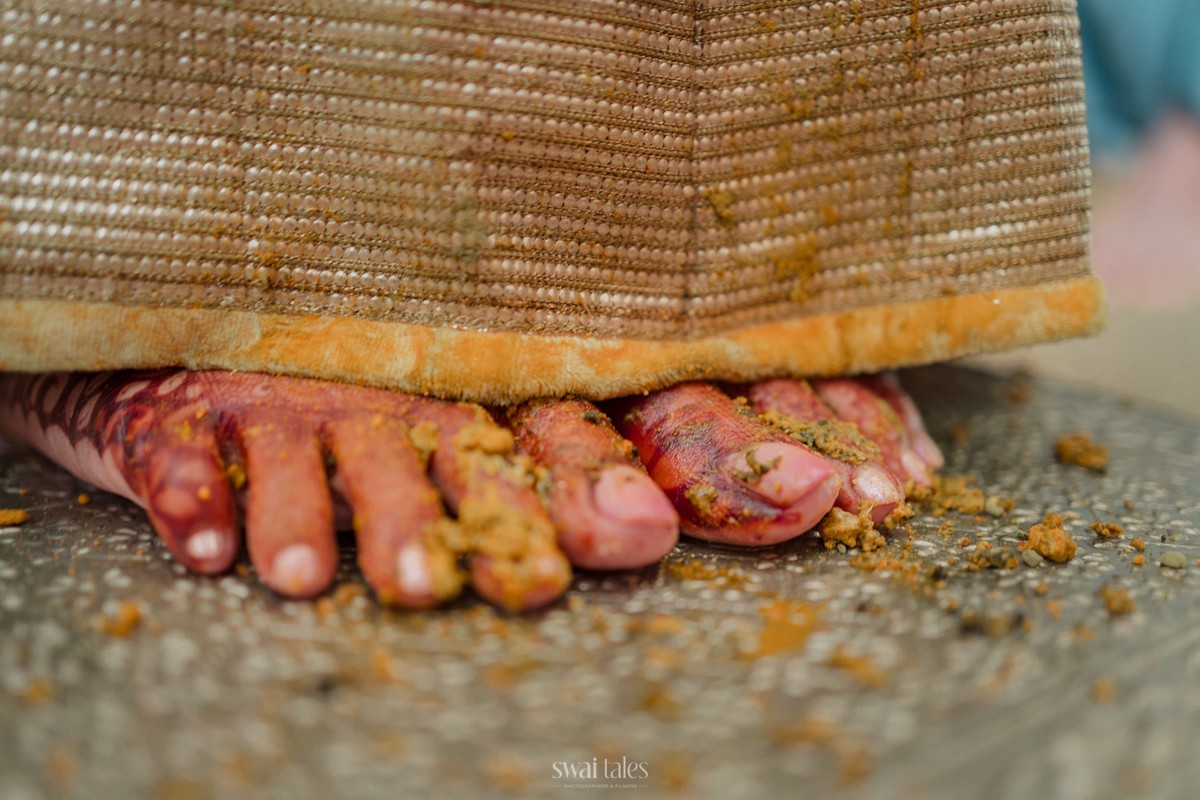
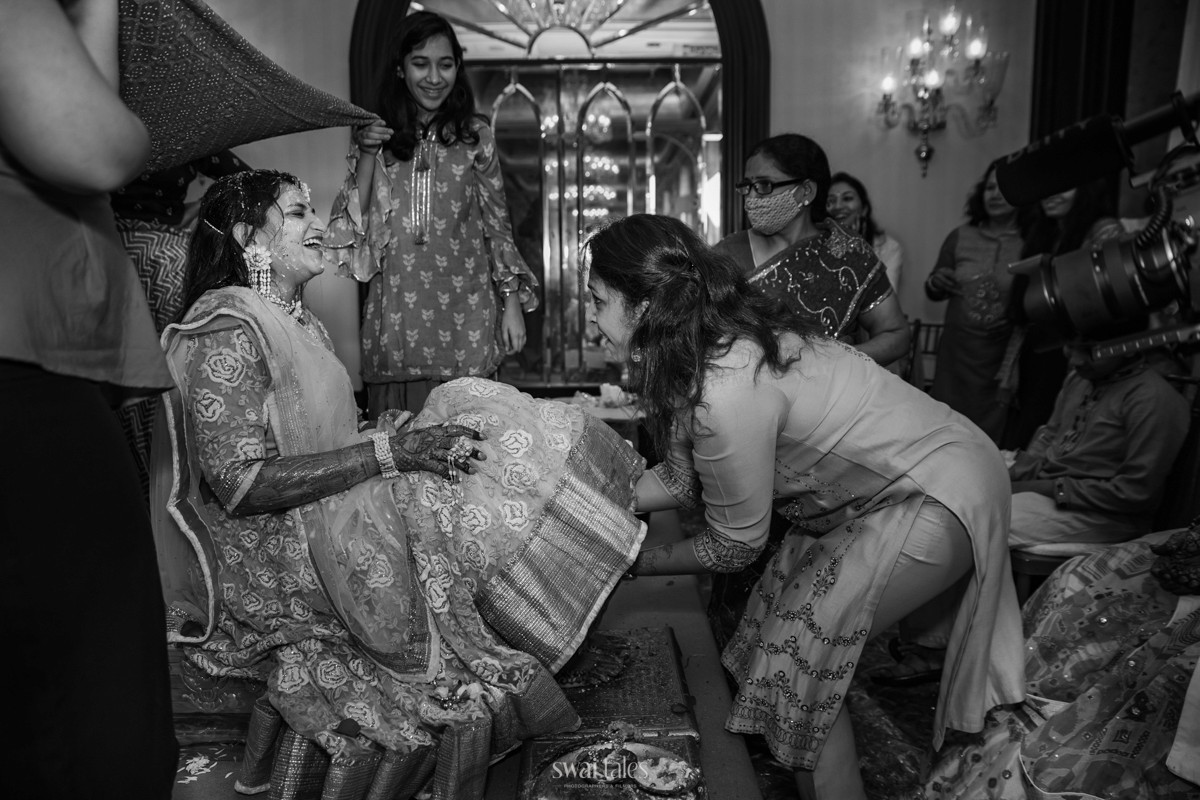
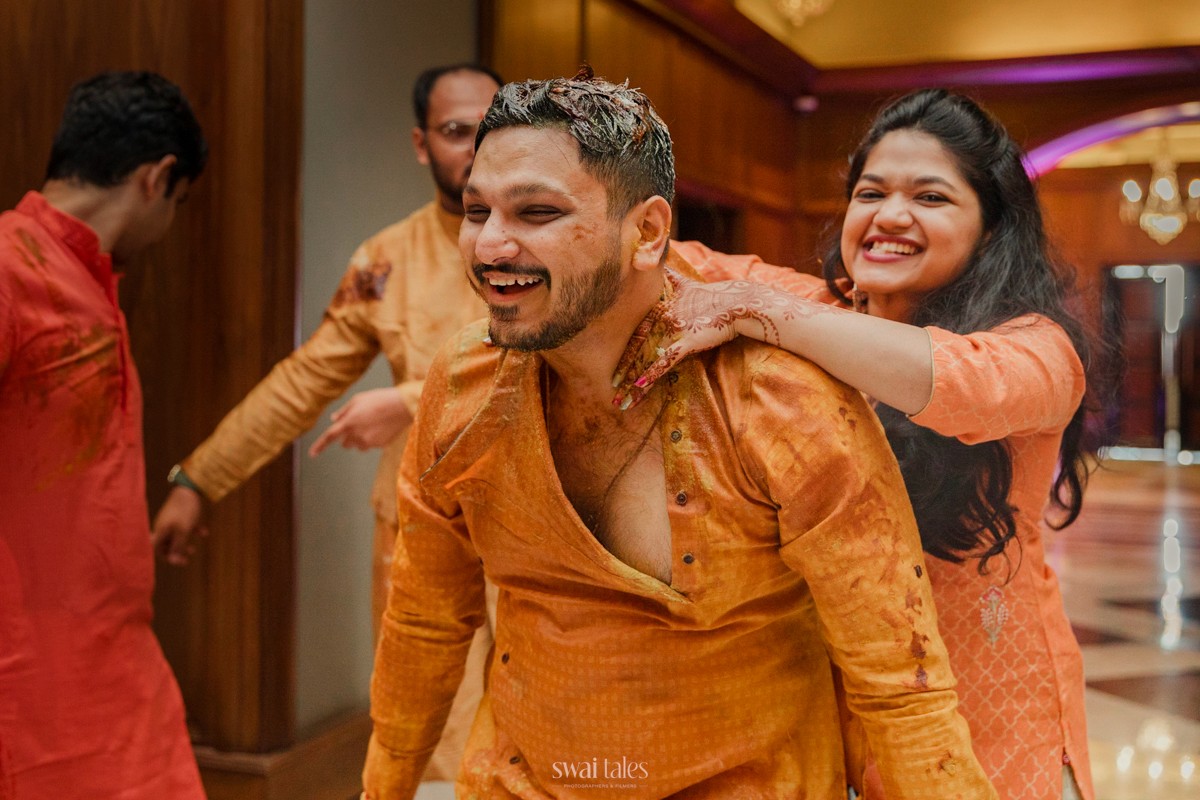
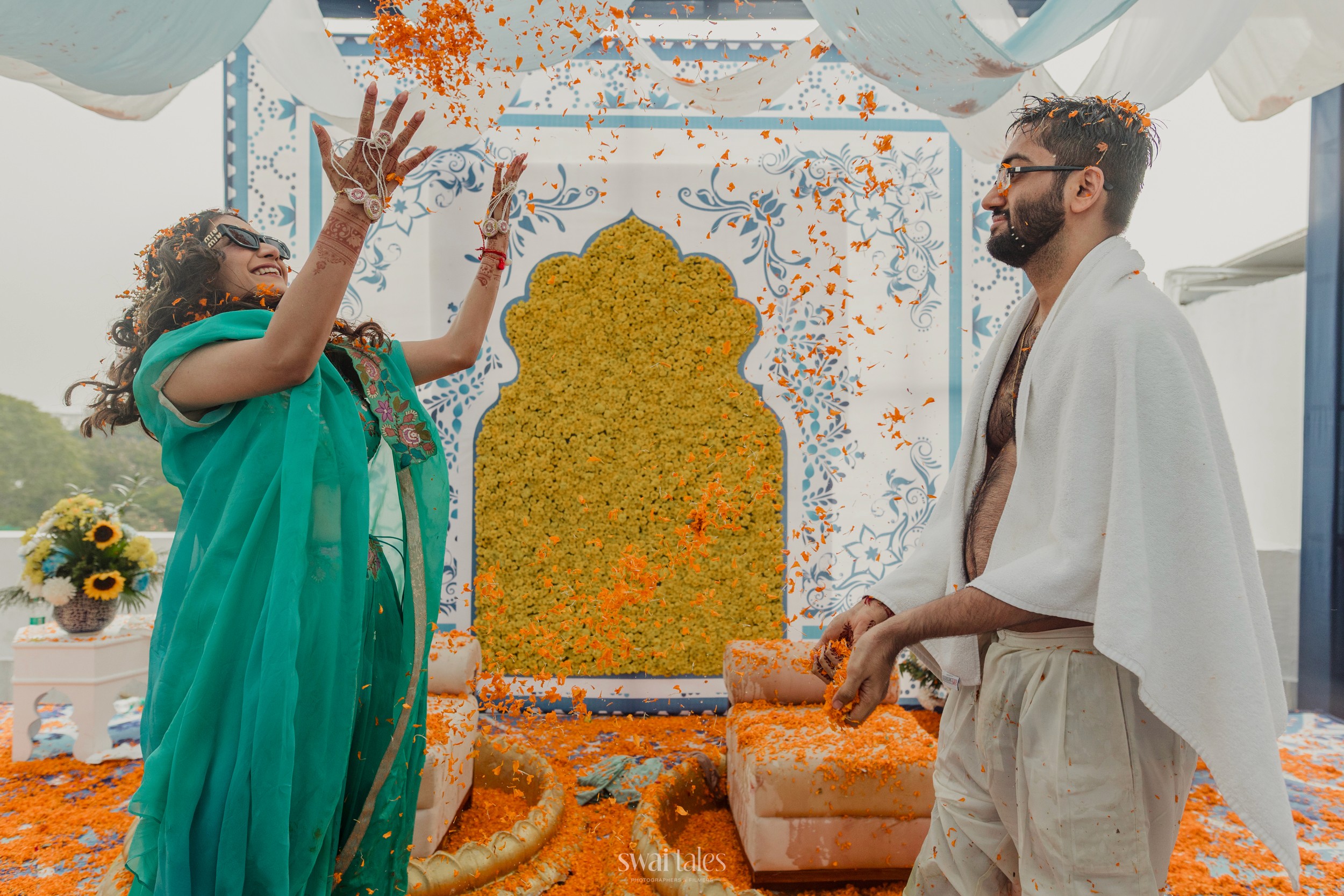
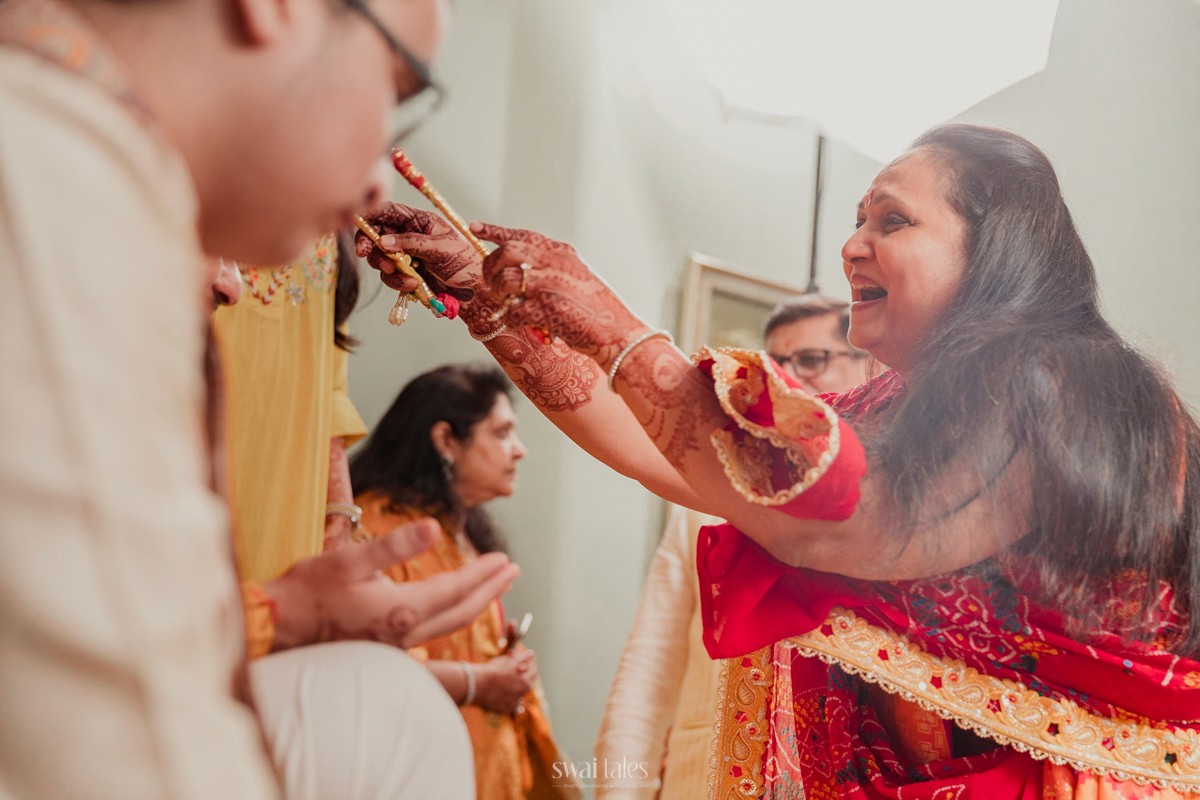
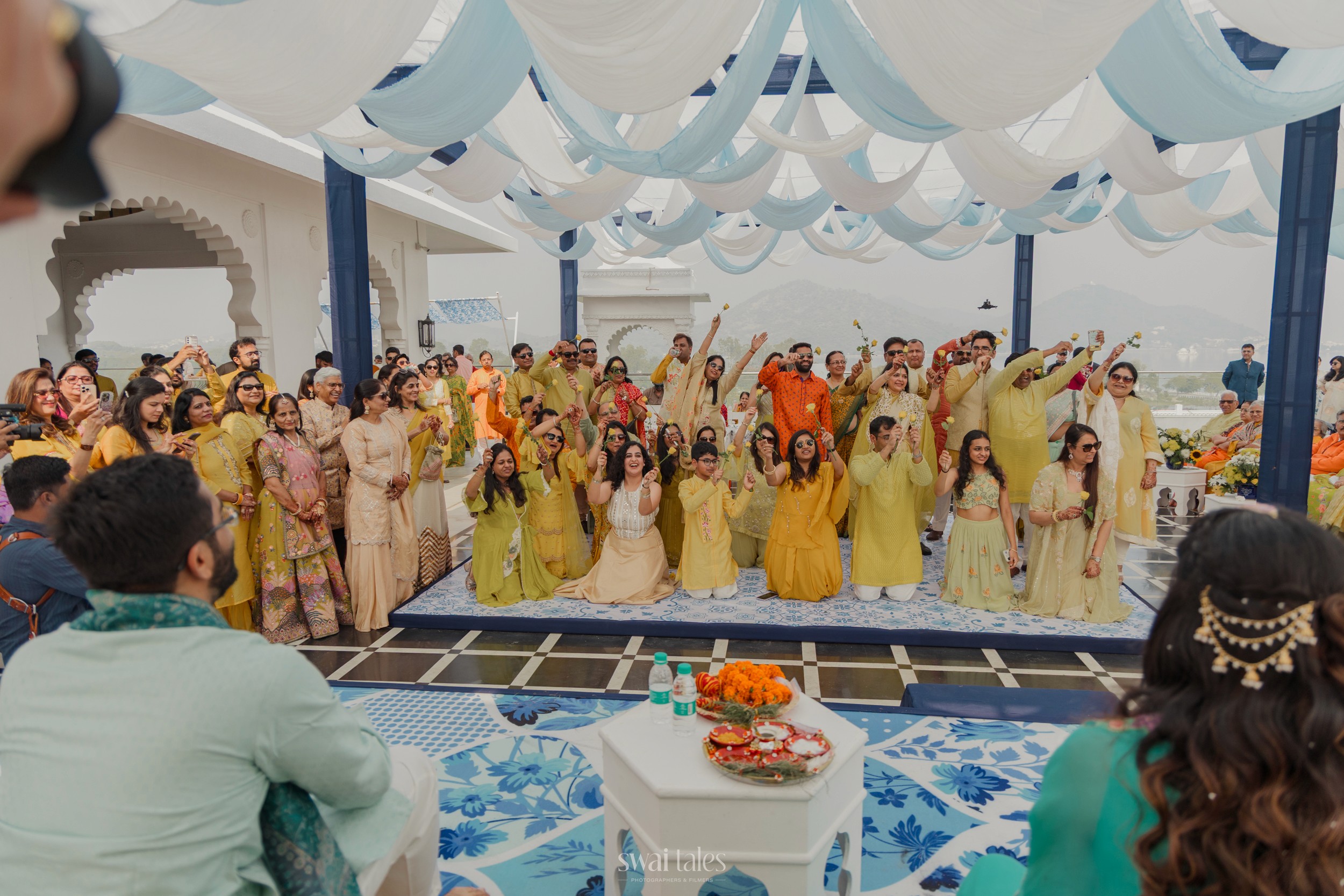
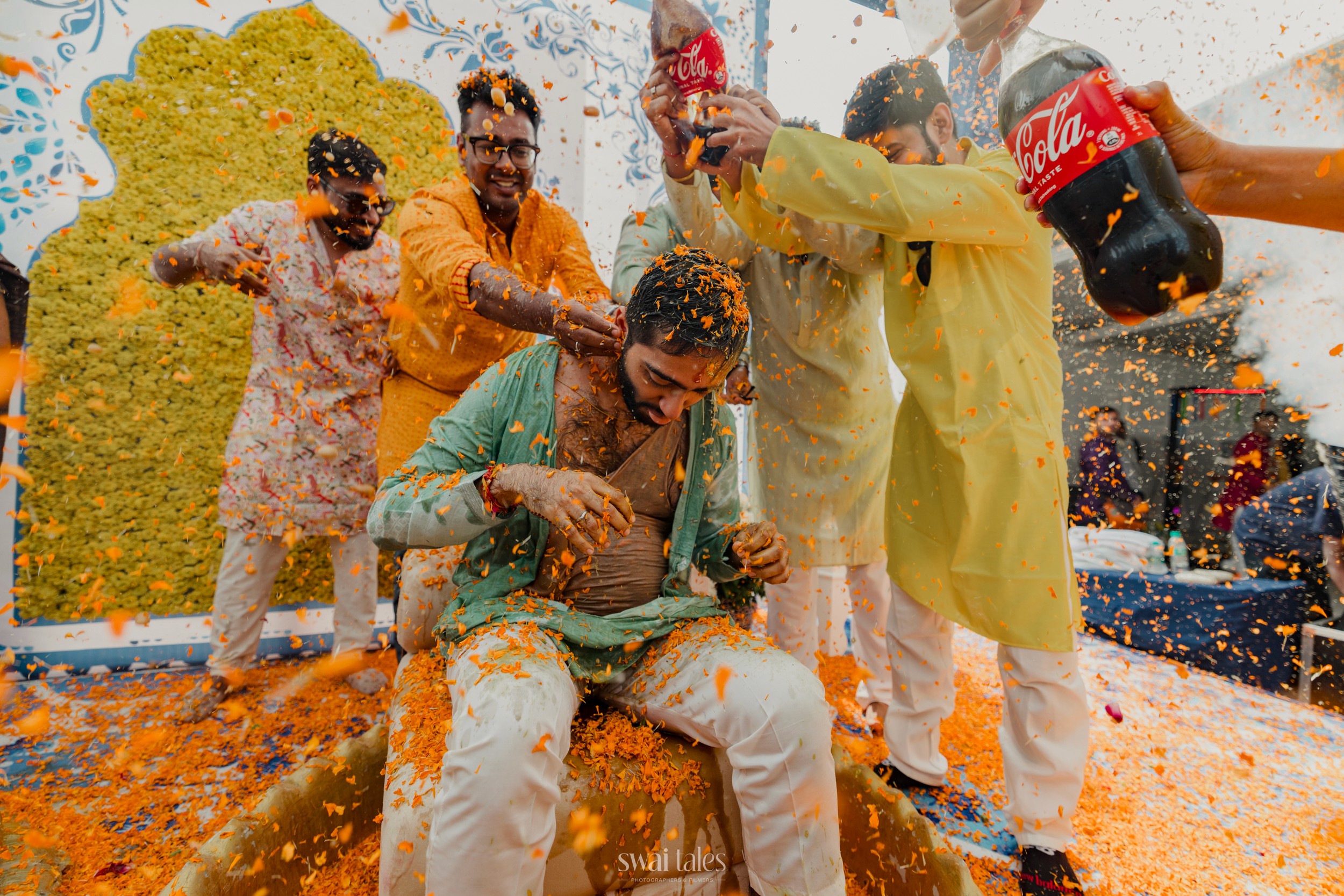
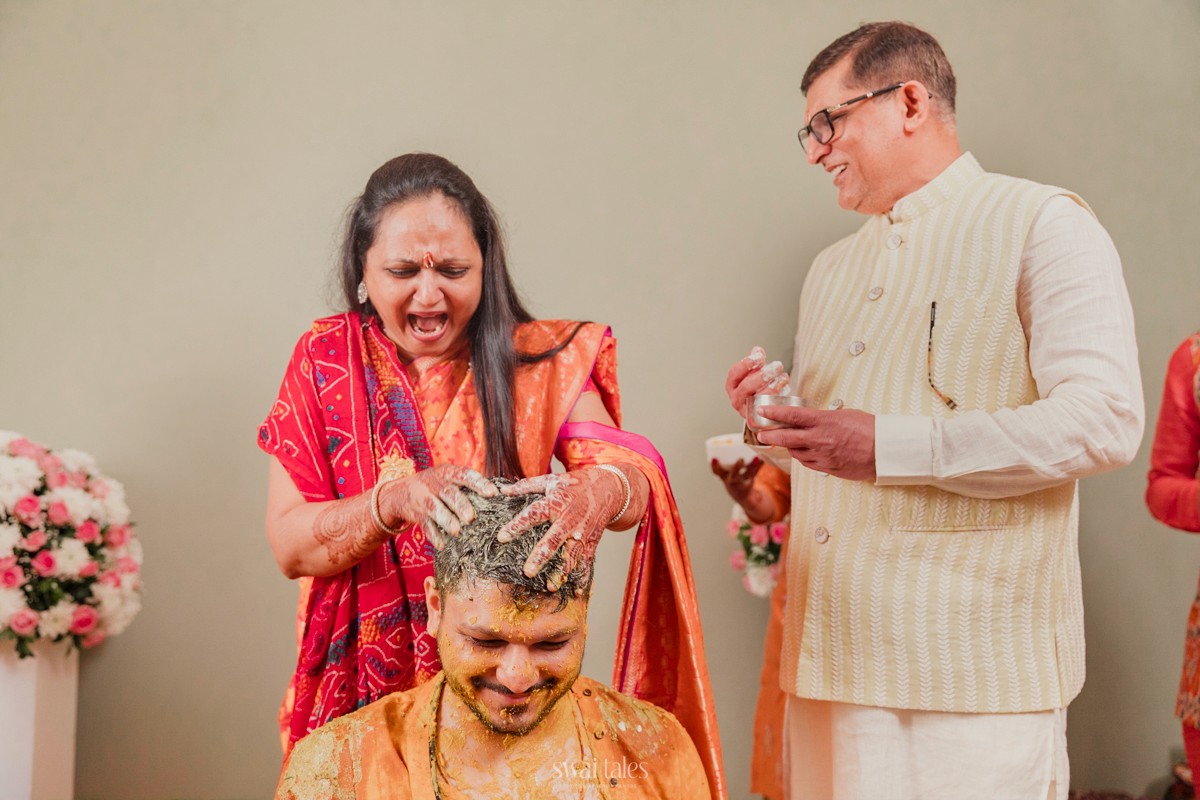
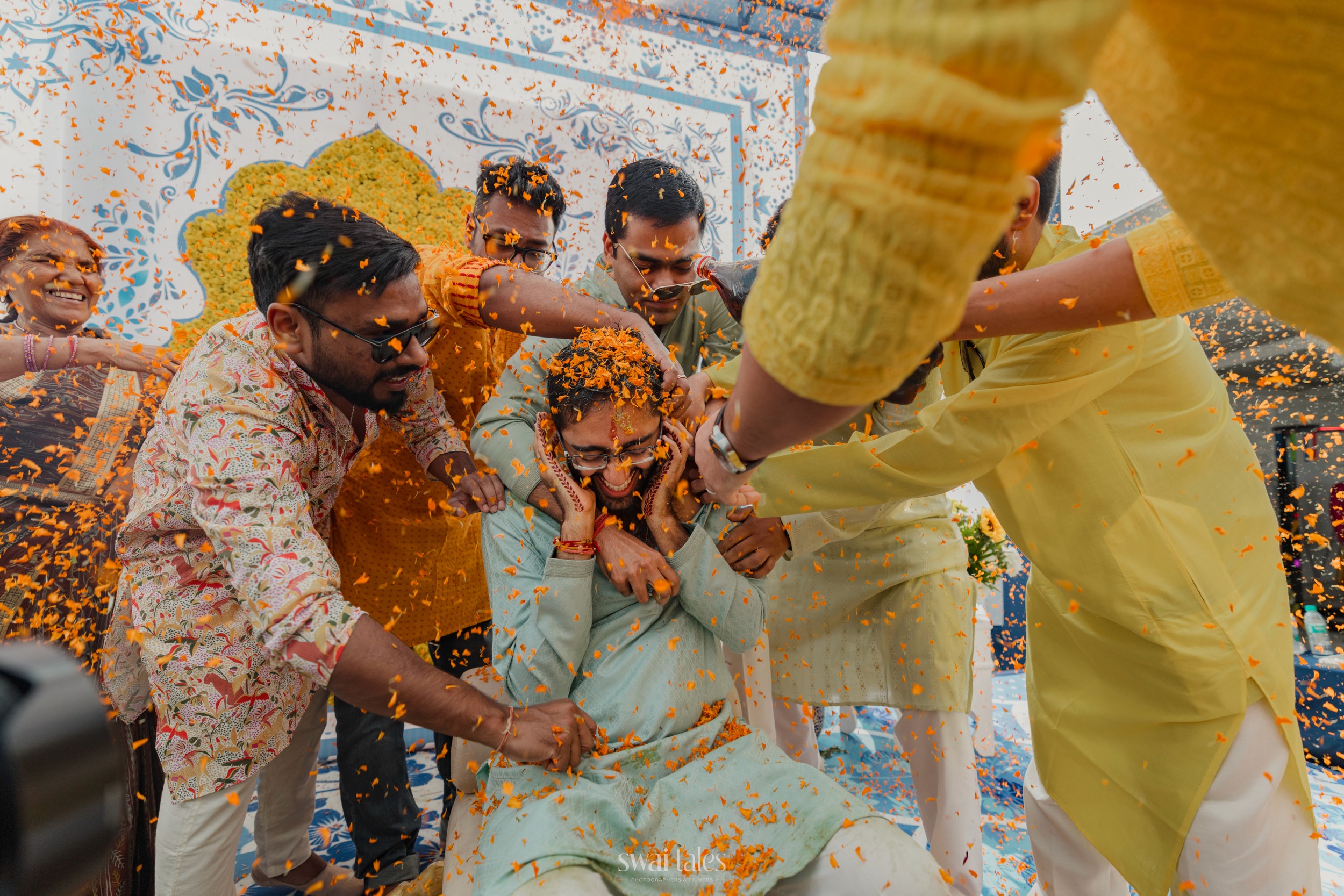
The Haldi, known in Marwadi tradition as Pithi Dastoor, typically takes place on the morning of the wedding day. A paste of turmeric, sandalwood, and saffron is applied by family members, to the sound of folk songs, in the kind of soft late-morning light that photographs beautifully without any additional setup.
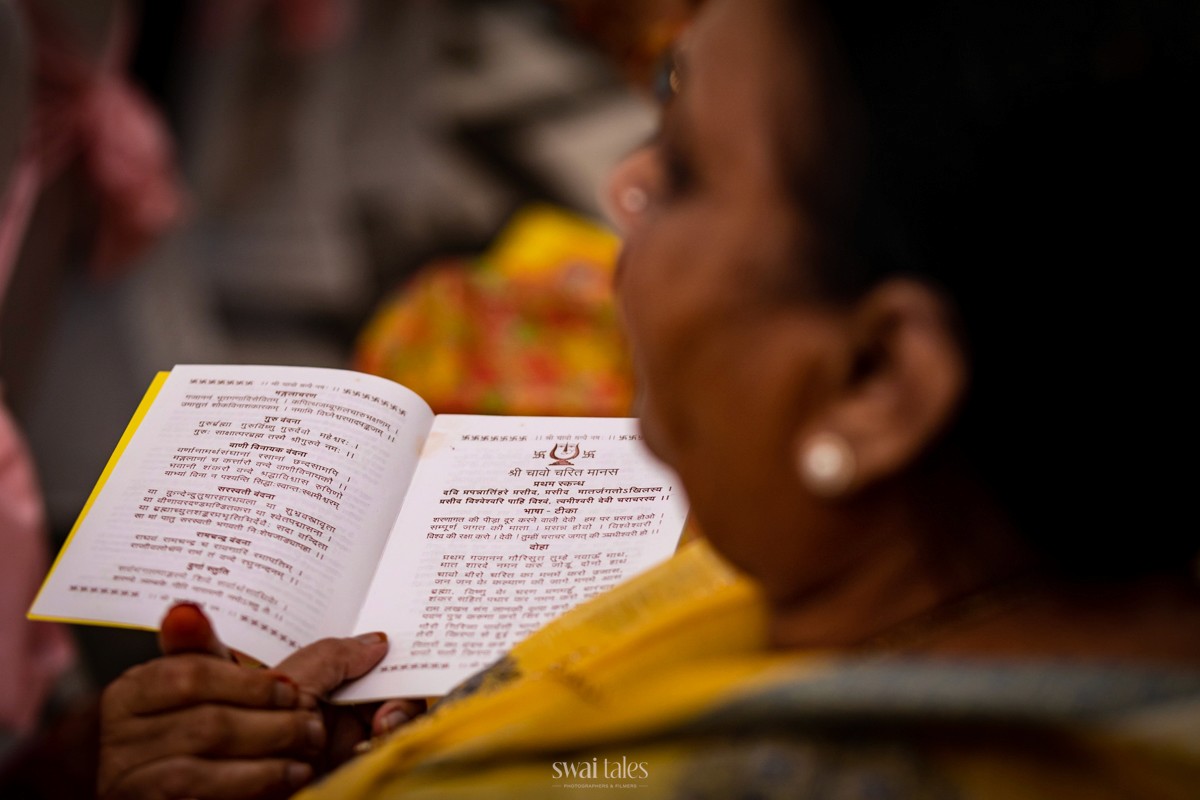
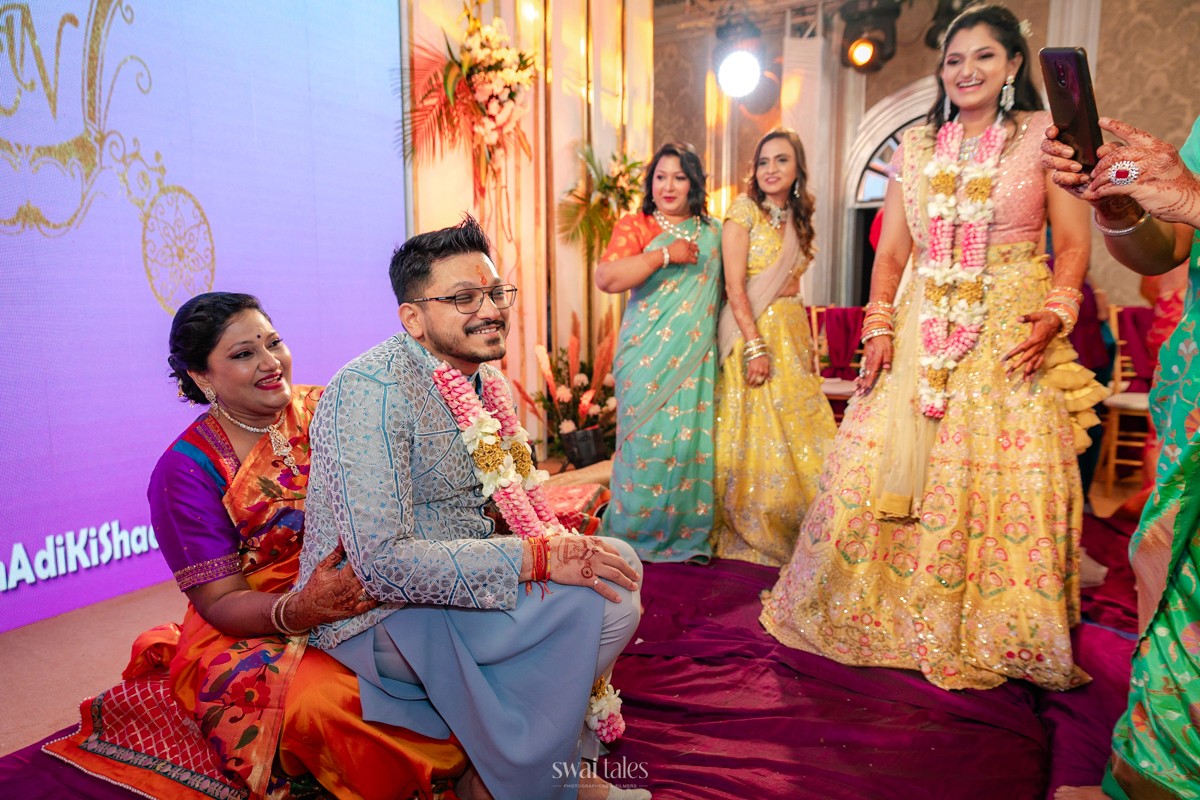
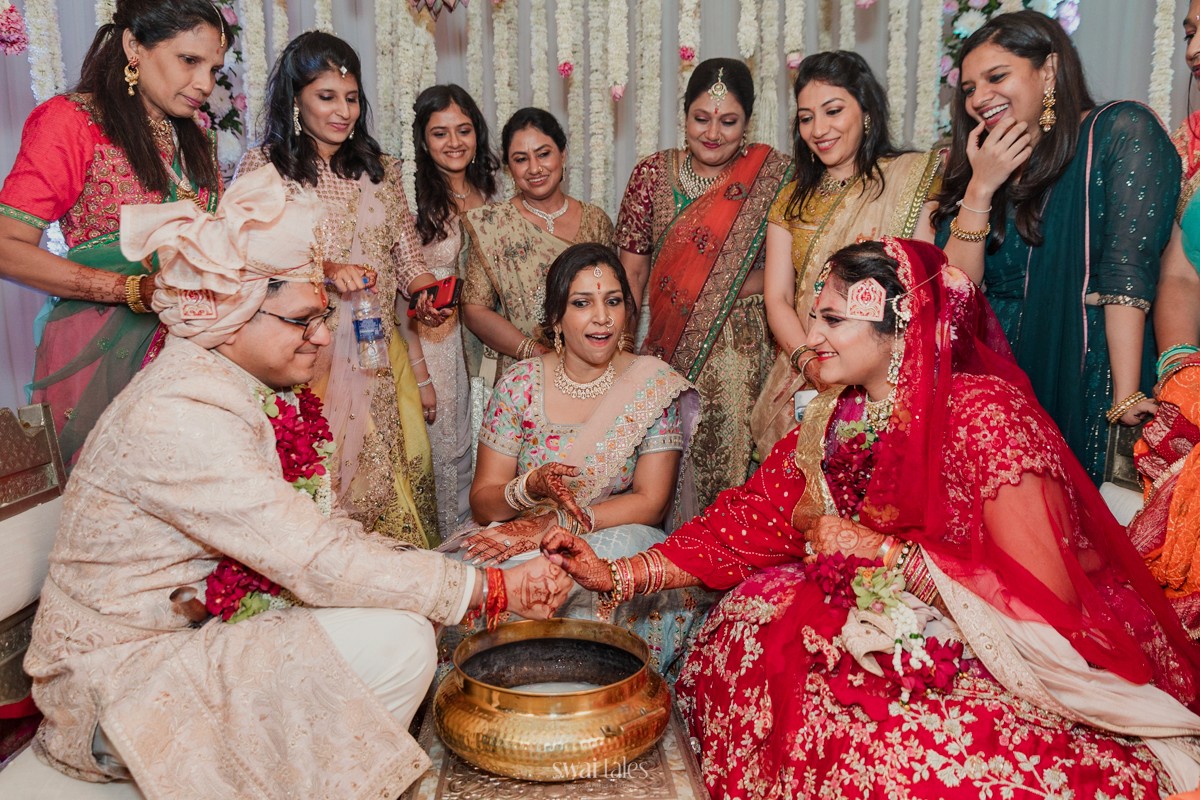
The energy here tends to be warm rather than chaotic — siblings applying turmeric with slightly too much enthusiasm, grandparents seated close by, unable to apply the paste themselves but present for every moment of it. There's a specific tenderness to an elderly family member simply holding the groom's or bride's arm throughout the ceremony, watching rather than participating.
What's often missed: the family members on the periphery, not directly involved in applying the haldi. A grandmother seated to the side, an uncle quietly emotional in the corner — these reactions often carry more emotional weight than the central action itself.
Baraat — The Procession
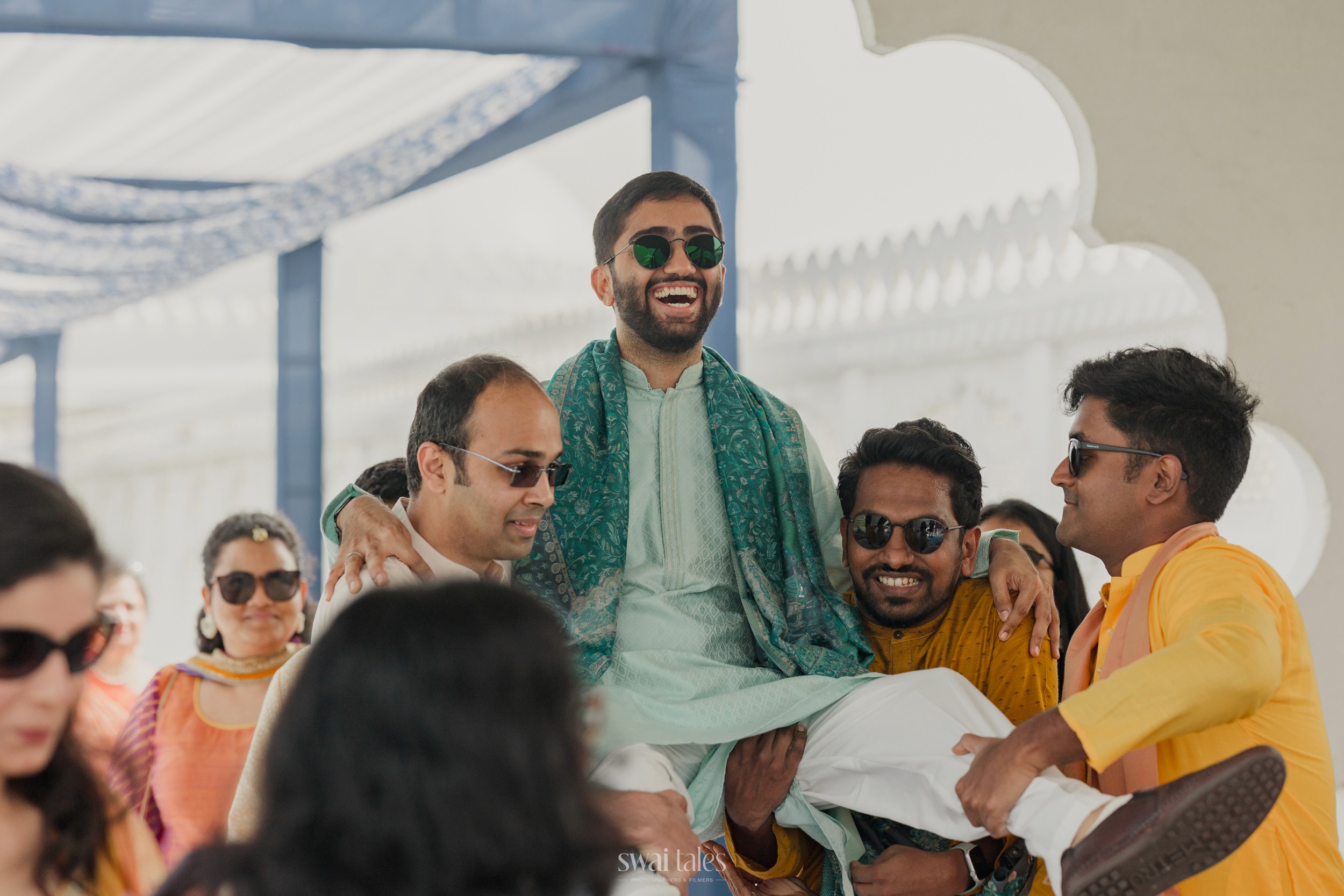
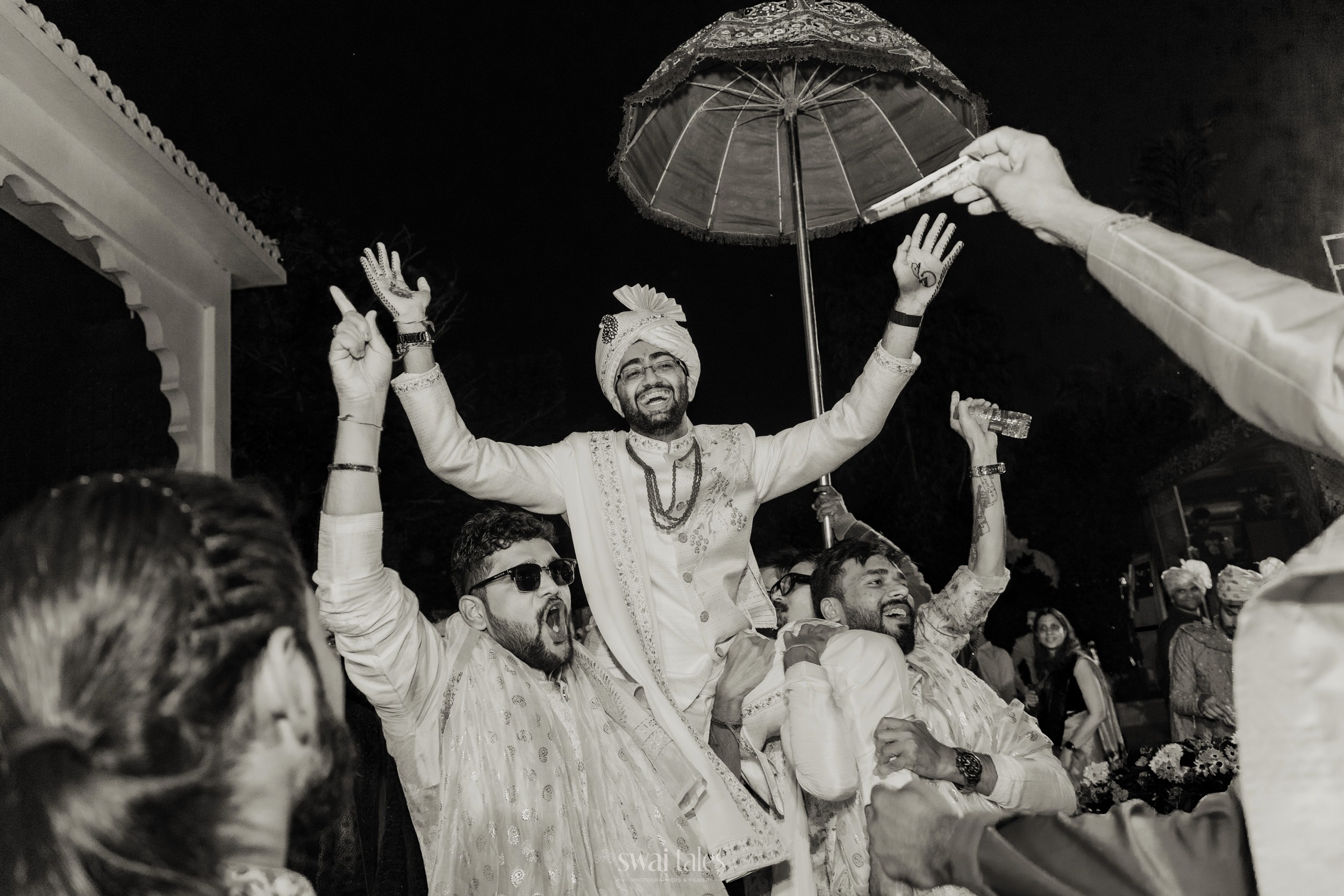
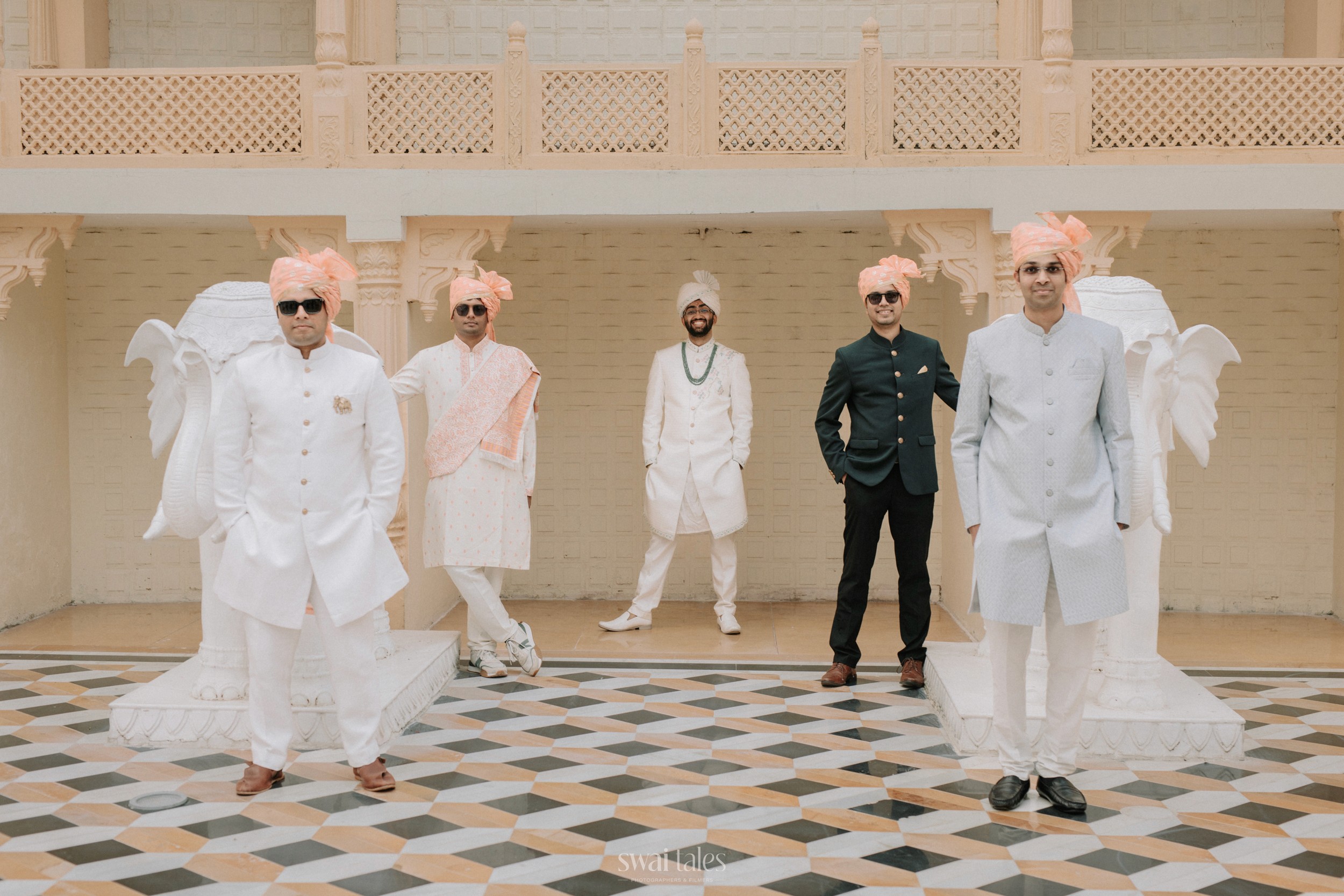
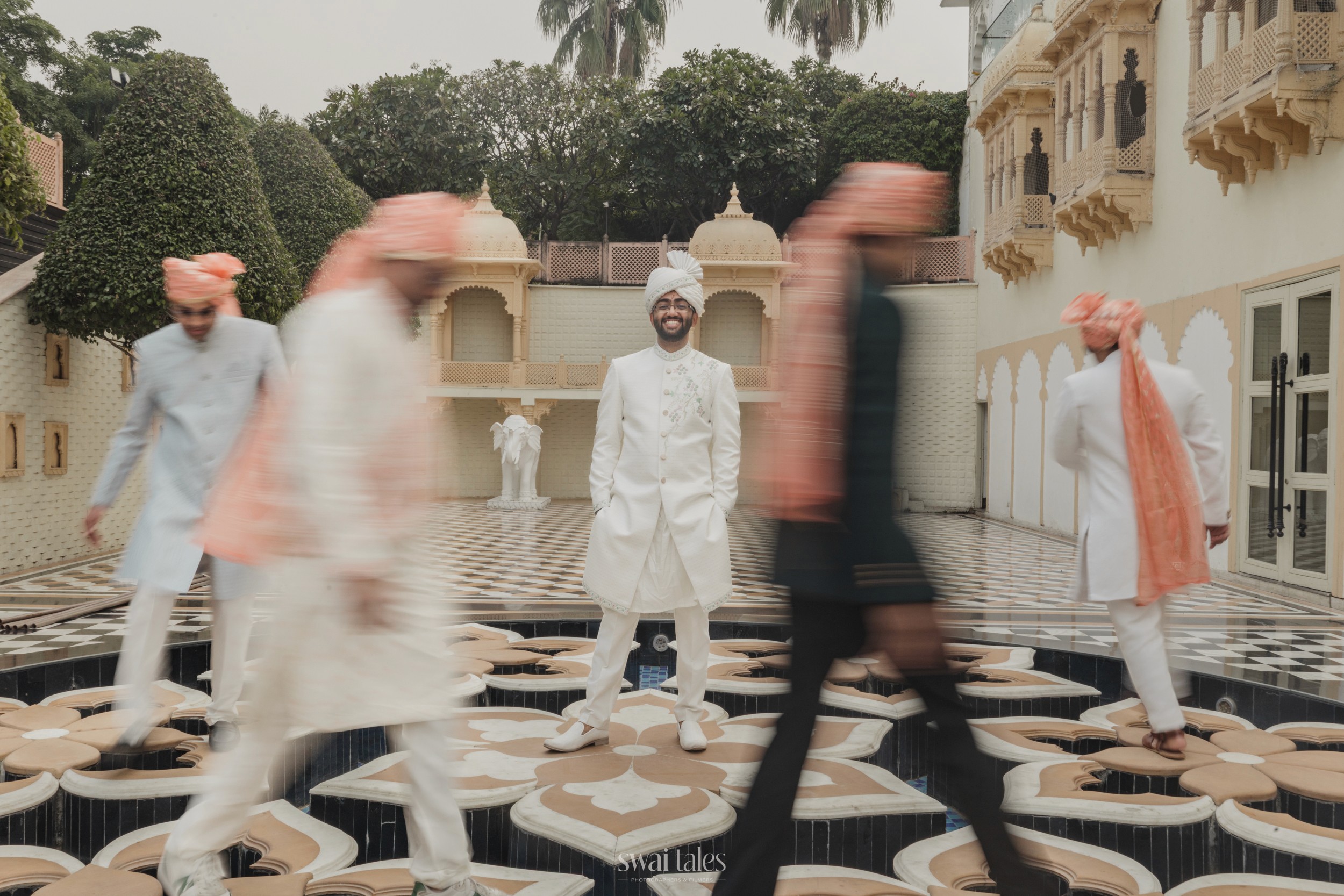
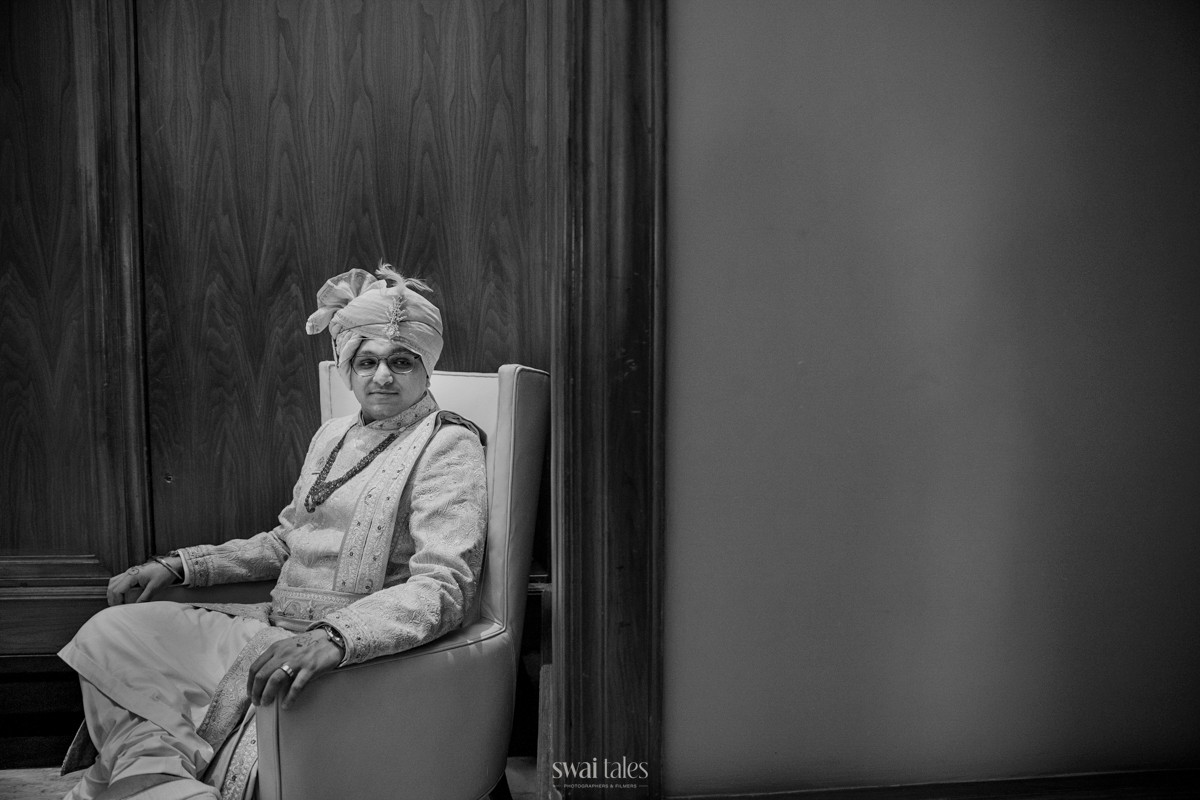
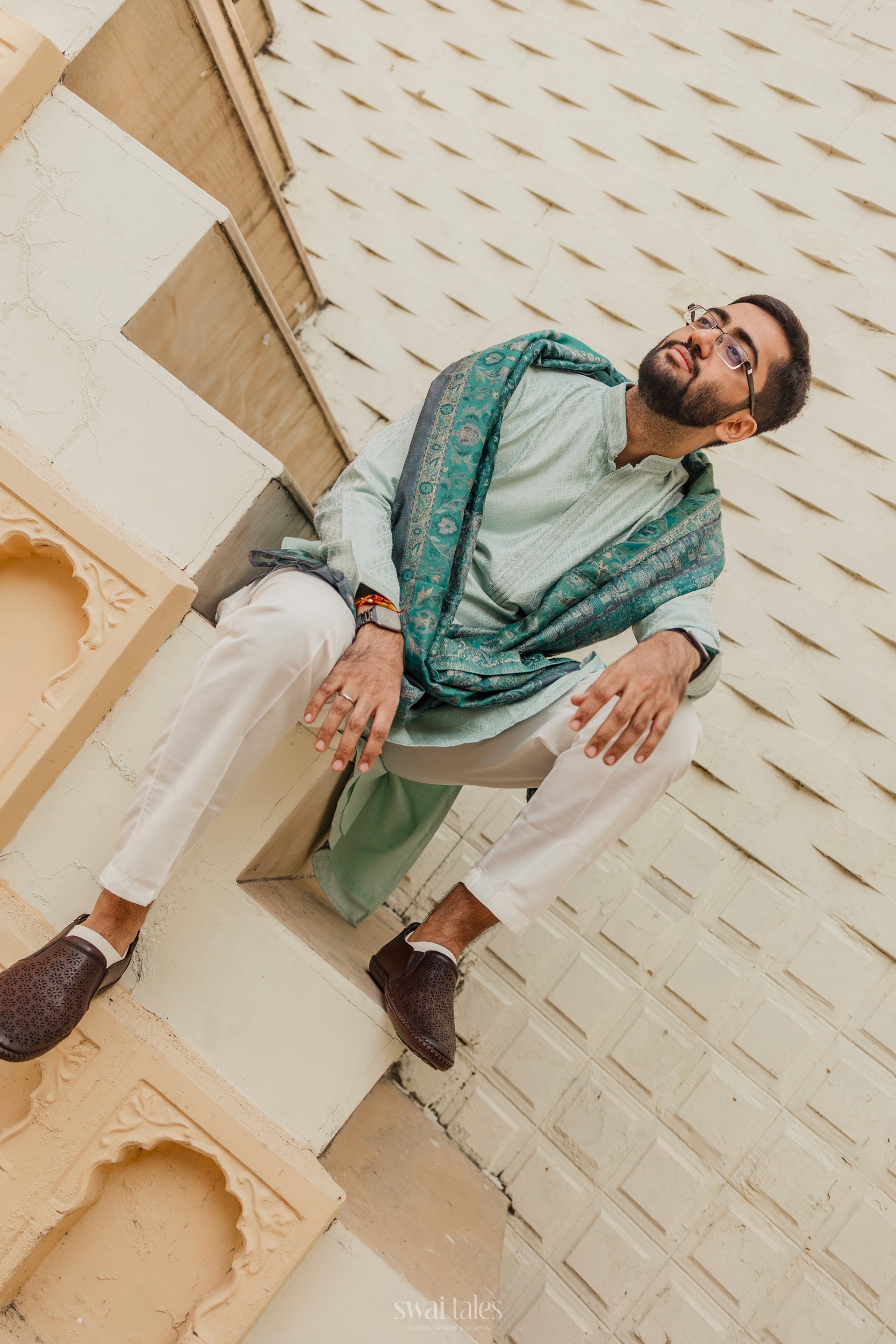
The Baraat is the groom's ceremonial procession to the wedding venue, and in our experience, one of the most visually dynamic parts of any Marwadi wedding. The groom — often seated on a decorated ghodi (horse) — moves through a procession of dhol players, dancing relatives, and a steadily swelling crowd of guests who have, without exception, abandoned all earlier claims of "not dancing today."
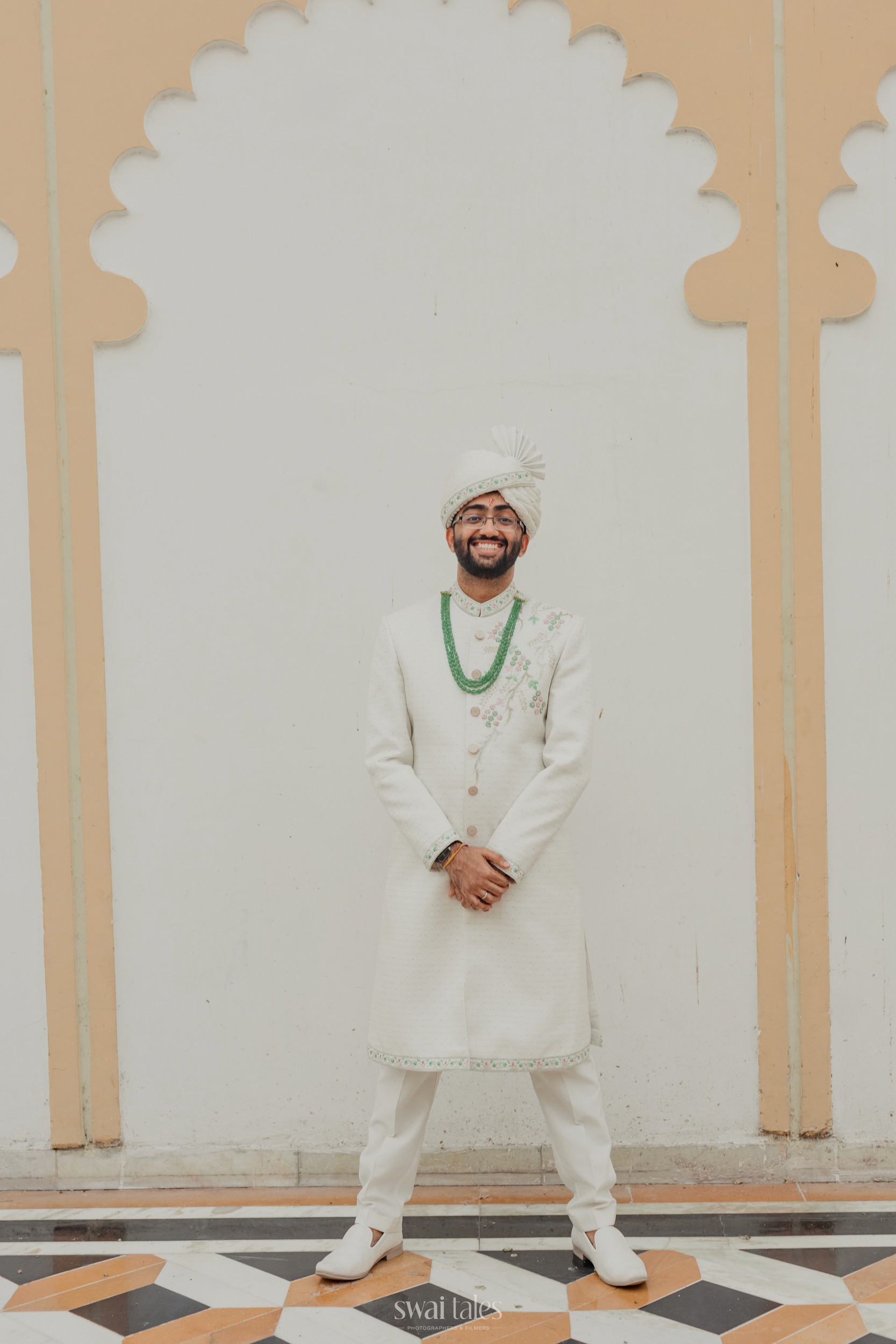
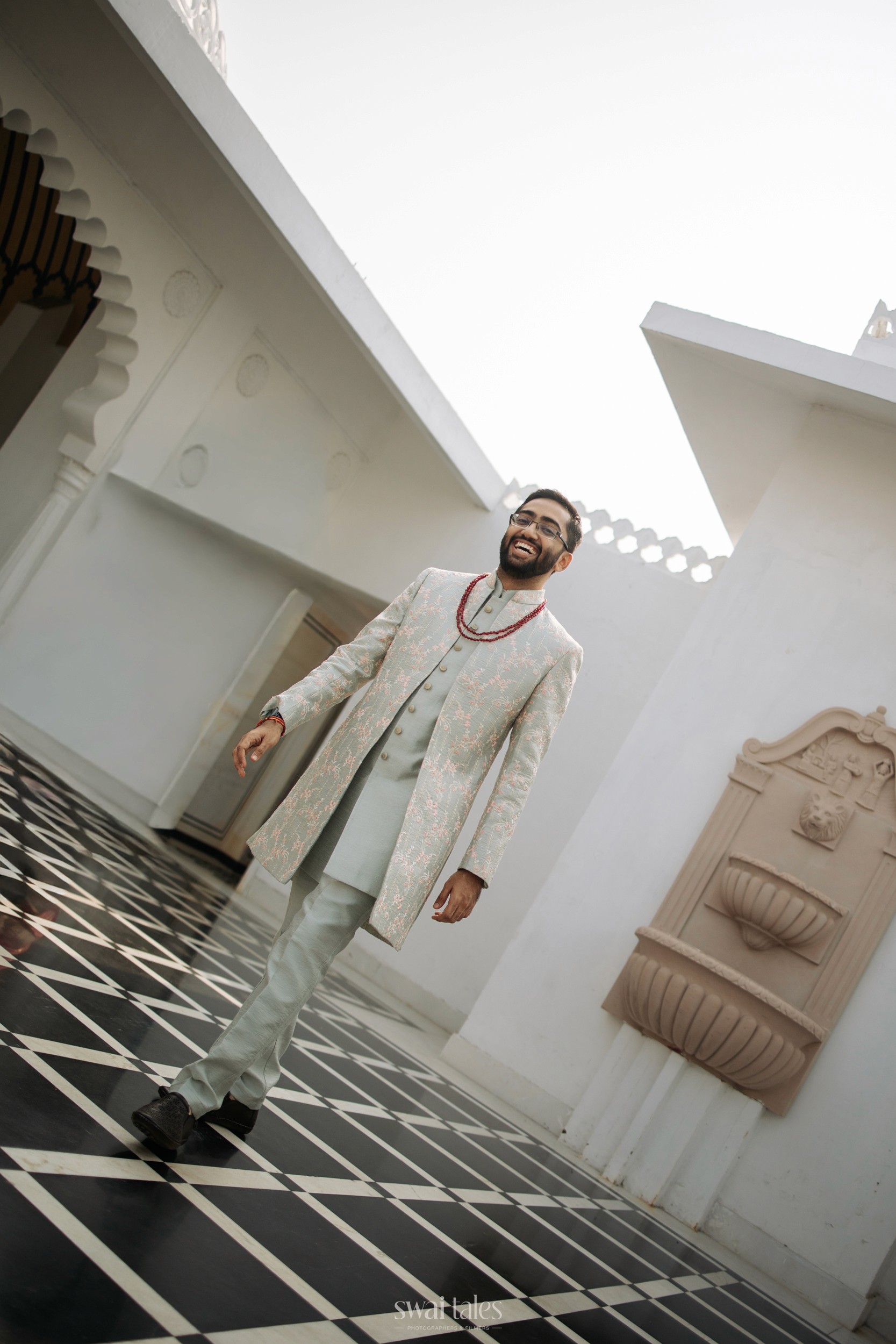
The sehra — the floral veil worn over the groom's face — is typically tied by a sister or close family member just before the procession begins, often adjusted several times in the final moments. It's frequently the stillest the groom will be for the entire weekend.
What's often missed: the uncles and older relatives who insist they won't dance, and are reliably dancing within minutes of the dhol starting. This is one of the most consistent — and most photogenic — patterns across nearly every Baraat we've shot.
Saat Phere — The Seven Rounds
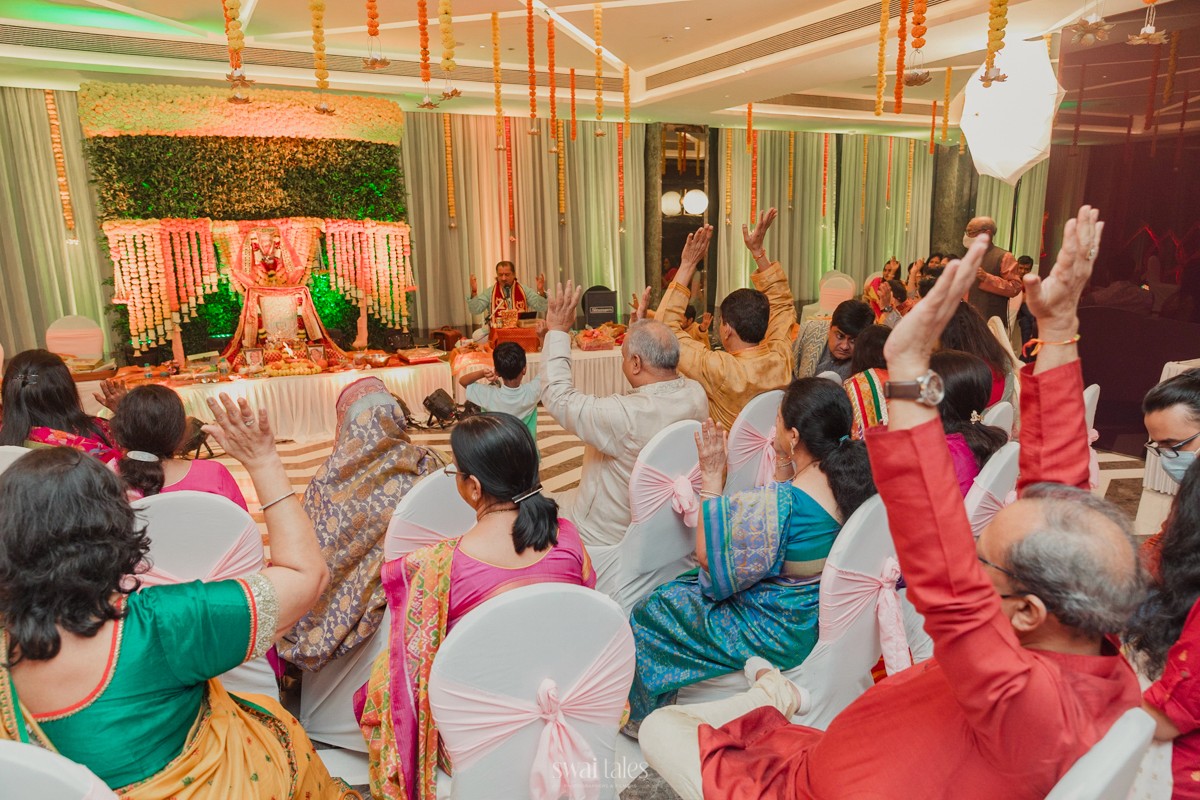
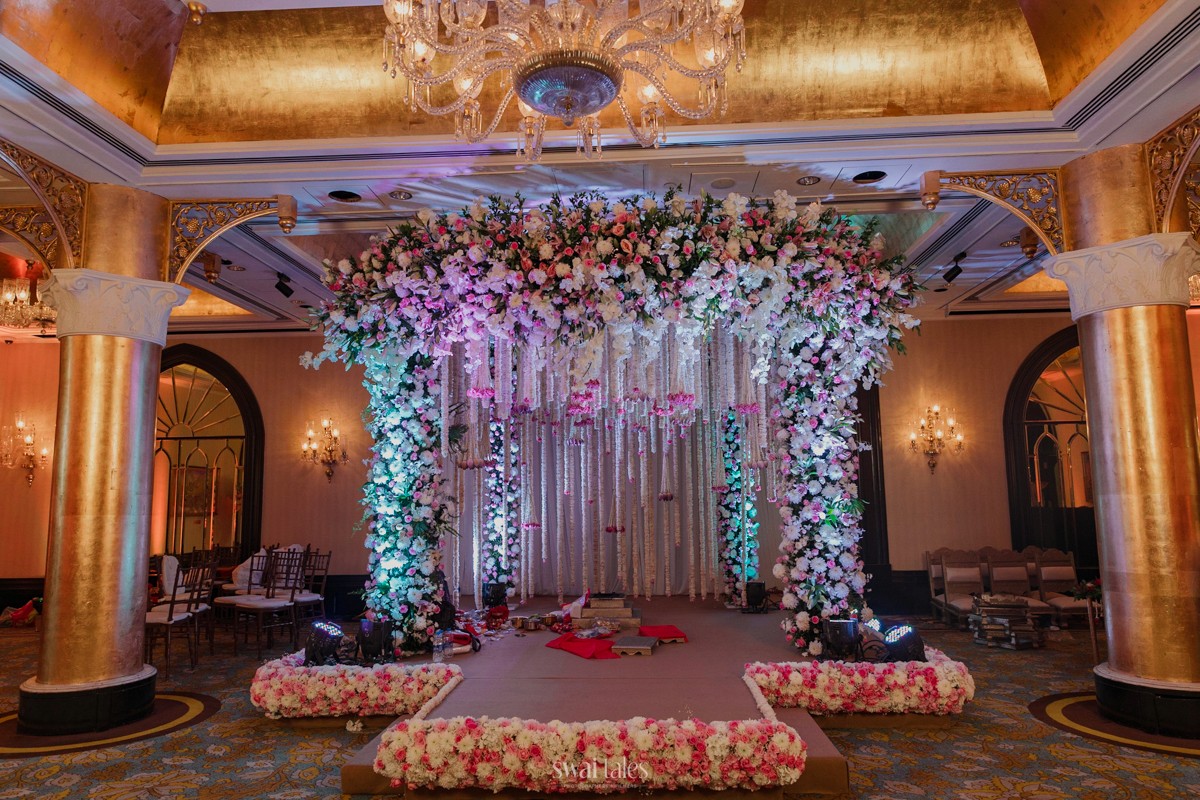
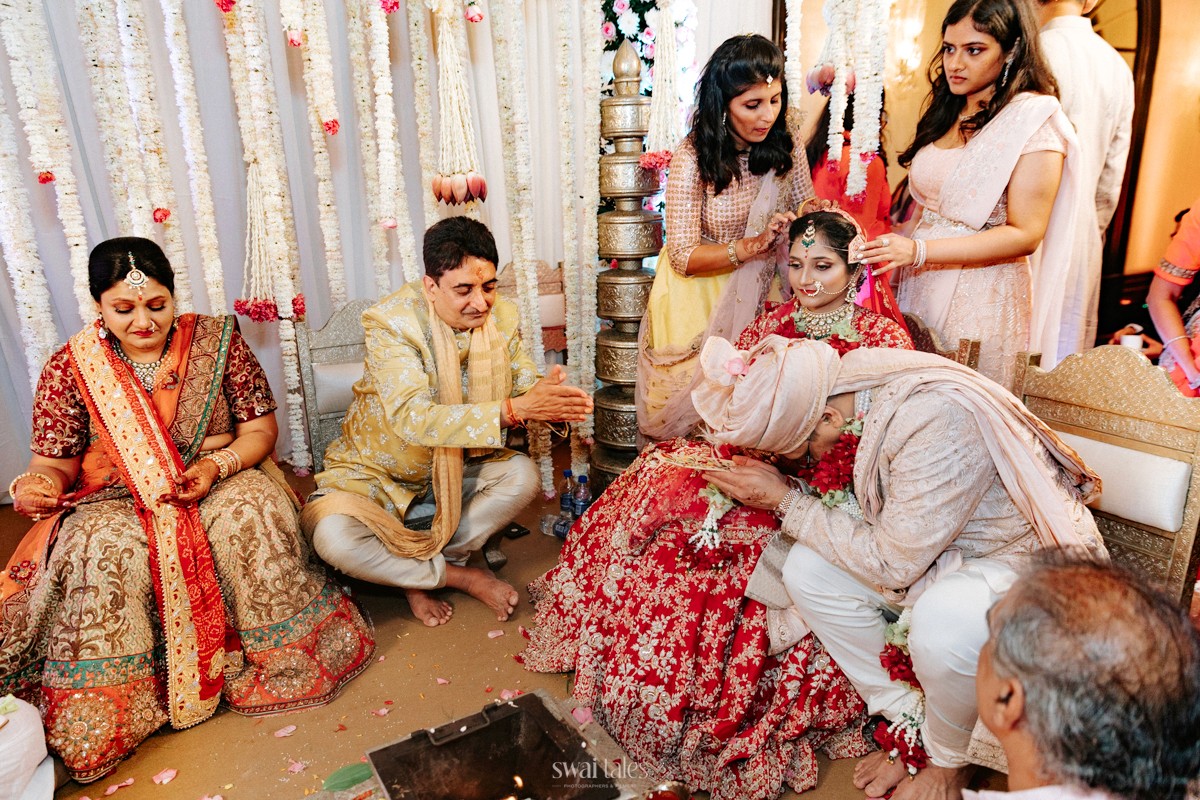
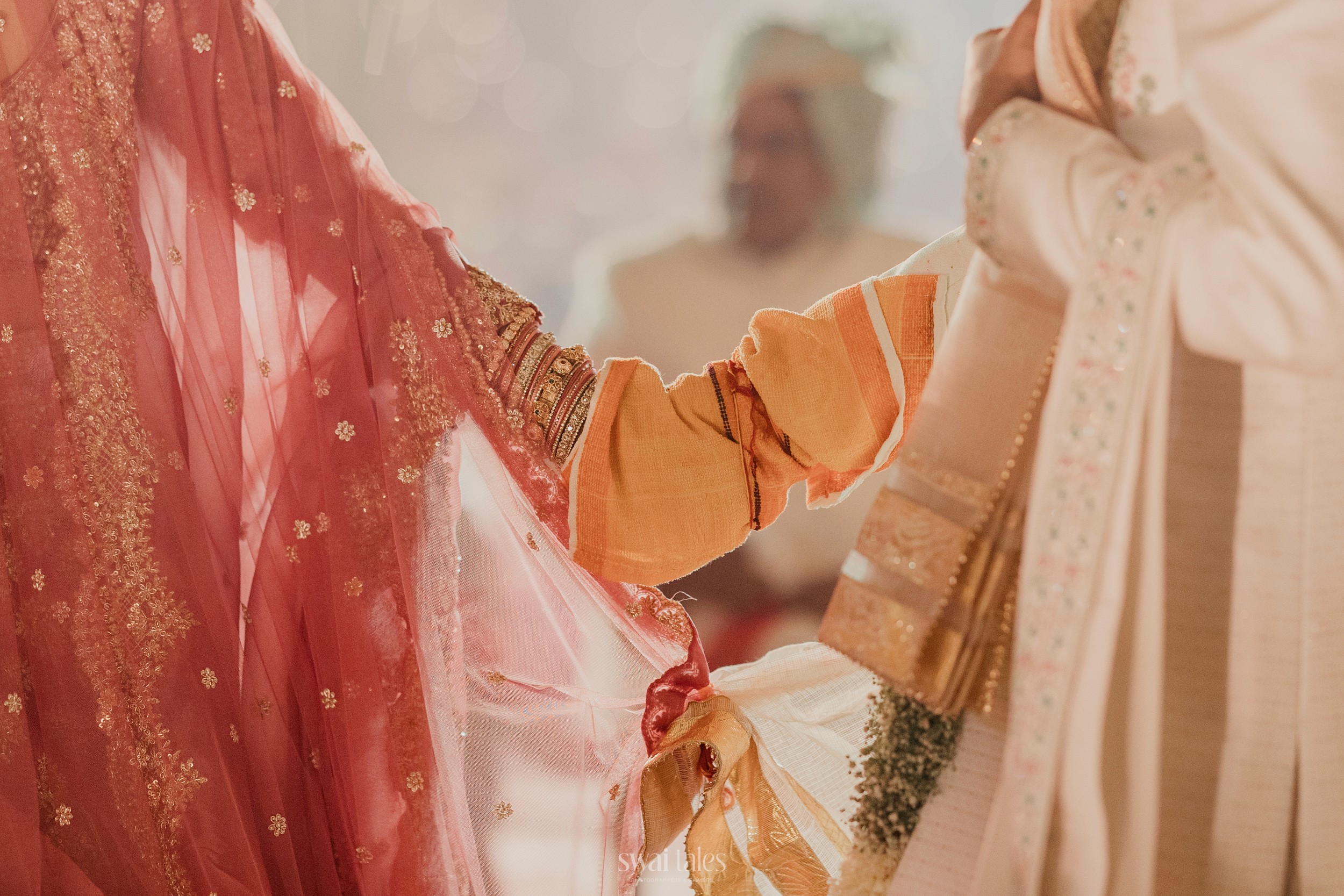
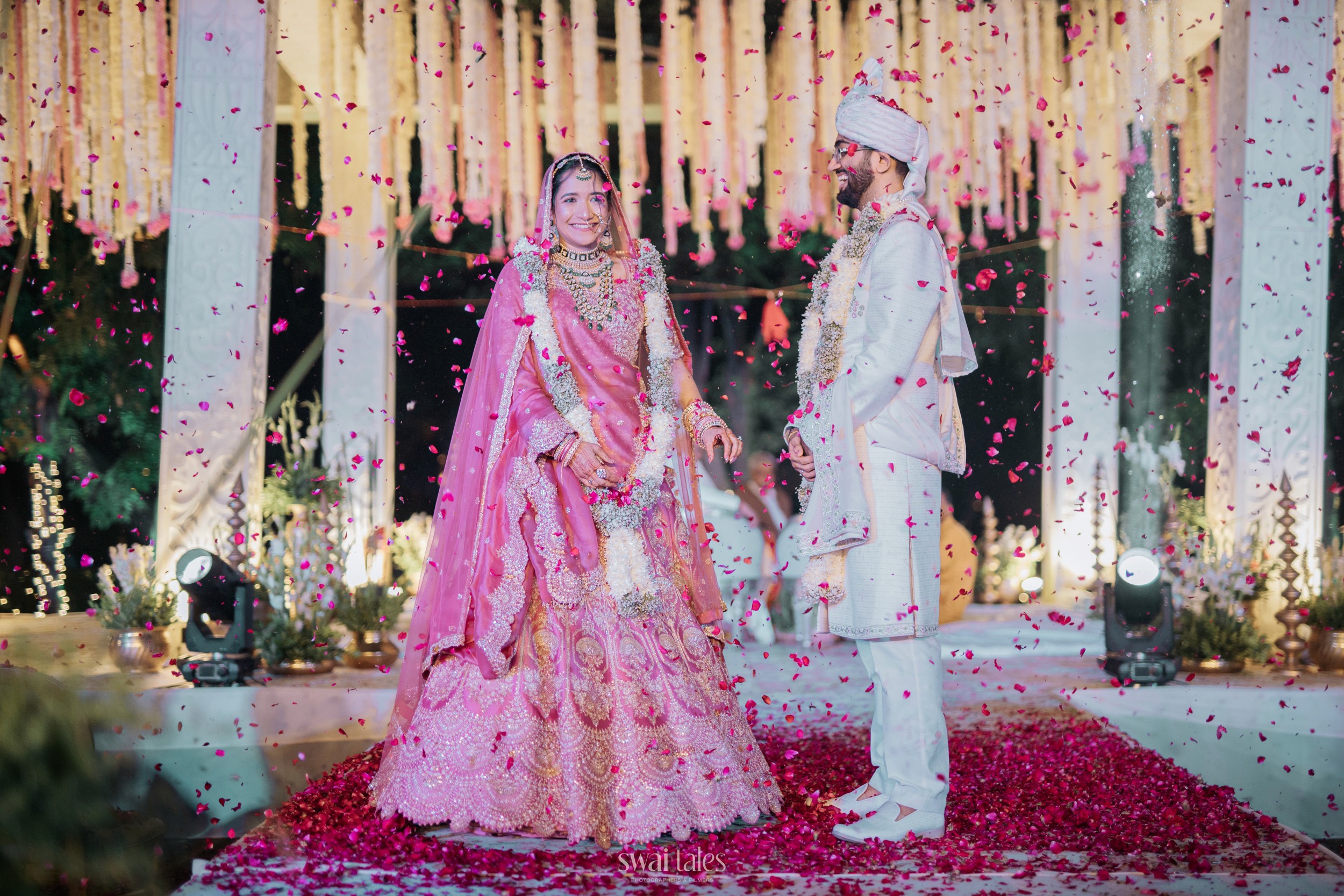
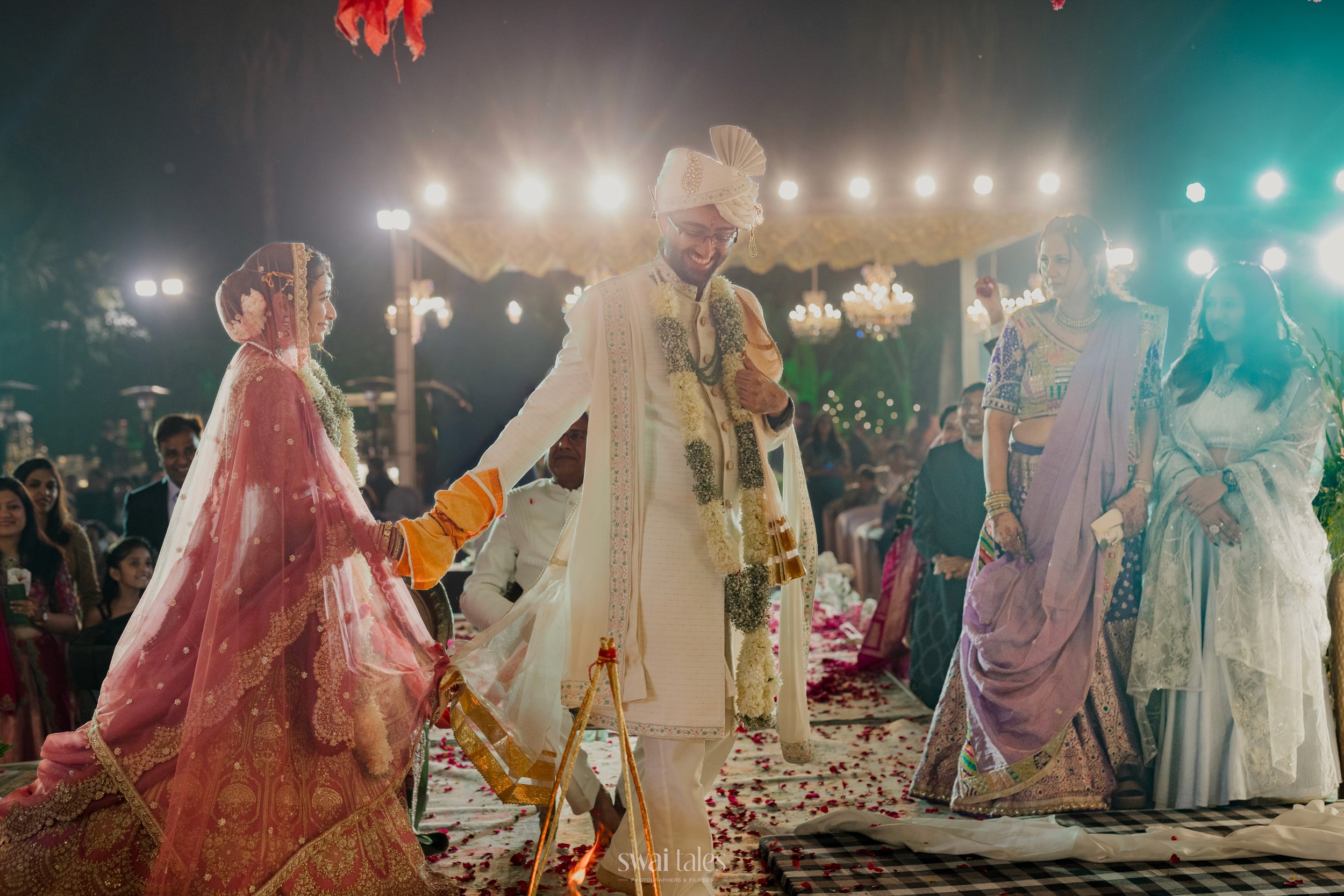
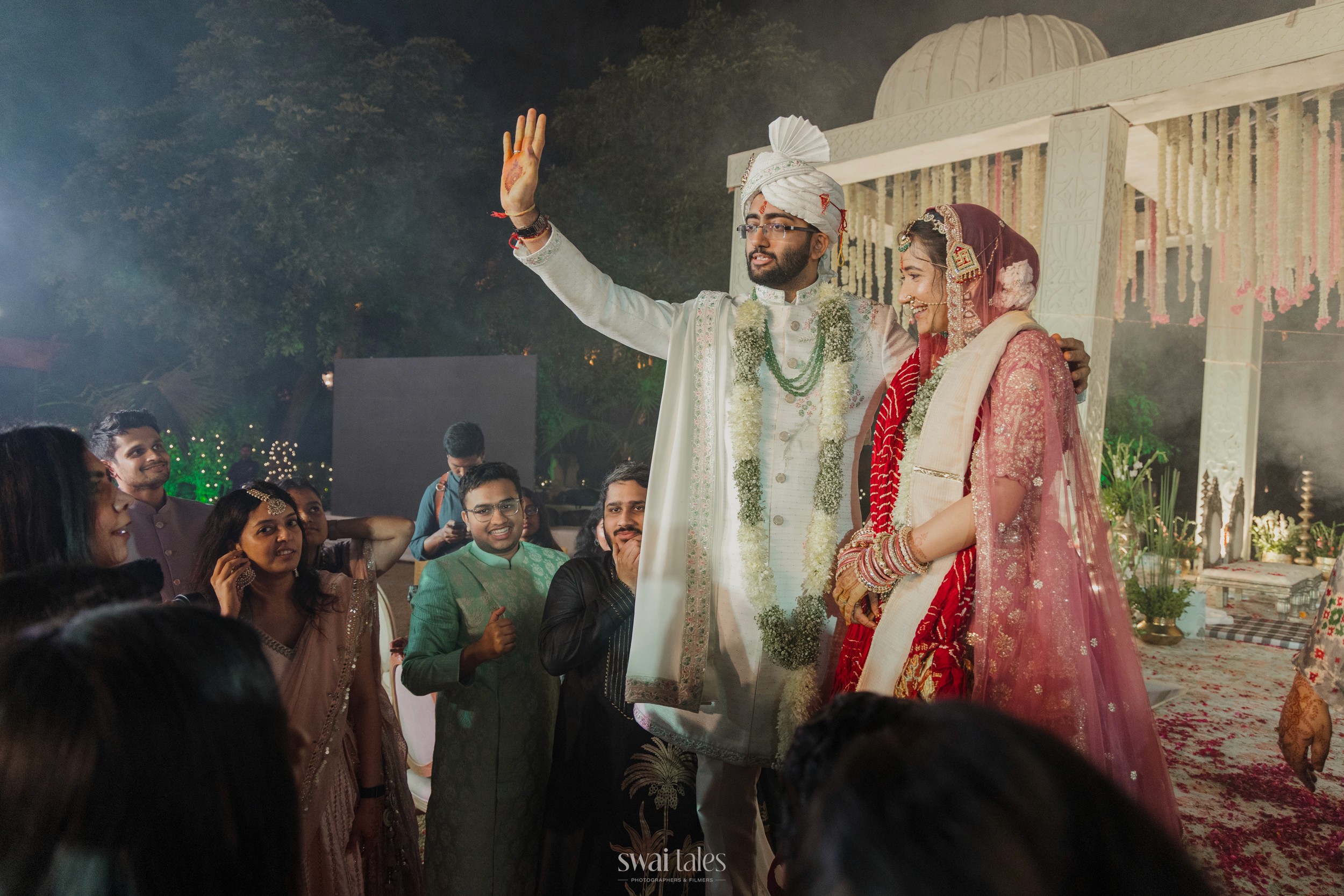
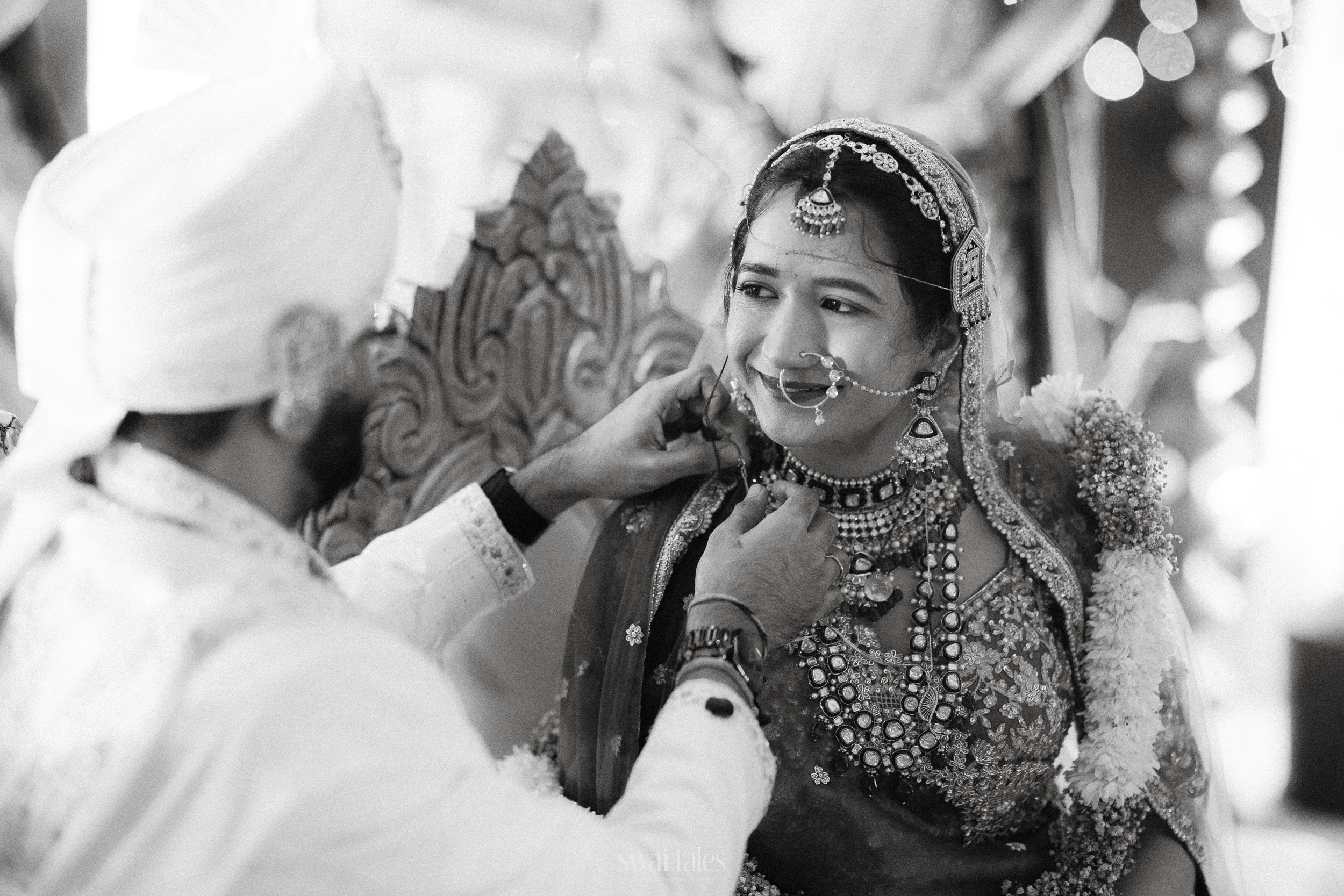
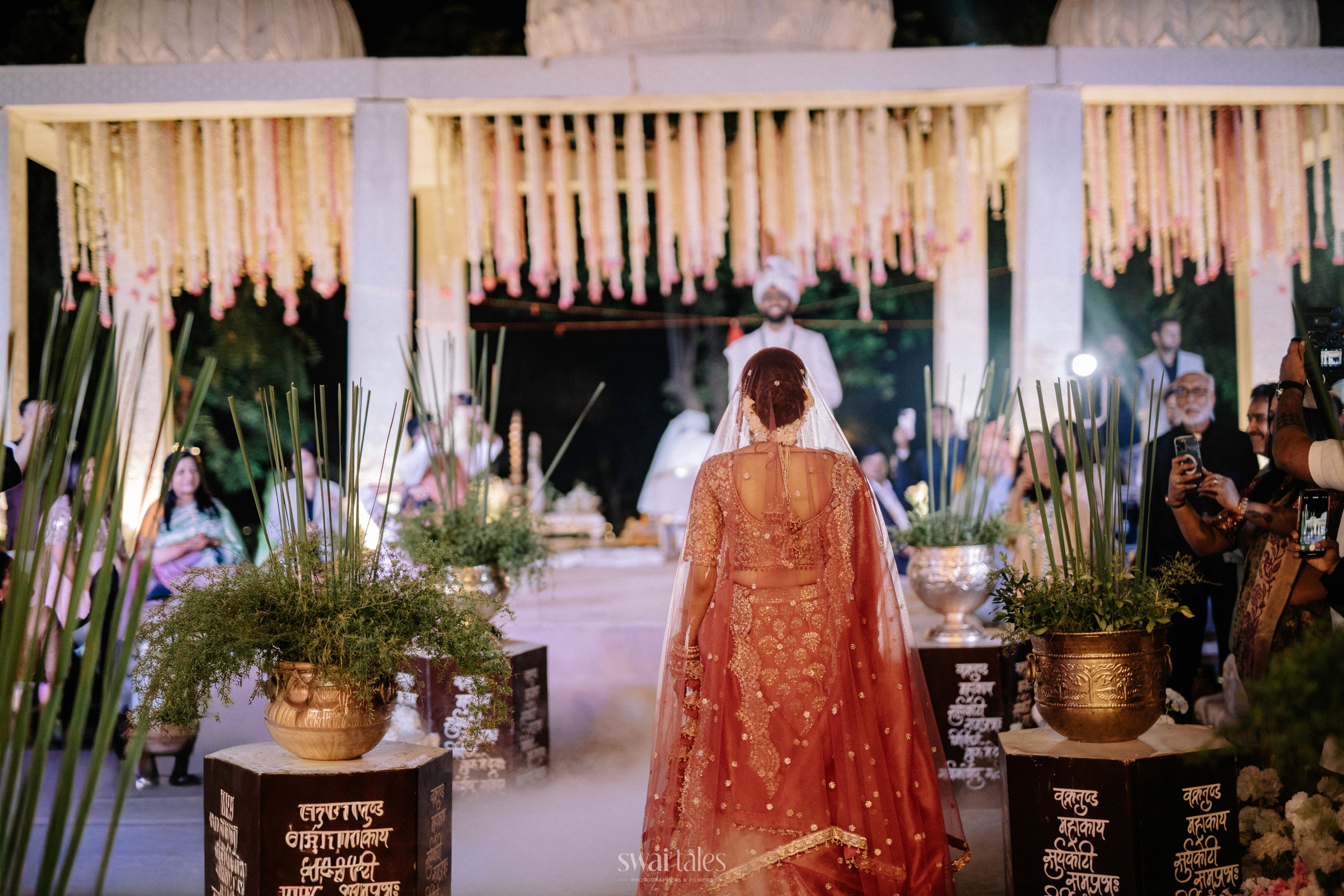
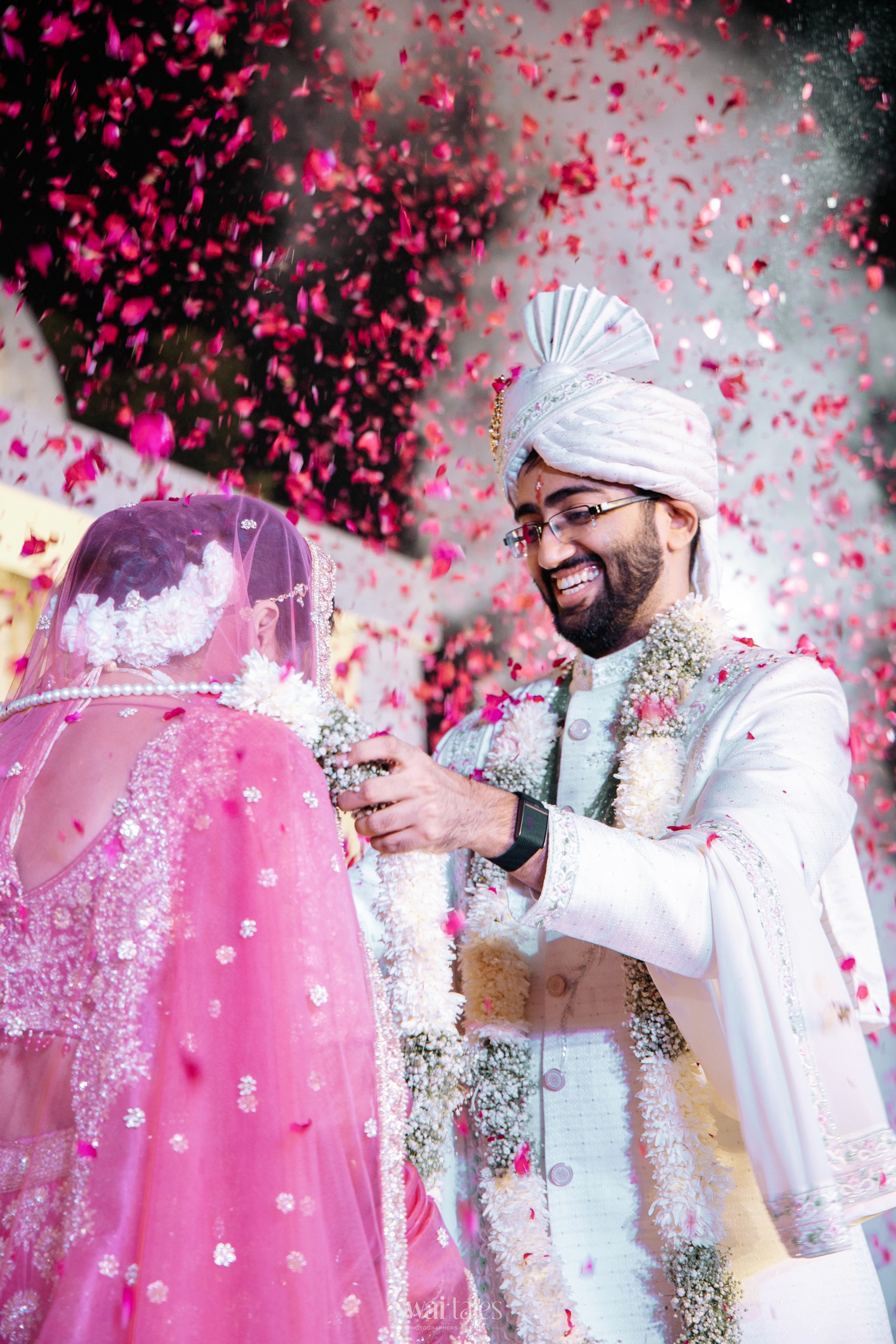
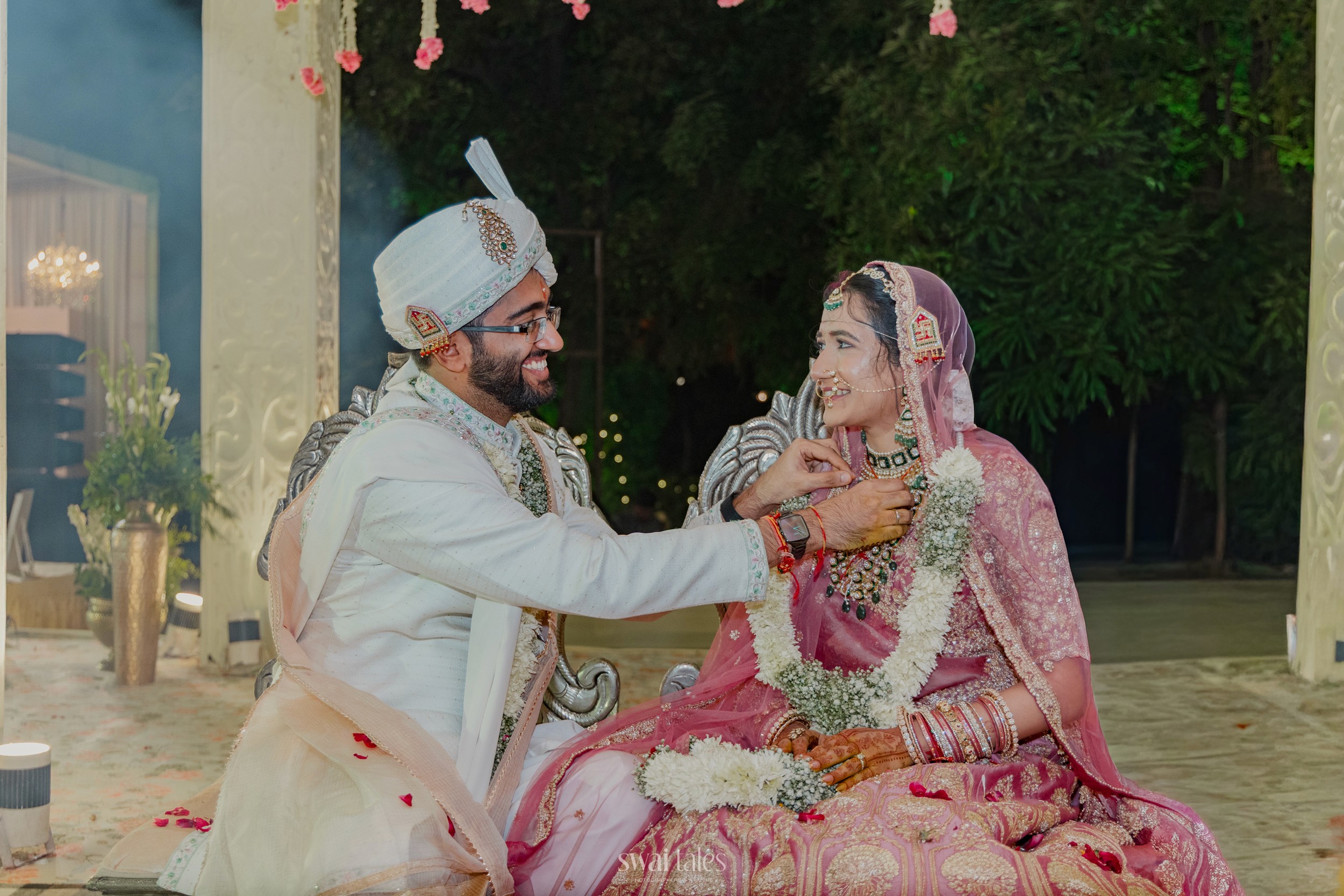
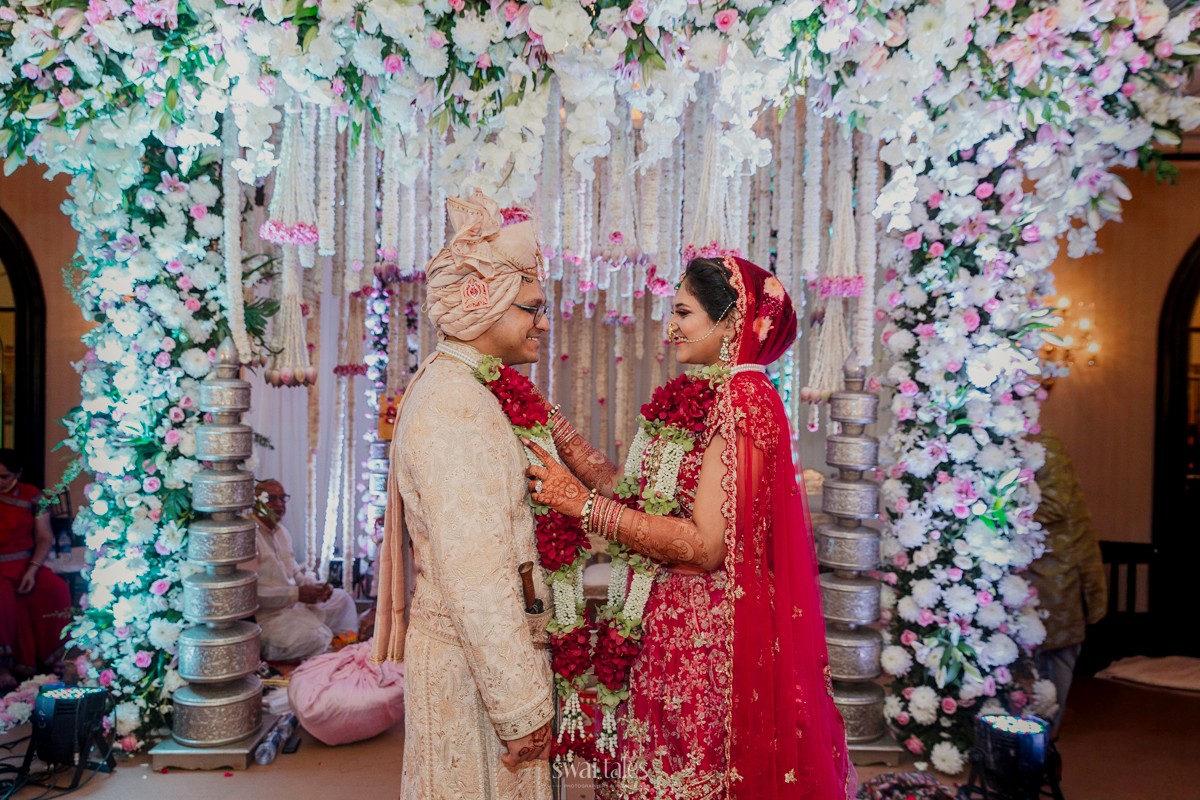
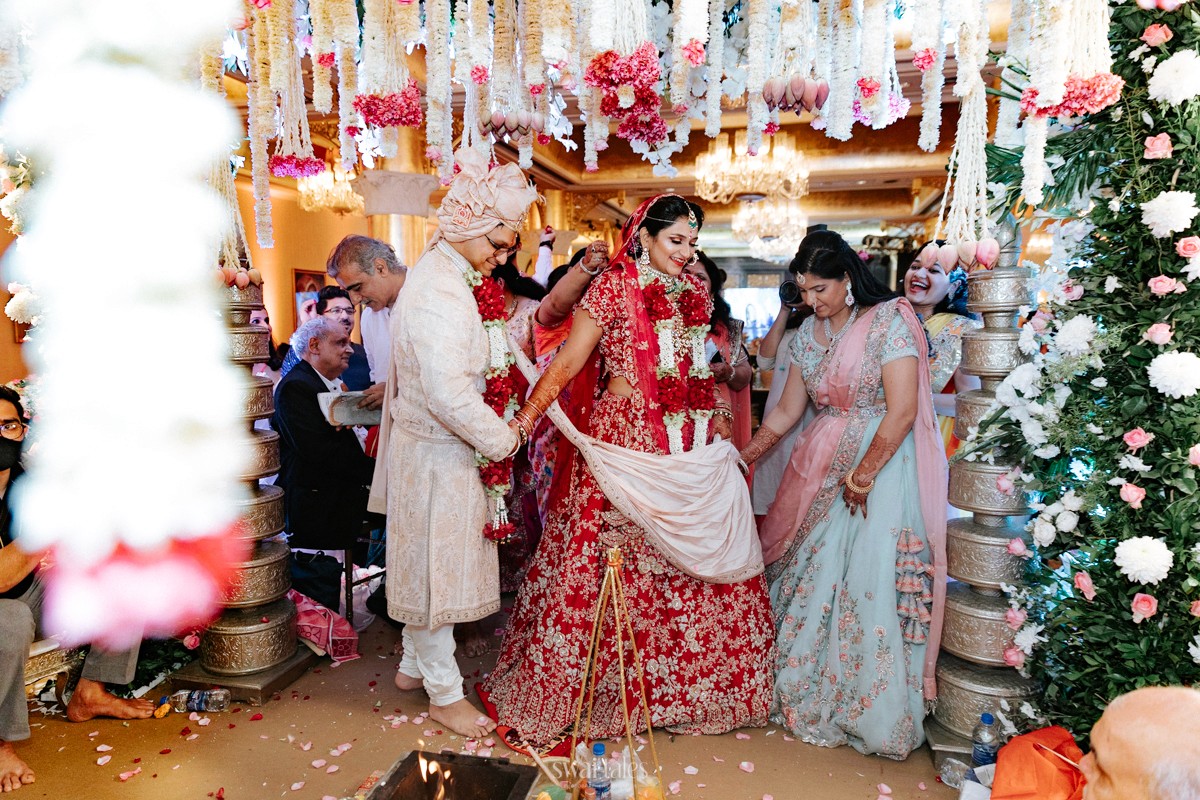
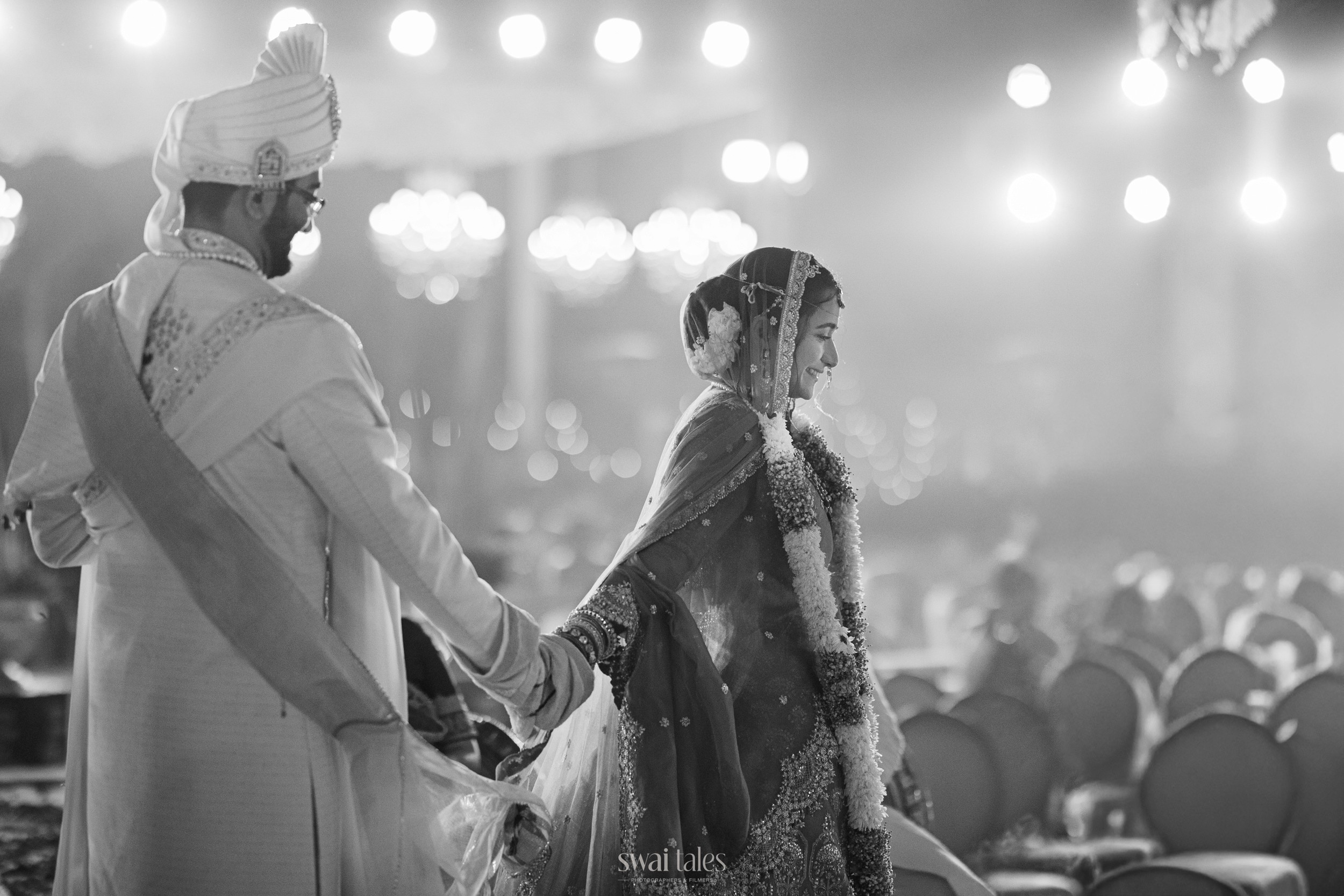
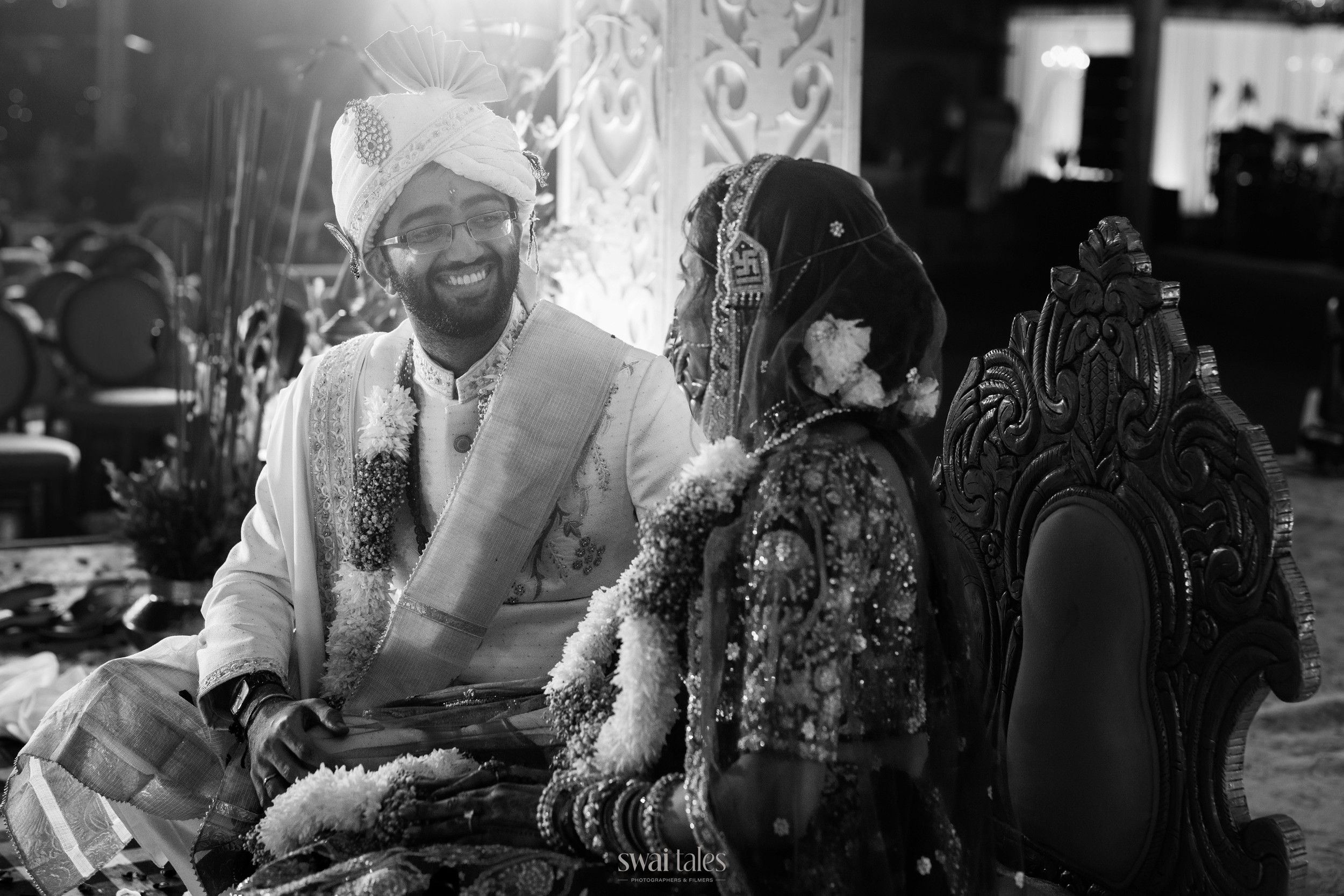
The Saat Phere — seven rounds taken by the couple around the sacred fire — is the heart of the wedding ceremony itself. Each round represents a specific vow, and unlike the louder functions earlier in the week, this part of the day tends to slow everything down. Couples often take these rounds deliberately, sometimes emotionally — it's not uncommon to see tears during the middle rounds, followed by a visible exchange of reassurance between the couple as they complete the final ones.
What's often missed: the small, unscripted exchanges between rounds — a quiet word, a tightened grip on the other's hand, a shared glance that has nothing to do with the ritual itself and everything to do with the two people in the middle of it. Slowing down here, rather than treating it as seven identical repetitions, makes a meaningful difference to the final gallery.
Vidaai — Increasingly, On the Couple's Own Terms
The Vidaai — the bride's ceremonial departure from her family home — is traditionally one of the most emotional moments of any Marwadi wedding. It is also, increasingly, a ritual that couples are choosing to approach differently.
Some couples follow the traditional format in full. Others — thoughtfully, and after real conversation with their families — choose to reframe it. Rather than a farewell built around loss, some couples gather both families together, exchange thanks individually, and walk out together rather than positioning it as the bride leaving alone. Either way, the Vidaai carries real weight, and deserves a photographer who understands both versions of the ritual and won't impose a single script on a deeply personal moment.
Real Marwadi Weddings We've Photographed
We've had the privilege of documenting this full sequence of rituals at two Marwadi weddings that show how differently the same traditions can unfold.
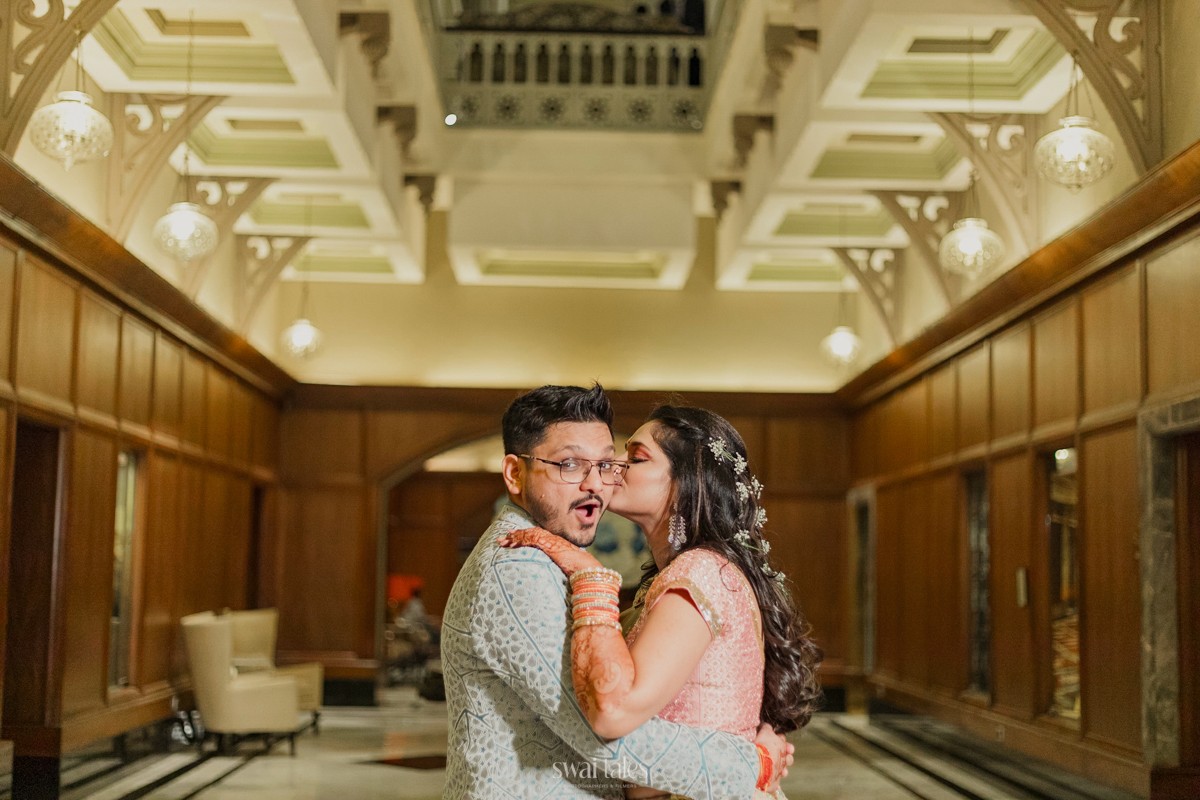
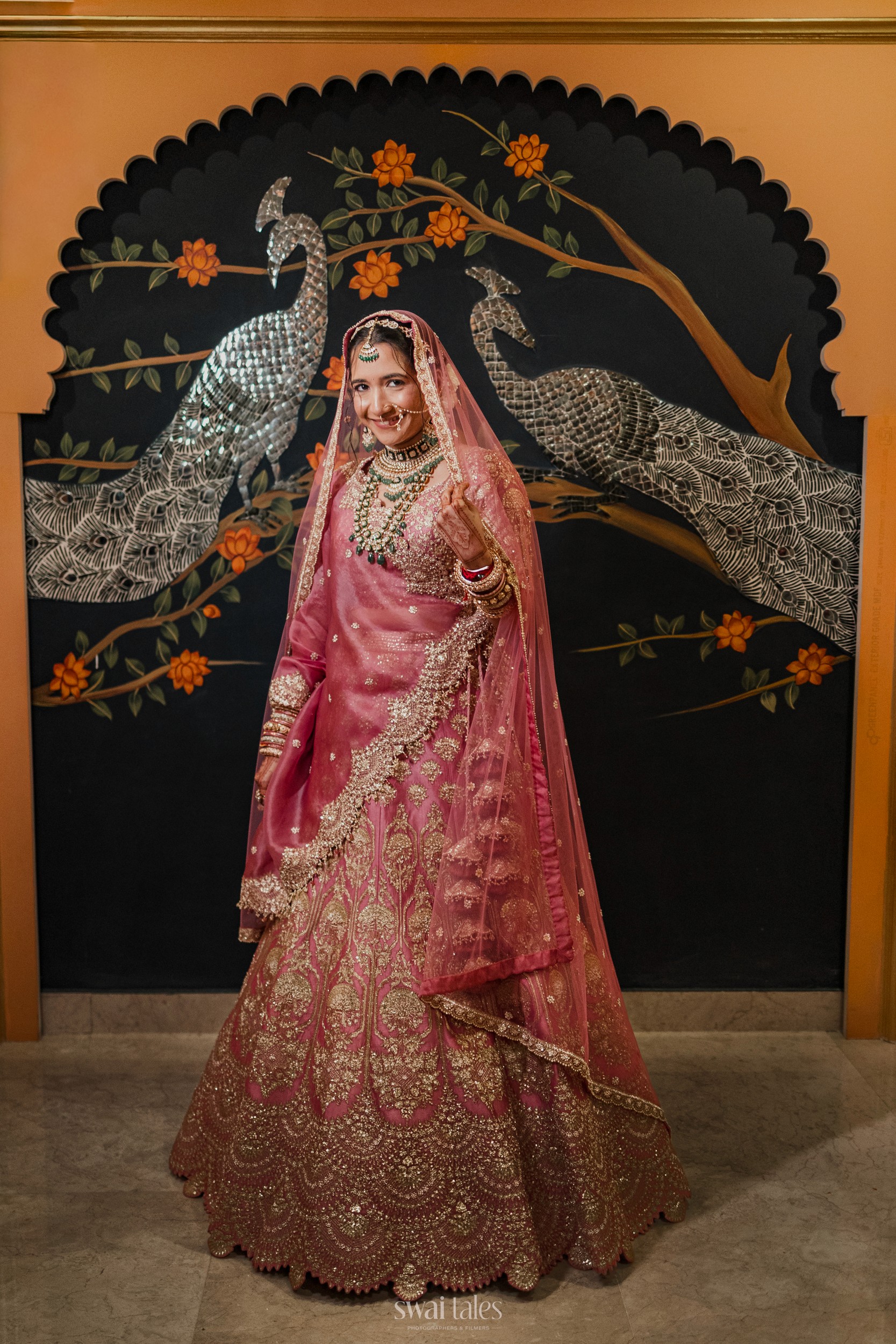
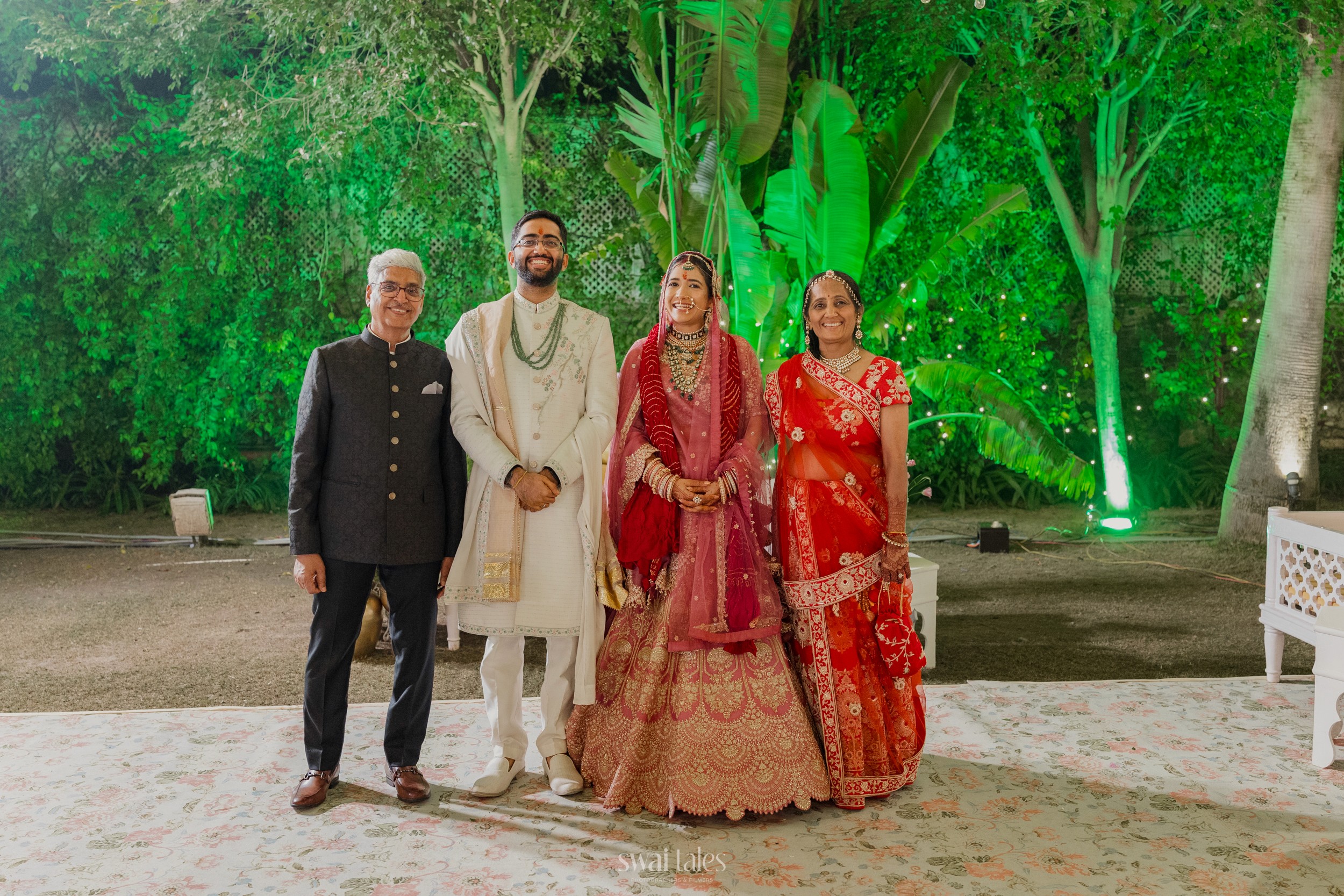
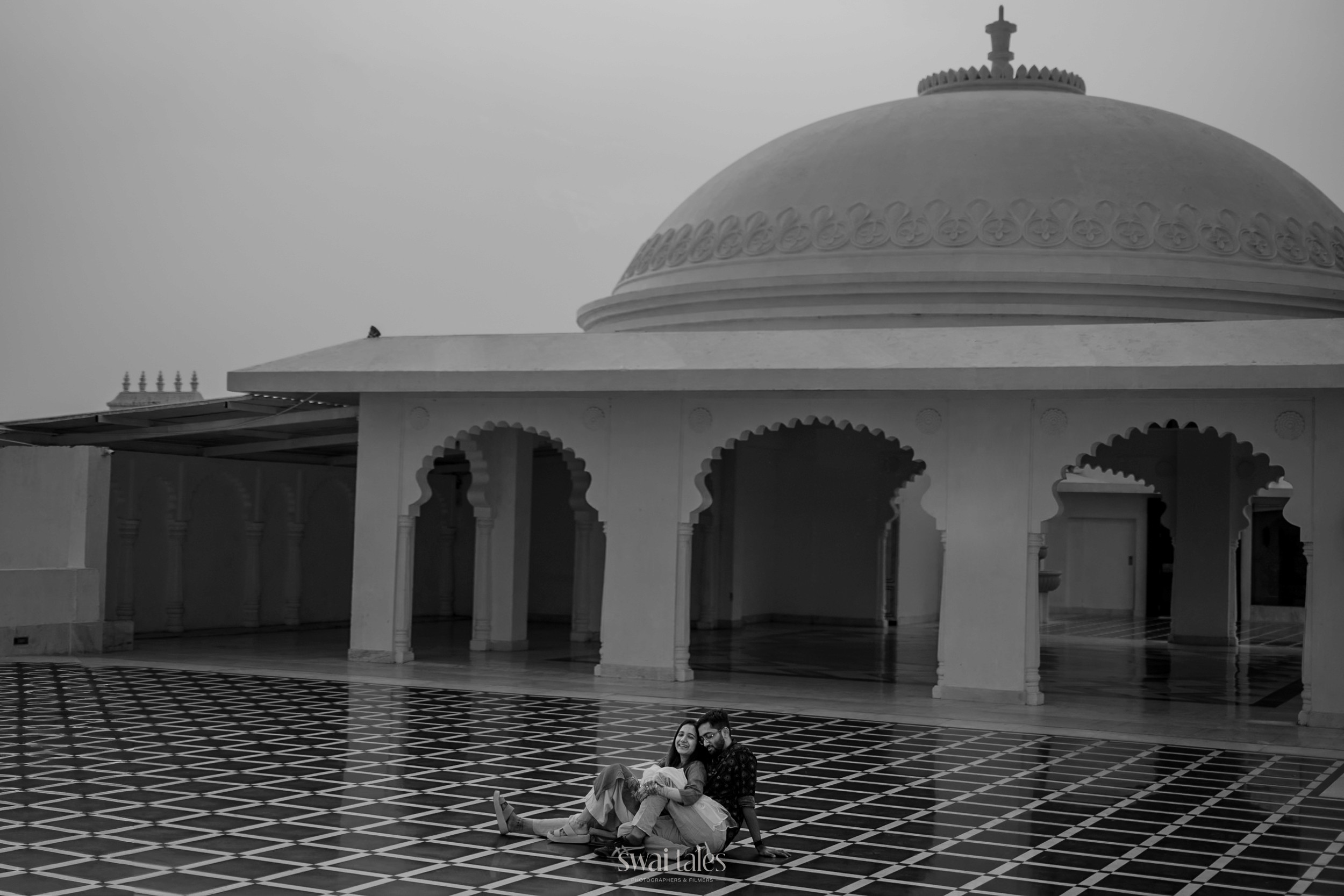
Anish & Abhishika's wedding at the Radisson Blu, Udaipur carried all of this — the Mayra, the Mehendi, a Sangeet where the groom surprised everyone by dancing, a Haldi with his grandmother holding his arm throughout, and a Vidaai the couple chose to reframe entirely on their own terms. Their full story is on our blog.
Nishita & Aditya's wedding at The Taj Mahal Palace, Mumbai brought a different energy entirely — the same rituals, but with two after-parties, a live wedding film edit played at the reception just hours after the ceremony, and a couple who danced until 4am and were up for their pooja by 8am. Their full story is also on our blog.
See our full Marwadi wedding portfolio
Planning Your Marwadi Wedding Photography
If there's one thing to take from this guide, it's that Marwadi weddings reward photographers who understand the sequence and significance of each ritual in advance. The Mayra's quiet weight, the Sangeet's spontaneous moments, the specific tenderness of the Haldi, the dynamism of the Baraat, the slowed-down emotion of the Saat Phere — each calls for a different kind of attention.
We've photographed Marwadi weddings in Mumbai and as destination celebrations across India, and we'd be glad to walk you through exactly how we'd approach yours.
Frequently Asked Questions
What is the Mayra ceremony in a Marwadi wedding?
The Mayra (or Bhaat) is when the bride's maternal uncle arrives bearing gifts, clothes and jewellery — a formal honouring of the mother's side of the family, and one of the most emotional early rituals.
What is Pithi Dastoor?
Pithi Dastoor is the Marwadi name for the haldi ceremony, where turmeric paste is applied to the bride and groom on the morning of the wedding.
How many pheras are there in a Marwadi wedding?
Seven — the Saat Phere, taken around the sacred fire, with each round representing a vow the couple makes to each other.
What is the Baraat?
The Baraat is the groom's ceremonial procession to the wedding venue, with the sehra — a floral veil — traditionally tied over his face by a sister or close relative.